Health Habits That Support Busy Modern Lives

Last updated by Editorial team at herstage.com on Thursday 18 December 2025
Article Image for Health Habits That Support Busy Modern Lives

Health Habits That Support Busy Modern Lives

In 2025, the pace of modern life has accelerated to a point where the boundaries between work, personal life, and digital engagement are increasingly blurred, and for many women across the world this has created a daily reality defined by constant connectivity, high expectations, and competing priorities. As careers become more demanding, families more complex, and global challenges more visible, the question is no longer whether health matters, but how sustainable health habits can be integrated into a schedule that rarely pauses. For the global audience of HerStage, which spans professionals, entrepreneurs, caregivers, students, and leaders in regions from the United States and United Kingdom to Germany, Canada, Australia, Singapore, and beyond, the challenge is to design a life where wellbeing is not an afterthought but a strategic foundation for long-term success and fulfillment.

This article explores how women and allies can cultivate realistic, evidence-informed health habits that align with the realities of busy modern lives, recognizing that health today is not only about physical fitness or nutrition but also about mental resilience, emotional balance, social connection, and a sense of purpose. It draws from current research, global best practices, and the lived experiences of ambitious women, while reflecting the perspective and mission of HerStage as a platform that champions women's voices in business, leadership, career, and lifestyle.

Redefining Health for a Hyper-Connected World

The traditional notion of health as something managed only in a doctor's office or gym has given way to a broader, more integrated understanding, where everyday decisions around sleep, food, movement, and digital use accumulate into long-term outcomes. Organizations such as the World Health Organization emphasize that health is a complete state of physical, mental, and social wellbeing, not merely the absence of disease, and this definition has become particularly relevant in a world where burnout, anxiety, and chronic illness are rising even among high-performing professionals. Readers who follow health-focused features on HerStage will recognize that the conversation now includes emotional safety at work, psychological safety at home, and the ability to navigate global uncertainty without sacrificing personal stability.

For women in demanding careers, especially in hubs such as New York, London, Berlin, Toronto, Sydney, and Singapore, health habits must be redefined as strategic assets that support performance, creativity, and decision-making. Research from institutions like Harvard T.H. Chan School of Public Health shows that lifestyle factors including nutrition, physical activity, sleep, and stress management significantly influence long-term risk for chronic diseases and cognitive decline, which means that daily routines are not trivial but central to career longevity. Learn more about how lifestyle shapes long-term health outcomes through leading public health resources such as Harvard's public health insights.

This reframing is particularly important for women who often juggle multiple roles, including leadership in organizations, entrepreneurship, caregiving, and community engagement. By understanding health as a continuum influenced by small, repeated behaviors rather than dramatic interventions, it becomes easier to design habits that fit into real life rather than an idealized schedule. On HerStage, where self-improvement and mindfulness content intersect with career advice, this integrated perspective is central to how health is discussed and celebrated.

Sleep as a Non-Negotiable Performance Strategy

One of the most underestimated health habits in modern life is sleep, which is often sacrificed first when deadlines, travel, caregiving responsibilities, or social commitments expand. Yet leading sleep researchers, including experts at Johns Hopkins Medicine, consistently demonstrate that sleep is fundamental to memory, emotional regulation, immune function, and metabolic health. For busy professionals, this means that trading sleep for productivity is not a neutral decision but a direct compromise to focus, creativity, and resilience. Readers can explore more about the science of sleep and its impact on cognition and mood through trusted health resources such as Johns Hopkins Medicine's sleep health guidance.

In high-pressure work environments across North America, Europe, and Asia, there is still a cultural narrative that glorifies late nights and early mornings as evidence of dedication, particularly in fields such as finance, technology, law, and entrepreneurship. However, organizations like McKinsey & Company have highlighted that sleep-deprived leadership is associated with poorer decision-making, reduced emotional intelligence, and weaker team engagement, which ultimately undermines organizational performance. Business readers interested in how sleep intersects with leadership effectiveness can explore thought leadership on high-performing leadership practices.

For the HerStage audience, a more sustainable approach involves treating sleep as a strategic resource rather than a luxury, which may include establishing consistent sleep and wake times even across time zones, creating device-free wind-down routines, and negotiating boundaries with employers or clients where possible. While not every woman can control her schedule fully, particularly those balancing shift work or caregiving, small adjustments such as limiting caffeine late in the day, dimming lights in the evening, and using brief relaxation techniques can improve sleep quality even when total sleep time is constrained. Articles on mindfulness and stress reduction at HerStage complement this approach by offering practical practices to quiet the mind before bed.

Nutrition for Energy, Focus, and Hormonal Balance

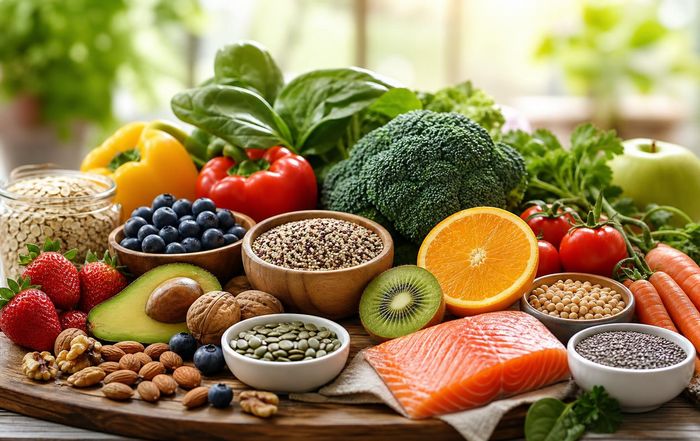
In fast-paced cities and remote work environments alike, eating habits often default to convenience, speed, and comfort, which can lead to energy crashes, mood fluctuations, and long-term health risks. Yet modern nutrition science underscores that food is not only fuel but also information that influences hormones, inflammation, gut health, and brain function. Organizations like the Academy of Nutrition and Dietetics and National Health Service (NHS) in the United Kingdom emphasize balanced dietary patterns rich in vegetables, fruits, whole grains, lean proteins, and healthy fats as foundational to sustained energy and disease prevention. Readers can learn more about evidence-based nutrition guidelines via NHS healthy eating resources.

For women leading busy lives in regions such as Germany, France, Italy, Spain, and the Netherlands, cultural food traditions can be leveraged as strengths, especially when they emphasize fresh ingredients, moderate portions, and social connection. The Mediterranean diet, for example, has been extensively studied by institutions such as Mayo Clinic for its positive impact on heart health and cognitive function, offering a model for busy professionals who want both pleasure and prevention in their meals. Those interested can further explore how Mediterranean-style eating supports long-term health.

For HerStage readers, the practical challenge is often how to translate nutritional wisdom into everyday routines that accommodate early meetings, late calls across time zones, childcare, and travel. Simple strategies include planning a small set of reliable, nutrient-dense meals and snacks, keeping healthy options visible and accessible at home or in the office, and using meal delivery or batch cooking to reduce decision fatigue. Exploring food and lifestyle content on HerStage can provide inspiration that respects cultural diversity while promoting health. Moreover, paying attention to how different foods affect focus, mood, and digestion allows women to tailor their habits to their individual needs, aligning nutrition with both performance and comfort.

Movement as a Daily Essential Rather Than an Occasional Event

Physical activity is often framed as a structured workout at a gym or studio, which can feel unrealistic for individuals with demanding schedules in industries from technology and healthcare to education and logistics. However, the World Health Organization and leading health systems emphasize that cumulative movement throughout the day, including walking, climbing stairs, stretching, and short bursts of activity, can significantly improve cardiovascular health, metabolic function, and mental wellbeing. For those seeking global guidelines, WHO's recommendations on physical activity provide a clear, adaptable framework.

In many major cities, from Tokyo and Seoul to Stockholm, Copenhagen, and Amsterdam, urban design encourages walking and cycling, which can be integrated into daily routines without requiring additional time slots. For remote workers in Canada, Australia, New Zealand, and South Africa, nature access can be a powerful motivator for movement, supporting both physical and mental health. Employers are increasingly recognizing the benefits of active breaks, standing meetings, and wellness programs, with organizations like World Economic Forum highlighting the link between physical activity and workplace productivity. To understand this intersection further, readers can explore insights on health and productivity in the workplace.

Within HerStage, where lifestyle and self-improvement content often intersect with career and leadership, movement is framed not as a punishment for the body but as a resource for mental clarity, confidence, and emotional balance. Even ten-minute intervals of movement between meetings, stretching while on calls, or walking during one-on-one conversations can compound into significant benefits over weeks and months. For many women, reframing exercise from "all or nothing" to "something is always better than nothing" is a pivotal mindset shift that makes consistency possible.

Mental Health, Stress, and Emotional Resilience

The mental health dimension of modern life has become impossible to ignore, particularly after years of global uncertainty, economic shifts, and the ongoing evolution of work models. Organizations such as the American Psychological Association and National Institute of Mental Health have documented rising levels of stress, anxiety, and depression, especially among younger professionals and women who face both career and caregiving pressures. For those seeking accessible, science-based information, NIMH's mental health resources provide a useful starting point.

In high-performance environments across Asia, Europe, North America, and Africa, there is a growing recognition that mental health is a strategic priority rather than a private concern, with companies investing in employee assistance programs, coaching, and mental health training for managers. Platforms like Mind in the United Kingdom and Beyond Blue in Australia have played critical roles in normalizing conversations about mental health, encouraging individuals to seek support early rather than waiting for crises. Learn more about practical mental health support and workplace wellbeing through organizations such as Mind's guidance on mental health at work.

For the HerStage community, especially those reading world and education sections, emotional resilience is increasingly seen as a core leadership competency. This includes the ability to set boundaries, say no when necessary, delegate effectively, and cultivate supportive relationships both inside and outside of work. Mindfulness practices, journaling, therapy, and peer support groups can all play roles in helping women navigate stress, process emotions, and maintain a sense of agency amid complexity. By featuring stories of women who have faced burnout and recovered, HerStage reinforces the message that seeking help is a sign of strength, not weakness.

Digital Boundaries in an Always-On Culture

As smartphones, collaboration tools, and social platforms have become embedded in daily life, the line between productive connectivity and harmful overexposure has grown thin. Research from organizations like Pew Research Center highlights how constant digital engagement affects attention, sleep, and social dynamics, with particular implications for younger professionals and those in remote or hybrid roles. Readers can explore more about digital habits and their impact on wellbeing through Pew's research on technology and society.

For women balancing professional demands with family or personal responsibilities, digital tools can be both a lifeline and a source of constant pressure, as messages, notifications, and content streams rarely pause. In regions such as France, Spain, and Italy, emerging legal and cultural norms around the "right to disconnect" are reshaping expectations for after-hours communication, while in Asia-Pacific and North America companies are experimenting with meeting-free days and asynchronous communication to reduce overload. Organizations such as OECD have examined how digitalization affects work-life balance, offering policy and organizational perspectives that are highly relevant to global readers; those interested can learn more via OECD's work-life balance insights.

On HerStage, where career and leadership stories often highlight the realities of hybrid and remote work, digital boundaries are increasingly framed as a critical health habit. This may involve setting specific times for checking email and messaging apps, turning off non-essential notifications, creating device-free zones at home, and being explicit with colleagues about availability. Such practices are not about resisting technology but about using it intentionally, so that it supports rather than dominates life. Over time, these boundaries protect attention, reduce anxiety, and create space for rest, relationships, and creativity.

Beauty, Confidence, and the Health of Self-Perception

Health habits in modern life also intersect with how women relate to their own bodies and identities, particularly in a global culture saturated with images, filters, and performance metrics. While physical appearance is often framed as separate from health, the way individuals perceive themselves has profound implications for mental wellbeing, social participation, and career confidence. Organizations such as Dove and its Self-Esteem Project, in collaboration with academic institutions, have highlighted the impact of unrealistic beauty standards on self-worth, especially among young women and girls. Those interested in the psychological impact of media on body image can explore self-esteem and body confidence initiatives.

For the HerStage audience, which regularly engages with beauty, fashion, and glamour content, there is an opportunity to redefine beauty as an expression of health, personality, and cultural identity rather than conformity to narrow ideals. This includes celebrating diverse body types, skin tones, ages, and styles, and encouraging routines that prioritize skin health, comfort, and authenticity. Dermatology organizations like the American Academy of Dermatology offer guidance on skincare practices that protect long-term health, including sun protection and early detection of skin conditions; readers can learn more via AAD's skin health information.

By aligning beauty habits with health priorities-such as choosing products that support skin barrier function, practicing sun safety, and avoiding extreme dieting-women can cultivate a relationship with appearance that enhances rather than undermines wellbeing. In professional settings across Europe, Asia, Africa, and the Americas, this alignment supports confidence, presence, and authenticity, which in turn influence leadership opportunities and career advancement. HerStage plays a role in shaping this narrative by highlighting stories and advice that center health, dignity, and self-respect.

Integrating Health into Leadership and Career Strategy

As more women step into leadership roles in corporations, startups, public institutions, and creative industries, the connection between personal health habits and leadership effectiveness has become increasingly visible. Studies from institutions like Stanford Graduate School of Business and INSEAD have explored how wellbeing practices influence decision-making, empathy, and ethical behavior, arguing that sustainable leadership requires a foundation of physical and psychological resilience. Those interested in the intersection of leadership and wellbeing can explore insights from leading business schools on sustainable leadership.

For the HerStage community, especially readers engaged with business and leadership content, this means that health habits are not merely personal choices but components of a broader leadership philosophy. Leaders who model healthy boundaries, prioritize rest, encourage flexible work, and support mental health send powerful signals to their teams, shaping organizational culture and performance. Companies across North America, Europe, Asia, and Africa are recognizing that burnout among leaders has cascading effects, and that investing in health is a strategic imperative rather than a perk.

On an individual level, women can integrate health into career strategy by explicitly considering energy management, recovery, and support systems when making decisions about roles, promotions, relocations, or entrepreneurial ventures. This might mean evaluating the health culture of potential employers, negotiating flexibility, or intentionally building networks that include mentors, coaches, and peers who value wellbeing. By treating health as a non-negotiable criterion alongside salary, title, and location, women place their long-term capacity to lead and create at the center of career planning.

A Holistic, Sustainable Path Forward

In 2025, the reality of busy modern lives is unlikely to become simpler, as technological change, global interdependence, and evolving social expectations continue to shape how people work, communicate, and care for one another. However, the growing global conversation around sustainable health habits offers a path forward that does not require abandoning ambition, caregiving, or creativity. Instead, it invites women and their allies to design lives where sleep, nutrition, movement, mental health, digital boundaries, and self-perception are integrated into daily routines in ways that are realistic, culturally sensitive, and personally meaningful.

For the global audience of HerStage, spanning continents and cultures yet united by a desire for purposeful, fulfilling lives, health habits are not simply individual choices but collective statements about what kind of world is being built for the next generation. By engaging with resources across women's stories, lifestyle, mindfulness, career, and the broader HerStage platform at herstage.com, readers can continue to refine their own approaches, learn from others, and contribute to a culture where wellbeing and ambition reinforce rather than compete with each other.

Ultimately, the most powerful health habit in a busy modern life may be the decision to treat wellbeing as a central, strategic priority rather than a peripheral concern. When women across North America, Europe, Asia, Africa, and South America make that choice-individually and collectively-they not only improve their own lives but also reshape workplaces, families, and societies in ways that honor both human potential and human limits. In that sense, every small, consistent habit becomes part of a larger story, one that HerStage is committed to telling and amplifying for years to come.

How Women Build Careers With Meaning and Purpose

Last updated by Editorial team at herstage.com on Thursday 18 December 2025
Article Image for How Women Build Careers With Meaning and Purpose

How Women Build Careers With Meaning and Purpose in 2025

In 2025, as global labour markets continue to be reshaped by digital transformation, demographic change and shifting social values, women across continents are redefining what it means to build a career. The traditional metrics of success, focused almost exclusively on salary, title and status, are being complemented-and often replaced-by a deeper search for meaning, purpose and alignment with personal values. For the global audience of HerStage, spanning the United States, United Kingdom, Germany, Canada, Australia, France, Italy, Spain, the Netherlands, Switzerland, China, the Nordic countries, Singapore, South Korea, Japan, Thailand, South Africa, Brazil, Malaysia, New Zealand and beyond, this evolution is not just a trend but a profound cultural and economic shift that is changing how women work, lead and live.

Redefining Success: From Linear Careers to Purpose-Driven Journeys

The concept of a linear career, in which an individual climbs a predictable corporate ladder within a single organization or industry, has steadily eroded over the past decade. In its place, a more fluid, portfolio-style model has emerged, particularly among women who are balancing professional aspirations with caregiving responsibilities, personal passions and a desire to contribute positively to society. Research from organizations such as the World Economic Forum shows that women are at the forefront of career transitions, reskilling and hybrid work adoption, as they seek roles that offer both flexibility and impact. Learn more about how the future of jobs is evolving at World Economic Forum.

On HerStage, conversations around career evolution and reinvention increasingly highlight that women are rejecting the pressure to conform to a singular definition of achievement. Instead, they are constructing careers that may include periods of corporate leadership, entrepreneurship, consulting, caregiving breaks, education, creative pursuits and community engagement, weaving these experiences into a cohesive narrative that is anchored in personal purpose rather than external validation. This shift is especially visible in major economies such as the United States, United Kingdom, Germany and Canada, but it is equally present in rapidly changing markets across Asia, Africa and South America, where digital connectivity has opened new avenues for women to work across borders and industries.

The Foundations of Purpose: Values, Identity and Self-Knowledge

Building a meaningful career begins with the often challenging work of self-discovery. Women who successfully design purpose-driven careers consistently demonstrate a high degree of self-awareness regarding their strengths, values, motivations and non-negotiables. This process frequently starts with introspection and structured reflection, supported by tools such as personality assessments, coaching and mindfulness practices. Resources from organizations like Mindful.org offer evidence-based approaches to cultivating presence and clarity, which are crucial for making intentional career decisions. Explore more about integrating mindfulness into professional life at Mindful.org.

On HerStage, the emphasis on self-improvement and inner growth reflects the reality that purpose is not discovered in a single moment but refined over time through experimentation and learning. Women across Europe, Asia and North America are increasingly using journaling, career design workshops and structured sabbaticals to examine questions such as what kind of problems they feel compelled to solve, which communities they want to serve, and what type of legacy they hope to leave. This deeper inquiry allows them to move beyond reactive job changes driven by burnout or dissatisfaction and instead to architect strategic career moves aligned with a coherent sense of identity.

Education, Lifelong Learning and the Power of Reskilling

In 2025, the link between meaningful careers and continuous learning has become undeniable. As automation and artificial intelligence reshape industries, women are recognizing that the skills that carried them into their current roles may not be sufficient to sustain long-term relevance and impact. Institutions such as MIT and Stanford University have expanded online programs that enable mid-career professionals to gain credentials in fields ranging from data science and sustainability to leadership and design thinking, often while working full-time. Learn more about professional education pathways at MIT Open Learning and Stanford Online.

For many women, particularly in countries like the United Kingdom, Germany, Singapore and Australia where advanced education is widely accessible, purposeful careers are built through strategic upskilling that opens doors to more influential and values-aligned positions. On HerStage, the education and career guidance content highlights how women are combining formal degrees with micro-credentials, industry certifications and self-directed learning through platforms like Coursera and edX. These learning journeys are not purely technical; they often include courses in ethics, sustainability, inclusive leadership and mental health, reflecting a holistic understanding of what it means to contribute meaningfully in complex, interconnected societies.

Leadership with Purpose: Women Transforming Organizations from Within

As more women ascend to leadership roles in corporations, governments and non-profit organizations, the question of how they wield that influence has become central to discussions about purpose. Leaders such as Mary Barra at General Motors, Gail Boudreaux at Elevance Health, and Safra Catz at Oracle exemplify how women at the helm of large institutions are integrating social responsibility, innovation and stakeholder engagement into corporate strategy. Insights from Harvard Business Review indicate that purpose-driven leaders are more likely to invest in employee development, diversity and sustainability, which in turn enhances organizational resilience and performance. Explore perspectives on purposeful leadership at Harvard Business Review.

On HerStage, the leadership section showcases how women in executive roles across North America, Europe and Asia are championing flexible work policies, inclusive promotion practices and ethical supply chains, using their positions to shape environments where others can also pursue meaningful work. These leaders often blend traditional business acumen with a deep commitment to issues such as climate action, gender equity and community wellbeing, demonstrating that purpose and profitability are not mutually exclusive but mutually reinforcing when approached thoughtfully and strategically.

Entrepreneurship, Innovation and the Creation of Purposeful Work

For many women, particularly in emerging markets and creative industries, entrepreneurship has become a powerful pathway to designing work that reflects their values and aspirations. From social enterprises in South Africa and Brazil addressing local health and education challenges, to technology start-ups in Singapore, South Korea and the United States focused on climate tech, fintech and digital health, women founders are building companies that embed purpose into their core business models. Organizations like UN Women and SheEO have documented how women entrepreneurs disproportionately prioritize community impact, inclusive employment and environmental responsibility. Learn more about global efforts to advance women's economic empowerment at UN Women.

The HerStage business coverage underscores that purpose-driven entrepreneurship is not limited to large-scale ventures. Many women are launching small but impactful businesses in sectors such as sustainable fashion, wellness, ethical beauty and healthy food, often combining digital platforms with local presence. These ventures enable them to align their professional activities with personal passions, whether that involves promoting fair trade, supporting artisans, advancing mental health awareness or advocating for body-positive beauty standards. In Europe and North America, investor interest in environmental, social and governance (ESG) criteria has further encouraged purpose-led business models, as capital increasingly flows toward companies that demonstrate measurable social and environmental outcomes.

Integrating Lifestyle, Wellbeing and Career Purpose

A career with meaning cannot be sustained without attention to physical, mental and emotional wellbeing. Over the last several years, women across continents have become more vocal about rejecting the glorification of overwork, recognizing that chronic stress and burnout undermine both performance and purpose. Research from the World Health Organization has highlighted the global rise of stress-related conditions, particularly among working women juggling multiple roles. Learn more about workplace mental health and wellbeing at World Health Organization.

On HerStage, the intersection of lifestyle, health and career is a recurring theme, as women seek integrated strategies that support sustainable high performance. This may include adopting mindfulness practices, prioritizing sleep and nutrition, setting clearer boundaries around digital availability, and designing daily routines that incorporate movement and recovery. Women in countries such as Sweden, Norway, Denmark and Finland often draw on cultural norms that value work-life balance, while their counterparts in more intense work cultures, including the United States, United Kingdom and parts of Asia, are actively advocating for organizational change. The rise of hybrid and remote work has created both opportunities and challenges in this area, enabling flexibility but also blurring boundaries between professional and personal spaces, making intentional lifestyle design more critical than ever.

The Role of Identity, Representation and Cultural Context

Purpose is deeply influenced by identity, culture and social expectations. Women's experiences of work and meaning differ significantly across geographies, industries and life stages. In some regions, structural barriers such as limited childcare infrastructure, restrictive gender norms or discriminatory hiring practices constrain women's career choices, while in others, relatively supportive policies enable greater experimentation and mobility. International organizations such as the International Labour Organization and OECD provide comparative data on women's labour force participation, pay gaps and leadership representation, offering important context for understanding these diverse realities. Explore global labour and gender statistics at International Labour Organization and OECD.

For the HerStage audience, which spans continents and cultures, representation plays a crucial role in shaping what feels possible. Seeing women from similar backgrounds succeed in fields such as technology, finance, politics, science, fashion and media reinforces the belief that meaningful careers can be pursued in many forms. The platform's focus on women's stories and achievements helps counter narrow stereotypes by highlighting leaders, creators and professionals from the United States, Europe, Asia, Africa and South America who are forging paths that integrate cultural heritage, personal values and global impact. This visibility is particularly important for younger women and girls who are in the early stages of envisioning their futures.

Purpose in Traditionally Feminine Sectors: Beauty, Fashion, Food and Glamour

Sectors historically associated with femininity, such as beauty, fashion, food and glamour, have undergone significant transformation as women demand more ethical, inclusive and sustainable practices. In beauty, companies led by women have advanced cleaner formulations, transparent ingredient sourcing and more diverse representation in advertising. Learn more about evolving standards in the cosmetics industry at Environmental Working Group. On HerStage, the beauty and glamour content examines how professionals in this sector are redefining success by prioritizing authenticity, wellbeing and social responsibility over narrow aesthetic ideals.

Similarly, the fashion industry, long criticized for its environmental footprint and labour practices, has seen a rise in women designers, entrepreneurs and activists championing circular models, fair wages and inclusive sizing. Organizations such as the Ellen MacArthur Foundation have highlighted the potential for circular fashion systems to reduce waste and emissions while creating new economic opportunities. Learn more about sustainable fashion innovation at Ellen MacArthur Foundation. Within the HerStage fashion coverage, stories from Europe, North America and Asia showcase how women are building careers that combine creativity with advocacy, using their platforms to influence consumer behaviour and industry norms.

In the food sector, women chefs, nutritionists and entrepreneurs are increasingly integrating health, culture and sustainability into their work, from plant-based cuisine in Australia and Canada to community food initiatives in South Africa and Brazil. These careers are not just about culinary excellence but about preserving heritage, improving public health and addressing food insecurity. The HerStage food section reflects this multidimensional approach, emphasizing that purpose can be found in the everyday act of feeding communities thoughtfully and responsibly.

Mindfulness, Inner Resilience and the Psychology of Meaningful Work

The psychological dimension of meaningful work has attracted growing attention from researchers and practitioners alike. Studies from institutions such as University of California, Berkeley's Greater Good Science Center and Yale University have explored how factors like autonomy, mastery, connection and contribution influence individuals' sense of purpose in their professional lives. Learn more about the science of purpose and wellbeing at Greater Good Science Center and Yale Center for Emotional Intelligence.

For women navigating complex career landscapes, cultivating inner resilience is essential. On HerStage, the emphasis on mindfulness and emotional wellbeing acknowledges that meaningful careers often involve risk, uncertainty and periods of self-doubt. Women who build purpose-driven paths typically develop practices that help them manage stress, regulate emotions, and maintain perspective during transitions, whether they are negotiating a promotion, launching a new venture, returning to work after caregiving, or relocating across borders. Mindfulness, coaching, therapy, peer support networks and mentoring relationships all play a role in strengthening the inner foundation upon which purposeful careers are constructed.

Global Trends Shaping Women's Purpose-Driven Careers

Several global trends are converging to create both opportunities and challenges for women seeking meaningful work. The acceleration of remote and hybrid work has expanded access to international roles, allowing women in countries such as India, Nigeria, Thailand and Brazil to collaborate with organizations based in North America, Europe and Asia without relocating. At the same time, digital platforms have intensified competition and blurred traditional boundaries between work and personal life, making it more important to establish clear priorities and boundaries. Insights from McKinsey & Company and Deloitte indicate that women continue to shoulder disproportionate caregiving responsibilities, which affects their career trajectories and choices. Learn more about women in the workplace at McKinsey & Company and Deloitte Insights.

Climate change, geopolitical instability and rapid technological innovation are also influencing how women think about purpose. Many are drawn to careers in sustainability, social innovation, public policy and impact investing, seeking to address systemic challenges at scale. The HerStage world and business coverage chronicles how women in regions from Europe to Asia and Africa are engaging with these global issues through roles in international organizations, local NGOs, government agencies and mission-driven corporations. In this context, purpose is not a purely individual pursuit but a collective endeavour, rooted in a sense of responsibility toward future generations and the planet.

Practical Pathways: Designing a Career with Meaning on HerStage

For readers of HerStage who are contemplating how to build or recalibrate their own careers around meaning and purpose, the journey often begins with small but deliberate steps rather than dramatic changes. Engaging with guides and practical resources can help clarify priorities, map transferable skills and identify new possibilities. Many women start by conducting informal informational interviews, experimenting with side projects, volunteering, or taking short courses to test their interest in new fields before committing to major transitions.

The platform's focus on lifestyle and holistic growth reinforces the idea that purposeful careers are inseparable from the broader context of one's life, including relationships, health, creativity and community involvement. Whether a woman is in her early twenties choosing a first role, in mid-career considering a pivot, or in a later stage reflecting on legacy and mentorship, the core questions remain similar: What matters most? What strengths can be offered in service of those priorities? What conditions are needed to thrive? By returning to these questions regularly and courageously acting on the answers, women can navigate evolving circumstances without losing sight of their inner compass.

Looking Ahead: HerStage as a Partner in Purpose

As 2025 unfolds, it is evident that women's pursuit of meaningful, purpose-driven careers is reshaping workplaces, industries and societies worldwide. From boardrooms in New York and London to start-up hubs in Berlin, Singapore and Nairobi, and creative studios in Paris, Seoul and São Paulo, women are demonstrating that success can be expansive, integrating financial stability, personal fulfilment, social contribution and wellbeing. This transformation is not happening in isolation; it is supported by ecosystems of mentors, allies, organizations and platforms that provide knowledge, visibility and connection.

HerStage positions itself as one such partner, curating insights across career, leadership, self-improvement, health, fashion, beauty, world affairs and more, to support women in making informed, intentional choices about their professional journeys. By amplifying diverse voices, highlighting practical strategies and situating individual stories within global trends, the platform underscores a simple but powerful truth: careers with meaning and purpose are not reserved for a privileged few, but can be designed, step by step, by women everywhere who are willing to align their work with their deepest values.

In an era marked by rapid change and uncertainty, this alignment offers not only personal satisfaction but also a source of resilience and direction. As women continue to build careers that reflect who they are and what they stand for, they are not merely advancing their own lives; they are redefining the very nature of work, leadership and success for generations to come.

Style Tips Rooted in Confidence Rather Than Trends

Last updated by Editorial team at herstage.com on Thursday 18 December 2025
Article Image for Style Tips Rooted in Confidence Rather Than Trends

Style Tips Rooted in Confidence Rather Than Trends

Redefining Style in 2025: From Consumption to Confidence

In 2025, as fashion cycles accelerate and social media feeds refresh faster than anyone can reasonably keep up with, a quiet but powerful shift is taking place among women around the world. Rather than chasing every new micro-trend that appears on TikTok, Instagram, or the latest runway, more women are choosing to build a personal style anchored in confidence, self-knowledge, and long-term value. This movement, which resonates deeply with the mission of HerStage, reflects a broader desire for intentional living, emotional wellbeing, and professional credibility in a world where appearances are often mistaken for identity.

Across global fashion capitals such as New York, London, Paris, Milan, and Tokyo, and in emerging style hubs from Seoul to São Paulo, the conversation is moving away from what is "in" and toward what is authentic, sustainable, and personally empowering. This shift is evident in how women approach their wardrobes, their careers, and their digital presence, and it aligns with broader cultural changes around mental health, gender equity, and responsible consumption. As more women seek to shape their own narratives in business, leadership, and life, the question is no longer "What should I wear?" but "What makes me feel like the most capable, grounded version of myself?"

For readers of HerStage, whose interests span women's stories, leadership, lifestyle, and career development, style is not a superficial afterthought; it is a visible expression of inner clarity and ambition. In this context, style tips rooted in confidence rather than trends are not about bypassing fashion altogether, but about using it strategically and thoughtfully to amplify one's presence and purpose.

Why Confidence is the New Currency of Style

The idea that confidence is more powerful than any single garment is not new, yet in 2025 it has taken on heightened significance. Research from organizations such as Harvard Business School and the Center for Creative Leadership has long suggested that presence, self-assurance, and non-verbal communication can strongly influence how leaders are perceived and how effectively they perform. When a woman walks into a boardroom in New York, pitches a startup in Berlin, presents research in Singapore, or leads a community initiative in Johannesburg, her style silently communicates aspects of her competence, values, and emotional stability before she ever speaks.

Learn more about how professional presence shapes leadership outcomes on Harvard Business Review. While trends may briefly signal that someone is culturally current, they rarely convey depth or reliability on their own, especially in high-stakes environments. Confidence, on the other hand, is read through posture, eye contact, grooming, and the ease with which an individual inhabits her clothing, and it is this combination that makes style meaningful rather than decorative.

Psychologists and behavioral experts at institutions such as the American Psychological Association have also explored how clothing influences internal states, not just external perceptions. This concept, sometimes referred to as "enclothed cognition," suggests that what someone wears can affect their mindset, focus, and performance. Learn more about how clothing shapes behavior and mindset on the American Psychological Association website. When a woman chooses pieces that align with her body, her cultural identity, and her professional aspirations, she is more likely to feel grounded and capable, which in turn reinforces her confidence. In this way, style becomes a feedback loop between inner belief and outer expression, rather than a constant reaction to external fashion dictates.

Building a Confident Wardrobe: From Identity to Intention

A style rooted in confidence begins with self-understanding rather than shopping. Before considering colors, cuts, or brands, women who cultivate lasting style tend to ask foundational questions: What environments do I move in most often? How do I want to be perceived in those spaces? Which values do I want my appearance to subtly communicate? The answers will differ for a lawyer in London, a tech founder in San Francisco, a creative director in Berlin, a doctor in Toronto, or an educator in Nairobi, yet the underlying process is the same-style is built around a clearly defined life, not around the latest runway report.

Readers who are reflecting on these questions in the context of their broader personal evolution may find it helpful to explore self-improvement perspectives that connect identity, purpose, and everyday choices. As women become clearer about how they want to show up in their careers and communities, they can begin to curate wardrobes that support those roles with precision rather than excess.

A confident wardrobe is typically composed of fewer, better pieces that can be worn in multiple ways and across different settings, from client meetings to family gatherings to international travel. This approach aligns closely with the principles of sustainable fashion, as promoted by organizations such as the Ellen MacArthur Foundation, which advocates for circularity and longevity in clothing. Learn more about sustainable fashion and circular design on the Ellen MacArthur Foundation website. By prioritizing longevity, fit, and versatility, women can reduce decision fatigue, environmental impact, and financial waste, while strengthening their sense of personal coherence every time they get dressed.

Fit, Fabric, and Function: The Technical Foundations of Confident Style

While confidence is an internal state, it is supported by technical details that are often overlooked in trend-driven fashion narratives. Fit, fabric, and function form the invisible architecture of style, and when they are thoughtfully considered, they allow the wearer to move, speak, and work without distraction or discomfort. Women who invest time in understanding their body proportions, posture, and movement patterns can make more informed choices about silhouettes, hemlines, and tailoring, whether they are dressing for a corporate office in Zurich, a creative studio in Amsterdam, or a startup incubator in Singapore.

Professional stylists and image consultants frequently emphasize that even an inexpensive garment can look elevated if it fits properly and is made from a fabric that drapes well and suits the climate. For those seeking more technical guidance on fabric performance, comfort, and durability, resources such as the Textile Exchange offer insights into different materials and their environmental impact. Learn more about responsible fabric choices on the Textile Exchange platform. Understanding the difference between breathable natural fibers, high-quality synthetics, and blended fabrics can help women select clothing that feels as good as it looks, particularly in regions with extreme temperatures or humidity.

Function is equally crucial, especially for women balancing demanding careers, caregiving responsibilities, travel, and social commitments. A confident wardrobe is one that supports this complexity rather than fighting against it, through details such as pockets, crease-resistant fabrics, and shoes that can withstand a full day without compromising posture or health. Readers interested in optimizing their wellbeing alongside their wardrobe may find additional context in the health section of HerStage, where physical and mental resilience are explored as integral components of a fulfilling life. When clothing is functional, women can focus their energy on impact and creativity rather than constant physical adjustment.

Personal Style as a Strategic Business Asset

In boardrooms from New York to Sydney, style is increasingly recognized as a strategic business tool rather than an afterthought. Executive coaches and leadership advisors frequently observe that women who develop a consistent, confident visual identity often find it easier to build trust, signal reliability, and differentiate themselves in competitive environments. A coherent style can act as a visual signature that reinforces personal branding, particularly for entrepreneurs, consultants, and public figures whose images appear across digital and physical platforms.

Organizations such as McKinsey & Company and the World Economic Forum regularly publish insights on how women are reshaping leadership and business culture globally. Explore more on women's leadership trends on the World Economic Forum website. In many of these discussions, presence and communication are highlighted as critical success factors, and style is a visible component of that presence. A woman who dresses in a way that reflects both her industry norms and her individuality is often better positioned to command attention, negotiate effectively, and inspire confidence in stakeholders.

Readers of HerStage who are navigating career transitions, promotions, or entrepreneurial ventures may find it useful to connect their evolving professional goals with intentional style choices, drawing on resources in the business section and the career section. By aligning wardrobe decisions with strategic objectives-whether that means appearing more authoritative, more approachable, or more innovative-women can ensure that their visual presence actively supports their ambitions rather than leaving impressions to chance.

Global Influences: Culture, Context, and Cross-Border Confidence

In an increasingly interconnected world, style is shaped not only by personal identity but also by cultural norms, industry expectations, and regional climates. Women in the United States, United Kingdom, Germany, Canada, Australia, France, Italy, Spain, the Netherlands, and Switzerland may share access to similar global brands, yet their interpretations of confidence and professionalism are often nuanced by local customs and social expectations. Likewise, women in China, Sweden, Norway, Singapore, Denmark, South Korea, Japan, Thailand, Finland, South Africa, Brazil, Malaysia, and New Zealand navigate their own blends of tradition, modernity, and global influence.

Organizations such as UN Women and UNESCO frequently highlight how culture and gender norms intersect in workplaces and public life. Learn more about gender, culture, and representation on the UN Women website. For women building a confident style across borders, sensitivity to these dynamics is essential. A look that feels empowering and appropriate in San Francisco might require subtle adjustments in Dubai, Tokyo, or Johannesburg, not as a compromise of identity but as a strategic adaptation to context.

For globally mobile professionals, digital nomads, or women leading international teams, thoughtful style can become a form of cross-cultural literacy. It signals respect for local customs while maintaining a consistent core identity. Readers seeking a broader understanding of how global trends, politics, and social change shape women's lives can turn to the world section of HerStage, where international perspectives are explored in depth. In this global landscape, confidence is not about imposing a single aesthetic standard, but about integrating personal authenticity with cultural intelligence.

Beauty, Grooming, and the Psychology of Self-Presentation

While clothing forms the foundation of style, grooming and beauty rituals play a significant role in how women experience their own reflection and how they are perceived by others. In 2025, the global beauty industry continues to expand, but there is a growing emphasis on skin health, minimalism, and science-backed products over heavy, trend-driven looks. Dermatologists and health experts, including those at the Mayo Clinic, emphasize the importance of skincare routines tailored to individual needs, climates, and sensitivities. Learn more about evidence-based skincare and dermatology on the Mayo Clinic website.

For many women, a confident style is supported by a grooming routine that feels sustainable and aligned with their lifestyle rather than dictated by fleeting beauty trends. This may mean choosing a signature haircut that is easy to maintain, a minimal makeup look that enhances features without masking them, or a fragrance that becomes a subtle part of their personal brand. Readers interested in deepening their understanding of beauty as a form of self-respect rather than performance may find inspiration in the beauty section and the glamour section of HerStage, where aesthetics are explored through the lens of agency and wellbeing.

Psychologically, consistent grooming can reinforce a sense of readiness and self-worth, especially on days when external pressures or internal doubts are high. Researchers in positive psychology and mental health, including those associated with Mindful.org, have noted that small, intentional rituals-such as getting dressed with care or applying skincare mindfully-can act as anchors of stability. Learn more about the relationship between daily rituals and mental wellbeing on Mindful.org. In this way, beauty and grooming become less about meeting external standards and more about cultivating a steady inner state that supports confident style choices.

Mindfulness, Lifestyle, and the Emotional Side of Getting Dressed

Confidence-based style is inseparable from the broader lifestyle choices that shape energy, mood, and self-perception. Sleep quality, nutrition, movement, stress management, and digital habits all influence how women feel in their bodies and, by extension, how they experience their clothing. A blazer or dress may fit perfectly in technical terms, but if the wearer is exhausted, anxious, or disconnected from herself, the effect will never fully communicate confidence.

Health organizations such as the World Health Organization (WHO) have underscored the importance of holistic wellbeing, including mental health, for women across all regions and socioeconomic backgrounds. Learn more about global health and wellbeing on the World Health Organization website. As women navigate demanding careers, caregiving roles, and social responsibilities, many are turning to mindfulness, therapy, coaching, and community support to create emotional foundations that make confident self-presentation possible.

For readers of HerStage, integrating style with intentional living might mean aligning wardrobe choices with broader lifestyle goals, whether related to wellness, productivity, or personal growth. The mindfulness section and lifestyle section offer perspectives on how daily habits, reflection practices, and boundaries can support a more grounded sense of self. When women approach getting dressed as a mindful act rather than a rushed obligation, they create space to ask: Does this outfit reflect how I want to feel today? Does it support the schedule I have ahead? Does it honor my values and my body as it is right now?

Education, Guidance, and the Evolution of Personal Style

Confidence-based style is not innate; it is learned, refined, and sometimes unlearned over time. Many women carry early messages from family, school, culture, or media about what they "should" wear or what is "flattering," and these messages can be limiting or outdated. In 2025, access to high-quality education and guidance around style has expanded dramatically, from online courses and digital lookbooks to professional stylists who work virtually with clients across continents.

Institutions such as the London College of Fashion and Parsons School of Design have contributed to a more thoughtful conversation about fashion, sustainability, and identity, producing research and graduates who challenge traditional narratives. Learn more about fashion education and innovation on the London College of Fashion website. Yet beyond formal institutions, platforms like HerStage play a vital role in democratizing insights, offering readers practical guidance and reflective questions that help them become their own style experts over time.

For those seeking to deepen their understanding of personal development in relation to appearance, the guide section and education section of HerStage provide frameworks that connect style with broader learning journeys. As women experiment, make mistakes, and refine their wardrobes, they gradually build a toolkit of knowledge about what supports their confidence in different seasons of life, from early career stages to executive leadership, from motherhood to midlife transitions, and beyond. This evolution is not linear, but with the right guidance, it becomes increasingly intentional.

Fashion, Food, and the Broader Culture of Taste

Style does not exist in isolation; it is part of a larger culture of taste that includes food, design, travel, and leisure. The same woman who chooses a timeless blazer over a viral fast-fashion piece may also gravitate toward slow food, independent restaurants, or cooking at home with seasonal ingredients, reflecting a preference for quality, story, and connection. Cultural commentators and organizations such as Slow Food International have highlighted how choices in food and fashion are often linked through shared values of sustainability, craftsmanship, and respect for origin. Learn more about the slow food movement on the Slow Food International website.

Readers of HerStage who are exploring these intersections may enjoy drawing parallels between their wardrobe and their culinary preferences, perhaps discovering that both are expressions of how they relate to pleasure, health, and the environment. The food section and the fashion section together reveal how seemingly separate domains are united by questions of identity and intention. A confident style, like a well-curated pantry or a thoughtfully decorated home, becomes part of a coherent lifestyle narrative rather than a series of disconnected choices.

HerStage and the Future of Confidence-Led Style

As the pace of global change continues to accelerate, the women who thrive will be those who can anchor themselves in clarity, resilience, and self-trust, even as trends, technologies, and industries evolve around them. Style, when rooted in confidence rather than trends, becomes one of the tools that supports this anchoring, offering both practical advantages and psychological reinforcement. For HerStage, this perspective is not a passing editorial theme but a core belief: that women deserve to feel powerful, comfortable, and authentically themselves in every room they enter, whether that room is a boardroom, a classroom, a studio, a virtual meeting, or a family kitchen.

From women's stories to leadership insights, from self-improvement journeys to global perspectives, HerStage will continue to explore how style intersects with ambition, wellbeing, and purpose. In 2025 and beyond, the most compelling style icons will not be those who perfectly replicate the latest trends, but those who use clothing, grooming, and presence as honest extensions of who they are and what they stand for.

For women across North America, Europe, Asia, Africa, South America, and Oceania, the invitation is the same: to step away from the pressure of relentless novelty and toward a more grounded, confident expression of self. By investing in fit, fabric, function, and emotional alignment, by honoring cultural context while asserting individuality, and by treating style as an evolving practice rather than a fixed destination, women can build wardrobes-and lives-that are resilient to trends and responsive to their deepest values.

In this emerging era, confidence is not just the best accessory; it is the foundation upon which every meaningful style choice is built, and HerStage remains committed to walking alongside its readers as they define, refine, and embody that confidence in their own distinct ways.

The Changing Face of Leadership in a Global World

Last updated by Editorial team at herstage.com on Thursday 18 December 2025
Article Image for The Changing Face of Leadership in a Global World

The Changing Face of Leadership in a Global World

Introduction: Leadership at a Turning Point

In 2025, leadership no longer resembles the rigid, top-down model that dominated much of the twentieth century; instead, it has become a fluid, multicultural, and deeply human practice shaped by digital transformation, social expectations, and a world that is more interconnected than at any point in history. For the global audience of HerStage, whose interests range from leadership and career growth to lifestyle, health, and mindfulness, understanding this shift is not a theoretical exercise but a practical necessity, influencing how women and allies in the United States, Europe, Asia, Africa, and beyond navigate their careers, build businesses, and exercise influence in their communities.

The changing face of leadership is most visible in the way organizations respond to global crises, technological disruption, demographic change, and the growing insistence on equity and inclusion. Institutions such as McKinsey & Company and the World Economic Forum have documented how inclusive and diverse leadership teams outperform their peers, especially in volatile markets, as they are better equipped to read complex environments, manage risk, and innovate across borders. At the same time, the rise of remote and hybrid work, coupled with new expectations around mental health and work-life integration, is redefining what it means to be an effective leader, particularly for women who often balance professional ambition with disproportionate caregiving responsibilities. Within this context, HerStage positions leadership not as an abstract ideal but as a lived, everyday practice that intersects with lifestyle choices, wellbeing, and long-term personal development.

From Command-and-Control to Human-Centered Leadership

Historically, leadership models in the United States, the United Kingdom, Germany, and other industrialized economies were grounded in hierarchical, command-and-control structures that mirrored factory floors and military organizations. Authority flowed from the top, decisions were centralized, and success was measured primarily in financial terms. While this model delivered scale and efficiency in the twentieth century, it has become increasingly mismatched with a world where information travels instantly, talent is globally mobile, and stakeholders demand transparency and accountability. Modern management thinkers, including experts at Harvard Business School, have argued that the most resilient organizations are those whose leaders combine strategic clarity with empathy, adaptability, and a willingness to share power across diverse teams.

The shift toward human-centered leadership has been accelerated by the rapid adoption of digital collaboration tools and the normalization of remote work, especially across North America, Europe, and Asia-Pacific. Leaders now manage distributed teams spanning time zones from New York to Singapore and from London to Johannesburg, requiring new skills in cross-cultural communication, virtual presence, and trust-building without physical proximity. Resources such as the MIT Sloan Management Review highlight how leaders who prioritize psychological safety, inclusive dialogue, and continuous learning are better positioned to unlock the creativity of globally dispersed teams. For readers of HerStage, this evolution underscores the importance of cultivating emotional intelligence and communication skills as core elements of career advancement, rather than viewing them as optional soft skills.

The Globalization of Leadership Expectations

As globalization deepens, leadership expectations are no longer set by any single country or cultural tradition; instead, they emerge from a dynamic interplay of norms, values, and regulatory frameworks across continents. Executives in Canada, Australia, France, and Japan now operate in markets where stakeholders expect not only financial performance but also responsible stewardship of people and planet. International frameworks such as the United Nations Sustainable Development Goals have reframed the conversation around corporate responsibility, pushing leaders to consider how their decisions affect climate, inequality, and human rights from South America to Southeast Asia. Learn more about sustainable business practices through resources from organizations like the UN Global Compact, which encourages companies worldwide to align strategies with universal principles on human rights, labor, environment, and anti-corruption.

This global convergence of expectations does not erase cultural differences; instead, it requires leaders to develop a nuanced understanding of local contexts while holding firm to universal ethical standards. In countries like Sweden, Norway, and Denmark, leadership is often characterized by egalitarian decision-making and a strong emphasis on work-life balance, while in markets such as China, South Korea, and Japan, respect for hierarchy and consensus can play a more prominent role in organizational life. Cross-border leaders must therefore be adept at reading these nuances, adjusting their style without compromising their integrity or commitment to inclusion. The Centre for Creative Leadership and similar institutions have underscored the importance of cultural intelligence as a core leadership competency in the twenty-first century, especially for women who frequently lead multicultural teams and international projects.

Women Redefining Leadership Across Continents

One of the most transformative forces reshaping leadership in 2025 is the steady, though uneven, rise of women in positions of power across government, business, academia, and civil society. While gender gaps persist, particularly in senior executive roles and board seats, there has been measurable progress in countries such as the United States, the United Kingdom, Germany, France, and the Nordic nations, where policy interventions and corporate commitments have helped expand opportunities for women to lead. Reports from UN Women and the World Bank show that when women participate fully in leadership and decision-making, organizations and societies benefit from improved governance, enhanced innovation, and more inclusive economic growth.

At the same time, women leaders across Africa, Asia, and Latin America are challenging stereotypes and broadening the global imagination of who a leader can be. In South Africa and Brazil, for example, women have been at the forefront of social entrepreneurship, climate activism, and community-based leadership, often integrating local knowledge with global best practices. Platforms like HerStage play a critical role in amplifying these stories, offering a space where readers can explore the journeys of women leaders from diverse backgrounds through dedicated sections such as Women and Career. By spotlighting role models from Singapore to Spain and from Italy to New Zealand, HerStage contributes to a more inclusive and realistic narrative of leadership that resonates across cultures and generations.

The Intersection of Leadership, Lifestyle, and Wellbeing

The changing face of leadership cannot be understood without acknowledging the growing recognition that sustainable success depends on physical, mental, and emotional wellbeing. The old image of the endlessly available, sleep-deprived executive is increasingly seen as both unhealthy and ineffective, particularly as research from institutions such as the World Health Organization and Mayo Clinic links chronic stress and burnout to serious health consequences. Leaders, especially women who often juggle professional responsibilities with caregiving and community roles, are reassessing what it means to thrive rather than merely endure in demanding environments.

Within this context, HerStage's focus on health, mindfulness, and self-improvement becomes directly relevant to leadership development. Mindfulness practices, evidence-based stress management techniques, and intentional lifestyle design are no longer considered peripheral wellness trends; they are becoming essential tools for leaders who must make complex decisions under pressure, maintain resilience in the face of uncertainty, and model healthy boundaries for their teams. Organizations such as The Greater Good Science Center at the University of California, Berkeley, have documented how practices like compassion, gratitude, and reflective journaling can enhance emotional regulation and interpersonal effectiveness, qualities that are indispensable for leaders managing diverse teams across Europe, Asia, and North America.

Digital Transformation, AI, and the Ethics of Power

Technological change, particularly in artificial intelligence, automation, and data analytics, is another major driver reshaping what leadership looks like in a global world. Leaders in technology hubs from Silicon Valley and Toronto to Berlin, Shenzhen, and Seoul are grappling with questions about how to harness innovation without exacerbating inequality or eroding trust. Reports from organizations like OECD and World Economic Forum emphasize that while AI can unlock significant productivity gains and new forms of value creation, it also raises ethical concerns around privacy, bias, job displacement, and the concentration of power in a small number of dominant platforms.

In this environment, effective leadership requires not only technical literacy but also moral courage and a commitment to transparency. Boards and executives must be able to interrogate algorithmic decision-making, demand diverse data sets, and ensure that the benefits of innovation are broadly shared rather than captured by a narrow elite. For women and underrepresented groups, there is both risk and opportunity: risk that existing biases will be encoded into new systems, and opportunity to shape the design and governance of technology in more inclusive ways. Institutions such as the Alan Turing Institute and Partnership on AI provide frameworks for responsible innovation, while platforms like HerStage can help readers navigate these developments by connecting leadership with broader conversations on business, ethics, and global citizenship.

Education, Lifelong Learning, and the New Leadership Pipeline

Leadership in 2025 is increasingly defined not by static credentials but by the capacity to learn, unlearn, and relearn in response to rapid change. Traditional pathways through elite universities and corporate hierarchies are being supplemented, and sometimes disrupted, by more flexible models of learning that include online courses, micro-credentials, coaching, and peer-to-peer communities. Renowned institutions such as Stanford University and INSEAD have expanded their digital offerings, enabling emerging leaders from India, Nigeria, Brazil, and beyond to access world-class education without relocating. Meanwhile, platforms like Coursera and edX democratize access to leadership and management training, allowing professionals at different career stages to upskill on their own terms.

For women in particular, the ability to pursue education in flexible formats can be transformative, providing opportunities to pivot careers, launch ventures, or step into leadership roles after career breaks. HerStage's focus on education and guide-style content aligns with this shift, offering readers curated insights that bridge academic research and real-world practice. The emerging leadership pipeline will likely be more diverse in terms of gender, geography, and professional background, but only if organizations intentionally remove barriers, invest in inclusive development programs, and recognize non-linear career trajectories as sources of strength rather than red flags.

Inclusive Leadership, Diversity, and Social Justice

Another defining feature of contemporary leadership is the expectation that leaders will engage meaningfully with issues of diversity, equity, and inclusion, not as peripheral initiatives but as central strategic priorities. Movements for racial justice, gender equality, LGBTQ+ rights, and disability inclusion in the United States, Europe, and around the world have made it clear that silence or neutrality from leaders is increasingly interpreted as complicity. Research from Deloitte and McKinsey & Company has shown that diverse and inclusive organizations are more innovative, better at problem-solving, and more attractive to top talent, especially among younger generations who prioritize values alignment when choosing employers.

Inclusive leadership requires more than diverse hiring; it demands everyday practices that ensure all voices are heard, respected, and able to influence decisions. This includes equitable access to stretch assignments, mentorship, sponsorship, and fair performance evaluations. Women, particularly women of color and those from marginalized communities, often face compounded barriers that limit their progression into senior roles, even in countries with advanced gender equality policies such as Norway, Finland, and the Netherlands. Organizations like Catalyst and LeanIn.Org provide data-driven insights and practical tools for addressing these systemic challenges, while platforms like HerStage give readers inspiration and strategies to advocate for themselves and others as they advance in their careers.

The Aesthetic and Cultural Dimensions of Leadership

While leadership is often discussed in terms of strategy and structure, there is also an aesthetic and cultural dimension that shapes how leaders are perceived and how they express their identities. Across global cities from New York and London to Paris, Milan, Tokyo, and Seoul, leaders increasingly use personal style, communication, and digital presence to convey authenticity, confidence, and cultural fluency. For women, in particular, the interplay between fashion, beauty, and glamour can be both a source of empowerment and a site of scrutiny, as expectations around appearance intersect with professional norms.

HerStage, with its integrated coverage of lifestyle, beauty, and leadership, offers a distinctive lens on this intersection, refusing to treat style and substance as mutually exclusive. Leadership in a global world involves navigating different cultural expectations around dress, body language, and self-presentation, whether one is meeting clients in Zurich, speaking at a conference in Singapore, or negotiating a partnership in Johannesburg. Resources from organizations like Business of Fashion and Vogue Business illustrate how fashion and culture influence perceptions of authority and credibility, while also highlighting the growing importance of sustainability and ethical sourcing in the global style industry. Leaders who are conscious of these dynamics can craft a personal brand that aligns with their values and resonates across diverse contexts.

Leadership, Food, and Cultural Connection

Food, often overlooked in leadership discussions, plays a subtle yet powerful role in building relationships, fostering trust, and bridging cultural divides. Business leaders in Italy, Spain, Thailand, and beyond understand that shared meals can create space for informal conversation, negotiation, and mutual understanding that formal meetings cannot always achieve. In a globalized world where teams collaborate across time zones and cultures, food can serve as a touchpoint for inclusion, whether through virtual cooking sessions, culturally diverse office events, or thoughtful recognition of religious and cultural dietary practices.

HerStage's interest in food connects directly with this dimension of leadership, highlighting how culinary traditions and mindful eating can support both wellbeing and cultural appreciation. Organizations such as Slow Food International advocate for food as a vehicle for sustainability, community, and heritage, themes that resonate with leaders seeking to build organizations grounded in respect for people and place. By paying attention to how food is shared, celebrated, and discussed, leaders can create more welcoming environments for colleagues from different backgrounds, from Malaysia and South Korea to South Africa and Brazil.

The Role of Media Platforms in Shaping Leadership Narratives

Media platforms have always played a crucial role in defining public perceptions of leadership, but in the digital age their influence has multiplied, with social media, podcasts, and niche publications shaping narratives in real time. Platforms focused on women, lifestyle, and careers, such as HerStage, occupy a particularly important position, as they provide counterweights to legacy narratives that have historically centered male, Western, and corporate archetypes of leadership. By curating stories from across the world, HerStage helps its readers see themselves as leaders in business, community, and culture, whether they are entrepreneurs in Toronto, executives in Frankfurt, educators in Nairobi, or creatives in São Paulo.

Global news organizations like BBC, Financial Times, and The Economist continue to influence how leadership is discussed at the macro level, analyzing trends in geopolitics, economics, and corporate governance across continents. However, the more intimate and community-oriented approach of platforms like HerStage allows for deeper engagement with the lived experiences of women and diverse leaders. Through its coverage of world affairs, business and careers, and personal development, HerStage acts as both a mirror and a guide, reflecting current realities while offering frameworks and inspiration for readers to shape the future of leadership in their own lives.

Looking Ahead: A More Inclusive and Integrated Vision of Leadership

As the world navigates ongoing challenges, from climate change and geopolitical tension to technological disruption and demographic shifts, the demands placed on leaders will only grow more complex. Yet the evolution described throughout this article suggests a hopeful trajectory: one in which leadership becomes more inclusive, more human-centered, and more closely aligned with long-term wellbeing and sustainability. Women across continents are not merely entering existing leadership structures; they are transforming them, bringing perspectives shaped by intersectional identities, caregiving responsibilities, and a holistic view of success that integrates career, health, relationships, and purpose.

For the global community that engages with HerStage, the changing face of leadership is both an opportunity and an invitation. It is an opportunity to claim space at decision-making tables in business, government, and civil society, drawing on a wide range of skills that include emotional intelligence, cross-cultural fluency, digital savvy, and ethical clarity. It is also an invitation to rethink personal definitions of ambition and success, integrating insights from self-improvement, mindfulness, and lifestyle design into leadership journeys that are sustainable, authentic, and impactful. As HerStage continues to highlight stories, research, and guidance from around the globe, it reinforces a simple but powerful message: in a global world, leadership is no longer the preserve of a few; it is a shared, evolving practice that every reader has the capacity to embody and shape.

Food Stories That Connect Women Across Borders

Last updated by Editorial team at herstage.com on Thursday 18 December 2025
Article Image for Food Stories That Connect Women Across Borders

Food Stories That Connect Women Across Borders

The Universal Language of Food and Women's Voices

Across continents and cultures, food has long served as a quiet but powerful language through which women tell their stories, preserve memory, and negotiate their place in rapidly changing societies. In 2025, as digital platforms shrink distances and global migration reshapes communities, these food stories are no longer confined to family kitchens or neighborhood markets; they travel across borders, screens, and generations, carrying with them narratives of resilience, identity, and leadership that resonate deeply with the global audience of HerStage. While economists and policymakers often focus on trade flows or agricultural output, the lived reality is that women, from home cooks to executive chefs and food entrepreneurs, form the emotional and cultural backbone of how food is experienced and understood in everyday life.

In this moment of heightened global interconnection, food has become an especially potent medium for women to claim visibility and authority. From the home kitchens of the United States and the United Kingdom to street food stalls in Thailand and fine dining restaurants in France, women are using recipes, culinary traditions, and food enterprises to articulate their values, challenge stereotypes, and build cross-border communities. These narratives align closely with the HerStage focus on women's stories and perspectives, offering a lens through which leadership, lifestyle, career, and self-improvement are experienced through something as seemingly simple-and yet profoundly meaningful-as a shared meal.

Heritage, Memory, and the Feminine Architecture of the Kitchen

In many cultures, the kitchen has historically been perceived as a domestic, and therefore lesser, space, yet for countless women it has simultaneously functioned as a studio, archive, and classroom. When a grandmother in Italy hand-rolls pasta or a mother in India grinds spices for a family curry, they are not merely following recipes; they are transmitting a living archive of memory and identity. Organizations such as UNESCO have recognized the importance of culinary traditions as intangible cultural heritage, and initiatives around the world increasingly highlight how women are the primary custodians of these practices. Learn more about how intangible cultural heritage is preserved globally.

These intergenerational rituals often become central to women's sense of self, especially in diaspora communities across North America, Europe, and Asia. A second-generation daughter in Canada, for example, may find herself negotiating between her parents' traditional cuisine and the food culture of her peers, discovering that recreating a grandparent's soup or stew can soften the sense of cultural dislocation. In Germany, the United Kingdom, or the Netherlands, migrant women use food as a way to maintain continuity with their countries of origin, while also adapting recipes to local ingredients and tastes. On HerStage, where lifestyle and identity are central themes, these narratives illustrate how food is not just nourishment but a narrative device through which women navigate belonging, nostalgia, and change.

Women at the Helm of Culinary Leadership

The global culinary industry has long been dominated by male figures in professional kitchens, yet the past decade has seen a steady rise in women who are not only leading restaurants but also redefining what culinary leadership looks like. Chefs such as Dominique Crenn, Massimo Bottura's collaborator Lara Gilmore, and other high-profile women have challenged the hierarchical, often exclusionary structures of traditional fine dining. Their stories underscore a shift from authoritarian kitchen cultures to more collaborative, inclusive models of leadership that prioritize mentorship, well-being, and sustainability. Learn more about evolving trends in global restaurant leadership.

These leadership narratives extend far beyond Michelin-starred establishments. Across Asia, Africa, and South America, women are heading food cooperatives, social enterprises, and farm-to-table initiatives that blend business acumen with social impact. In Brazil and South Africa, for instance, women-led community kitchens and catering businesses provide both employment and essential nutrition in underserved neighborhoods. In Europe and North America, women entrepreneurs are driving innovation in plant-based foods, food technology, and sustainable packaging, connecting culinary creativity with environmental responsibility. For the HerStage audience seeking leadership insights and business inspiration, these examples demonstrate that leadership in food is no longer confined to the restaurant floor but extends across supply chains, technology, policy, and community activism.

Food, Migration, and the Reinvention of Home

Migration-whether driven by opportunity, education, conflict, or climate change-has created new culinary landscapes in cities from New York and London to Singapore and Sydney. Women migrants often carry recipes as a form of portable homeland, transforming foreign kitchens into spaces where the familiar aromas of home can momentarily dissolve the strangeness of a new environment. Sociologists and anthropologists studying migration frequently note that food is one of the first cultural practices to be recreated in a new country, serving as a stabilizing ritual for families navigating unfamiliar languages, customs, and labor markets. Explore more about the sociology of migration and food.

In the United States and Canada, immigrant women have long used small food businesses-such as home-based catering, market stalls, and neighborhood restaurants-as pathways to economic independence and social integration. In cities like Berlin, Amsterdam, and Stockholm, refugee women from Syria, Afghanistan, and other conflict zones are finding new livelihoods by sharing their culinary heritage with local communities, often through pop-up events, cooking classes, or social enterprises that foster intercultural dialogue. Platforms like The UN World Food Programme highlight how food can be a bridge between displaced populations and host communities, showcasing initiatives where shared meals become catalysts for empathy and understanding. Learn more about food and displacement.

For HerStage, which speaks to women navigating career transitions and cross-cultural experiences, these migration-driven food stories reveal how women transform vulnerability into agency. By turning family recipes into viable businesses or community projects, they reframe narratives of displacement into ones of innovation and resilience, while also challenging narrow definitions of "authentic" cuisine that often marginalize migrant voices.

Health, Well-Being, and the Feminist Rethinking of Nutrition

Food stories are also increasingly intertwined with discussions about health, body image, and mental well-being, areas where women's experiences have historically been shaped by conflicting pressures and misinformation. In the age of social media, women across the world-from South Korea and Japan to France and the United States-face a constant barrage of diet trends, wellness fads, and conflicting nutritional advice. Institutions such as the World Health Organization and Harvard T.H. Chan School of Public Health provide evidence-based guidance on nutrition and public health, yet the lived experience of women often involves navigating between scientific recommendations, cultural norms, and personal preferences. Learn more about healthy eating patterns and public health.

A growing number of female nutritionists, doctors, and wellness entrepreneurs are reshaping this conversation by centering holistic, inclusive definitions of health that move away from restrictive dieting and toward sustainable habits, intuitive eating, and mental well-being. From mindfulness-based approaches to eating in Denmark and Finland to traditional medicinal food practices in China, Thailand, and Malaysia, women are drawing on both modern science and ancestral knowledge to create more balanced and compassionate relationships with food. On HerStage, where health and mindfulness are core pillars, these stories highlight how women are reclaiming authority over their bodies and choices, using food not as a tool of control but as a pathway to energy, confidence, and self-respect.

Beauty, Glamour, and the Aesthetics of the Plate

The intersection of food, beauty, and glamour has become increasingly visible in the digital era, where platforms like Instagram, TikTok, and YouTube transform artfully plated dishes into global visual phenomena. Women content creators across Europe, Asia, Africa, and the Americas curate food imagery that blurs the boundaries between culinary art, fashion styling, and lifestyle branding. The rise of "food influencers" and culinary-focused lifestyle brands has opened new avenues for women to build personal brands and businesses, yet it has also raised complex questions about authenticity, labor, and the pressure to maintain polished digital personas. Learn more about the impact of social media on food culture.

In cities such as Paris, Milan, and Seoul, the aestheticization of food is closely linked with the fashion and beauty industries, where collaborations between chefs, designers, and cosmetic brands create immersive experiences that appeal to all the senses. For example, luxury patisseries in France may partner with fashion houses to design limited-edition desserts, while wellness-focused cafés in Australia and New Zealand integrate beauty supplements and "skin-friendly" ingredients into their menus. For the HerStage audience interested in beauty, glamour, and fashion, these trends reveal how food can become an extension of personal style and self-expression, while also underscoring the importance of critical media literacy in navigating aspirational imagery that may not reflect everyday realities.

Food Entrepreneurship and Women's Economic Power

The global food economy, spanning agriculture, manufacturing, retail, technology, and hospitality, represents one of the most dynamic arenas for women's entrepreneurship in 2025. In both developed and emerging markets, women are launching ventures that range from artisanal bakeries and plant-based product lines to food delivery apps and sustainable packaging startups. Organizations such as UN Women and the International Labour Organization have documented how women-owned businesses in the food sector contribute significantly to job creation, community development, and poverty reduction, especially in rural areas and informal economies. Learn more about women's economic empowerment in food systems.

In the United States, Canada, and the United Kingdom, access to venture capital and incubator programs remains a critical challenge, yet targeted initiatives are beginning to address gender gaps in food-tech and agri-tech investment. In Asia and Africa, microfinance programs and cooperative models enable women farmers and food vendors to scale their operations, invest in equipment, and access new markets. Digital payment systems and e-commerce platforms are further lowering barriers to entry, allowing women in countries such as India, Nigeria, and Indonesia to sell homemade products directly to consumers. For readers of HerStage exploring business and self-improvement, these developments illustrate how food entrepreneurship can serve as a launchpad for broader economic independence, leadership roles, and community influence.

Sustainability, Climate, and Ethical Food Narratives

Food stories in 2025 cannot be separated from the urgent realities of climate change, biodiversity loss, and resource scarcity. Women are often on the front lines of these challenges, particularly in agricultural communities across Africa, Asia, and South America, where climate variability directly impacts food security and livelihoods. Research by organizations such as the Food and Agriculture Organization (FAO) and the Intergovernmental Panel on Climate Change (IPCC) underscores the disproportionate burden women bear in climate-affected regions, while also highlighting their critical role as stewards of land, seeds, and traditional ecological knowledge. Learn more about gender, climate, and food systems.

In Europe, North America, and Australasia, women consumers and activists are driving demand for ethical, low-impact food choices, from regenerative agriculture and fair-trade coffee to reduced food waste and plant-forward diets. Movements for sustainable food systems often feature women as organizers, policymakers, and communicators who translate complex scientific data into accessible narratives that resonate with households and communities. For example, female-led organizations in the Netherlands and Denmark are pioneering circular economy models in food production, while women scientists in Japan and South Korea contribute to research on alternative proteins and climate-resilient crops. Readers interested in lifestyle transformation and future-oriented guides can learn more about sustainable business practices that are reshaping how food is produced, distributed, and consumed.

Education, Skills, and the Future of Culinary Learning

The way women learn about food is undergoing a profound shift, as formal culinary schools, online platforms, and community-based programs intersect to provide new pathways for skill development and career advancement. Traditional culinary institutes in France, Italy, and the United States are gradually diversifying their student bodies and curricula, incorporating modules on sustainability, nutrition, and entrepreneurship alongside classical techniques. At the same time, digital learning platforms and open-access resources are democratizing culinary education, allowing women in countries from South Africa and Brazil to Malaysia and Norway to access high-quality instruction without relocating or leaving their current jobs. Explore more about online education and skills training.

Community kitchens, food labs, and non-profit organizations are also playing a vital role in offering training that combines cooking skills with financial literacy, marketing, and leadership development. These programs often target young women, migrants, and those re-entering the workforce, recognizing that culinary competence can be a gateway to broader confidence and career opportunities. For the HerStage readership invested in education and practical guides for growth, the emerging landscape of culinary education illustrates how food can be both a creative outlet and a strategic investment in future-ready skills, adaptable across borders and industries.

Mindful Eating, Cultural Respect, and Global Solidarity

As food stories circulate more rapidly across borders, the need for mindful, culturally respectful engagement has become increasingly important. Dishes that once belonged to specific regions-such as kimchi from Korea, sushi from Japan, paella from Spain, or injera from Ethiopia-are now widely available in supermarkets and restaurants across the world. While this global diffusion can foster appreciation and curiosity, it also raises questions about cultural appropriation, misrepresentation, and the erasure of the women and communities who originated these culinary traditions. Cultural institutions and think tanks, including Chatham House and Brookings Institution, have examined how globalization affects cultural practices, including food, emphasizing the importance of ethical and informed consumption. Learn more about cultural globalization and ethics.

Women food writers, historians, and activists are at the forefront of advocating for more nuanced, respectful approaches to global cuisine. They encourage consumers to recognize the histories behind popular dishes, support businesses owned by members of the cultures in question, and remain attentive to issues such as labor conditions, sourcing, and representation. On HerStage, where world perspectives and food culture intersect, mindful eating becomes not only a personal wellness practice but also a form of global solidarity, acknowledging the interconnectedness of women's lives across continents and social strata.

HerStage as a Home for Global Women's Food Narratives

For HerStage, food is not a lifestyle accessory but a central thread that weaves together women's experiences in leadership, health, beauty, business, education, and personal transformation. Whether the story comes from a street vendor in Bangkok, a chef in New York, a farmer in Kenya, a baker in Berlin, or a home cook in Seoul, each narrative reflects a distinct combination of heritage, aspiration, and creativity, yet they all share a common recognition: food is one of the most immediate, tangible ways that women shape the world around them. By featuring these stories alongside content on career development, self-improvement, and holistic lifestyle design, HerStage offers its readers a multidimensional view of how everyday acts in the kitchen and marketplace can carry profound implications for identity, community, and power.

As 2025 unfolds with its mix of uncertainty and possibility, food stories remain a steady, humanizing force that connects women across borders, languages, and ideologies. They remind readers that leadership can be expressed through a community meal, that innovation can arise from reimagining a traditional ingredient, and that resilience often begins with the simple act of feeding oneself and others with care. In amplifying these narratives, HerStage not only documents the evolving role of women in the global food landscape but also invites its audience to see their own kitchens, dining tables, and favorite dishes as stages upon which they, too, can craft stories of purpose, connection, and change.

Women Creating Impact Beyond Traditional Roles

Last updated by Editorial team at herstage.com on Thursday 18 December 2025
Article Image for Women Creating Impact Beyond Traditional Roles

Women Creating Impact Beyond Traditional Roles in 2025

Redefining Women's Influence in a Transforming World

In 2025, women's impact across the world is no longer confined to the narrow frames of traditional roles, yet the legacy of those roles still shapes how influence, leadership and success are perceived. From boardrooms in New York and London to innovation hubs in Singapore and Nairobi, women are reshaping economies, social norms and cultural narratives, while simultaneously challenging long-standing assumptions about what female ambition and authority should look like. On HerStage, this evolving story is not merely an abstract trend; it is a lived reality reflected in the experiences of readers who navigate careers, families, identities and aspirations in a global landscape that is more connected, demanding and opportunity-rich than ever before.

The conversation about women's impact has shifted from asking whether women can lead to examining how systems, institutions and cultures can fully harness their leadership potential. Studies from institutions such as McKinsey & Company and Harvard Business Review consistently show that gender-diverse leadership teams deliver stronger financial performance, greater innovation and more resilient organizational cultures, yet progress remains uneven across regions and industries. In countries like the United States, United Kingdom, Germany and Canada, gender parity in education has largely been achieved, but this parity is still not mirrored at the highest levels of corporate and political power, while in many parts of Asia, Africa and South America, structural and cultural barriers continue to constrain women's full participation in the formal economy and public life.

For readers of HerStage, who are deeply engaged with themes of women's advancement, leadership, lifestyle, self-improvement and career development, the central question is not simply how to "balance" competing demands, but how to design lives and careers that are both impactful and authentic. In this context, understanding how women are creating impact beyond traditional roles requires examining evolving leadership models, changing workplace dynamics, new forms of entrepreneurship, the influence of digital platforms, and the interplay between personal well-being, social responsibility and professional ambition.

From Symbolic Representation to Structural Power

Over the past decade, the visibility of women in top roles has increased, with more women leading governments, corporations and global institutions. Figures such as Christine Lagarde at the European Central Bank, Ngozi Okonjo-Iweala at the World Trade Organization and Kristalina Georgieva at the International Monetary Fund exemplify a shift from symbolic representation toward substantive influence in global economic governance. Their leadership underscores a broader truth: when women are present at the highest levels of decision-making, policy outcomes and organizational strategies often reflect a more nuanced understanding of social and economic realities.

Research from the World Economic Forum highlights that countries with higher levels of gender parity in leadership tend to exhibit stronger innovation ecosystems and more sustainable growth trajectories, yet the global gender gap in economic participation and political empowerment is still projected to take decades to close. This gap is not only a moral and social issue; it is a missed economic opportunity, particularly in advanced economies such as France, Italy, Spain and the Netherlands, where aging populations and changing labor markets demand fresh talent and diverse perspectives.

Within organizations, the shift from tokenism to structural power involves rethinking how leadership potential is identified, nurtured and rewarded. Traditional leadership models, often shaped by masculine norms of constant availability, linear career progression and aggressive competition, are increasingly misaligned with the realities of modern life and the aspirations of many women and men alike. As organizations adapt to hybrid work, global competition and rapid technological change, leaders who can build inclusive cultures, navigate complexity and foster psychological safety are in high demand. Women, who have long been expected to excel in relational and collaborative roles without receiving commensurate recognition or authority, are now leveraging these strengths as strategic assets in the boardroom and beyond.

For readers exploring leadership development on HerStage, the question becomes how to translate experience into authority and how to move from being valued contributors to recognized power brokers. Resources that focus on inclusive leadership, negotiation and executive presence, such as those offered by MIT Sloan Management Review, are increasingly relevant for women seeking to shape strategy rather than merely implement it. This evolution from representation to structural power is central to understanding women's impact beyond traditional roles, because it addresses who sets the agenda, allocates resources and defines success.

Entrepreneurship as a Platform for Redefining Success

Entrepreneurship has emerged as one of the most dynamic arenas in which women are transcending traditional roles, especially in regions where corporate hierarchies remain resistant to change. Across North America, Europe, Asia and Africa, women-led startups are driving innovation in sectors ranging from fintech and healthtech to sustainable fashion and food systems. According to data from the Global Entrepreneurship Monitor, the rate of female entrepreneurship has been rising steadily in both advanced and emerging economies, with particularly notable growth in countries such as Brazil, South Africa and Malaysia.

In many cases, women entrepreneurs are not only building profitable enterprises but also embedding social and environmental impact into their business models. Platforms like B Lab highlight how women-led B Corps are pioneering inclusive employment practices, circular economy innovations and community-based growth strategies that challenge traditional definitions of corporate success. For the HerStage audience interested in business and career evolution, this trend underscores how entrepreneurship can serve as a vehicle for autonomy, creativity and purpose, particularly for women who have felt constrained by conventional career paths.

Digital tools and global platforms have lowered barriers to entry for women entrepreneurs in markets from Australia and New Zealand to Singapore and Denmark, enabling them to reach international customers, access remote talent and leverage online education. Resources like Coursera and edX offer accessible training in finance, marketing, technology and leadership, allowing women to acquire the skills needed to launch and scale ventures without necessarily following traditional business school pathways. At the same time, structural challenges persist, including unequal access to venture capital, as highlighted by reports from PitchBook, which show that women-founded startups still receive a disproportionately small share of global VC funding.

Within this context, impact-oriented entrepreneurship becomes a powerful way for women to move beyond traditional roles not by rejecting them outright, but by reimagining how care, community and creativity can coexist with financial ambition. Whether through social enterprises addressing education gaps in rural India, sustainable beauty brands in Sweden, or tech platforms connecting caregivers and families in the United States, women are designing businesses that align with their values and lived experiences. For readers of HerStage, exploring career transformation and entrepreneurial journeys is increasingly about discovering these new models of success rather than conforming to outdated templates.

Leadership, Lifestyle and the Integration of Identity

The modern narrative of women's impact cannot be separated from questions of lifestyle, identity and well-being. Traditional roles often cast women as primary caregivers and emotional anchors within families and communities, while professional success was framed as a separate, sometimes competing sphere. In 2025, this dichotomy is being challenged by women who insist on integrating their multiple identities rather than compartmentalizing them. This integration is visible in how women leaders talk about mental health, caregiving responsibilities, cultural heritage and personal values in public forums, from corporate town halls to global conferences.

Organizations such as LeanIn.Org, founded by Sheryl Sandberg, and initiatives like the UN Women HeForShe campaign have helped normalize discussions about gender equity, unconscious bias and shared responsibility for caregiving, yet the lived experience of women across different regions remains highly varied. In countries like Norway, Sweden and Finland, robust social policies support parental leave and affordable childcare, enabling higher female labor force participation and leadership representation. In contrast, many women in the United States, United Kingdom and parts of Asia still navigate fragmented support systems and workplace cultures that implicitly reward constant availability over sustainable performance.

For the HerStage community, which engages deeply with lifestyle, health and self-improvement, the integration of leadership and life design is a central theme. Rather than aspiring to a generic notion of "having it all," many women are seeking to define "enough" on their own terms, balancing ambition with boundaries, and professional growth with personal relationships and well-being. Platforms such as Greater Good Magazine from UC Berkeley provide research-backed insights into happiness, resilience and meaning, which resonate with readers seeking evidence-based approaches to flourishing rather than superficial wellness trends.

This more holistic view of impact recognizes that the quality of leadership is closely tied to the quality of life experienced by leaders themselves. Burnout, anxiety and chronic stress are not only personal health issues but also organizational risks, particularly in high-pressure sectors like finance, technology and healthcare. Women who have long carried disproportionate emotional labor at home and in the workplace are now at the forefront of advocating for systemic changes such as flexible work, mental health support and inclusive performance metrics. By making their full identities visible and non-negotiable, they are challenging institutions to adapt to human needs rather than expecting individuals to conform to outdated norms.

Beauty, Glamour and the Politics of Visibility

Beyond boardrooms and startups, women are also transforming the realms of beauty, fashion and media, which have historically constrained female identity within narrow aesthetic standards. In 2025, these industries are experiencing a profound shift driven by consumer demand for authenticity, diversity and ethical practices. Major brands and emerging labels alike are responding to calls for inclusive representation, sustainable sourcing and transparent communication, yet the depth and sincerity of these changes vary widely.

For HerStage, which speaks to readers interested in beauty, glamour and fashion, the politics of visibility is a crucial dimension of women's impact beyond traditional roles. The way women are portrayed in advertising, film, social media and news coverage shapes public perceptions of what leadership, expertise and authority look like. Organizations such as the Geena Davis Institute on Gender in Media, accessible through seejane.org, have documented how underrepresentation and stereotyping in media reinforce biases that affect everything from hiring decisions to political campaigns.

At the same time, digital platforms like YouTube and Instagram have enabled women from diverse backgrounds in regions such as South Korea, Japan, Nigeria and Brazil to become influential creators, tastemakers and entrepreneurs without relying on traditional gatekeepers. These creators are redefining beauty standards, promoting body positivity and challenging ageism, while also navigating the pressures of constant visibility and algorithm-driven attention economies. The rise of conscious consumerism, supported by resources such as Environmental Working Group and Fashion Revolution, has further encouraged women to align their purchasing choices with their values, from clean beauty products to ethically produced garments.

In this evolving landscape, glamour is no longer solely about external appearance; it is increasingly associated with confidence, self-knowledge and alignment between inner values and outer expression. For women who once felt that interest in fashion or beauty diminished their perceived seriousness in professional contexts, the emerging narrative suggests that style can coexist with substance, and that visibility can be leveraged strategically to amplify impact. On HerStage, this intersection between fashion, career and self-expression is explored as a site of power rather than superficiality, acknowledging that how women present themselves in public spaces can be a deliberate and meaningful form of agency.

Health, Food and the Economics of Care

Women's impact beyond traditional roles is also deeply entwined with health, nutrition and the broader economics of care, which have historically been undervalued despite their central importance to societies and economies. Women have long been primary decision-makers around food, healthcare and family well-being, but in 2025, they are increasingly influencing these domains at systemic levels, from medical research and public health policy to sustainable agriculture and food innovation.

Organizations such as the World Health Organization and the Centers for Disease Control and Prevention emphasize the importance of gender-sensitive approaches to health policy, recognizing that women's health outcomes are shaped by social determinants, caregiving responsibilities and access to resources. Meanwhile, women scientists, clinicians and public health leaders are driving advances in areas such as maternal health, mental health and chronic disease prevention, challenging historical biases that have often excluded women from clinical trials and medical research priorities.

In the realm of food systems, women entrepreneurs and activists across Europe, Asia and Africa are advancing sustainable agriculture, plant-based innovation and community nutrition programs. Platforms like EAT Forum highlight how women leaders are at the forefront of rethinking global food systems to address climate change, public health and social equity. For HerStage readers interested in health and food as foundations of a meaningful life, these developments underscore that choices made in kitchens, markets and clinics are deeply connected to broader questions of economic justice and environmental sustainability.

The economics of care, which includes unpaid domestic work, caregiving for children and elders, and community support networks, remains a critical frontier in the quest to recognize women's full impact. Reports from the OECD and UNDP consistently highlight that women perform a disproportionate share of unpaid care work worldwide, limiting their ability to participate in the formal economy and advance in leadership roles. However, women are also leading efforts to professionalize care work, advocate for paid family leave and design technology solutions that ease the burden of caregiving, from telehealth platforms to eldercare coordination tools.

For the HerStage community, exploring food, health and lifestyle design is not only about individual wellness but also about recognizing the systemic forces that shape personal choices. By elevating stories of women who transform care from an invisible obligation into a recognized and valued form of labor, HerStage contributes to a broader cultural shift that honors care as a cornerstone of thriving societies rather than a private, taken-for-granted duty.

Education, Mindfulness and the Future of Female Leadership

Looking toward the future, education and mindfulness emerge as key levers for sustaining and expanding women's impact beyond traditional roles. Access to quality education has been one of the most powerful drivers of women's empowerment globally, with organizations such as Malala Fund and UNESCO, accessible through unesco.org, working to close remaining gaps in regions where girls still face barriers to schooling. In advanced economies, the focus has shifted toward ensuring that women are represented in high-growth fields such as STEM, artificial intelligence and green technologies, where the leaders of tomorrow will shape the contours of work, governance and daily life.

For readers of HerStage who are invested in education and continuous learning, the challenge is no longer simply gaining credentials but cultivating the adaptability, critical thinking and emotional intelligence needed to thrive in a volatile, uncertain world. Mindfulness and mental fitness practices, supported by research from institutions like Harvard Medical School, are increasingly recognized as essential tools for leaders who must navigate constant change, manage complex stakeholder relationships and make high-stakes decisions under pressure. These practices are not a retreat from ambition but an investment in sustainable impact.

Women leaders across sectors are integrating mindfulness, reflective practices and values-based decision-making into their leadership styles, thereby challenging traditional notions of authority that equate toughness with emotional suppression. In countries like Japan, South Korea and Singapore, where intense work cultures have historically valorized long hours and stoicism, women executives and entrepreneurs are among those advocating for more humane and balanced models of success. For HerStage, which dedicates space to mindfulness and self-improvement, these developments resonate with readers who seek to align their inner lives with their external achievements.

As technology reshapes industries and the boundaries between local and global blur, the next generation of female leaders will need to be fluent not only in digital tools and data but also in cross-cultural understanding, ethical reasoning and systems thinking. Platforms such as TED provide access to ideas and stories from women innovators around the world, from climate scientists in Norway to social entrepreneurs in Kenya, offering inspiration and models for what impactful leadership can look like in diverse contexts. By engaging with these ideas and integrating them into their own journeys, HerStage readers participate in a global conversation about what it means to lead with purpose, resilience and integrity.

HerStage as a Platform for Women's Evolving Narratives

In this complex and rapidly changing environment, HerStage stands as more than a passive observer; it is an active platform where women's evolving narratives of impact, identity and aspiration are explored, challenged and celebrated. By curating stories across leadership, self-improvement, world affairs and career development, the platform recognizes that women's lives cannot be neatly segmented into professional and personal categories, nor can their contributions be fully understood through narrow metrics of economic output alone.

The women who will define the coming decades are those who dare to move beyond inherited scripts, whether those scripts dictate self-sacrifice without recognition, perfection without vulnerability or ambition without community. They are rewriting what it means to be powerful, successful and fulfilled, not by rejecting tradition wholesale, but by selectively honoring what serves them and transforming what does not. From C-suite executives in Zurich and Toronto to social innovators in Johannesburg and Bangkok, their impact extends far beyond traditional roles into the realms of policy, culture, technology and collective imagination.

For the global audience of HerStage, spanning North America, Europe, Asia, Africa and South America, the invitation is to see themselves as active agents in this transformation rather than passive beneficiaries. By investing in their own growth, supporting other women, challenging limiting norms and embracing both ambition and authenticity, they contribute to a world in which women's impact is not exceptional, but expected and fully integrated into how societies understand progress.

In 2025, the story of women creating impact beyond traditional roles is still being written, in boardrooms and classrooms, in homes and parliaments, in laboratories and studios, in cities and villages across the globe. HerStage is committed to documenting, amplifying and shaping this story, providing a space where women can see the full spectrum of what is possible and find the insights, tools and inspiration needed to craft their own paths of meaningful, enduring influence.

How Mindful Living Supports Long Term Health

Last updated by Editorial team at herstage.com on Thursday 18 December 2025
Article Image for How Mindful Living Supports Long Term Health

How Mindful Living Supports Long-Term Health

Mindful living, once regarded as a niche wellness trend, has become a central pillar of long-term health strategy for individuals, organizations, and communities around the world. In 2025, as global populations in regions such as North America, Europe, and Asia continue to navigate rapid technological change, persistent economic uncertainty, and evolving social expectations, the capacity to live with awareness, presence, and intentionality is increasingly recognized as a competitive advantage as well as a profound health asset. For the global audience of HerStage, which spans ambitious women and allies from the United States, the United Kingdom, Germany, Canada, Australia, France, Italy, Spain, the Netherlands, Switzerland, China, Sweden, Norway, Singapore, Denmark, South Korea, Japan, Thailand, Finland, South Africa, Brazil, Malaysia, New Zealand and beyond, mindful living is no longer an abstract ideal; it is a practical, evidence-backed approach to sustaining physical vitality, emotional resilience, and professional performance over the long term.

The Modern Health Landscape and the Case for Mindfulness

The health landscape of the mid-2020s is marked by a paradox. Medical innovation is accelerating, with advances in genomics, digital health, and personalized medicine, yet chronic conditions such as cardiovascular disease, diabetes, anxiety, and depression remain widespread across both developed and emerging economies. According to the World Health Organization, noncommunicable diseases account for the majority of global deaths, and many of these conditions are strongly influenced by lifestyle, stress, and behavioral patterns. Learn more about global health trends on the World Health Organization website.

In parallel, the digital revolution has reshaped how women work, connect, and lead, but it has also introduced new pressures: constant connectivity, information overload, social comparison, and blurred boundaries between personal and professional life. Research from institutions such as Harvard Medical School has shown that chronic stress contributes to inflammation, sleep disruption, and reduced immune function, thereby undermining long-term health and performance. Explore the science of stress and health on Harvard Health Publishing.

Against this backdrop, mindful living emerges as both a counterbalance and a strategic framework. It asks individuals to pay deliberate attention to their thoughts, emotions, bodies, and environments, and to make choices aligned with long-term values rather than short-term impulses. For the HerStage community, where interests span lifestyle, health, career, and leadership, mindful living offers an integrated path that connects personal wellbeing with professional ambition and social impact.

Defining Mindful Living Beyond Meditation

Mindful living is often conflated with formal meditation, yet the concept is broader and more practical than many assume. At its core, mindfulness refers to a quality of attention that is present-focused, nonjudgmental, and curious. Mindful living extends this quality into daily decisions about how one works, eats, rests, moves, communicates, and leads. It is not about perfection or constant calm, but about returning, again and again, to awareness and intentional action.

Organizations such as Mindful.org and Greater Good Science Center at UC Berkeley have helped popularize an accessible definition of mindfulness that emphasizes awareness, compassion, and emotional regulation. Learn more about the psychology of mindfulness at the Greater Good Science Center. For women navigating demanding careers in New York, London, Berlin, Toronto, Sydney, Paris, Milan, Madrid, Amsterdam, Zurich, Shanghai, Stockholm, Oslo, Singapore, Copenhagen, Seoul, Tokyo, Bangkok, Helsinki, Johannesburg, São Paulo, Kuala Lumpur, or Auckland, this broader framing is particularly relevant, because it allows mindfulness to be woven into commuting routines, leadership meetings, childcare, creative projects, and even fashion and beauty rituals rather than being confined to a meditation cushion.

On HerStage, mindful living intersects naturally with self-improvement and mindfulness, inviting readers to see every aspect of daily life as an opportunity to practice presence. This approach honors the complexity of modern womanhood, recognizing that health is not an isolated domain but a dynamic interplay of body, mind, relationships, work, and environment.

The Neuroscience of Mindfulness and Long-Term Health

Over the past two decades, neuroscience has played a crucial role in moving mindfulness from the margins of wellness culture into mainstream healthcare and corporate strategy. Pioneering work by researchers at Massachusetts General Hospital, Stanford University, and University College London has demonstrated that regular mindfulness practice can induce measurable changes in brain structure and function, particularly in regions associated with attention, emotional regulation, and self-awareness. Explore accessible neuroscience insights through the National Institutes of Health.

Functional MRI studies have shown that mindfulness training can reduce activity in the amygdala, the brain's fear and threat detection center, while strengthening the prefrontal cortex, which governs executive functions such as planning, impulse control, and decision-making. Over time, these changes support more adaptive responses to stress, helping individuals pause before reacting, choose healthier behaviors, and maintain perspective during periods of uncertainty. Learn more about brain plasticity and mental health at the American Psychological Association.

From a long-term health perspective, these neural adaptations matter because they influence habits, and habits accumulate into risk or resilience. A professional in a high-pressure role who uses mindfulness to interrupt stress-driven snacking, late-night email marathons, or self-critical rumination is not merely improving her mood; she is reshaping the behavioral patterns that contribute to metabolic health, cardiovascular risk, and sleep quality over years and decades. For HerStage readers balancing ambitious business goals with family responsibilities and personal dreams, this neurobiological lens underscores that mindful living is a strategic investment in future wellbeing, not a luxury or indulgence.

Stress, Inflammation, and the Mind-Body Connection

Chronic stress is one of the most significant threats to long-term health across continents, and it is particularly acute for women who often shoulder overlapping roles as leaders, caregivers, and community anchors. Prolonged activation of the stress response elevates cortisol and adrenaline, disrupts hormonal balance, and contributes to systemic inflammation, which is implicated in conditions ranging from heart disease and diabetes to autoimmune disorders and certain forms of depression.

Research summarized by institutions such as Mayo Clinic and Cleveland Clinic has shown that mindfulness-based interventions can reduce markers of inflammation and improve immune function. Learn more about the relationship between stress and inflammation at the Mayo Clinic. Clinical programs like Mindfulness-Based Stress Reduction, developed at UMass Chan Medical School, have demonstrated benefits for patients with chronic pain, hypertension, and anxiety, suggesting that mindful awareness can alter how the body responds to both physical and psychological challenges. Explore evidence-based mindfulness programs via the National Center for Complementary and Integrative Health.

For global professionals navigating volatile markets in New York, London, Frankfurt, Toronto, Sydney, Hong Kong, Singapore, or Johannesburg, the ability to modulate stress responses is not only a matter of personal comfort but also of long-term health and career sustainability. When combined with supportive lifestyle choices, such as nutrient-dense diets and regular movement, mindful living can help shift the body out of chronic fight-or-flight mode and into a more balanced, restorative state that protects organs, preserves cognitive function, and supports healthy aging.

Mindful Nutrition and the Future of Food Choices

Food is one of the most immediate and tangible domains where mindful living supports long-term health. In many countries, from the United States and Canada to Germany, France, Italy, Spain, and Brazil, ultra-processed foods are widely available and heavily marketed, contributing to rising rates of obesity and metabolic disease. At the same time, awareness of sustainable and ethical food systems is growing, particularly among women who are often primary decision-makers for household nutrition.

Mindful eating encourages individuals to slow down, pay attention to hunger and fullness cues, notice emotional triggers for eating, and savor flavors and textures without distraction. Organizations such as Harvard T.H. Chan School of Public Health have highlighted the benefits of diets rich in whole grains, vegetables, fruits, healthy fats, and lean proteins for long-term cardiovascular and metabolic health. Learn more about evidence-based nutrition guidance at the Harvard T.H. Chan School of Public Health.

By combining this nutritional science with mindful awareness, individuals are better equipped to distinguish between true physical hunger and stress-driven cravings, to recognize how different foods affect energy and mood, and to make choices aligned with both health and values, such as plant-forward or climate-conscious eating. For readers exploring culinary inspiration and wellbeing on HerStage food pages, mindful nutrition becomes a way to transform everyday meals into acts of self-care and long-term investment, rather than sources of guilt or anxiety.

In regions such as Asia and the Mediterranean, traditional dietary patterns already embody elements of mindful eating through shared meals, slower dining, and emphasis on fresh ingredients. As global audiences reconnect with these cultural strengths and integrate modern nutritional insights, they create a powerful fusion of heritage and science that sustains health across generations.

Mindful Movement, Posture, and Physical Longevity

Physical movement is another cornerstone of long-term health that benefits profoundly from a mindful approach. While high-intensity workouts and performance metrics dominate many fitness conversations, mindful movement emphasizes quality over quantity, alignment over intensity, and sustainability over short-term results. Practices such as yoga, Pilates, tai chi, and mindful walking cultivate body awareness, improve posture, and enhance balance, all of which are crucial for preventing injury and maintaining mobility with age.

Organizations like American College of Sports Medicine and World Health Organization underline the importance of regular physical activity for reducing the risk of chronic disease and supporting mental health. Learn more about global physical activity guidelines from the World Health Organization. When individuals bring mindful attention to how they move, sit, and stand throughout the day, they are more likely to correct ergonomically harmful habits, stretch when needed, and integrate micro-movements into sedentary work routines.

For women leading in corporate boardrooms, creative industries, technology hubs, or entrepreneurial ventures, mindful movement can be seamlessly woven into daily life: a conscious breathing break before a high-stakes presentation, a brief stretch between virtual meetings, a walk in nature to reset after a demanding day. On HerStage, where interests in health, lifestyle, and beauty intersect, this approach reinforces the idea that physical vitality and graceful presence are built through consistent, attentive care rather than extreme efforts or quick fixes.

Sleep, Recovery, and Cognitive Health

Long-term health is inseparable from the quality of sleep and recovery, yet many high-achieving professionals in the United States, United Kingdom, Germany, Canada, Australia, and across Asia-Pacific continue to treat rest as negotiable. Chronic sleep deprivation has been linked to increased risk of cardiovascular disease, obesity, type 2 diabetes, and neurodegenerative conditions such as Alzheimer's disease. Institutions like National Sleep Foundation and NHS in the United Kingdom emphasize the critical role of consistent sleep routines and sleep hygiene. Learn more about healthy sleep practices from the National Sleep Foundation.

Mindful living supports sleep by addressing both physiological and psychological barriers to rest. Evening mindfulness practices, such as body scans, gentle breathing exercises, or reflective journaling, help calm the nervous system, reduce rumination, and create a psychological boundary between work and rest. By becoming more aware of how late-night screen time, caffeine, or unresolved emotional tension affect their ability to fall and stay asleep, individuals can make more intentional choices that protect their cognitive health over the long term. Explore the relationship between sleep and brain health via Alzheimer's Association.

For HerStage readers dedicated to sustained career growth and leadership, prioritizing mindful rest is not a sign of weakness or lack of ambition; it is a strategic decision that preserves mental clarity, creativity, and emotional intelligence. In a global economy that increasingly rewards complex problem-solving and human-centered leadership, a rested, present mind is a critical asset.

Emotional Regulation, Relationships, and Social Health

Long-term health is not only about individual physiology; it is also shaped by the quality of relationships and social connections. Research from institutions such as Harvard Study of Adult Development has shown that strong, supportive relationships are among the most powerful predictors of longevity and life satisfaction. Learn more about the science of relationships and wellbeing through Harvard Gazette.

Mindful living enhances relational health by cultivating emotional regulation, empathy, and communication skills. When individuals are more aware of their own emotional states, triggers, and patterns, they are better equipped to pause before reacting, to listen fully, and to express needs and boundaries clearly. This reduces conflict, deepens trust, and creates environments-at home, at work, and in communities-where psychological safety and mutual respect can flourish.

For women in leadership across sectors in Europe, North America, Asia, Africa, and South America, these capacities are especially valuable. Mindful leaders are more likely to notice subtle signs of burnout within their teams, to respond thoughtfully to cultural differences, and to create inclusive spaces where diverse voices are heard. As HerStage continues to highlight global women shaping business, culture, and policy, mindful relational skills emerge as a defining feature of sustainable influence and impact.

Mindful Leadership and Organizational Health

The shift toward mindful living is not confined to individuals; it is increasingly reflected in organizational strategy and leadership development. Corporations, startups, universities, and public institutions across the United States, United Kingdom, Germany, Canada, Australia, Singapore, and beyond are integrating mindfulness-based programs into their talent, wellbeing, and diversity initiatives. Reports from organizations such as McKinsey & Company and Deloitte highlight that employee mental health, resilience, and engagement are now central to business performance and risk management. Learn more about workplace wellbeing trends via Deloitte Insights.

Mindful leadership frameworks encourage executives and managers to cultivate self-awareness, clarity of purpose, and compassionate decision-making. This not only reduces burnout and turnover but also enhances ethical judgment and long-term strategic thinking. When leaders model mindful behaviors-taking reflective pauses before major decisions, listening deeply in meetings, acknowledging uncertainty, and prioritizing sustainable workloads-they send a powerful signal that wellbeing is not an afterthought but a core organizational value.

For the HerStage audience, many of whom occupy or aspire to leadership roles in sectors ranging from finance and technology to education, healthcare, and creative industries, mindful leadership represents a way to align personal values with professional responsibilities. By integrating mindfulness into business strategy and day-to-day management, leaders contribute not only to their own long-term health but also to the collective health of their teams, clients, and communities.

Mindful Living, Identity, and Personal Brand

In an era where personal brands are shaped across social media, professional networks, and global stages, mindful living has become a subtle yet powerful differentiator. Women who cultivate presence, authenticity, and grounded confidence stand out in environments saturated with noise and performance. Mindfulness supports a coherent identity by helping individuals clarify their core values, strengths, and boundaries, and by reducing the compulsion to constantly compare or conform.

This has direct implications for how women express themselves through fashion, beauty, and glamour, as well as through their professional narratives and public profiles. Rather than chasing every trend or external expectation, a mindful approach encourages intentional choices that reflect inner alignment, cultural heritage, and long-term wellbeing. Global platforms and organizations such as UN Women continue to advocate for gender equality and representation, and mindfulness can support women in stepping into these spaces with clarity and resilience. Learn more about global gender equality initiatives at UN Women.

On HerStage, which celebrates multidimensional womanhood-from boardroom to runway, from classroom to creative studio-mindful living becomes a unifying thread. It allows women to navigate shifting roles and identities without losing themselves, to pursue excellence without sacrificing health, and to define success in ways that honor both ambition and inner peace.

Education, Lifelong Learning, and Mindful Futures

As education systems evolve in Europe, Asia, Africa, and the Americas, mindfulness is increasingly being integrated into schools, universities, and professional training programs. Institutions across the world recognize that academic achievement and technical skills, while important, are insufficient on their own to prepare students for the complexity and volatility of the modern world. Emotional intelligence, attention regulation, and stress management are now seen as essential competencies for lifelong success.

Organizations such as UNESCO and OECD have highlighted the importance of social-emotional learning and wellbeing in education policy. Learn more about global education and wellbeing initiatives through UNESCO. For HerStage readers interested in education and the future of work, this shift underscores that mindful living is not a passing trend but a foundational skill set that will shape careers, leadership, and civic engagement in the decades ahead.

Lifelong learning, whether through formal programs or self-directed study, also benefits from mindfulness. The ability to focus deeply, tolerate uncertainty, and remain open to new perspectives is vital in fields where knowledge cycles are accelerating. By practicing mindful attention, individuals can absorb complex information more effectively, avoid burnout during intensive learning periods, and maintain curiosity even in the face of rapid change.

Integrating Mindful Living into Everyday Life

The power of mindful living lies in its accessibility and adaptability. It does not require dramatic lifestyle overhauls or expensive interventions; instead, it invites small, consistent shifts in attention and intention. A few minutes of conscious breathing before opening a laptop, a deliberate pause before responding to a challenging email, a mindful cup of tea between meetings, or a tech-free walk at the end of the day can, over time, reshape neural pathways, stress responses, and health trajectories.

For the HerStage community, which spans diverse cultures, professions, and life stages, mindful living can be tailored to unique contexts and aspirations. Some may focus on integrating mindfulness into high-stakes leadership moments, others into parenting or caregiving, and others into creative expression, entrepreneurship, or community activism. The common thread is a commitment to living awake rather than on autopilot, to honoring the body and mind as long-term partners, and to aligning daily actions with deeply held values.

Readers seeking structured support can explore guides and resources that translate mindfulness into practical routines across domains such as lifestyle, self-improvement, and mindfulness. As they experiment, reflect, and refine, they participate in a global movement that is reshaping how health, success, and fulfillment are understood.

A Long-Term Vision for Health and Presence

Looking ahead from 2025, the convergence of neuroscience, public health, organizational behavior, and lived experience points to a clear conclusion: mindful living is a powerful, evidence-informed pathway to long-term health. It addresses not only the symptoms of stress, burnout, and disconnection but also the underlying patterns of attention and behavior that shape lives over decades. It supports women and their allies as they navigate complex careers, evolving family structures, and global challenges, offering tools to remain grounded, compassionate, and effective.

For HerStage, mindful living is more than a topic; it is a lens through which to explore world events, business dynamics, cultural shifts, and personal transformation. Whether readers are in New York or Nairobi, London or Lagos, Berlin or Bangkok, Toronto or Tokyo, Sydney or São Paulo, mindful living offers a universally relevant yet deeply personal path toward health that endures. By choosing presence over distraction, intention over impulse, and compassion over self-criticism, individuals not only protect their bodies and minds but also contribute to a more humane, resilient, and conscious world.

The Role of Education in Women’s Independence

Last updated by Editorial team at herstage.com on Thursday 18 December 2025
Article Image for The Role of Education in Women’s Independence

The Role of Education in Women's Independence in 2025

Education as the Engine of Modern Women's Independence

In 2025, education stands at the center of women's independence in a way that is more visible, measurable, and globally interconnected than at any other time in history, and for the readers of HerStage, whose interests span leadership, lifestyle, business, career, health, and self-development, the relationship between what women learn and how free they can be in their choices has become both a strategic question and a deeply personal one. Across regions as diverse as the United States, the United Kingdom, Germany, Canada, Australia, France, Italy, Spain, the Netherlands, Switzerland, China, Sweden, Norway, Singapore, Denmark, South Korea, Japan, Thailand, Finland, South Africa, Brazil, Malaysia, New Zealand and beyond, education increasingly functions not only as a pathway into the labor market but also as a foundation for financial autonomy, psychological resilience, civic participation, and the capacity to design a life that reflects one's own values rather than inherited expectations.

While the global community has long recognized the importance of girls' schooling through initiatives led by organizations such as UNESCO and UN Women, the current decade has shifted the focus from basic access to education toward the quality, relevance, and lifelong nature of learning, particularly in relation to women's independence in a volatile world shaped by technological disruption, climate change, demographic shifts, and geopolitical tension. Readers who explore the business and career coverage on HerStage Business or the evolving conversations about women's roles in society on HerStage Women encounter a consistent theme: education is no longer a one-time phase; it is a continuous, strategic asset that determines how women navigate transitions, crises, and opportunities across every stage of life.

For women who aspire to lead, build companies, craft meaningful careers, or simply claim more control over their time, finances, and wellbeing, the question is not whether education matters but what kind of education, delivered in what way, and aligned with which ambitions, will best support their independence in 2025 and beyond.

From Basic Literacy to Strategic Capability

Historically, the role of education in women's independence began with the fight for basic literacy and access to primary and secondary schooling, and organizations such as UNESCO highlight that female literacy has risen dramatically over the past half century, especially in regions like East Asia, Europe, and North America, where universal education policies have been in place for decades. As more girls completed schooling, the link between education and delayed marriage, reduced fertility rates, and higher participation in the paid workforce became increasingly clear, offering empirical evidence that education fundamentally reshapes the trajectory of women's lives.

In 2025, however, the conversation has moved beyond the baseline of literacy into the realm of strategic capability, where education is evaluated by its ability to equip women with the skills, confidence, and networks required to make autonomous decisions in complex environments. Reports from organizations such as the World Bank and OECD emphasize that higher levels of female education correlate with increased earnings, stronger bargaining power within households, improved child health and education outcomes, and greater representation in leadership roles across both public and private sectors. Yet, these benefits are not evenly distributed: while women in countries like Sweden, Norway, Denmark, and the Netherlands often enjoy robust public support systems and high levels of educational attainment, women in parts of Africa, South Asia, and Latin America still face structural barriers, from early marriage to inadequate infrastructure, that limit their ability to complete schooling or access quality higher education.

For the global audience of HerStage, which spans both regions with advanced educational systems and those still fighting for basic access, the core insight is that education now functions as a layered asset: foundational schooling builds literacy and numeracy; higher and vocational education provide professional specialization; and continuous learning, including digital and informal education, keeps women agile in rapidly changing labor markets. This layered approach is crucial to understanding how education underpins independence not just at one life stage but across an entire lifespan.

Economic Empowerment and Financial Autonomy

Economic independence remains one of the most tangible and powerful outcomes of women's education, because the ability to earn and control income transforms the dynamics of households, workplaces, and communities. Research from McKinsey & Company and the International Labour Organization shows that educated women are significantly more likely to participate in the formal labor market, to move into higher-paying sectors, and to advance into managerial and leadership positions, which in turn increases their bargaining power at home and their influence in broader economic decision-making. In economies from the United States and Canada to Germany, France, and Singapore, women with tertiary education have become a critical engine of GDP growth, innovation, and consumer demand.

The rise of digital work, remote employment, and platform-based entrepreneurship has further expanded the economic possibilities for educated women, especially in regions where traditional workplaces or cultural norms have historically constrained female labor force participation. Platforms for online learning and skills development, supported by organizations like Coursera and edX, allow women to gain credentials in high-demand fields such as data science, cybersecurity, and digital marketing without relocating or interrupting caregiving responsibilities, while global technology companies such as Microsoft and Google have launched targeted programs to train women in STEM and digital skills. Learn more about global skills initiatives and the future of work through the World Economic Forum, which tracks how education and reskilling are reshaping labor markets.

For readers of HerStage, the connection between education and financial autonomy is reflected in the growing interest in career strategy, entrepreneurship, and leadership development featured on HerStage Career and HerStage Leadership, where the stories of women who have leveraged education to negotiate better salaries, pivot careers, or launch companies offer concrete examples of how learning translates into independence. Whether a woman is pursuing an MBA in London, a coding bootcamp in Berlin, a nursing qualification in Toronto, or a micro-credential in digital marketing from an online platform in Johannesburg, the underlying logic is the same: education expands her options, strengthens her negotiating position, and reduces her vulnerability to economic shocks or dependence on others.

Leadership, Influence, and Decision-Making Power

Beyond economic outcomes, education plays a decisive role in shaping women's access to leadership and influence in both public and private spheres. Data from the World Economic Forum's Global Gender Gap Report indicates that countries with higher levels of female education tend to have greater female representation in parliament, corporate boards, and senior management roles, suggesting that education not only prepares individual women for leadership but also shifts societal expectations about who is qualified to lead. In nations like Finland, New Zealand, and Norway, highly educated women have reached the highest political offices, while in corporate hubs such as the United States, the United Kingdom, and Singapore, an increasing number of women occupy C-suite positions and board seats, often supported by advanced degrees and executive education.

Leadership education, whether delivered through formal programs at institutions such as Harvard Business School and INSEAD or through specialized accelerators and fellowships, has become an important mechanism for equipping women with strategic thinking, negotiation skills, and the confidence to operate in high-stakes environments. Learn more about leadership development trends and inclusive management practices through MIT Sloan Management Review, which frequently analyzes how organizations can better support diverse leaders. At the same time, women's leadership is increasingly visible in social entrepreneurship, non-profits, and grassroots movements, where education provides the tools to design evidence-based interventions, manage complex organizations, and engage effectively with policymakers and funders.

On HerStage, leadership is not framed solely in terms of titles or positions but as the capacity to influence, to build, and to set direction in one's own life and in the lives of others, whether in business, community, or family. The features and profiles on HerStage Leadership highlight how women from different regions and backgrounds have used education to step into roles as founders, executives, public officials, and thought leaders, and these narratives underscore a crucial point: when women are educated, they do not merely join existing structures; they reshape them, bringing perspectives on inclusion, sustainability, and social responsibility that can transform organizational cultures and policy agendas.

Health Literacy, Wellbeing, and Bodily Autonomy

Another dimension of women's independence that education powerfully influences is health literacy and bodily autonomy, which are central concerns for HerStage readers exploring wellbeing and lifestyle on HerStage Health and HerStage Lifestyle. Educated women are more likely to access reliable information on reproductive health, mental health, nutrition, and disease prevention, and they are better equipped to navigate healthcare systems, evaluate medical advice, and advocate for themselves and their families. Organizations such as the World Health Organization and UNFPA have repeatedly shown that women's education is associated with lower maternal mortality, improved child survival, and greater use of modern contraception, which together contribute to greater control over the timing and number of children and, consequently, over life trajectories.

In 2025, the expansion of digital health platforms and telemedicine has further amplified the importance of education, as women must interpret health data from wearable devices, understand privacy implications, and distinguish between credible medical guidance and misinformation circulating online. Learn more about global health literacy initiatives and digital health ethics through resources from The Lancet and leading academic medical centers such as Mayo Clinic, which provide accessible, evidence-based information. For women in countries where physical access to healthcare remains limited, digital literacy becomes a lifeline, enabling them to join virtual consultations, participate in online support communities, and access educational materials on topics ranging from prenatal care to mental wellbeing.

Education in nutrition and lifestyle medicine also plays a role in long-term independence, as chronic diseases such as diabetes, cardiovascular conditions, and certain cancers are strongly influenced by diet, exercise, and stress management. In regions like North America, Europe, and parts of Asia where sedentary lifestyles and processed foods are prevalent, women who understand the science of nutrition and behavior change are better positioned to make informed choices for themselves and their families, reducing healthcare costs and preserving their ability to work, travel, and engage fully in life. On HerStage, the intersection of health, food, and lifestyle is reflected in coverage on HerStage Food and health-focused stories that show how knowledge, rather than trends, is the foundation of sustainable wellbeing and autonomy.

Mindset, Confidence, and Psychological Independence

While the economic and health benefits of education are widely recognized, its psychological impact is equally critical to women's independence, particularly in terms of mindset, self-efficacy, and resilience. Education exposes women to new ideas, role models, and ways of thinking, which can challenge internalized beliefs about gender roles, capability, and ambition, and this process often begins in school but continues throughout life via books, online courses, mentorship, and communities of practice. Learn more about the science of self-efficacy and growth mindset through research shared by Stanford University, where scholars have explored how beliefs about intelligence and ability influence performance and persistence.

For women who have grown up in environments where their aspirations were constrained by cultural norms or economic necessity, education can function as a form of psychological liberation, offering a vision of alternative futures and the tools to pursue them. Access to higher education or professional training can disrupt cycles of dependence, not only by providing skills but by reshaping identity: a woman who sees herself as a lawyer, engineer, designer, or entrepreneur is more likely to claim space, set boundaries, and negotiate for her interests. On HerStage, this inner dimension of independence is addressed in the content on HerStage Self-Improvement and HerStage Mindfulness, which emphasize that learning is not only about external achievement but about cultivating clarity, presence, and emotional strength.

Moreover, education in psychology, emotional intelligence, and communication equips women to navigate complex relationships at work and at home, to manage conflict, and to protect themselves from manipulation or abuse. Organizations such as APA (American Psychological Association) and initiatives in mental health advocacy have highlighted the role of psychoeducation in preventing intimate partner violence and supporting survivors, reinforcing the idea that knowledge of one's rights, boundaries, and support options is a core component of independence. In many countries, from South Africa and Brazil to India and the United States, community-based education programs focused on legal rights, consent, and gender equality have empowered women and girls to resist harmful practices and seek justice when their rights are violated.

Digital Education and the Global Classroom

The digital transformation of education, accelerated by the COVID-19 pandemic and sustained by rapid technological innovation, has fundamentally changed how women access learning and, by extension, how they build independence. Massive open online courses, micro-credentials, and virtual classrooms now connect learners from Europe, Asia, Africa, North America, South America, and Oceania in real time, allowing a woman in Nairobi to study entrepreneurship with a professor in Boston, or a mother in rural Spain to learn data analytics through a program hosted in Singapore. Organizations such as Khan Academy and FutureLearn have expanded the reach of high-quality educational content, while universities from University of Oxford to University of Melbourne have invested heavily in online and hybrid programs.

However, the benefits of digital education are not automatic; they depend on reliable internet access, digital literacy, and the ability to manage time and competing responsibilities, factors that are unevenly distributed across and within countries. Learn more about the global digital divide and efforts to expand connectivity through reports by the International Telecommunication Union, which tracks access and affordability trends worldwide. For women in rural areas, low-income households, or regions with restrictive social norms, digital education can be both a breakthrough and a challenge, as they must negotiate for device access, privacy, and the legitimacy of online learning in communities that may still privilege traditional forms of education or limit women's use of technology.

For the HerStage audience, which often includes professionals balancing careers, families, and personal growth, digital education offers unprecedented flexibility, enabling them to upskill in leadership, finance, design, or wellness without stepping away from their current roles. Coverage on HerStage Education and HerStage Guide increasingly reflects this shift, highlighting strategies for choosing credible online programs, managing self-directed learning, and building global networks through virtual cohorts and communities. In a world where careers are less linear and more fluid, the capacity to continually learn online has become a cornerstone of enduring independence.

Cultural Change, Social Norms, and Intergenerational Impact

Education's role in women's independence extends beyond individual outcomes into the realm of cultural change and intergenerational impact, as educated women often become catalysts for shifting norms in families, workplaces, and societies. Studies from organizations such as UNICEF and Plan International show that when mothers are educated, their children-both daughters and sons-are more likely to attend school, receive vaccinations, and adopt egalitarian attitudes about gender roles, creating a virtuous cycle that strengthens independence for future generations.

In countries like Japan, South Korea, and Italy, where demographic challenges and evolving gender expectations are reshaping labor markets and family structures, highly educated women are at the forefront of debates about work-life balance, childcare policy, and the design of more inclusive workplaces. Learn more about global policy innovations in parental leave, childcare, and flexible work through OECD analyses, which compare how different nations support women's participation in the workforce. In emerging economies such as Brazil, South Africa, and Malaysia, educated women have become visible advocates for legal reforms on issues ranging from inheritance rights and domestic violence to equal pay and political representation, often leveraging their knowledge of law, policy, and international frameworks to push for change.

Within the HerStage community, cultural change is also visible in the realms of beauty, fashion, and lifestyle, where educated consumers are demanding more transparency, sustainability, and inclusivity from brands. Coverage on HerStage Fashion and HerStage Beauty explores how knowledge of supply chains, environmental impact, and representation is transforming purchasing decisions and redefining glamour in more conscious, empowered terms. Learn more about sustainable business practices and ethical supply chains through resources from UN Global Compact and Ellen MacArthur Foundation, which examine how companies can align profitability with social and environmental responsibility. In this sense, education is not only about personal advancement; it is about shaping markets, narratives, and cultural standards that either constrain or expand women's independence.

Strategic Education Choices for the Future of Women's Independence

Looking ahead from 2025, the role of education in women's independence will be determined not only by access but by strategic alignment with future trends, including automation, climate transition, demographic shifts, and the reconfiguration of global supply chains. Analysts at Brookings Institution and Chatham House have emphasized that as certain jobs are automated and new industries emerge, women who are equipped with skills in technology, green industries, care economies, and creative sectors will be best positioned to thrive, while those whose education has not kept pace with these changes risk being left behind.

For readers of HerStage, the implication is that education must be approached as an ongoing, intentional investment that reflects both personal aspirations and an informed understanding of how industries and societies are evolving. This includes cultivating not only technical skills but also critical thinking, cross-cultural communication, ethical judgment, and adaptability, which enable women to navigate uncertainty and to lead in contexts that are increasingly diverse and interconnected. On HerStage World, coverage of geopolitical and economic developments underscores how global shifts-from energy transitions to digital regulation-shape the opportunities and constraints that women face, making informed awareness itself a form of education and independence.

Ultimately, the role of education in women's independence is both structural and deeply personal. It is structural in the sense that policies, institutions, and economic systems determine who has access to quality learning and how that learning is valued, and it is personal because each woman must decide how to use education to craft a life that reflects her own definition of success, fulfillment, and freedom. For HerStage and its global readership, the central message of 2025 is clear: investing in women's education-formally and informally, early and late, in classrooms and online-is not only a matter of justice but of strategic foresight, because an educated woman is not simply more employable; she is more autonomous, more influential, and more capable of shaping the world around her.

In a century defined by rapid change, the most enduring form of security and independence that women can cultivate is the capacity to learn, unlearn, and relearn, to question and to create, and to stand firmly in the knowledge that their minds, skills, and voices are assets that no crisis can fully erase. For every woman reading HerStage, whether in New York, London, Berlin, Toronto, Sydney, Paris, Milan, Madrid, Amsterdam, Zurich, Beijing, Stockholm, Oslo, Singapore, Copenhagen, Seoul, Tokyo, Bangkok, Helsinki, Johannesburg, São Paulo, Kuala Lumpur, Auckland, or beyond, education remains the most powerful stage on which to claim independence and to script a future on her own terms.

Lessons Women Learn From Global Cultures

Last updated by Editorial team at herstage.com on Thursday 18 December 2025
Article Image for Lessons Women Learn From Global Cultures

Lessons Women Learn From Global Cultures

A New Global Classroom for Women

By 2025, women's lives and careers are increasingly shaped not only by local norms but by a dynamic exchange of ideas across continents, industries and generations, creating a kind of global classroom in which culture, technology and lived experience constantly inform one another. For readers of HerStage, whose interests span leadership, lifestyle, self-improvement, career growth and wellbeing, this global perspective is no longer a luxury; it is an essential lens for understanding how women can navigate opportunity, risk and identity in a rapidly changing world. As women from the United States, the United Kingdom, Germany, Canada, Australia, France, Italy, Spain, the Netherlands, Switzerland, China, Sweden, Norway, Singapore, Denmark, South Korea, Japan, Thailand, Finland, South Africa, Brazil, Malaysia, New Zealand and beyond share stories and strategies, they are collectively redefining what it means to lead, to thrive and to live with purpose.

This article explores the lessons women are learning from global cultures across work, leadership, health, education, fashion, food, mindfulness and social change, and it examines how these lessons translate into practical shifts in daily life and long-term strategy. In doing so, it reflects the mission of HerStage to offer a trusted and authoritative platform where women can see their own journeys in a global context, while discovering new ways to shape their future. Readers who wish to deepen this exploration can find additional perspectives on women's experiences worldwide in the dedicated women section of HerStage, which complements the insights shared here with ongoing features, interviews and guides.

Redefining Leadership Through Cultural Lenses

One of the most powerful lessons emerging from global cultures is that leadership is not a single, fixed archetype but a spectrum of styles informed by history, social norms and economic realities. In North America and Western Europe, leadership narratives have often emphasized individualism, assertiveness and personal branding, shaped in part by the influence of institutions such as Harvard Business School, whose resources on inclusive leadership have helped many women navigate corporate hierarchies. At the same time, cultures in East and Southeast Asia, including Japan, South Korea, China, Singapore and Thailand, often highlight collective responsibility, humility and long-term relational thinking, as reflected in research from platforms like INSEAD Knowledge, which examines Asian leadership frameworks.

Women who move between these environments, whether physically through international assignments or virtually through global teams and digital collaboration, learn to blend these approaches, developing a more nuanced leadership style that values both strategic visibility and collaborative strength. On HerStage, the leadership channel frequently showcases this hybrid model, where women executives and entrepreneurs describe how they balance direct communication with cultural sensitivity, and how they adapt their decision-making styles for multi-country teams. This blending of leadership norms is particularly evident in companies headquartered in Europe but operating globally, where Nordic models of consensus and work-life balance intersect with the fast-paced, high-growth expectations of North American and Asian markets.

International organizations such as UN Women have played a visible role in amplifying diverse leadership examples, documenting how women leaders in Africa, Latin America and Asia bring community-centered perspectives to national politics and business. Readers can explore these case studies through UN Women's global initiatives, which highlight the importance of cultural context in shaping women's leadership journeys. For women seeking to advance in their careers, the lesson is clear: understanding and respecting cultural variations in leadership style is not only a matter of etiquette; it is a strategic advantage that builds influence, trust and long-term credibility in global environments.

Work, Career and the Evolving Social Contract

Across continents, women are also learning that the relationship between work, family and personal ambition is deeply cultural, and that there is no single correct model. In countries like Sweden, Norway, Denmark and Finland, generous parental leave policies, subsidized childcare and strong social safety nets have created a context in which women can pursue demanding careers while maintaining a sense of balance, a reality documented in comparative studies from organizations such as the OECD, which offers detailed data on family and work policies. By contrast, women in the United States and the United Kingdom often operate in more market-driven frameworks, where individual negotiation and employer-specific benefits play a larger role, leading to a stronger emphasis on personal career strategy and self-advocacy.

Women in emerging economies, including South Africa, Brazil, Malaysia and parts of Asia and Africa, frequently navigate informal labor markets, entrepreneurship out of necessity and limited institutional support, yet they often demonstrate remarkable resilience and innovation. Platforms like the World Bank document how women entrepreneurs in these regions leverage community networks and digital tools to create opportunity, as seen in their work on women's economic empowerment. For many readers of HerStage, especially those exploring new career paths or cross-border roles, there is a growing recognition that career planning must incorporate both structural realities and cultural expectations, rather than assuming that a single model of success is universally applicable.

Within the HerStage career section, stories from women who have worked in different regions underscore how global exposure reshapes their understanding of ambition and compromise. Some discover, after working in Germany or Switzerland, that the disciplined boundaries around working hours and vacation time can coexist with high performance and profitability, challenging the assumption that constant availability is the only route to advancement. Others, after spending time in Singapore or South Korea, come to appreciate the intensity and discipline of high-growth environments, while also learning to protect their wellbeing by setting personal limits and using mindfulness practices drawn from local traditions. The lesson many carry forward is that career design is an ongoing negotiation between cultural norms, organizational expectations and personal values, and that observing how women in other cultures navigate this negotiation can offer both inspiration and practical tactics.

Health, Wellbeing and Cultural Wisdom

Health and wellbeing are areas where cultural traditions are particularly rich, and women are increasingly drawing on global practices to build personal routines that support long-term resilience. In Mediterranean countries such as Italy, Spain and France, patterns of eating, socializing and movement emphasize fresh food, moderate portions and communal meals, contributing to what researchers at institutions like Harvard T.H. Chan School of Public Health describe as the benefits of the Mediterranean diet. Women who adopt elements of this lifestyle, whether in Europe, North America or Asia, often find that it reframes health from a restrictive, appearance-driven pursuit to a more holistic, pleasure-inclusive approach that aligns with family and cultural traditions.

In East Asia, long-standing practices such as traditional Chinese medicine, Japanese forest bathing and Korean skincare rituals reflect a belief in preventive care, balance and the interconnection of mind and body. Resources like the National Center for Complementary and Integrative Health in the United States provide evidence-based overviews of traditional health practices, helping women evaluate which elements they may wish to integrate into their routines. Meanwhile, in African and Indigenous communities around the world, women continue to preserve and transmit knowledge of herbal medicine, community-based caregiving and rites of passage that support mental and emotional health, even as they navigate modern healthcare systems.

For readers of HerStage, the health channel has become a space where these global insights converge, offering guidance on how to balance scientific evidence with cultural wisdom, and how to advocate for inclusive healthcare systems that respect diverse traditions. The COVID-19 pandemic and its aftermath have underscored the importance of trusted information, with organizations such as the World Health Organization providing global guidance on women's health and equity. As women learn from one another across borders, they are crafting personalized health strategies that honor both their cultural heritage and their individual needs, reinforcing a sense of agency and trust in their own decision-making.

Education, Lifelong Learning and Digital Access

Education has long been recognized as a driver of women's empowerment, but in 2025 the conversation has shifted from access alone to the quality, relevance and cultural responsiveness of learning opportunities. In countries like Canada, Australia, the Netherlands and Germany, strong public education systems and expanding higher education access have created pathways for women into leadership roles in business, science, technology and public service. Global institutions such as UNESCO track progress and remaining gaps in girls' and women's education, offering data and policy analysis through their education portal.

At the same time, women in parts of Africa, South Asia and the Middle East continue to face barriers related to safety, social norms and economic constraints, yet they are increasingly turning to digital platforms, community initiatives and cross-border partnerships to pursue learning. Massive open online courses offered by universities and platforms like Coursera and edX, along with professional certifications from organizations such as LinkedIn Learning, have democratized access to skills development, allowing women in South Africa, Brazil, Malaysia, India and beyond to participate in global knowledge networks. These developments echo the ethos of the HerStage education section, which emphasizes lifelong learning as a core element of personal and professional growth, regardless of geography or age.

Women are also drawing lessons from cultures that have long valued informal and intergenerational learning, such as apprenticeship traditions in Europe's craft sectors or community-based knowledge sharing in Indigenous societies. As hybrid and remote work models expand, particularly in North America and Europe, women are learning to strategically combine formal credentials with practical experience, mentorship and peer networks, creating a more resilient and adaptable skills portfolio. Organizations like the World Economic Forum regularly analyze the future of jobs and skills, providing insights on emerging competencies that help women position themselves for new opportunities. The global lesson is that education is no longer a finite phase of life but an ongoing process, and that women who embrace diverse learning pathways are better equipped to navigate uncertainty and change.

Fashion, Beauty and the Politics of Visibility

Fashion and beauty are often dismissed as superficial, yet global cultural exchange reveals them to be powerful arenas where women negotiate identity, autonomy and visibility. In major fashion capitals such as New York, London, Paris and Milan, as well as in rising hubs like Seoul, Tokyo and Copenhagen, designers and consumers are increasingly challenging narrow standards of beauty and body image, drawing inspiration from a wider range of cultures and histories. Publications and organizations such as The Business of Fashion provide in-depth analysis of how global fashion trends intersect with issues of sustainability, diversity and representation.

Women are learning from cultures that celebrate aging as a sign of wisdom, that embrace natural hair textures, or that view adornment and color as expressions of community and spirituality rather than vanity. In Africa and South America, traditional textiles, hairstyles and jewelry carry deep cultural narratives, and their growing presence on international runways has encouraged women worldwide to reconsider what it means to dress with authenticity and pride. At the same time, debates around modest fashion, religious dress and workplace expectations reveal that clothing remains a site of negotiation and sometimes conflict, particularly in regions where legal or social norms impose strict codes.

For HerStage readers, the fashion, beauty and glamour sections offer a curated space to explore how global influences can be integrated into personal style in ways that align with professional goals and personal values. Discussions of skincare routines inspired by South Korea, minimalist aesthetics from Scandinavia or bold prints from West Africa are increasingly framed not only in terms of aesthetics but in relation to sustainability and ethical production. Organizations like the Ellen MacArthur Foundation provide resources on circular fashion and sustainable textiles, helping women understand the broader impact of their choices. The lesson emerging from this global exchange is that fashion and beauty can be tools of self-definition and cultural appreciation, provided they are approached with awareness, respect and an eye toward long-term impact.

Food, Culture and the Economics of Care

Food is another domain where women's roles, knowledge and creativity intersect with culture, economics and health. Across Europe, Asia, Africa, North America and South America, women have traditionally been primary caregivers and cooks, yet in many societies, professional culinary recognition and economic rewards have disproportionately flowed to men. As more women chefs, food entrepreneurs and writers gain visibility, they are reframing food as both an art and a serious business, while also honoring the cultural and emotional labor that has long been undervalued. Organizations like Slow Food International advocate for sustainable and culturally rooted food systems, highlighting the role women play in preserving biodiversity and culinary heritage.

Global migration has transformed food cultures in cities from London and Berlin to Toronto, Sydney, Singapore and New York, enabling women to build businesses around fusion cuisines, regional specialties and innovative concepts that reflect their hybrid identities. For many, this work is not only about profit but about storytelling, community-building and reclaiming narratives around heritage and belonging. The HerStage food section often features such stories, emphasizing how women use food to connect generations, negotiate cultural expectations and support their financial independence.

At the same time, women are learning from global public health campaigns and research on nutrition, obesity and chronic disease, much of it synthesized by institutions like the National Institutes of Health, which offers extensive information on diet and health. This knowledge is prompting many to reassess traditional dishes through the lens of modern health needs, adapting recipes without losing cultural meaning. The broader lesson is that food sits at the intersection of culture, care and commerce, and that women who understand this intersection can make more empowered choices about how they feed themselves, their families and their communities.

Mindfulness, Identity and Inner Authority

As work and life become more globally interconnected, many women are turning to mindfulness and inner work to navigate the complexity of multiple roles, expectations and identities. Practices such as meditation, yoga, breathwork and contemplative prayer draw from diverse cultural and religious traditions, including Buddhism, Hinduism, Indigenous spirituality and Western contemplative practices. Institutions like UC Berkeley's Greater Good Science Center provide research-based insights into mindfulness and wellbeing, helping women understand the psychological and physiological benefits of these practices.

Women in high-pressure environments, whether in financial centers like London, New York and Frankfurt or in fast-growing tech hubs such as Singapore, Seoul and Bangalore, are increasingly adopting mindfulness as a performance and resilience tool, while also exploring its deeper potential for self-knowledge and ethical leadership. This reflects a broader shift from viewing mental health as a private struggle to recognizing it as a shared concern that intersects with workplace culture, social norms and policy. The HerStage mindfulness section addresses this evolution directly, highlighting how global mindfulness traditions can be adapted to modern life without losing their integrity.

Global cultural exchange has also opened up more nuanced conversations about identity, intersectionality and belonging, particularly for women who straddle multiple cultures, races, languages or nationalities. Organizations such as Amnesty International document how gender, race, class and migration status intersect in human rights issues, offering reports and commentary on women's rights worldwide. Women who engage with these perspectives often develop a more expansive sense of solidarity, recognizing that their personal experiences are part of larger structural patterns, and that cultivating inner authority involves both self-reflection and informed engagement with the world around them.

Business, Impact and the Power of Global Networks

In the realm of business, women are increasingly learning that global networks and cross-cultural alliances are essential for scaling impact, accessing capital and influencing policy. From tech startups in the United States and Canada to social enterprises in Kenya, India and Brazil, women entrepreneurs are forming transnational communities through accelerators, online platforms and professional associations. Organizations such as WEConnect International focus specifically on connecting women-owned businesses to global value chains, offering tools and programs that help them participate in international procurement and trade.

For readers exploring entrepreneurship or corporate leadership, the HerStage business section highlights how women leverage these networks not only for commercial gain but also to advocate for more inclusive and sustainable business practices. Many draw inspiration from global frameworks like the United Nations Global Compact, which encourages companies to align their strategies with principles on human rights, labor, environment and anti-corruption, as outlined on its business sustainability platform. Women leaders who engage with such frameworks often find that they provide both a language and a structure for integrating purpose into strategy, and for building trust with stakeholders across borders.

Global cultures also offer different models of what constitutes business success. In some European and Asian contexts, multigenerational family businesses emphasize stewardship and continuity, while in Silicon Valley and similar ecosystems, rapid growth and exit strategies are more typical. Women who observe and participate in these varied models learn to define success on their own terms, balancing financial outcomes with social impact, personal wellbeing and legacy. This process of definition is deeply personal yet informed by a global conversation, and it underscores the importance of platforms like HerStage, which situate individual stories within broader economic and cultural trends.

Living Globally, Acting Locally: The HerStage Perspective

As women in 2025 absorb lessons from global cultures, a recurring theme is the tension and synergy between global awareness and local action. On one hand, exposure to diverse norms, policies and practices broadens their sense of what is possible, whether that means advocating for parental leave inspired by Nordic models, adopting wellness practices from East Asia, or building businesses that reflect African or Latin American community values. On the other hand, meaningful change must be rooted in local realities, legal frameworks and cultural histories, requiring adaptation rather than simple imitation.

For HerStage, whose readership spans continents and interests from lifestyle to leadership, this dual perspective is central. The lifestyle section often illustrates how global trends in travel, design and wellbeing can be integrated into everyday life in ways that respect both personal circumstances and cultural context. The self-improvement channel emphasizes that growth is not about conforming to a single global ideal but about using global insights to refine one's own definition of success, fulfillment and contribution.

Ultimately, the most important lesson women learn from global cultures is that their experiences, while deeply individual, are part of an interconnected story. The challenges they face in the workplace, in health systems, in education, in fashion and beauty, in family life and in public leadership are shaped by local conditions but resonate across borders. By observing how women in different regions respond to these challenges, by sharing strategies and by building cross-cultural alliances, they gain not only practical tools but a deeper sense of solidarity and possibility. In this sense, the world itself becomes a shared stage-one on which women are no longer merely adapting to inherited scripts, but actively writing new ones, informed by global wisdom and grounded in their own authority.

Beauty as a Tool for Confidence and Expression

Last updated by Editorial team at herstage.com on Thursday 18 December 2025
Article Image for Beauty as a Tool for Confidence and Expression

Beauty as a Tool for Confidence and Expression in a Changing World

The Evolving Meaning of Beauty in 2025

In 2025, beauty is no longer confined to narrow standards defined by a handful of fashion capitals or advertising campaigns; instead, it has become a dynamic language of identity, confidence, and cultural expression that women across the world are reshaping in real time. From New York and London to Seoul, Lagos, Berlin, São Paulo, and Singapore, beauty is increasingly understood as a strategic, deeply personal tool that can empower women to navigate careers, relationships, public life, and inner growth with greater assurance and authenticity. On HerStage, where conversations about women, lifestyle, and career intersect, beauty is not treated as a superficial afterthought, but as a meaningful part of how women build presence, negotiate power, and claim space in a world that still too often underestimates them.

The global beauty market, according to industry analyses from organizations such as McKinsey & Company, continues to expand, driven by skincare, wellness, and hybrid products that merge appearance with health and performance. At the same time, social platforms and digital communities have democratized influence, enabling creators from diverse backgrounds to redefine what is aspirational. In this environment, beauty functions as both a mirror and a megaphone: it reflects how women see themselves and broadcasts how they wish to be seen. For many professionals, entrepreneurs, and leaders, cultivating a deliberate approach to beauty has become part of a broader strategy of self-presentation that aligns with their values, ambitions, and cultural heritage, rather than a passive response to external expectations.

Beauty, Confidence, and the Psychology of Self-Presentation

Psychologists have long recognized that appearance and grooming influence self-perception, and in turn, behavior. Research summarized by institutions such as the American Psychological Association shows that when individuals feel they have control over how they present themselves, they tend to experience higher levels of self-efficacy and social confidence. Beauty rituals, from skincare routines to hair styling and makeup, can act as daily micro-rituals of self-respect and preparation, signaling to the brain that one is ready to engage with the world. For women balancing demanding careers, family responsibilities, and personal aspirations, these rituals can provide a stabilizing structure and a moment of intentional self-focus in otherwise hectic days.

In professional settings across the United States, Europe, and Asia, appearance still subtly shapes first impressions and perceived credibility, even when organizations strive for inclusive cultures. Studies shared by platforms like Harvard Business Review indicate that well-groomed individuals are often unconsciously judged as more competent and trustworthy, which can influence hiring, promotion, and leadership opportunities. While such biases need to be challenged, many women choose to strategically leverage beauty as a tool to bridge perception gaps, projecting authority and confidence on their own terms. On HerStage, conversations around leadership and business frequently highlight how intentional self-presentation, including beauty choices, can support executive presence without compromising authenticity.

Confidence derived from beauty is not solely about conforming to conventional attractiveness; rather, it emerges when a woman feels that her external presentation aligns with her internal identity. This alignment can reduce self-consciousness, free cognitive bandwidth, and enable more focused engagement in meetings, negotiations, and public speaking. When beauty is approached as self-expression instead of self-erasure, it can become a powerful psychological resource, reinforcing a narrative of capability, worth, and visibility that counters internalized doubt and imposter syndrome.

Cultural Diversity and the Global Language of Beauty

Across continents, beauty has always been intertwined with culture, history, and social norms, and in 2025 this cultural dimension is finally gaining the recognition it deserves in mainstream conversations. In East Asia, for instance, the influence of K-beauty from South Korea and J-beauty from Japan has popularized multi-step skincare routines and a focus on long-term skin health, reshaping global expectations about what it means to care for one's appearance. At the same time, African and Afro-diasporic beauty traditions, from natural hair styling to rich botanical skincare, are gaining visibility and respect, supported by research from organizations such as the World Bank that highlight the economic impact of African beauty and personal care industries.

In Europe and North America, a growing emphasis on inclusivity and representation has pushed brands to expand shade ranges, embrace diverse models, and acknowledge the cultural significance of hairstyles, textures, and features that were historically marginalized. Leading media platforms like Vogue and Allure have documented how younger generations in cities like London, Paris, Berlin, New York, and Toronto use beauty to celebrate mixed heritage, challenge stereotypes, and resist colorism. Meanwhile, in countries such as Brazil, South Africa, and India, local entrepreneurs are building regionally rooted beauty brands that respond to climate, skin tones, and cultural preferences, illustrating how beauty can strengthen local identity while participating in global markets.

For the HerStage audience, which spans world perspectives from North America and Europe to Asia, Africa, and South America, this cultural pluralism is central. Beauty becomes a medium through which women honor their origins while engaging with global trends, whether that means integrating traditional ingredients like moringa, turmeric, and argan oil into modern routines, or blending classic tailoring with bold, culturally meaningful makeup for professional settings. International organizations such as UNESCO have underscored the importance of safeguarding intangible cultural heritage, and beauty rituals are increasingly recognized as part of that heritage, carrying stories of resilience, community, and belonging across generations.

Beauty, Health, and the Science of Wellbeing

The boundary between beauty and health has blurred significantly, as consumers and experts alike recognize that true radiance is inseparable from physical and mental wellbeing. Dermatologists and medical researchers, including those referenced by the Mayo Clinic and Cleveland Clinic, emphasize that skin, hair, and nails often reflect underlying health conditions, stress levels, nutrition, and sleep quality. As a result, many women now view beauty routines as extensions of their wellness strategies, prioritizing sun protection, barrier repair, and gentle formulations that support long-term skin health over short-lived cosmetic effects.

The wellness-driven beauty movement has also encouraged more thoughtful consideration of ingredients and environmental impact. Women across Germany, the Netherlands, Scandinavia, and other sustainability-focused regions increasingly consult resources such as the Environmental Working Group to understand product safety and potential irritants. Learn more about sustainable business practices by exploring insights from global organizations like the United Nations Environment Programme, which highlight how responsible sourcing and reduced packaging can protect both personal health and the planet. On HerStage, where health, food, and lifestyle intersect, beauty is framed as part of an integrated wellbeing strategy that connects skincare with nutrition, movement, stress management, and sleep hygiene.

The mental health dimension of beauty is equally significant. Research from institutions such as the World Health Organization points to rising rates of anxiety and depression worldwide, particularly among young women navigating social media pressures and economic uncertainty. In this context, beauty can either exacerbate insecurity or provide a stabilizing, affirming ritual. When women approach beauty from a place of self-care rather than self-criticism, routines become opportunities to practice mindfulness, grounding attention in tactile sensations and present-moment awareness. For readers exploring mindfulness and self-improvement, reframing beauty as a compassionate act toward one's body and appearance can support emotional resilience and reduce the impact of external comparison.

Beauty as Professional Capital in Leadership and Career

In boardrooms, startups, universities, and creative industries from New York to Singapore and Sydney, women are increasingly strategic about how beauty intersects with leadership and career advancement. While merit, expertise, and performance remain the foundation of professional success, appearance and presence often shape how that expertise is perceived. Studies discussed by organizations like the World Economic Forum and OECD highlight persistent gender biases in leadership evaluations, where women may be judged more harshly on both competence and likability. In this environment, intentional beauty and style choices can help women project authority, clarity, and confidence, subtly countering stereotypes without overshadowing their skills.

For senior leaders, entrepreneurs, and public figures, beauty becomes part of a broader personal brand. Executives in sectors such as finance, technology, and law might favor polished, understated looks that signal reliability and focus, while creative leaders in fashion, media, and design often use bolder aesthetics to communicate innovation and individuality. The key is coherence: when beauty choices align with professional goals and organizational culture, they reinforce a leader's message rather than distract from it. Resources such as Forbes and LinkedIn frequently showcase how visible female leaders use personal style and grooming to strengthen their professional narratives, from confident red lipstick in high-stakes presentations to natural hairstyles that affirm cultural identity in global forums.

On HerStage, the intersection of career, leadership, and business is approached with a clear understanding that women should not be required to conform to rigid beauty norms to advance. Instead, the platform emphasizes informed choice, encouraging women to experiment with what makes them feel most capable and congruent with their values. For some, this may mean a minimalist routine that prioritizes skincare and subtle enhancements; for others, it may involve expressive makeup, statement hair, or distinctive accessories that become part of their professional signature. By recognizing beauty as a form of professional capital rather than a trivial concern, women can reclaim agency over how they appear in rooms where decisions are made.

Fashion, Glamour, and Everyday Expression

Beauty does not exist in isolation from fashion and glamour; together, they form a visual language that women use to navigate different contexts and moods, from everyday errands to high-profile events. In 2025, fashion houses, independent designers, and digital-native brands across Italy, France, the United Kingdom, and beyond are embracing more inclusive and flexible aesthetics, allowing women to mix athletic, formal, and glamorous elements in ways that suit their lifestyles. Beauty choices, from lip color to hairstyle, interact with silhouettes, fabrics, and accessories to create cohesive expressions of personality and intent, whether that intent is comfort, authority, creativity, or celebration.

Global fashion coverage from sources such as Business of Fashion and The Guardian has documented how red carpet events, film festivals, and award shows increasingly showcase diverse representations of beauty and glamour, with women from different backgrounds using bold colors, natural textures, and culturally inspired details to tell their stories. This visibility influences everyday choices, as women in offices, co-working spaces, and home-based remote roles experiment with elements of glamour in accessible ways, such as a luminous highlight, a signature fragrance, or a sleek hairstyle that elevates a simple outfit. On HerStage, the connection between fashion, beauty, and glamour is framed as an opportunity for women to curate their own stage, regardless of whether they are stepping into a conference room, a classroom, or a virtual meeting.

Importantly, everyday expression through beauty and fashion also has a social dimension. Shared rituals such as getting ready with friends for an event, exchanging product recommendations, or learning new techniques through tutorials foster connection and community. Platforms like YouTube and Instagram have become informal classrooms where women from Tokyo, Madrid, Johannesburg, and Vancouver learn from one another, crossing cultural and linguistic boundaries. This peer-to-peer learning environment empowers women to experiment without gatekeepers, reinforcing the idea that beauty is a collaborative, evolving practice rather than a static standard handed down from above.

Digital Influence, Education, and Critical Literacy

The digital age has made beauty information more accessible than ever, but it has also increased the need for critical literacy. Social media platforms, e-commerce sites, and influencer marketing can create intense pressure to consume, compare, and constantly optimize one's appearance. At the same time, these channels provide unprecedented access to dermatologists, scientists, and educators who share evidence-based insights on skin health, ingredients, and realistic expectations. Reputable health information from organizations such as the National Institutes of Health and NHS in the United Kingdom helps women distinguish between marketing claims and scientifically grounded advice, supporting more informed decisions.

Educational content is central to how HerStage approaches beauty for its global audience. By connecting beauty with education and guide content, the platform encourages women to ask deeper questions: Which products align with my skin type, climate, and lifestyle? How do my beauty choices reflect my values regarding sustainability, ethics, and social impact? What role does beauty play in my mental wellbeing, confidence, and self-image? As AI-powered tools, virtual try-ons, and personalized recommendations become more common, women benefit from understanding both the potential and the limitations of these technologies, including data privacy considerations and the risk of reinforcing narrow ideals through algorithmic bias.

Digital spaces also shape how beauty standards evolve. Campaigns advocating for unretouched images, diverse body types, and age-inclusive representation, often highlighted by organizations like Dove and supported by mental health advocates, have sparked important conversations about realism and self-acceptance. However, filters and editing apps remain ubiquitous, blurring the line between aspiration and distortion. For women in cities from Los Angeles to Stockholm and Seoul, developing a critical eye toward digital imagery is essential to maintaining a healthy relationship with their own reflection. This critical literacy allows beauty to remain a tool for expression and confidence rather than a source of chronic dissatisfaction.

Mindfulness, Self-Compassion, and the Future of Beauty

Looking ahead, the most transformative role of beauty may lie in its capacity to foster mindfulness and self-compassion. As global awareness of mental health grows, supported by guidance from organizations such as Mind in the United Kingdom and Beyond Blue in Australia, more women are questioning internalized beliefs that equate worth with appearance. Instead, they are exploring how beauty rituals can be reframed as daily practices of kindness toward oneself, where the goal is not perfection but presence. Applying moisturizer with attention, choosing colors that uplift mood, or taking time to care for hair and nails after a demanding week can become small, meaningful acts of self-recognition.

On HerStage, where self-improvement and mindfulness are central themes, beauty is increasingly positioned as part of a holistic journey toward integrated wellbeing. This perspective invites women to consider questions such as how they speak to themselves when they look in the mirror, whether their routines leave them feeling nourished or depleted, and how they can align their external expressions with their evolving sense of self as they move through different life stages. For a woman in her twenties building a career in New York, a mother balancing responsibilities in Berlin, an entrepreneur in Nairobi, or a leader in Singapore, the specific choices may differ, but the underlying principle remains the same: beauty is most powerful when it supports, rather than defines, her identity.

As sustainability, inclusivity, and technology continue to reshape the beauty landscape, trust will remain a crucial differentiator. Women will look to platforms, brands, and experts that demonstrate transparency, evidence-based guidance, and respect for diverse experiences. By foregrounding Experience, Expertise, Authoritativeness, and Trustworthiness, HerStage seeks to provide a space where beauty is discussed with nuance and depth, connecting it to broader conversations about work, relationships, health, and purpose. In doing so, it affirms that beauty, far from being a distraction from serious life pursuits, can be a meaningful instrument through which women claim visibility, articulate identity, and step with confidence onto every stage they choose to enter.

In 2025 and beyond, as global challenges and rapid change continue to shape personal and professional realities, beauty will remain a quietly powerful tool in the hands of women who use it intentionally. It will be the carefully chosen lipstick that steadies a leader's voice before a crucial presentation, the skincare routine that offers a moment of calm after a long day, the hairstyle that honors ancestral roots, and the fragrance that marks a new chapter. When understood and embraced in this way, beauty is not a mask but a medium-one through which women around the world can express who they are, who they have been, and who they are becoming.