The Importance of Balance in Ambitious Lifestyles

Last updated by Editorial team at herstage.com on Saturday 10 January 2026
Article Image for The Importance of Balance in Ambitious Lifestyles

The Strategic Power of Balance in Ambitious Lifestyles

Ambition in a Hyper-Connected 2026

By 2026, ambition has become both a defining feature and a hidden pressure point in the lives of professionals and entrepreneurs across the globe. From New York, London, and Toronto to Berlin, ambitious women are leading companies, shaping public policy, driving innovation, and curating influential cultural narratives at a speed and scale that would have been unimaginable a generation ago. Hybrid and remote work models, the rise of digital platforms and creator economies, and the perpetual visibility of success on social media have created an environment in which constant striving appears not only normal but expected, especially for those who identify as high performers. Yet beneath this surface of relentless achievement, a more complex reality is emerging, one in which balance is no longer perceived as a soft ideal but as a strategic requirement for sustainable performance, health, and long-term fulfillment.

For HerStage, whose readership spans ambitious women navigating demanding careers, evolving identities, and global opportunities, the central question is no longer whether ambition is desirable. Instead, the crucial inquiry is how ambition can be pursued in a way that preserves physical well-being, emotional stability, meaningful relationships, and personal integrity. As organizations such as McKinsey & Company and the World Health Organization continue to highlight the economic and human costs of burnout, mental health challenges, and stress-related illness, the evidence is increasingly clear: an ambitious lifestyle that ignores balance is not only personally damaging but also organizationally inefficient and socially unsustainable. In this context, balance is emerging as a form of leadership intelligence, a competitive advantage, and a deeply practical framework for women who want their careers and businesses to endure rather than flare and fade.

Redefining Ambition for the Modern Woman

Traditional models of ambition framed success as a linear ascent, measured by promotions, titles, and visible status markers, often defined through a narrow, historically male lens. For many women in the United States, United Kingdom, Germany, France, Singapore, and beyond, this model has always been complicated by expectations around caregiving, emotional labor, and physical appearance. Ambitious women have frequently been expected to excel simultaneously at work, at home, and in social presentation, creating a triple burden that made the notion of balance feel elusive or even impossible. Over the last decade, however, a more nuanced understanding of ambition has begun to take hold, shaped by empirical research, lived experience, and shifting cultural values.

Ambition is increasingly being redefined as the intentional alignment of talent, values, and long-term vision, rather than a single-minded pursuit of external validation. This evolution is visible in the growing interest in portfolio careers, purpose-driven roles, and nonlinear professional paths that accommodate different life stages and priorities. Many readers who connect with the HerStage community through Leadership, Career, and Business are actively exploring ways to integrate professional achievement with personal growth, social impact, and creative expression. The conversation is gradually shifting from the superficial ideal of "having it all" to the more grounded objective of designing an ambitious life that feels coherent, sustainable, and internally authentic.

Research and advocacy efforts led by organizations such as LeanIn.Org, and analytical work from institutions like Harvard Business School and the London School of Economics, underscore the ways in which ambition is shaped by structural barriers, workplace norms, and policy environments. Learn more about how leadership aspirations intersect with organizational culture and gender dynamics through analysis from Harvard Business Review. As this body of knowledge expands, it reinforces the idea that balance is not a dilution of ambition but a strategic response to complex realities, particularly for women who operate at the intersection of multiple roles, expectations, and cultural narratives.

The Science of Balance: Health, Performance, and Longevity

The importance of balance in ambitious lifestyles rests not only on philosophical arguments but also on a substantial body of scientific evidence from medicine, neuroscience, and psychology. Reports from the World Health Organization, the Centers for Disease Control and Prevention in the United States, and public health agencies across Europe consistently demonstrate that chronic stress, sleep deprivation, and prolonged overwork significantly increase the risk of cardiovascular disease, depression, anxiety, metabolic disorders, and immune dysfunction. Professionals who routinely stretch their working hours into evenings and weekends may appear highly productive in the short term, yet data increasingly show that such patterns erode cognitive performance, creativity, and decision quality over time. Learn more about the relationship between mental health and work through resources from the World Health Organization.

Neuroscience research from leading institutions such as Stanford University and MIT indicates that the brain's capacity for sustained focus, innovation, and sound judgment depends heavily on adequate rest, high-quality sleep, and emotional regulation. The neural processes that underpin strategic thinking and creative problem-solving are compromised when individuals operate in a persistent state of fight-or-flight, driven by unrelenting deadlines and digital overload. Insights from Stanford Medicine explain how rest, recovery, and mental downtime are not indulgences but essential components of high performance. For ambitious women in finance, technology, law, healthcare, media, and creative industries across North America, Europe, Asia, and Africa, this science offers a compelling rationale for embedding health-supportive habits into daily routines.

Evidence-based guidelines from organizations such as the American Heart Association and Mayo Clinic emphasize the importance of regular physical activity, stress management, and sleep hygiene for long-term well-being and productivity. Learn more about practical, medically grounded approaches to sustaining health through Mayo Clinic's health resources. Within the HerStage ecosystem, these insights translate into a clear message: balance is not a reward that comes after success; it is a prerequisite for achieving and sustaining success in the first place.

Emotional Resilience and the Psychology of Sustainable Ambition

Beyond its physiological dimensions, balance is central to emotional resilience and psychological sustainability. Research in positive psychology and organizational behavior suggests that individuals who derive meaning and identity from multiple domains-such as friendships, creative pursuits, community engagement, and ongoing learning-are better equipped to withstand setbacks, navigate uncertainty, and recover from professional disappointments. This diversification of identity is particularly important in volatile fields like entrepreneurship, technology, and the creative industries, where failure, pivoting, and reinvention are part of the landscape rather than exceptions.

Leading psychologists and executive coaches consistently warn that when ambition is tethered exclusively to job titles, revenue milestones, or public recognition, individuals become more vulnerable to perfectionism, impostor syndrome, and chronic dissatisfaction. Resources from the American Psychological Association highlight how over-identification with professional roles can erode self-worth and contribute to anxiety and burnout. Learn more about evidence-based strategies for strengthening psychological resilience through APA's guidance on stress and coping. A more balanced form of ambition recognizes that a woman's value is not confined to her LinkedIn profile or quarterly metrics and encourages the cultivation of a richer, more multidimensional life narrative.

For the HerStage audience, especially those in leadership roles across the United States, Canada, the United Kingdom, Germany, Australia, and other major economies, emotional resilience has become a core leadership competency. Teams and stakeholders increasingly expect leaders to demonstrate empathy, composure, and ethical clarity, particularly in periods of disruption or crisis. Practices such as mindfulness, journaling, coaching, and therapy can help leaders maintain emotional equilibrium and make decisions that align with both performance goals and human values. Readers interested in deepening these capacities can explore curated resources on Mindfulness and Self-Improvement at HerStage, which frame emotional resilience as both a personal and professional asset.

Mindfulness, Presence, and Cognitive Clarity

Mindfulness has moved decisively into the mainstream of business and leadership discourse, supported by a growing corpus of empirical research. Studies summarized by institutions such as UCLA's Mindful Awareness Research Center and the Oxford Mindfulness Centre show that regular mindfulness practice can enhance attention, improve emotional regulation, and reduce symptoms of anxiety and depression. In high-pressure environments, the ability to remain present, observe thoughts and emotions without immediate reaction, and respond with intention rather than reflex can be transformative. Learn more about the clinical and cognitive benefits of mindfulness through resources from UCLA Health.

For ambitious women managing demanding workloads, caregiving responsibilities, and social expectations in cities from London and Zurich to Tokyo, Bangkok, and Johannesburg, mindfulness offers a set of practical techniques rather than an abstract ideal. Short, consistent practices-such as a few minutes of focused breathing before a critical negotiation, a mindful pause between back-to-back virtual meetings, or a brief walking meditation between tasks-can help regulate the nervous system and prevent the accumulation of micro-stressors that otherwise compound into exhaustion. Global companies including Google, SAP, and Aetna have integrated mindfulness programs into their well-being strategies, recognizing the link between presence, decision quality, and innovation, and illustrating that these practices are not fringe activities but central to modern leadership.

Within HerStage, mindfulness is interwoven with broader lifestyle design, from how readers structure their mornings and evenings to how they manage digital boundaries and information overload. The Lifestyle and Guide sections frequently explore how intentional routines, reflective practices, and conscious media consumption can support both ambition and inner stability. In this context, mindfulness becomes an operational tool for balance, enabling women to remain focused and effective without losing contact with their own needs and values.

Leadership, Boundaries, and the Discipline of Saying No

Across many cultures, especially in North America, Western Europe, and parts of Asia, ambitious women are socialized to be both exceptionally competent and consistently accommodating. This dual expectation can lead to patterns of overcommitment, blurred boundaries, and an erosion of personal time and energy, as women strive to demonstrate commitment, maintain harmony, and avoid negative labels such as "difficult" or "uncooperative." However, leadership research from institutions such as INSEAD, IMD, and Wharton repeatedly shows that effective leaders are distinguished not by their willingness to do everything, but by their ability to prioritize, make trade-offs, and decline opportunities that dilute focus or compromise well-being. Learn more about strategic prioritization and leadership behavior through analysis from INSEAD Knowledge.

Balance in ambitious lifestyles therefore depends on the development of robust boundary-setting skills. Internally, this involves clarifying personal definitions of success, identifying non-negotiables in areas such as health, family, ethics, and rest, and regularly evaluating whether current commitments align with those priorities. Externally, it requires communicating limits clearly, negotiating expectations with managers, clients, partners, and family members, and resisting cultural narratives that equate busyness with importance. For many women, this is a process of unlearning deeply ingrained patterns of people-pleasing and replacing them with a grounded sense of agency and self-respect.

On HerStage, discussions of leadership are expanding beyond strategy and technical competence to encompass emotional boundaries, time sovereignty, and the courage to design a career that does not require constant self-erasure. Readers can deepen their exploration of these themes in the Leadership and Career sections, where stories from diverse geographies and industries illustrate how saying no, delegating effectively, and protecting personal bandwidth can coexist with generosity, collaboration, and high performance.

Health, Beauty, and Glamour as Aligned Practices

Ambitious lifestyles are often associated with polished appearances, curated wardrobes, and carefully managed personal brands, especially in global fashion and media hubs such as Paris, Milan, New York, Seoul, and Tokyo. Social media platforms have intensified the pressure to present an image of effortless success, where professional accomplishments, physical appearance, and lifestyle aesthetics all appear perfectly aligned. For many women, this can create an additional layer of invisible labor, as they strive to meet evolving and often contradictory standards of beauty and professionalism.

In recent years, however, leading voices in the beauty and fashion industries, including Vogue, Allure, and The Business of Fashion, have documented a shift toward more holistic and inclusive definitions of beauty that prioritize health, individuality, and authenticity. Learn more about how the industry is rethinking standards and sustainability through insights from The Business of Fashion. There is growing emphasis on skin health rather than heavy concealment, on sustainable and ethical fashion choices rather than fast consumption, and on representing a broader range of ages, body types, and cultural backgrounds.

For HerStage, which dedicates editorial space to Beauty, Glamour, and Fashion, the intersection of ambition, appearance, and well-being is central. The platform encourages readers to view beauty rituals and style decisions as opportunities for self-expression, confidence-building, and self-care, rather than as obligatory performances designed solely to meet external expectations. This perspective allows ambitious women in regions from Scandinavia and the Netherlands to South Korea, Japan, Brazil, and South Africa to craft personal aesthetics that support their professional presence while remaining aligned with their values, cultural heritage, and environmental concerns.

Nourishment, Energy, and the Role of Food in Performance

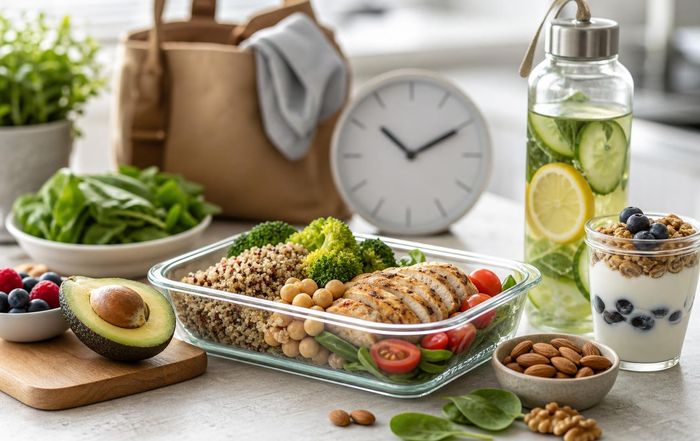
In the midst of intense workloads, back-to-back meetings, and frequent travel, nutrition is often relegated to an afterthought, with many professionals relying on irregular meals, convenience foods, and stimulants to get through the day. Yet evidence from organizations such as the World Health Organization, the European Food Safety Authority, and Dietitians of Canada underscores the profound impact of nutrition on cognitive function, emotional regulation, and long-term health. Learn more about science-based dietary guidance through Dietitians of Canada. Diets that emphasize whole foods, adequate protein, healthy fats, fiber, and micronutrient diversity support sustained concentration, stable energy, and resilience to stress, all of which are critical for ambitious lifestyles.

For globally mobile professionals who work across time zones-from New York to London, Dubai, Singapore, and Sydney-intentional nutrition planning can serve as a quiet but powerful performance strategy. Planning balanced breakfasts, staying consistently hydrated, moderating caffeine intake, and limiting ultra-processed snacks can reduce energy crashes, mood swings, and decision fatigue. Traditional dietary patterns such as the Mediterranean diet, Japanese washoku, and various plant-forward cuisines in Latin America offer instructive examples of how nourishment, social connection, and pleasure can coexist.

Within the HerStage community, the Food and Health sections highlight realistic ways to integrate nourishing meals into busy schedules without resorting to rigid rules or guilt-driven narratives. The underlying message is that food is a form of infrastructure for ambition, not a peripheral concern, and that treating nutrition as a strategic asset enhances every other dimension of professional and personal life.

Learning, Growth, and Education as Balanced Endeavors

Ambitious women often share a deep commitment to continuous learning, whether through advanced degrees, professional certifications, executive education, or self-directed study. In a world where technologies and market dynamics evolve rapidly, lifelong learning has become a cornerstone of career resilience and mobility. Platforms such as Coursera and edX, alongside leading universities including MIT, Oxford, and National University of Singapore, provide flexible learning pathways that enable professionals to upskill without stepping entirely away from their careers. Learn more about global perspectives on the future of education and work through resources from UNESCO.

Yet balance is as important in education as it is in work. Overloading on courses, constantly pursuing the next credential, or equating self-worth with academic achievement can replicate the same patterns of overextension that appear in work-centric ambition. A more balanced approach to learning involves aligning educational choices with long-term objectives, intrinsic interests, and realistic capacity, while allowing space for reflection and application. This might mean alternating periods of intensive study with phases focused on implementing new skills, or weaving micro-learning into daily routines instead of stacking multiple parallel commitments.

For HerStage readers, education extends beyond formal institutions to include mentorship, peer networks, coaching, and personal development. The Education and Self-Improvement sections explore how to cultivate knowledge and capability while maintaining mental health, honoring family responsibilities, and preserving time for rest and creativity. In this framing, learning becomes a lifelong companion to ambition rather than a relentless race, supporting both career advancement and a richer, more reflective inner life.

Global Perspectives on Balance and Ambition

The relationship between ambition and balance is not uniform across geographies; it is shaped by cultural norms, policy frameworks, and economic conditions. In Nordic countries such as Sweden, Norway, Denmark, and Finland, robust social safety nets, extensive parental leave policies, and cultural norms that value work-life integration have created environments where ambitious careers can more readily coexist with family life and personal time. Organizations such as the OECD and the World Economic Forum frequently highlight these countries as examples of how structural support can drive both high female labor participation and relatively high levels of life satisfaction. Learn more about comparative work-life policies and gender equality through reports from the OECD.

In contrast, professionals in the United States, South Korea, Japan, and parts of China often operate in cultures where long working hours, intense competition, and expectations of constant availability remain deeply embedded. Yet even in these contexts, a gradual shift is underway, driven by demographic change, talent shortages, and growing awareness of mental health. Companies in technology, finance, and professional services are experimenting with hybrid work models, protected focus time, and expanded psychological support, informed by research from organizations such as Gallup and Deloitte that link well-being to engagement, innovation, and retention. Learn more about the business case for employee well-being through analysis from Deloitte Insights.

In emerging markets across Africa, South America, and Southeast Asia, ambitious lifestyles are shaped by rapid urbanization, evolving gender norms, and expanding access to education and digital tools. Women in cities such as Lagos, Nairobi, Bangkok, and Kuala Lumpur are increasingly visible as founders, executives, and cultural leaders, often navigating limited infrastructure for childcare, healthcare, and financial inclusion. For these women, balance may involve complex negotiations with extended family structures, community expectations, and global career aspirations. The World section of HerStage regularly explores these diverse experiences, inviting readers to situate their own pursuit of balance within a broader global tapestry.

Designing a Personally Balanced Ambitious Life

Ultimately, the strategic importance of balance in ambitious lifestyles lies in its deeply individual character. There is no universal formula, because each woman brings a unique constellation of values, responsibilities, aspirations, health considerations, and cultural influences. For one person, balance might mean structuring entrepreneurial work around caregiving in a way that preserves both professional growth and family presence. For another, it might involve crafting a corporate role that leaves space for artistic practice, activism, or community leadership. For yet another, particularly someone navigating chronic illness, caregiving across generations, or recovery from burnout, balance may center on honoring physical limits while keeping room for gradual, intentional progress.

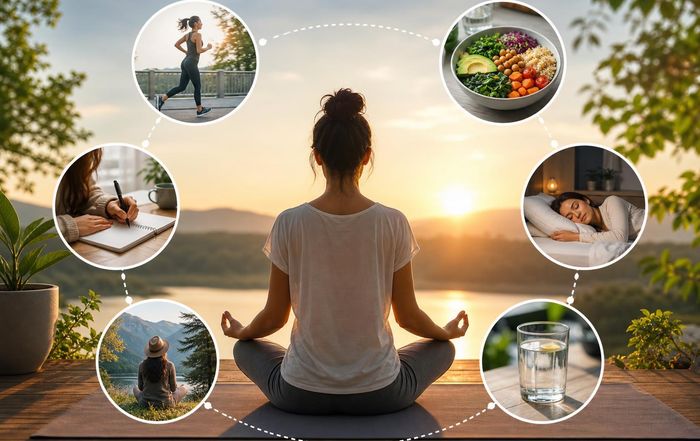
What unites these varied paths is the recognition that ambition divorced from balance is ultimately self-defeating, while ambition supported by balance becomes a powerful, enduring force. By aligning goals with personal values, protecting physical and mental health, cultivating emotional resilience, and embracing mindful presence, ambitious women can build lives that are not only impressive externally but also deeply satisfying internally. For the HerStage community, this means engaging with the platform's interconnected spaces-from Women and Lifestyle to Mindfulness and Business-as a living library and reflective mirror, supporting each reader in defining her own version of a life well-lived.

As 2026 continues to unfold, with accelerating technological change, geopolitical complexity, and cultural transformation, the capacity to pursue ambitious goals without losing oneself is emerging as a critical dimension of leadership and self-mastery. Balance is not the opposite of ambition; it is the architecture that allows ambition to endure, adapt, and contribute meaningfully over time, both to the world and to the women who are reshaping it.

Leadership Habits Women Develop Through Experience

Last updated by Editorial team at herstage.com on Saturday 10 January 2026
Article Image for Leadership Habits Women Develop Through Experience

Leadership Habits Women Develop Through Experience in 2026

Women's Leadership in 2026: From Margin to Mandate

By 2026, women's leadership has moved decisively from the margins of corporate and public discourse to the center of how organizations, governments, and communities think about strategy, resilience, and long-term value creation. Across North America, Europe, Asia, Africa, and South America, women at every level of influence are demonstrating that leadership is not merely a collection of traits but a set of habits built over time through lived experience, critical reflection, and deliberate practice. On HerStage, this evolution is not treated as a distant trend report; it is the daily reality reflected in interviews, analysis, and guidance for women navigating leadership in boardrooms, startups, public institutions, creative industries, and community organizations.

The global context in 2026 is defined by accelerated technological change, geopolitical tension, climate urgency, and shifting expectations around work, wellbeing, and equity. Leaders are expected to navigate artificial intelligence adoption, hybrid work models, supply chain fragility, and social polarization while still delivering performance. In this environment, the leadership habits women develop through experience-often forged in the crucible of bias, underestimation, and competing responsibilities-are proving especially effective. Institutions such as McKinsey & Company and platforms like Harvard Business Review continue to demonstrate that gender-diverse leadership teams are correlated with stronger financial performance, greater innovation, and more resilient cultures, while organizations such as the OECD and the World Bank underscore the macroeconomic benefits of women's full participation in leadership and the workforce.

For the audience of HerStage, which spans the United States, United Kingdom, Germany, Canada, Australia, France, Italy, Spain, Netherlands, Switzerland, China, Sweden, Norway, Singapore, Denmark, South Korea, Japan, Thailand, Finland, South Africa, Brazil, Malaysia, and New Zealand, leadership is not an abstract aspiration. It is intertwined with lifestyle choices, career decisions, wellbeing, and identity. The habits explored here are drawn from that lived intersection, aligning with the platform's focus on leadership, career, self-improvement, health, business, and world, and are presented as a practical, experience-based roadmap for women who are leading today and those preparing to lead tomorrow.

Strategic Self-Awareness Refined by Real-World Experience

Among the most distinctive habits women cultivate over time is a form of strategic self-awareness that is sharpened by continuous exposure to feedback, visible and invisible barriers, and complex stakeholder expectations. In many organizations, especially in sectors such as finance, technology, manufacturing, and politics, women still find their expertise questioned more quickly, their authority tested more frequently, and their mistakes remembered longer than those of their male counterparts. While this reality is unjust, it has also driven many women leaders to adopt a disciplined approach to understanding how they are perceived, how they influence others, and how they can align their authentic selves with strategic objectives.

This habit goes far beyond generic introspection. It blends emotional intelligence, political acumen, and data-informed reflection. Leaders increasingly draw on resources from experts like Daniel Goleman, whose work on emotional intelligence remains influential, and on research synthesized by the American Psychological Association to understand the interplay between self-awareness, bias, and decision-making. Over time, experienced women leaders learn to invite candid feedback from mentors, peers, and teams, to treat resistance as information rather than a personal indictment, and to differentiate between feedback that reveals genuine growth opportunities and feedback that simply reflects stereotypes or discomfort with their authority.

On HerStage, this habit is visible in stories of women who have turned early experiences of being underestimated into a disciplined practice of reflection, course correction, and strategic positioning. Readers are encouraged, through content in self-improvement and mindfulness, to develop their own reflective routines-journaling after key meetings, reviewing patterns in performance evaluations, or using coaching frameworks-to ensure that self-awareness becomes a leadership asset rather than a source of self-doubt.

Communication That Blends Clarity, Empathy, and Authority

Over years of navigating negotiations, performance reviews, crisis briefings, and cross-cultural collaboration, many women leaders develop a communication habit that combines clarity, empathy, and authority in a way that is particularly suited to the complexity of 2026. Hybrid and remote work have made clear, intentional communication indispensable, while globalized teams mean that cultural nuance and emotional intelligence are no longer optional. Women who have had to assert their credibility in skeptical environments learn to speak with precision, to ground their arguments in data and outcomes, and to anticipate the emotional undercurrents in the room.

This communication habit is not about softening messages to be more palatable; it is about increasing impact. Organizations such as the Center for Creative Leadership and the Chartered Management Institute emphasize that leaders who can combine empathy with directness build higher levels of trust and accountability. Many experienced women leaders prepare rigorously for high-stakes conversations, mapping stakeholder interests, aligning their talking points with organizational strategy, and crafting narratives that connect facts to purpose. They use storytelling to humanize data, drawing on their own journeys or those of their teams to make complex decisions understandable and compelling.

Within HerStage's leadership and career coverage, readers encounter examples of women who have transformed tense boardroom confrontations, restructuring announcements, or cross-border negotiations into defining leadership moments by communicating with a tone that is both firm and humane. This habit equips them to lead through uncertainty, to de-escalate conflict without avoiding hard truths, and to ensure that their vision is not only heard but understood and acted upon.

Networks as Strategic Ecosystems Rather Than Social Extras

As women progress through different career stages and life transitions, they often come to view networks not as optional social add-ons but as strategic ecosystems that underpin their influence, resilience, and access to opportunity. In many countries, informal power networks-formed on golf courses, in private clubs, or within long-standing alumni circles-have historically excluded women and other underrepresented groups. Through experience, women leaders learn that waiting to be invited into these circles is rarely sufficient; instead, they cultivate broad, diverse, and purpose-driven networks that cross industries, geographies, and hierarchies.

These networks are built on reciprocity and long-term value rather than transactional exchanges. Digital platforms such as LinkedIn and professional communities like LeanIn.Org have made it easier to connect across borders and sectors, while research from the Kellogg School of Management highlights how diverse networks contribute to innovation and career advancement. Experienced women leaders intentionally seek out mentors, sponsors, and peers who challenge their thinking, open doors to new arenas, and provide candid perspectives during pivotal decisions. They also invest time in nurturing these relationships, knowing that trust is built through consistency and contribution, not sporadic outreach when a favor is needed.

On HerStage, network-building is framed as a leadership discipline that touches multiple dimensions of life and work. Articles across business, world, and lifestyle explore how women in sectors ranging from technology and finance to fashion and media in cities like New York, London, Berlin, Singapore, and Johannesburg are creating their own ecosystems of support and influence. This habit enables women to navigate organizational politics more effectively, to spot emerging opportunities earlier, and to avoid the isolation that can accompany senior roles.

Resilience and Adaptive Recovery from Setbacks

Leadership experience inevitably includes failure, disappointment, and public scrutiny. For women, these setbacks are often experienced against a backdrop of persistent stereotypes about competence, ambition, or emotional resilience, which can magnify the perceived cost of visible mistakes. Over time, many women leaders cultivate a habit of resilience that is both psychological and strategic: they learn to process setbacks without being defined by them, to extract insight from adversity, and to recalibrate their path without abandoning their long-term vision.

This adaptive resilience is supported by an increasing body of research on mental health and performance. Guidance from institutions such as Mayo Clinic and the World Health Organization emphasizes the role of cognitive reframing, social support, and healthy routines in recovering from stress and burnout. Experienced women leaders learn to distinguish between what is within their span of control and what is not, to protect their time and energy during crises, and to normalize conversations about failure within their teams. Rather than hiding missteps, they often use them as learning case studies, signaling that intelligent risk-taking is valued and that setbacks are part of growth rather than evidence of inadequacy.

On HerStage, resilience is discussed not as a vague character trait but as a portfolio of habits that intersect with health, mindfulness, and self-improvement. Articles highlight how women leaders in countries such as Italy, Spain, South Korea, and Brazil manage the emotional aftermath of public criticism, restructure careers after layoffs or failed ventures, and re-enter leadership after caregiving breaks. This framing reinforces that resilience is not stoic endurance but an active, learned capacity to recover, adapt, and continue leading with clarity.

Inclusive Decision-Making and Collaborative Authority

With experience, many women leaders develop a habit of decision-making that is both inclusive and decisive, challenging the outdated notion that collaboration signals weakness or indecision. Having often been excluded from key conversations earlier in their careers, they are acutely aware of the cost of missing perspectives and the risks of groupthink. As a result, they intentionally design processes that invite diverse input while maintaining clear accountability for final decisions.

Research from institutions such as the Massachusetts Institute of Technology and Stanford University has shown that diverse teams, when managed effectively, are more innovative and better at solving complex problems. Women leaders translate these insights into practice by creating psychologically safe environments where team members can voice dissenting views, by using structured techniques such as pre-mortems and scenario planning, and by ensuring that decisions are communicated with transparent rationales. They are also disciplined about closing loops: once perspectives have been considered, they make and own decisions, rather than allowing processes to drift indefinitely in the name of consensus.

On HerStage, inclusive decision-making is profiled across domains from sustainable fashion and ethical food production to fintech and public policy, reflecting the platform's broad lens on business, food, and world. Readers see how leaders in France, Netherlands, Singapore, and South Africa are using collaborative authority to drive innovation while strengthening engagement and trust. The habit is presented as both a moral commitment to equity and a strategic response to a world where no single leader can hold all the relevant knowledge.

Continuous Learning and Skill Reinvention Across Life Stages

In 2026, when artificial intelligence, automation, and new business models are reshaping industries at unprecedented speed, experienced women leaders consistently demonstrate a habit of continuous learning and skill reinvention. Many have navigated non-linear careers-changing sectors, relocating across continents, or returning from career breaks-and have learned that relevance and credibility are sustained not by static credentials but by ongoing learning.

This habit is supported by the explosion of high-quality digital education. Platforms such as Coursera, edX, and MIT OpenCourseWare enable leaders in Canada, Australia, Japan, Malaysia, and beyond to deepen expertise in areas like data analytics, sustainability, behavioral economics, or inclusive leadership without leaving their roles. Executive programs at institutions like INSEAD, London Business School, and Harvard Business School further provide opportunities to step back, reframe challenges, and build global peer networks.

On HerStage, the education and career sections highlight women who have re-skilled into emerging fields such as climate tech, digital health, and impact investing, as well as those who have leveraged new learning to strengthen their leadership within existing sectors. The habit of continuous learning is presented as an expression of humility and ambition combined: a recognition that no leader is ever finished and that staying curious is a core component of long-term authority.

Purpose-Driven Leadership and Values-Based Choices

Over time, many women leaders shift from a narrow focus on individual advancement to a broader orientation toward purpose and values-based decision-making. This evolution is reinforced by global expectations around environmental, social, and governance (ESG) performance, as investors, employees, regulators, and communities demand more transparency and responsibility from organizations. Women, who often carry lived experience of inequity or exclusion, are frequently at the forefront of integrating purpose into business models, governance structures, and organizational cultures.

Frameworks from the United Nations Global Compact and the World Economic Forum provide reference points for aligning strategy with the Sustainable Development Goals, human rights principles, and climate commitments. Experienced women leaders use these frameworks not as public relations tools but as decision filters, asking how choices will affect workers in supply chains, local communities, and future generations. They are often willing to challenge short-term profit priorities when these conflict with long-term sustainability or ethical standards, even at personal career risk.

On HerStage, purpose-driven leadership appears in coverage of business, women, and world, featuring leaders who are reshaping industries from renewable energy and circular fashion to inclusive finance and responsible technology. The habit of aligning leadership decisions with deeply held values is presented as a source of clarity in complex trade-offs and as a foundation for trust with employees and stakeholders who increasingly expect leaders to stand for something beyond quarterly results.

Intentional Wellbeing as a Strategic Leadership Practice

Experience has taught many women leaders that chronic overwork and self-neglect are not signs of commitment but threats to judgment, creativity, and long-term health. In the aftermath of global health crises and ongoing economic volatility, wellbeing has moved from a personal concern to a strategic leadership priority. Women who have navigated burnout, caregiving pressure, or health challenges often develop a habit of intentionally designing their lives and work in ways that protect their capacity to lead.

Research from institutions such as Johns Hopkins Medicine and the National Institutes of Health underscores the impact of sleep, nutrition, movement, and mental health care on cognitive performance and emotional regulation. Experienced women leaders respond by setting clearer boundaries around availability, normalizing flexible work arrangements, and modeling behaviors such as taking vacations, seeking therapy or coaching, and saying no to non-essential commitments. They recognize that their choices set cultural norms; when leaders ignore their own wellbeing, teams often feel compelled to do the same.

On HerStage, the intersection of health, lifestyle, and mindfulness is explored through the lens of leadership, highlighting practices adopted by women in Norway, Finland, New Zealand, and United States who are redefining high performance to include rest, reflection, and recovery. This habit is especially crucial for women balancing leadership with caregiving for children, aging parents, or extended family, a pattern common in many cultures across Asia, Europe, and Africa.

Authentic Visibility and Thoughtful Personal Brand Stewardship

As their careers progress, women leaders increasingly recognize that visibility is not vanity; it is a lever for influence, opportunity, and systemic change. Historically, social norms in many cultures discouraged women from self-promotion, framing it as boastful or inappropriate. In the digital era, however, leaders who remain invisible risk having their contributions overlooked and their narratives written by others. Through experience, many women develop a habit of intentional, authentic visibility-curating how they show up in public spaces, both online and offline, in ways that reflect their values and expertise.

Professional platforms such as LinkedIn, along with media outlets like Forbes and Fast Company, offer avenues for women to share insights, publish thought leadership, and shape conversations in their industries. Experienced leaders learn to articulate a coherent personal narrative that connects their background, purpose, and current work, while avoiding the trap of performative branding that feels disconnected from reality. They are strategic about where to appear, what to say, and how to engage, ensuring that visibility serves both their own careers and the broader communities they represent.

HerStage itself functions as a platform for such visibility, especially in areas like beauty, glamour, fashion, and business, where cultural narratives about women are often narrowly defined. By amplifying diverse stories of leadership-from CEOs and founders to activists, educators, and creatives-the platform demonstrates how authentic visibility can expand the range of what leadership looks like. The habit of thoughtful personal brand stewardship allows women to counter stereotypes, open doors for others, and ensure that their hard-won experience translates into broader impact.

Mentoring, Sponsorship, and Systemic Legacy-Building

With time, many women leaders move from focusing primarily on their own advancement to investing intentionally in the success of others and in reshaping the systems around them. Mentoring and sponsorship become central leadership habits: mentoring through guidance and honest feedback, sponsorship through active advocacy in rooms where advancement decisions are made. Leaders who remember the difference a single advocate made in their own trajectory are often motivated to play that role for emerging talent, particularly women and individuals from underrepresented backgrounds.

Organizations such as Catalyst, LeanIn.Org, and the International Labour Organization have documented how mentoring and sponsorship accelerate progress toward gender equity and more inclusive workplaces. Experienced women leaders go further by asking how they can leave a structural legacy: influencing promotion criteria, advocating for parental leave and flexible work policies, supporting pay equity audits, and backing leadership development programs that reach beyond the usual talent pools. They understand that individual success stories, while inspiring, are insufficient without systemic change.

On HerStage, mentoring and sponsorship are portrayed as core components of responsible leadership rather than optional acts of generosity. Coverage across leadership, guide, and women emphasizes concrete practices: setting aside time for regular mentoring conversations, using one's reputation to endorse emerging leaders, and challenging biased processes in recruitment and evaluation. This habit ensures that the progress made by one generation of women leaders becomes a foundation rather than an exception for those who follow.

HerStage as a Partner in Shaping the Next Chapter of Women's Leadership

In 2026, the leadership habits women develop through experience are reshaping organizations, industries, and societies. Strategic self-awareness, empathetic yet authoritative communication, ecosystem-based networking, adaptive resilience, inclusive decision-making, continuous learning, purpose-driven choices, intentional wellbeing, authentic visibility, and systemic legacy-building together form a powerful, experience-informed model of leadership. These habits are not confined to a single country, sector, or age group; they are emerging from the lived realities of women in United States, United Kingdom, Germany, Canada, Australia, France, Italy, Spain, Netherlands, Switzerland, China, Sweden, Norway, Singapore, Denmark, South Korea, Japan, Thailand, Finland, South Africa, Brazil, Malaysia, New Zealand, and across the interconnected landscapes of Global business and civic life.

HerStage stands as both chronicler and catalyst in this transformation. By curating in-depth content across leadership, career, self-improvement, lifestyle, and business, the platform offers women a space to see their own experiences reflected, to learn from peers across borders, and to translate insight into action. It emphasizes Experience, Expertise, Authoritativeness, and Trustworthiness not as abstract editorial standards but as the lived qualities that define sustainable leadership.

For every reader, whether leading a multinational organization, a fast-growing startup, a public institution, a creative enterprise, or a local community initiative, the message is consistent: leadership is not bestowed by title; it is built through habits. Those habits are refined every day-through choices about how to respond to bias, how to use one's voice, how to recover from disappointment, how to keep learning, how to care for one's wellbeing, and how to lift others while climbing. As women continue to step onto and reshape the global stage of leadership, HerStage remains committed to providing the insight, context, and inspiration that help those habits take root and flourish.

In that ongoing journey, the experience of women is not a side note to leadership; it is one of its most powerful sources of innovation, resilience, and hope.

Global Beauty Rituals That Celebrate Individuality

Last updated by Editorial team at herstage.com on Saturday 10 January 2026
Article Image for Global Beauty Rituals That Celebrate Individuality

Global Beauty Rituals That Celebrate Individuality in 2026

A Global Stage Where Beauty and Identity Converge

In 2026, beauty has fully stepped beyond the confines of a single aesthetic ideal and emerged as a sophisticated language through which women articulate identity, culture, ambition, and wellbeing. Across continents, women are reclaiming ancestral rituals, refining science-led routines, and experimenting with creative self-expression, not as a superficial exercise but as a deliberate strategy for living, leading, and working with confidence. For HerStage, whose audience spans the United States, Europe, Asia, Africa, and the wider world, beauty is inseparable from lifestyle, leadership, and personal evolution, and it is within this interconnected context that global rituals take on their richest meaning.

This shift is unfolding alongside profound changes in the global beauty industry. Major corporations such as L'Oréal Group, Estée Lauder Companies, Unilever, and Shiseido are under sustained pressure from consumers and regulators to prioritize diversity, transparency, and sustainability over airbrushed perfection and opaque marketing. Industry research from platforms like McKinsey & Company continues to document how Gen Z and younger millennials in North America, Europe, and Asia demand inclusive shade ranges, clear ingredient disclosures, and verifiable commitments to climate and social impact. At the same time, medical and scientific institutions, including the Mayo Clinic and Harvard Health Publishing, reinforce the understanding that skin and hair health are deeply entwined with sleep, stress, hormones, and nutrition, further underscoring that beauty rituals are most powerful when they support holistic wellbeing rather than chase unattainable ideals.

Within this global redefinition, HerStage has become a curated home for women who want to integrate beauty into broader journeys of self-improvement, leadership, and mindful living. Readers exploring sections such as Beauty, Lifestyle, and Mindfulness encounter beauty not as an isolated topic but as part of a wider ecosystem that includes mental health, career strategy, and cultural awareness. In this environment, rituals from Seoul, Lagos, Stockholm, Dubai, and beyond are not simply trends; they are tools that help women feel seen, grounded, and ready to step into demanding roles across boardrooms, studios, classrooms, and public life.

From Narrow Ideals to Nuanced Self-Expression

For much of the twentieth century and well into the early 2000s, global beauty standards were largely exported from Western media centers in the United States and Europe, with film, television, and advertising projecting narrow norms around skin tone, body shape, hair texture, and age. Research and commentary from organizations such as the World Economic Forum have shown how these norms reinforced gender stereotypes and contributed to self-doubt, particularly among women who did not see their features reflected in aspirational imagery or leadership roles. The rise of social media, streaming platforms, and creator-led content transformed this landscape, enabling women from Lagos to London, Bangkok to Berlin, to broadcast their own rituals, philosophies, and innovations, thereby challenging the dominance of a single narrative.

Independent brands founded by women of color, Indigenous entrepreneurs, and innovators from emerging markets have been at the forefront of this evolution. Outlets such as Forbes Women and the Business of Fashion continue to profile founders who draw on regional traditions in Africa, Asia, Latin America, and the Middle East, translating practices such as oil cleansing, herbal haircare, and plant-based healing into contemporary product lines that resonate globally. For HerStage readers who follow the Business and Women sections, these stories illuminate how beauty entrepreneurship intersects with funding access, representation in global retail, and the broader movement to redistribute power within the industry.

Simultaneously, consumers have become more informed and discerning. Resources from the American Academy of Dermatology and NIH's MedlinePlus allow individuals to research ingredients, understand conditions such as rosacea or hyperpigmentation, and evaluate marketing claims against peer-reviewed evidence. This convergence of cultural heritage, digital transparency, and scientific literacy has created a new paradigm in which beauty routines are highly individualized, grounded in personal experience yet anchored in credible expertise. On HerStage, this alignment between experience, expertise, authoritativeness, and trustworthiness is central; beauty coverage is designed to support informed experimentation rather than passive consumption.

Asia: Precision, Harmony, and Technological Edge

Across Asia, beauty rituals continue to reflect deep-rooted philosophies of balance, longevity, and respect for the skin as a living organ. South Korea and Japan remain influential centers of innovation, yet their global reach has not diluted the local emphasis on prevention, hydration, and gentle care. The global popularity of K-beauty and J-beauty, extensively chronicled by publications such as Vogue and Allure, has introduced concepts such as double cleansing, essences, ampoules, and fermented ingredients to audiences in North America, Europe, the Middle East, and Australia, while reinforcing the non-negotiable role of daily sun protection as a health imperative rather than a cosmetic afterthought.

In South Korea, beauty is closely intertwined with pop culture and the entertainment industry, where skincare routines may span multiple steps yet are increasingly streamlined in response to consumer fatigue and environmental concerns. Lightweight serums, barrier-supporting creams, and innovative textures are developed through close collaboration between cosmetic chemists, dermatologists, and major corporations such as Amorepacific, then rapidly exported to the United States, the United Kingdom, Southeast Asia, and the Gulf region. Japanese rituals often favor a quieter refinement, focusing on oil-based cleansers, rice-derived actives, and meticulous massage techniques that support microcirculation and lymphatic drainage. Those seeking to understand the scientific rationale for sun care and aging can consult evidence-based resources from the Skin Cancer Foundation, which continues to emphasize broad-spectrum protection as a cornerstone of skin health.

Beyond East Asia, Southeast Asian countries such as Thailand, Malaysia, and Indonesia draw on rich botanical traditions that integrate turmeric, lemongrass, pandan, and tamarind into spa therapies, herbal compresses, and hair rituals. In these contexts, beauty is inseparable from hospitality and spirituality, with wellness retreats combining massage, meditation, and plant-based treatments to restore both body and mind. For HerStage readers, particularly those navigating high-pressure careers in Singapore, Bangkok, or global hubs like London and New York, this integrated approach aligns with content in the Health and Mindfulness sections, where beauty is framed as a daily practice of nervous-system regulation and self-respect rather than an occasional indulgence.

Europe: Craftsmanship, Regulation, and Conscious Luxury

Europe's beauty landscape in 2026 is defined by a blend of heritage craftsmanship, rigorous regulation, and a decisive turn toward sustainability. The European Union's regulatory framework, overseen by institutions such as the European Commission, has long enforced strict safety standards for cosmetic ingredients, influencing how products are formulated and labeled not only in France, Germany, Italy, Spain, and the Netherlands, but also in markets that look to the EU as a benchmark. European consumers have grown accustomed to detailed ingredient lists, allergen disclosures, and clear claims, a level of transparency that builds trust and encourages critical engagement with marketing narratives.

In France, beauty rituals often combine pharmacy-grade skincare, thermal water therapies, and a minimalist approach to makeup that privileges radiance and texture over heavy coverage. Legacy houses such as Chanel, Dior, and Lancôme coexist with a new wave of niche and "clean" brands experimenting with refillable packaging, upcycled ingredients, and carbon-accounted supply chains. In Italy and Spain, the influence of the Mediterranean diet, rich in olive oil, leafy greens, tomatoes, and seafood, underscores the role of nutrition in supporting skin elasticity and hair strength. Readers who wish to understand the link between diet and appearance can explore guidance from the Academy of Nutrition and Dietetics on nutrient-dense eating patterns that promote long-term health.

Northern Europe has given rise to the "Scandi beauty" movement, rooted in the values of simplicity, functionality, and environmental stewardship. In Sweden, Norway, Denmark, and Finland, routines frequently revolve around gentle cleansing, fragrance-light moisturizers, and targeted protection against wind, cold, and low humidity, while brands prioritize recyclable materials and responsible sourcing from local forests and marine environments. These practices resonate strongly with HerStage readers who follow global developments in the World and Lifestyle sections, where climate action, circular economies, and sustainable fashion are treated as integral to modern glamour rather than peripheral concerns.

Africa: Ancestral Wisdom and Economic Empowerment

Across Africa, beauty rituals are deeply grounded in ancestral knowledge, community networks, and a sophisticated understanding of local ecosystems. From West Africa's shea butter and African black soap to North Africa's argan oil and rhassoul clay, these ingredients have sustained skin and hair health for generations and now anchor global product lines. Organizations such as the African Union and international development agencies highlight how women-led cooperatives in Ghana, Burkina Faso, and Morocco are central to harvesting and processing these materials, generating income, preserving biodiversity, and negotiating fairer terms in international trade. The World Bank continues to document how such value chains can advance gender equality and rural development.

In West Africa, unrefined shea butter remains a daily staple, applied to protect skin from dryness and to nourish tightly coiled hair textures. African black soap, crafted from plantain skins, cocoa pods, and local oils, offers gentle exfoliation and has become widely adopted in North America and Europe as consumers seek effective, low-additive cleansers. In North African hammam culture, rituals of steam, exfoliation with kessa gloves, and mineral-rich clay masks are as much about social connection and spiritual cleansing as about physical renewal. For HerStage readers, these practices mirror the platform's emphasis on beauty as a communal and intergenerational experience, something particularly evident in Women profiles that spotlight how rituals are passed down and reinterpreted across time.

In South Africa, Kenya, Nigeria, and other rapidly urbanizing hubs, beauty narratives increasingly foreground natural hair, sun protection for deeper skin tones, and the dismantling of colorist ideals. Local brands and content creators challenge imported standards, celebrating locs, afros, braids, and protective styles as expressions of professionalism and creativity rather than obstacles to advancement. On HerStage, the Career and Leadership sections often intersect with these conversations, showcasing founders and executives who build businesses rooted in African ingredients and aesthetics while competing on a global stage.

The Americas: Identity, Innovation, and Cultural Fusion

In North and South America, beauty rituals reflect a vibrant interplay of Indigenous traditions, immigrant cultures, and the powerful influence of entertainment and social media. In the United States and Canada, the last decade has seen an acceleration of inclusion efforts, with major retailers and brands expanding shade ranges, diversifying campaign imagery, and investing in research on conditions that disproportionately affect women of color, such as melasma and traction alopecia. The psychological impact of positive representation is well-documented by organizations such as the American Psychological Association, which notes that when women see their features and stories reflected in aspirational spaces, their sense of self-worth and belonging can increase measurably.

Latina, Afro-Latina, and Indigenous communities play a transformative role in shaping North and South American beauty cultures. In Brazil, rituals often celebrate body confidence and sensuality while relying on ingredients such as babassu oil to support elasticity, shine, and resilience. In Mexico and across the Andean and Amazonian regions, traditional knowledge informs the use of aloe, cacao, calendula, and clay in at-home masks and hair treatments, bridging ancestral remedies with modern formulations. Analyses from UNESCO on intangible cultural heritage underscore the importance of recognizing and protecting these practices as part of global cultural diversity, rather than appropriating them without acknowledgment or fair compensation.

The United States remains a major hub for cosmetic technology, dermatologic procedures, and biotech-driven skincare, with institutions such as the Cleveland Clinic and Johns Hopkins Medicine contributing to advances in laser therapy, non-invasive tightening, and personalized regimens informed by genetics, hormone profiles, and microbiome research. For professional women navigating demanding roles in finance, technology, law, media, and healthcare, these innovations offer targeted ways to address concerns such as hyperpigmentation, acne, or stress-related aging without resorting to aggressive interventions. On HerStage, these themes intersect with the Self-Improvement and Guide sections, where readers are encouraged to integrate medical advice, lifestyle changes, and realistic expectations into their approach to cosmetic procedures.

The Middle East and South Asia: Opulence, Spirituality, and Ritual Care

In the Middle East and South Asia, beauty rituals are often interwoven with spiritual practices, hospitality codes, and ceremonial life. In the Gulf region, including the United Arab Emirates, Saudi Arabia, and Qatar, women frequently blend global cosmetic trends with long-established customs that prioritize fragrance, haircare, and meticulous makeup artistry. Ouds, attars, and bakhoor form complex scent rituals that signify identity and status, while kohl, henna, and richly pigmented lip and eye products connect contemporary looks to centuries-old traditions. Analyses from UN Women highlight how evolving gender norms, education levels, and labor force participation in these societies are reshaping how women present themselves in public and professional spaces, balancing modesty preferences with self-expression.

In India, Pakistan, Bangladesh, and Sri Lanka, Ayurvedic and Unani systems continue to shape everyday beauty. Ingredients such as turmeric, neem, tulsi, sandalwood, and amla are incorporated into masks, oils, and hair treatments designed not only to enhance appearance but to balance doshas and support long-term health. Multi-day bridal rituals, which may include exfoliation, massage, herbal baths, and hair oiling, are intended to calm the nervous system and prepare the bride emotionally as well as physically. The global spread of yoga and meditation, now supported by clinical research on stress reduction, reinforces the idea that inner equilibrium is reflected outwardly through posture, complexion, and overall vitality. Those wishing to integrate mindfulness into their routines can explore resources on breathwork and meditation from the Cleveland Clinic's integrative medicine guidance.

Across these regions, a new generation of women-led brands is emerging, focused on halal-certified formulations, modesty-friendly products, and solutions tailored to regional climates and cultural expectations. For HerStage readers, particularly those following the Education and Guide sections, these developments offer nuanced perspectives on how faith, tradition, and global entrepreneurship can coexist in a modern beauty ecosystem.

Wellness, Science, and the Inner Infrastructure of Beauty

Despite the diversity of rituals across continents, a unifying theme in 2026 is the recognition that outward appearance is closely tied to internal health, emotional resilience, and daily habits. The World Health Organization continues to highlight the global burden of non-communicable diseases, mental health challenges, and lifestyle-related conditions, many of which manifest visibly on the skin and hair through inflammation, dullness, or thinning. As a result, more women are reframing beauty as a form of preventive healthcare and self-maintenance, rather than a tool for masking fatigue or distress.

Scientific insights into the gut-skin axis, hormonal fluctuations, and chronic inflammation have driven increased attention to diet, movement, and sleep as foundational elements of any beauty routine. Resources from the National Institutes of Health and the Cleveland Clinic detail how micronutrients, hydration, and circadian rhythm alignment influence collagen synthesis, barrier function, and cellular repair. On HerStage, this integrative perspective is reflected across Food, Health, and Lifestyle coverage, where recipes, movement practices, and recovery strategies are presented as inseparable from skincare and makeup.

Mental wellbeing is another critical dimension. Organizations such as the National Alliance on Mental Illness emphasize that consistent self-care rituals, including grooming and skincare, can provide a sense of control, stability, and grounding, especially during periods of uncertainty or transition. For many women balancing work, caregiving, and personal aspirations across cities like New York, London, Berlin, Singapore, and Johannesburg, a morning or evening routine becomes a protected space to reconnect with the self, reset intentions, and signal readiness for the demands ahead. On HerStage, these themes are explored not as fleeting trends but as long-term strategies for building resilience and self-trust.

Professional Presence, Leadership, and the Politics of Appearance

For the global audience of HerStage, beauty is inextricably linked to professional presence and leadership. Research from the Harvard Business Review and similar outlets has consistently documented how grooming, attire, and non-verbal signals influence perceptions of competence, credibility, and authority, particularly for women operating in male-dominated sectors or cross-cultural environments. While it is important to acknowledge the unfair burden that appearance-based judgments place on women, it is equally important to recognize that many women use personalized beauty rituals as strategic tools for cultivating confidence and agency in high-stakes settings.

In corporate environments from New York and Toronto to Frankfurt, Singapore, and Sydney, women often calibrate their makeup, hair, and wardrobe to align with organizational culture while maintaining authenticity. Subtle, well-executed makeup may be chosen to project alertness in long meetings, while protective hairstyles, low-maintenance cuts, or natural textures can help manage time and reduce stress during demanding travel or caregiving periods. Entrepreneurs, politicians, and public figures frequently develop signature looks that reinforce their personal brand, making them more recognizable and memorable without compromising professionalism. Readers exploring Leadership and Career content on HerStage will find that executive presence is discussed holistically, with grooming and style treated as integral components of how women communicate expertise and values.

At the same time, there is increasing scrutiny of rigid dress codes and grooming standards that disproportionately disadvantage women and people from marginalized communities. Legal and policy frameworks referenced by bodies such as the Equal Employment Opportunity Commission and human rights organizations have begun to challenge discriminatory bans on natural hairstyles, religious head coverings, or culturally specific adornment. In this context, global beauty rituals that celebrate individuality become more than personal choices; they function as quiet forms of resistance and as assertions of the right to be fully oneself in professional and public life.

HerStage as a Trusted Home for Global Beauty Narratives

As global beauty rituals continue to evolve in 2026, HerStage positions itself as a trusted, experience-led platform where women can explore these practices with both curiosity and discernment. By weaving together perspectives from dermatology, psychology, entrepreneurship, cultural studies, and lived experience, HerStage offers a comprehensive view of beauty that aligns with readers' ambitions in business, education, and personal growth. Visitors who navigate Fashion, Glamour, and Beauty encounter stories that link aesthetics to identity and self-expression, while Self-Improvement and Guide provide structured frameworks for building routines that are sustainable, ethical, and attuned to individual needs.

In a digital environment saturated with unverified claims and fleeting trends, the platform's commitment to experience, expertise, authoritativeness, and trustworthiness is more than an editorial stance; it is a responsibility to readers who rely on HerStage to navigate choices that affect their health, finances, and sense of self. By highlighting credible medical resources, spotlighting founders with demonstrable track records, and honoring the cultural origins of rituals and ingredients, HerStage helps ensure that global beauty remains a space of respect rather than exploitation.

Ultimately, global beauty rituals that celebrate individuality do more than shape how women look; they reveal how women see themselves and how they intend to move through the world. Whether a reader in Los Angeles is inspired by Scandinavian minimalism, a professional in London embraces African haircare traditions, a founder in Singapore adopts Mediterranean nutrition principles, or a student in Johannesburg experiments with K-beauty skincare, each choice is an act of self-definition. On HerStage, these stories converge, offering a panoramic, deeply human portrait of how women across continents are using beauty not as a mask to hide behind, but as a mirror that reflects their heritage, their aspirations, and their evolving power on the global stage.

How to Cultivate Resilience in Daily Life

Last updated by Editorial team at herstage.com on Saturday 10 January 2026
Article Image for How to Cultivate Resilience in Daily Life

How Women Are Redefining Resilience in 2026

Resilience has evolved from a psychological buzzword into a strategic necessity for women navigating modern life and work. In 2026, professionals across the United States, Europe, Asia, Africa, and beyond are operating in an environment shaped by rapid technological disruption, geopolitical uncertainty, climate-related challenges, and shifting social norms. For the global community of women who turn to Herstage as a trusted space for insight, inspiration, and practical guidance, resilience is no longer viewed as a vague personality trait that some people simply possess; it is understood as a learnable, measurable, and highly personal capability that can be intentionally cultivated through daily choices, structured practices, and informed self-leadership.

On Herstage, resilience is not framed as stoic endurance or silent overwork. Instead, it is presented as the integrated capacity to remain grounded, ethical, creative, and healthy while pursuing ambitious goals in business, leadership, education, and personal life. Whether a reader is building a career in New York or London, launching a startup in Berlin or Singapore, advancing in public service in Ottawa or Canberra, or balancing caregiving responsibilities, the core question remains the same: how can she design a resilient life that honors her values, protects her wellbeing, and expands her impact?

A Modern Definition of Resilience

Traditional psychological definitions describe resilience as the ability to adapt well in the face of adversity, trauma, or significant stress. While accurate, such definitions do not fully capture the complexity of contemporary life for women who simultaneously manage careers, families, finances, and personal aspirations across different cultural contexts. Today, resilience must be understood as a dynamic, systemic capacity: the ability to maintain clarity of thought, emotional balance, and ethical integrity under pressure, while continuing to learn, perform, and grow over time.

Research from organizations like the American Psychological Association continues to show that resilience is influenced by multiple factors, including genetics, early life experiences, social support, and environment. Yet emerging findings also emphasize that resilience can be strengthened through deliberate practice and evidence-based strategies. Readers who explore how psychologists define resilience can see how concepts like cognitive flexibility, emotional regulation, and social connection translate into practical, everyday behaviors that support long-term flourishing.

For women, this modern understanding intersects with persistent structural realities. Across many regions, they still shoulder a disproportionate share of unpaid domestic and emotional labor while striving for advancement in competitive workplaces. The Herstage section dedicated to women's evolving roles and experiences underscores how resilience is shaped not only by individual mindset but also by societal expectations, workplace cultures, and policy frameworks. In this context, cultivating resilience becomes both a personal strategy and a quiet form of advocacy, enabling women to sustain their ambitions without sacrificing their health or identity.

The Psychological Architecture of Resilience

Resilience rests on an inner architecture composed of thoughts, emotions, and beliefs that influence how individuals interpret and respond to events. Cognitive science has consistently demonstrated that people who exhibit higher resilience tend to engage in flexible, adaptive thinking. They are more likely to interpret setbacks as specific and temporary rather than global and permanent, and they maintain a sense of agency even when external circumstances are constrained.

Institutions such as Harvard Medical School have highlighted that resilient individuals are not immune to stress, anxiety, or disappointment. Instead, they experience these emotions fully but recover more quickly because they possess effective coping strategies, supportive relationships, and a coherent sense of purpose. Learning more about how resilience protects mental health reveals that resilience is not about suppressing feelings, but about processing them in ways that preserve perspective and possibility.

Another crucial element is self-compassion. The work of Dr. Kristin Neff and others, frequently discussed by the Greater Good Science Center at the University of California, Berkeley, demonstrates that people who treat themselves with kindness during failure or difficulty are more likely to persist, learn, and improve. For women, who often internalize perfectionistic standards around career performance, caregiving, and appearance, self-compassion is not indulgence; it is a disciplined practice that protects against burnout and supports sustainable achievement. On Herstage, content devoted to self-improvement and inner growth translates these psychological insights into concrete exercises that readers can integrate into their routines.

Mindset, Identity, and the Stories Women Tell Themselves

Mindset shapes resilience by influencing how individuals interpret their abilities and potential. The concept of a growth mindset, developed by Dr. Carol Dweck and explored in depth at Stanford University, holds that when people believe their skills can be developed through effort, feedback, and learning, they respond to challenges with curiosity rather than defeat. This belief does not deny difficulty; instead, it reframes difficulty as a signal that growth is possible and worthwhile.

For many women, particularly those in male-dominated fields such as technology, engineering, finance, and advanced manufacturing, mindset is closely intertwined with identity. Internalized narratives like "I am not technical," "I am not a natural leader," or "I am not good with money" can subtly erode resilience by amplifying self-doubt and making normal setbacks feel like confirmation of inadequacy. Conversely, when women intentionally construct identities such as "lifelong learner," "adaptive leader," or "strategic decision-maker," they create psychological anchors that support resilient behavior during high-stakes negotiations, boardroom debates, or entrepreneurial pivots.

The Herstage focus on leadership and influence regularly features examples of women who have reframed their internal stories-from "imposter" to "emerging expert," from "supporting role" to "principal decision-maker." These shifts are not merely motivational slogans; they are cognitive reconfigurations that change how women interpret feedback, conflict, and uncertainty. As a result, they are more likely to seek mentorship, ask for resources, negotiate effectively, and persist through the inevitable volatility of modern careers.

Daily Micro-Practices That Build Psychological Strength

Resilience is rarely built through dramatic turning points alone. Instead, it accumulates through small, consistent practices that gradually reshape how the brain and body respond to stress. Neuroscientific research, including work shared by the National Institutes of Health, continues to confirm that the adult brain remains plastic; repeated patterns of thought and behavior can strengthen neural pathways associated with emotional regulation, attention, and problem-solving.

For many Herstage readers, the most effective resilience-building strategies are those that can be woven into already full schedules. Brief end-of-day reflections, for example, allow professionals in London, Toronto, or Singapore to step back from the urgency of their work and ask: What went well today? What challenged me? What did I learn? This structured reflection reduces unproductive rumination and reinforces a growth-oriented view of experience.

Journaling, even for ten minutes, can help externalize worries and clarify priorities. Over time, written records reveal patterns: recurring sources of stress, repeated strengths, and areas where boundaries need to be clarified. Paired with deliberate planning for the next day, these practices support a sense of control and preparedness, both of which are strongly linked to resilience.

Mindfulness-based techniques further deepen this foundation. The Herstage section on mindfulness and mental clarity explores accessible methods such as breath awareness, sensory focus, and short guided meditations that can be practiced on commutes, between meetings, or before sleep. Resources from platforms like Mindful.org offer additional guidance on how to begin a mindfulness practice and adapt it to different cultural or professional contexts. Over time, such practices strengthen the capacity to notice thoughts and emotions without immediately reacting to them, creating the mental space needed to choose more constructive responses.

Physical Wellbeing as a Strategic Asset

In 2026, the link between physical health and psychological resilience is better documented than ever. Global health authorities, including the World Health Organization, emphasize that mental health is inseparable from physical wellbeing. Chronic sleep deprivation, irregular meals, high sugar consumption, and long periods of inactivity impair cognitive function, emotional regulation, and decision-making, making it significantly harder to respond resiliently to everyday stressors.

For women working in demanding roles-from investment banking in New York to healthcare leadership in Stockholm or consulting in Singapore-treating the body as an afterthought is no longer viable. Regular movement, whether in the form of structured exercise, walking meetings, cycling commutes, or home-based workouts, has been shown to reduce anxiety, improve mood, and enhance executive function. Nutritious, balanced meals stabilize blood sugar and energy levels, supporting sustained concentration and emotional balance during long workdays.

On Herstage, coverage of health and wellness and food and nutrition is deliberately grounded in realistic scenarios. Rather than prescribing rigid regimens, the platform explores adaptable frameworks that can be customized for different cultures, time zones, and family structures. Readers in Paris, Cape Town, or Bangkok can find approaches that respect local cuisines and lifestyles while still aligning with evidence-based recommendations for long-term health. When physical care is reframed as a non-negotiable component of professional strategy, it becomes easier to protect sleep, movement, and nourishment from the endless demands of digital work.

The Power of Relationships, Community, and Networks

Resilience is often mischaracterized as an individual trait, but decades of longitudinal research have shown that strong social connections are among the most powerful predictors of wellbeing and adaptability. The renowned Harvard Study of Adult Development has consistently found that close, supportive relationships are correlated with better physical health, greater life satisfaction, and improved capacity to handle stress across the lifespan.

For women in leadership, entrepreneurship, academia, or creative industries, cultivating a robust support network is a strategic imperative. Mentors provide perspective and sponsorship, peers offer empathy and shared problem-solving, and cross-functional networks open doors to new opportunities. In global hubs like London, Berlin, Singapore, and Toronto, women's professional associations, sector-specific networks, and digital communities have become critical spaces for exchanging candid insights about navigating bias, negotiating compensation, securing funding, and balancing family responsibilities.

The Herstage focus on career development and advancement emphasizes that building such networks requires intentionality. It involves reaching out beyond immediate circles, sustaining relationships over time, and contributing value to others rather than viewing networking as a purely transactional activity. When women feel embedded in a community that recognizes their challenges and celebrates their wins, setbacks become more manageable and risks more tolerable, because they are not borne alone.

Resilience in Leadership and Organizational Life

Within organizations, resilience has shifted from a desirable trait to a critical leadership competency. Reports from firms such as McKinsey & Company and Deloitte have underscored that resilient leaders are better equipped to steer companies through economic shocks, digital transformation, regulatory change, and reputational crises. They are able to absorb pressure without transmitting panic to their teams, maintain long-term perspective in the midst of short-term volatility, and communicate transparently even when answers are incomplete.

For women in executive positions or on the path to senior leadership, resilience has an additional dimension: navigating systemic obstacles. These include subtle biases in performance evaluations, unequal access to high-visibility projects, underrepresentation in key decision-making forums, and ongoing expectations around emotional labor at work. The Herstage business and strategy coverage frequently highlights women who have used adversity as a catalyst to reshape organizational culture, advocate for inclusive policies, and mentor the next generation of leaders.

Resilient leadership in 2026 also involves integrating sustainability and social responsibility into core decision-making. As stakeholders increasingly expect companies to address climate impact, diversity, equity, and community wellbeing, leaders must balance financial performance with long-term societal value. Learning more about sustainable business practices through institutions such as Harvard Business School or the World Economic Forum helps leaders frame resilience not only as personal stamina but as organizational capacity to thrive amid environmental, social, and governance challenges.

Cultural, Regional, and Global Dimensions of Resilience

Resilience is not experienced identically across cultures, and understanding these nuances is essential in a world where teams are frequently distributed across continents. In some societies, resilience is closely associated with individual determination and self-reliance; in others, it is rooted in collective identity, family duty, or spiritual faith. Educational systems in countries like Finland, Singapore, and Japan, as documented by organizations such as the OECD, often emphasize perseverance, social-emotional learning, and collaborative problem-solving from an early age, shaping how young people respond to difficulty.

In regions that have experienced conflict, displacement, or economic instability, such as parts of Africa, South America, and Southeast Asia, resilience is often expressed through intergenerational narratives of survival, community solidarity, and cultural continuity. For globally mobile professionals and multinational teams, recognizing these differences helps prevent misinterpretation. A leader who expresses calm optimism in New York may be seen as insufficiently serious in another context, while a cautious, consensus-driven approach that signals care in Tokyo or Seoul might be perceived as indecisive in London or San Francisco.

The Herstage world and global perspectives section regularly surfaces stories of women from diverse backgrounds who adapt resilience practices to their cultural realities while engaging with universal themes of courage, adaptability, and purpose. By learning from these varied experiences, readers can enrich their own understanding of what it means to be resilient in a truly global sense.

Lifestyle, Aesthetics, and the Emotional Ecology of Daily Life

Resilience is not limited to professional performance or crisis response; it is deeply embedded in the texture of everyday life. The choices women make about how they live, where they work, how they design their spaces, and how they express themselves through style and ritual all contribute to an emotional ecology that either supports or undermines resilience.

In many cities across North America, Europe, and Asia-Pacific, women are experimenting with flexible work arrangements, hybrid careers, and portfolio lifestyles that combine formal employment with entrepreneurship, creative work, or caregiving. The Herstage focus on lifestyle and modern living explores how these choices can either fragment attention and energy or create a more integrated, values-aligned life. When daily routines are designed intentionally-balancing focused work, connection, rest, learning, and joy-resilience becomes less about recovery from exhaustion and more about maintaining a steady, sustainable rhythm.

Even domains such as fashion and beauty, often dismissed as superficial, play a meaningful role in how women experience themselves. Global platforms like Vogue and Business of Fashion have increasingly examined the psychological impact of representation, body image, and personal style. On Herstage, the fashion and beauty and glamour sections approach these topics through the lens of agency and authenticity. When women use clothing, grooming, and aesthetics as tools for self-expression rather than compliance, they reinforce a sense of identity that can buffer against external judgment and instability.

Education, Lifelong Learning, and Cognitive Agility

In an era defined by artificial intelligence, automation, and shifting labor markets, education has become one of the most powerful engines of resilience. International bodies such as UNESCO continue to emphasize lifelong learning as essential for both individual and societal adaptability. As industries evolve and new roles emerge-from climate analytics in Germany to fintech innovation in Singapore and creative technologies in Canada-the ability to acquire new skills, update knowledge, and pivot careers becomes central to economic security and psychological confidence.

For women, ongoing education-through formal degrees, micro-credentials, executive programs, or self-directed study-serves multiple functions. It enhances employability, expands professional networks, and reinforces an internal narrative of growth and capability. The Herstage education and skills development coverage supports readers in selecting learning pathways that align with their aspirations, whether that means transitioning into data science, deepening expertise in sustainable design, or refining leadership and communication skills.

Cognitive agility, the capacity to process complex information, shift perspectives, and generate creative solutions, is a critical component of resilience in 2026. Exposure to diverse disciplines, cultures, and viewpoints strengthens this agility. Learning more about interdisciplinary approaches to problem-solving through institutions like the Massachusetts Institute of Technology or London School of Economics can inspire women to design learning journeys that prepare them not just for the next role, but for a lifetime of change.

Integrating Resilience into the Herstage Journey

For the worldwide audience of Herstage, resilience is not an abstract ideal; it is a daily practice that shapes how women think, feel, lead, and live. It is built in the quiet moments of reflection after a demanding meeting in Zurich, in the decision to seek therapy or coaching in Los Angeles, in the choice to rest rather than overwork in Seoul, in the courage to negotiate fair compensation in Johannesburg, and in the commitment to continue learning in Madrid or Melbourne.

Across the platform, from practical guides and step-by-step frameworks to in-depth explorations of business, leadership, and global trends, Herstage is designed as a companion for women who want to cultivate resilience without losing their sense of self. By engaging with content on women's experiences, lifestyle and wellbeing, career strategy, and more, readers are invited to see resilience not as a solitary struggle but as a shared, evolving journey.

In 2026 and beyond, resilience emerges as a sophisticated, multidimensional capability that can be intentionally developed. It is grounded in psychological insight, supported by physical health, amplified by community, expressed through lifestyle and identity, and strengthened by lifelong learning. For women who are part of the Herstage community, this capability becomes a quiet but powerful source of confidence: the knowledge that, whatever changes unfold in the world, they possess the tools, relationships, and inner resources to adapt, to lead, and to continue writing their own stories with clarity and courage.

Food Trends That Reflect Women’s Changing Lives

Last updated by Editorial team at herstage.com on Saturday 10 January 2026
Article Image for Food Trends That Reflect Women’s Changing Lives

Food Trends in 2026: How Women's Changing Lives Are Reshaping What the World Eats

A New Decade of Food, Power, and Possibility

By 2026, the global food landscape has become an even sharper reflection of the evolving realities of women's lives. Across North America, Europe, Asia, Africa, and South America, women are not only the primary food decision-makers at home; they are also founders of high-impact food startups, investors in sustainable agriculture, policymakers in nutrition and climate, cultural tastemakers on digital platforms, and executives at the helm of legacy food corporations undergoing transformation. For HerStage, whose community spans women interested in leadership, lifestyle, health, beauty, business, and career growth, food is no longer a secondary lifestyle topic; it is a central lens for understanding how modern womanhood is being redefined in kitchens, boardrooms, farms, laboratories, and online spaces.

Women in the United States, the United Kingdom, Germany, Canada, Australia, France, Italy, Spain, the Netherlands, Switzerland, China, Sweden, Norway, Singapore, Denmark, South Korea, Japan, Thailand, Finland, South Africa, Brazil, Malaysia, New Zealand and beyond are navigating complex intersections of demanding careers, caregiving responsibilities, financial aspirations, and personal well-being. Their food choices increasingly reveal a deliberate strategy around time, energy, identity, and impact. The acceleration of functional foods, precision nutrition, climate-conscious eating, and tech-enabled convenience tells a story of women asserting control over their bodies, schedules, and values, while refusing to accept outdated expectations about domestic labor and self-sacrifice. On HerStage, where conversations on women's lives, career development, leadership, and lifestyle intersect, these trends are not treated as fleeting fads; they are understood as expressions of experience, expertise, authority, and trustworthiness in a rapidly changing world.

Time, Domestic Labor, and the Reimagined Kitchen

Despite progress in workplace equality, data from organizations such as UN Women and the International Labour Organization continue to show that women, even in dual-income households, carry a disproportionate share of cooking, grocery shopping, and meal planning. As more women pursue senior roles in business, technology, healthcare, education, and public service, the friction between professional ambition and unpaid domestic expectations has become a powerful catalyst for innovation in how food is sourced, prepared, and shared. What was once framed as "help" in the kitchen is now increasingly reframed as a systemic imbalance that must be addressed structurally, not individually.

In this context, the explosion of meal kits, semi-prepared components, frozen high-quality meals, and subscription-based grocery services is less about indulgence and more about strategic time management. Companies such as HelloFresh and Blue Apron helped normalize meal kits in North America and Europe, while app-based grocery and hot food delivery platforms have become ubiquitous in cities from New York and Toronto to London, Berlin, Singapore, Seoul, and Bangkok. Analyses from the World Economic Forum show how logistics, automation, and data-driven supply chains are reshaping access to prepared and ready-to-cook foods, especially for urban professionals. For many women, outsourcing parts of the cooking process is an intentional decision to reclaim cognitive bandwidth and invest their limited time in higher-value activities such as career advancement, rest, creative work, or personal growth, themes that HerStage explores through its self-improvement content.

Alongside physical labor, the "mental load" of food-planning meals, tracking dietary needs, remembering preferences, and anticipating shortages-has moved into mainstream discussion. Smart kitchen devices, AI-powered meal planners, and integrated grocery apps are being adopted not simply for novelty, but as tools to redistribute invisible labor. Voice assistants that add items to shopping lists, refrigerators that monitor stock, and apps that suggest meals from what is already on hand form part of a new digital infrastructure that women are using to negotiate more equitable domestic arrangements. This reimagined kitchen, where responsibility is shared and technology carries part of the mental burden, aligns closely with the broader leadership conversations on HerStage about boundary-setting, delegation, and the value of women's time.

Functional Foods and Sustainable Energy for Complex Lives

As work becomes more hybrid, global, and always-on, food has shifted from being primarily a source of pleasure or tradition to a key lever in managing energy, focus, and resilience. Across major cities in the United States, United Kingdom, Germany, Canada, Australia, France, Italy, Spain, the Netherlands, Switzerland, China, Sweden, Norway, Singapore, Denmark, South Korea, Japan, Thailand, Finland, South Africa, Brazil, Malaysia, and New Zealand, women are seeking foods that do more than satisfy hunger; they want products that support hormonal balance, gut health, cognitive performance, immunity, and stress management.

The rise of functional foods-products fortified or formulated with specific physiological outcomes in mind-has been underpinned by growing public awareness of nutrition science. Institutions such as the National Institutes of Health and the European Food Safety Authority have contributed to a deeper understanding of the links between diet, microbiome health, inflammation, and chronic disease. This knowledge, amplified by digital health platforms and social media, has encouraged women to experiment with fermented foods, high-fiber diets, and nutrient-dense ingredients that can support long-term wellness. The market now abounds with probiotic drinks, adaptogenic snacks, nootropic beverages, and sleep-supporting formulations featuring ingredients such as ashwagandha, lion's mane mushroom, magnesium, and omega-3 fatty acids.

However, women are increasingly discerning about the evidence behind these claims. They consult trusted medical sources such as the Mayo Clinic and Cleveland Clinic to differentiate between marketing language and clinically meaningful benefits. Within the HerStage community, where health, mindfulness, and high-performance careers converge, functional foods are approached as part of a broader lifestyle strategy rather than a quick fix. Women leaders in fields ranging from finance and technology to creative industries and public policy increasingly describe stable energy, clear thinking, and emotional balance as non-negotiable foundations for effective leadership. Food, in this view, becomes a strategic asset, integrated into routines that also include sleep hygiene, movement, and mental health practices.

Precision Nutrition and the Power of Personalization

The 2020s have seen rapid advances in precision nutrition, turning what was once a niche offering into a mainstream consideration for many health-conscious women. DNA-based nutrition tests, microbiome analysis, continuous glucose monitoring, and algorithmically tailored meal plans are now available through a mix of consumer apps, telehealth providers, and specialized clinics. For women, whose nutritional needs vary significantly across life stages and health conditions, this shift toward personalization is particularly transformative.

Organizations such as the World Health Organization and the Harvard T.H. Chan School of Public Health have long emphasized the role of diet in preventing noncommunicable diseases and supporting reproductive and mental health. Building on this foundation, health-tech companies are using wearable devices and data analytics to provide real-time feedback on the impact of specific foods on blood sugar, sleep quality, and mood. Women managing conditions such as polycystic ovary syndrome, endometriosis, autoimmune disorders, perimenopause, or postnatal recovery can now access tailored nutrition insights that support more informed and autonomous decision-making.

In countries such as Germany, Sweden, Norway, Denmark, and Finland, strong public health infrastructure and high digital literacy have made women early adopters of such tools, while in the United States, Canada, the United Kingdom, and Australia, private-sector innovation and employer-sponsored wellness programs are driving uptake. Across Asia, women in South Korea, Japan, Singapore, and China are integrating long-standing traditional dietary wisdom with data-driven recommendations, demonstrating that personalization can deepen cultural practices rather than displace them.

Yet precision nutrition also raises complex questions around cost, equity, and privacy. Analyses from McKinsey & Company and Deloitte warn that high-priced personalized programs risk widening health disparities by primarily serving affluent, urban consumers. For a platform like HerStage, which addresses a diverse global audience, the challenge is to present precision nutrition as a spectrum rather than a binary, emphasizing that even without expensive tests, women can apply evidence-informed principles-such as balanced macronutrients, fiber-rich diets, and mindful experimentation-to tailor their eating habits. By grounding discussions in accessible science and encouraging critical thinking about data ownership, algorithmic bias, and commercial incentives, HerStage strengthens its role as a trusted guide in an increasingly complex wellness marketplace.

Conscious Eating, Climate Responsibility, and Ethical Influence

The climate crisis, biodiversity loss, and concerns about food system resilience have made sustainability an unavoidable dimension of food choices in 2026. Women are at the forefront of a global movement toward more climate-conscious and ethical eating, motivated by environmental responsibility, animal welfare, and social justice across agricultural supply chains. Reports from the Food and Agriculture Organization of the United Nations and the Intergovernmental Panel on Climate Change have clarified how dietary patterns influence land use, water consumption, and greenhouse gas emissions, making it clear that what is on the plate is inseparable from what happens to the planet.

In cities such as Los Angeles, London, Berlin, Barcelona, Cape Town, Singapore, Tokyo, and Auckland, women are experimenting with plant-forward diets, regenerative agriculture products, and low-waste cooking practices. Flexitarianism-prioritizing plant-based foods while allowing for moderate animal product consumption-has provided a pragmatic framework for many who wish to balance cultural traditions with climate-aware decisions. Alternative proteins, from plant-based meat analogues to fermentation-derived dairy and emerging cell-cultured products, are increasingly present in mainstream supermarkets and restaurants. Many women are deepening their understanding of sustainable business models through resources such as the UN Global Compact, and they are using their purchasing power to hold brands accountable for transparency on sourcing, worker conditions, and environmental impact.

On HerStage, where business, world affairs, and lifestyle intersect, conscious eating is framed as both a personal and leadership practice. Women entrepreneurs are building sustainable food companies, zero-waste grocery concepts, and climate-smart agriculture ventures, often integrating social impact metrics into their business models. In corporate roles, women are championing science-based climate targets, regenerative sourcing strategies, and packaging reduction within large food and beverage companies, demonstrating how individual ethics can be translated into institutional change.

This ethical turn in food also intersects with questions of food sovereignty and cultural preservation. In parts of Africa, Asia, and Latin America, women-led cooperatives are reviving indigenous crops, traditional fermentation techniques, and community-supported agriculture models that support local economies and biodiversity. Platforms like HerStage highlight these stories as examples of leadership rooted in heritage, reinforcing that sustainability is not a trend imported from the Global North but a continuation of long-standing knowledge systems and stewardship practices.

Beauty, Wellness, and the Aesthetic Language of Food

The convergence of food, beauty, and glamour has intensified in the mid-2020s, creating a powerful aesthetic ecosystem in which what women eat is closely intertwined with how they present themselves and how they are perceived. On visual platforms, meticulously styled meals-from jewel-toned smoothie bowls and matcha creations to intricate bento lunches and plant-based tasting menus-serve as both personal expression and professional branding, particularly for women in fashion, beauty, wellness, and media.

The "beauty-from-within" category has expanded rapidly, with ingestible products such as collagen powders, hyaluronic acid supplements, ceramide-enriched drinks, and antioxidant blends marketed for skin radiance, hair strength, and healthy aging. Beauty and lifestyle publications like Allure and Vogue regularly feature content on the relationship between diet and appearance, while dermatologists and nutritionists increasingly collaborate to provide integrated guidance. Women are becoming more sophisticated in evaluating these products, cross-referencing claims with dermatological associations and scientific reviews rather than relying solely on influencer endorsements.

For HerStage, which covers beauty, glamour, fashion, health, and self-improvement, this convergence presents a critical opportunity to reframe the narrative. Instead of positioning food as a tool for achieving narrow aesthetic ideals, HerStage emphasizes nourishment as a foundation for confidence, presence, and longevity in leadership and life. Women in public-facing roles-from executives and entrepreneurs to educators and activists-are increasingly candid about the pressures of appearance and the importance of fueling themselves in ways that support cognitive performance, emotional stability, and physical resilience over the long term. This more holistic perspective helps readers navigate the tension between aspirational imagery and realistic, sustainable self-care.

Global Flavors, Cultural Identity, and Culinary Confidence

Globalization, migration, and digital media have democratized access to diverse culinary traditions, enabling women to explore identity, history, and creativity through food in ways that were far less accessible a generation ago. In 2026, one of the most vibrant food currents is the celebration and elevation of regional and diasporic cuisines-from West African jollof and Ethiopian injera to Korean kimchi, Japanese izakaya dishes, Mexican mole, Indian chaat, Levantine mezze, and Nordic grain-based breads. International food platforms such as BBC Good Food and Bon Appétit showcase this diversity, while social media enables home cooks, micro-influencers, and independent chefs to share their culinary narratives with global audiences.

Women across continents are reclaiming and reinterpreting culinary traditions that may have been sidelined or homogenized in mainstream narratives. By foregrounding their own regional ingredients, techniques, and stories, they challenge narrow definitions of "fine dining" and "healthy eating" that have historically centered Western perspectives. In Europe and North America, women of color are reshaping restaurant culture, cookbook publishing, and food media, while in Asia, Africa, and Latin America, women are modernizing street food, home cooking, and heritage recipes for contemporary urban lifestyles without sacrificing authenticity.

For the international HerStage readership, this global flavor movement is both a source of inspiration and a means of connection. Cooking a dish discovered through an online video or adapting a recipe from a different region becomes a way to engage with other cultures respectfully and creatively. This culinary experimentation often builds confidence that spills over into other domains: women who feel empowered to improvise in the kitchen may also feel more willing to innovate in business, negotiate at work, or pursue new educational opportunities, themes reflected across HerStage's coverage of education, career, and leadership.

Mental Health, Mindful Eating, and Emotional Stability

The global conversation around mental health, intensified by the disruptions of the early 2020s, has fundamentally changed how many women relate to food. The recognition of widespread burnout, anxiety, and emotional fatigue has led to deeper scrutiny of how eating patterns interact with mood, cognition, and self-image. Institutions such as the American Psychological Association and the NHS have helped popularize understanding of emotional eating, stress-related snacking, and the complex relationship between restrictive diets and mental well-being.

Concepts such as mindful eating and intuitive eating have moved from niche wellness circles into mainstream practice. Rather than categorizing foods as morally "good" or "bad," women are increasingly encouraged to observe hunger and fullness cues, recognize emotional triggers, and cultivate curiosity about their own bodily responses. Trauma-informed nutrition has gained visibility, particularly for women recovering from disordered eating or navigating the psychological effects of chronic illness, fertility treatments, or postpartum changes.

Within the HerStage ecosystem, where mindfulness, health, and self-improvement are core pillars, food is presented as both a practical and emotional resource. Shared meals, whether in person or virtual, are framed as opportunities for connection and grounding in an era of fragmented attention and constant digital engagement. Simple rituals-such as a daily tea break, a screen-free family dinner, or a nourishing solo breakfast before a demanding workday-are recognized as anchors that support emotional resilience and presence. For women in high-pressure environments in the United States, United Kingdom, Germany, Canada, Australia, and across Asia, these practices are increasingly seen not as luxuries but as essential components of sustainable performance.

Women as Innovators, Educators, and Policy Architects in Food

Behind every visible food trend in 2026 stands a network of women shaping innovation, education, and policy. Female founders are launching ventures in alternative proteins, upcycled ingredients, food waste reduction, and climate-smart packaging, often backed by impact-focused investors who recognize the convergence of sustainability, health, and profitability. Market analyses by PwC and EY highlight the growing proportion of women-led startups in the food and beverage sector, especially in ecosystems such as the United States, United Kingdom, Germany, the Netherlands, Singapore, and Australia, where access to capital and accelerator programs is expanding, albeit unevenly.

Women scientists, dietitians, and public health experts are playing crucial roles in refining dietary guidelines, designing school meal programs, and shaping national strategies on obesity, undernutrition, and noncommunicable diseases. Universities, hospitals, and public agencies across Europe, North America, Asia, and Africa are increasingly visible in showcasing female researchers whose work on gut-brain interactions, sustainable diets, maternal and child nutrition, and community-based interventions directly influences how populations eat. Their contributions strengthen the evidence base on which responsible food policies and corporate strategies are built.

For HerStage, which operates at the crossroads of business, world affairs, education, and lifestyle, amplifying these voices is central to building trust and authority. By highlighting women who combine rigorous expertise with lived experience-founders who grew up in farming families, scientists who balance research with caregiving, policymakers who have navigated food insecurity-the platform helps its readers see themselves not only as consumers of food trends but as potential shapers of them. Whether a reader in Johannesburg is exploring plant-based options for her household, a professional in Tokyo is seeking functional snacks to support focus, or an entrepreneur in Bali is designing a circular food business, the stories of women leading change provide both practical guidance and powerful validation.

What These 2026 Food Trends Mean for HerStage and Its Global Community

Taken together, the food trends visible in 2026 reveal a profound reality: as women's lives change, the meaning and function of food change with them. Food is no longer confined to the domestic sphere or reduced to a lifestyle accessory; it has become a strategic resource, a language of identity, a lever for climate action, and a platform for leadership and innovation. For the global community of HerStage, which spans continents and cultures and brings together interests in women, lifestyle, leadership, self-improvement, health, beauty, business, and career, this evolution is both an opportunity and a responsibility.

Readers of HerStage are not passive recipients of market-driven trends. They are professionals, caregivers, creators, entrepreneurs, and decision-makers whose daily choices influence families, workplaces, supply chains, and policy debates. By examining food through interconnected lenses-time and domestic labor, functional health, personalization, sustainability, beauty, cultural identity, mental well-being, and innovation-HerStage strengthens its role as a trusted companion in navigating complex modern lives. The platform's holistic focus, from lifestyle and career to health, beauty, and self-improvement, allows it to connect food choices with deeper questions of power, purpose, and possibility.

As women in the United States, United Kingdom, Germany, Canada, Australia, France, Italy, Spain, the Netherlands, Switzerland, China, Sweden, Norway, Singapore, Denmark, South Korea, Japan, Thailand, Finland, South Africa, Brazil, Malaysia, New Zealand and across the wider global community continue to define success on their own terms, their food stories will remain a vital and revealing part of that journey. Each meal becomes a small but meaningful record of how they negotiate time and care, assert authority over their bodies and futures, align personal habits with planetary realities, and build communities of support and inspiration.

For HerStage, paying close attention to these food trends is not merely a way to stay current; it is a way to honor the depth and complexity of women's lives. Food is one of the most immediate and universal stages on which women's evolving roles, ambitions, and values are performed, questioned, and celebrated. By curating informed, nuanced, and globally aware perspectives on what women are eating and why, HerStage affirms its commitment to experience, expertise, authoritativeness, and trustworthiness-and invites every reader to see her own plate as part of a larger, powerful story.

Women’s Voices Driving Social Change Worldwide

Last updated by Editorial team at herstage.com on Saturday 10 January 2026
Article Image for Women’s Voices Driving Social Change Worldwide

Women's Voices Driving Social Change in 2026

A Defining Decade for Women's Influence

By 2026, women's voices are not simply contributing to global conversations; they are actively setting agendas in politics, business, culture, and technology across every major region of the world, and for HerStage and its community of readers, this transformation is experienced not as a distant phenomenon but as a daily reality that shapes boardroom decisions, workplace culture, civic engagement, and personal aspirations. The acceleration of women's leadership, from cabinet offices in Europe and Asia to entrepreneurial hubs in Africa and Latin America, has made it clear that gender inclusion is no longer a peripheral objective but a central determinant of economic resilience, social cohesion, and institutional legitimacy in an era marked by climate risk, geopolitical tension, and rapid digital disruption. Organizations such as UN Women underscore this shift by tracking measurable gains in women's participation in politics, corporate governance, and civil society, while also highlighting the stubborn persistence of structural barriers, pay gaps, and cultural biases that demand sustained, evidence-based solutions rather than symbolic gestures.

For HerStage, which is committed to amplifying women's experiences and expertise across business, leadership, health, and lifestyle domains, the current moment is both an opportunity and a responsibility: an opportunity to reflect the breadth of women's impact worldwide and a responsibility to provide analysis, guidance, and storytelling that equip readers to navigate and shape this evolving landscape with confidence and clarity. In a media environment often dominated by reactive commentary and fragmented narratives, HerStage's focus on depth, context, and trustworthiness positions it as a distinctive platform where women's voices are treated not as a niche interest but as a central lens for understanding global change.

The Global Landscape of Women's Leadership

Across continents, women are assuming leadership roles that directly influence how societies confront complex challenges such as climate change, demographic shifts, technological disruption, and widening inequality, and this expanded presence is increasingly visible in the highest levels of government, central banks, multilateral organizations, and multinational corporations. Data compiled by the World Economic Forum in its Global Gender Gap reports indicates that countries in Northern Europe, New Zealand, and Rwanda continue to lead in political representation and economic participation, demonstrating how sustained policy commitments, quota systems, and cultural change can translate into tangible gains when they are embedded in long-term national strategies rather than short-term public relations initiatives. At the same time, analysis from the OECD shows that higher levels of women's labor force participation and leadership are associated with stronger growth, innovation capacity, and social stability, reinforcing the view that gender equality is a macroeconomic imperative rather than a discretionary social policy.

In the United States, United Kingdom, Germany, Canada, and Australia, women in senior public and private roles are steering debates on artificial intelligence governance, climate resilience, industrial policy, and workforce transformation, while in rapidly growing economies such as India, Nigeria, Brazil, and Indonesia, women entrepreneurs are building technology-driven enterprises that expand access to financial services, healthcare, and education for underserved communities. These developments resonate strongly with the HerStage readership, many of whom are navigating demanding careers in finance, technology, professional services, creative industries, and the public sector while also balancing family responsibilities and community engagement. For those seeking to expand their own influence, HerStage's coverage of women and leadership connects global trends with practical insights on negotiation, strategic positioning, and ethical decision-making, enabling readers to translate macro-level shifts into individual career strategies.

Digital Platforms and the Power of Collective Voice

The digital transformation of the past decade has dramatically expanded the reach and immediacy of women's voices, enabling individuals from New York, London, and Berlin to Bangkok to shape public discourse, mobilize communities, and hold institutions accountable in ways that were unimaginable a generation ago. Social media platforms, independent digital publications, and creator-driven channels have allowed women to bypass traditional gatekeepers in politics and legacy media, turning personal narratives, investigative journalism, and data-driven advocacy into powerful catalysts for legal and cultural change. Movements that began as hashtags have evolved into sustained campaigns against gender-based violence, workplace harassment, discriminatory legislation, and online abuse, demonstrating how networked communities can transform isolated experiences into global calls for reform.

Research from Pew Research Center highlights that women are often leading users of digital tools for civic engagement, community building, and professional networking, even as they face disproportionate levels of harassment, doxxing, and disinformation, which in turn has prompted new initiatives focused on platform accountability, algorithmic transparency, and digital safety. Policy analysis from institutions such as Brookings Institution and Chatham House explores how women's digital activism intersects with broader questions of democratic resilience, human rights, and information integrity, underscoring that the future of open societies will depend in part on whether women's voices online are protected and integrated into decision-making processes rather than sidelined by abuse or structural bias. Within this evolving environment, HerStage serves as a curated and trusted space where women's perspectives on world affairs and global trends are contextualized and connected to readers' lived experiences, helping them understand how their digital engagement can contribute to meaningful and sustainable change.

Economic Empowerment and the Business Case for Inclusion

Economic empowerment remains one of the most powerful levers for social transformation, and by 2026 the evidence that gender-inclusive economies perform better is extensive and compelling. Analyses from the International Monetary Fund and the World Bank consistently show that increasing women's participation in the labor force, entrepreneurship, and leadership roles can boost GDP, enhance financial stability, and improve the distribution of opportunities across income groups, particularly in aging societies where workforce participation is critical to maintaining productivity. In North America, Europe, and parts of Asia-Pacific, corporate leaders are moving beyond rhetorical commitments to diversity and embedding gender inclusion into core business strategies, recognizing that diverse teams improve innovation, risk management, and customer insight, especially in sectors such as technology, healthcare, consumer goods, and financial services where women drive a significant share of purchasing decisions and user adoption.

At the same time, inclusive finance initiatives are expanding access to capital for women in emerging markets, with microfinance, digital wallets, and fintech platforms enabling entrepreneurs from rural India to peri-urban Kenya and Colombia to launch and scale businesses that create jobs, improve household resilience, and strengthen local value chains. The International Finance Corporation has documented how targeted investments in women-owned enterprises can unlock substantial economic and social returns, particularly when combined with mentorship, market access, and policy support that address structural constraints such as collateral requirements and legal barriers to property ownership. For readers of HerStage, who are often making pivotal decisions about career progression, entrepreneurship, and investment, the platform's focus on business and growth and career development offers practical frameworks for leveraging these macroeconomic trends, whether by negotiating equitable compensation, building investor-ready ventures, or positioning themselves for leadership in organizations that increasingly recognize the strategic value of inclusion.

Education, Skills, and Lifelong Learning in a Digital Age

Education remains the cornerstone of women's empowerment, and while the last decade has seen significant progress in girls' enrollment and completion rates in many regions, deep disparities persist, particularly in parts of Sub-Saharan Africa, South Asia, and conflict-affected areas where poverty, instability, and restrictive norms limit access to quality schooling. Organizations such as UNESCO and UNICEF continue to highlight the multiplier effects of educating girls, from improved health outcomes and reduced child marriage to higher incomes and greater civic participation, while also emphasizing the need for targeted interventions that reach marginalized populations, including rural communities, refugees, and girls with disabilities. In advanced economies such as the United States, United Kingdom, Germany, the Nordics, Japan, and South Korea, attention has increasingly shifted toward ensuring that women and girls have equitable access to STEM education, digital skills, and leadership training, recognizing that emerging technologies such as artificial intelligence, quantum computing, and advanced manufacturing will define future labor markets and power structures.

Leading universities and business schools, including MIT and London School of Economics, have expanded programs focused on women in technology, finance, policy, and entrepreneurship, pairing technical instruction with research on organizational behavior, negotiation, and inclusive leadership. Massive open online course platforms and specialized learning providers have further democratized access to high-quality content, enabling women in diverse geographies to upskill and reskill while balancing work and family commitments. For the HerStage audience, which often straddles demanding professional roles and ongoing personal development, this era underscores the importance of viewing education as a lifelong journey rather than a finite phase. HerStage's emphasis on education and learning and self-improvement provides readers with guidance on building future-ready skills, cultivating adaptive mindsets, and strategically investing in knowledge that enhances both career prospects and the capacity to influence institutions and public debates.

Health, Wellbeing, and Sustainable Impact

Women's ability to drive social change is inseparable from their physical, mental, and emotional wellbeing, and by 2026 there is growing recognition among policymakers, employers, and health systems that gender-sensitive approaches to care and workplace design are essential to sustainable progress. The World Health Organization has documented persistent gaps in women's access to quality healthcare, representation in clinical research, and health literacy, particularly in areas such as reproductive health, cardiovascular disease, autoimmune conditions, and mental health, where symptoms are often misdiagnosed or under-researched. These gaps are compounded by socio-economic inequalities, racial and ethnic disparities, and geographic barriers that disproportionately affect women in low-income, rural, and marginalized communities across continents, from the United States and Europe to Africa, Asia, and Latin America.

In response, governments and employers in countries such as Canada, France, the Netherlands, Singapore, and New Zealand have begun to pilot more comprehensive frameworks for parental leave, flexible work, caregiving support, and mental health services, recognizing that burnout and chronic stress undermine productivity and innovation and that women frequently shoulder disproportionate caregiving responsibilities. Clinical guidance from institutions like Mayo Clinic and Harvard Medical School is increasingly shaping public understanding of the links between sleep, nutrition, exercise, hormonal health, and cognitive performance, while management research from organizations such as McKinsey & Company highlights the business value of psychologically safe, inclusive workplaces that support wellbeing and belonging. Within this context, HerStage approaches health and mindfulness not as lifestyle luxuries but as strategic foundations for enduring leadership and impact, offering readers perspectives on how to integrate self-care, stress management, and reflective practices into lives that are often defined by high expectations and competing demands.

Culture, Media, Beauty, and the Politics of Representation

Cultural narratives and media representations play a decisive role in shaping how societies perceive women's capabilities, authority, and aspirations, and in recent years there has been a noticeable, though uneven, shift toward more nuanced and authentic portrayals of women in film, television, advertising, fashion, and digital content. The Geena Davis Institute on Gender in Media and similar organizations have shown that increasing the visibility of women, especially women of color and older women, in roles of expertise and leadership on screen can influence career aspirations, policy attitudes, and perceptions of legitimacy among audiences worldwide, particularly younger generations growing up in a hyper-connected media environment. Yet, despite progress, stereotypes, tokenism, and objectification remain prevalent in many markets, subtly undermining women's self-perception and public authority.

At the same time, the global fashion and beauty industries are undergoing an important recalibration, as consumers and activists demand greater diversity in body types, skin tones, ages, and cultural backgrounds, as well as stronger commitments to ethical sourcing, labor rights, and environmental sustainability. Industry analysis from Business of Fashion and Vogue Business highlights how leading brands in Europe, North America, and Asia are rethinking casting, product development, and marketing strategies in response to these pressures, while women executives, designers, and creative directors are increasingly vocal about connecting aesthetic influence with social responsibility. For HerStage, coverage of fashion, beauty, and glamour is rooted in the understanding that style is not merely surface-level but deeply intertwined with identity, confidence, and power; by examining how representation, body politics, and consumer choices intersect, HerStage helps readers navigate an industry in transition and align their personal expression with values of dignity, agency, and inclusivity.

Policy, Law, and Institutional Reform

While individual success stories are inspiring, the most durable and scalable forms of social change often depend on reforms in law, policy, and institutional design, and in this arena women's voices have become increasingly influential, though far from fully represented. Around the world, women legislators, judges, diplomats, regulators, and policy experts are advancing measures that address gender-based violence, pay equity, parental leave, childcare access, digital rights, and political representation, frequently working in partnership with civil society organizations, academic institutions, and international bodies. Reports from UN Women and the World Bank Gender Data Portal show that countries with higher proportions of women in parliament and senior government roles are more likely to adopt inclusive social protection policies, invest in health and education, and design governance frameworks that prioritize long-term social outcomes, though the relationship between representation and policy outcomes remains complex and context-dependent.

In Europe, North America, and parts of Latin America and Asia, legal reforms on domestic violence, workplace harassment, reproductive rights, and LGBTQ+ protections have been shaped by decades of organizing by women's movements that combine grassroots mobilization with sophisticated legal and economic analysis. In regions where civic space is constrained or rights are under threat, women activists, journalists, and lawyers often operate at considerable personal risk to defend hard-won gains and challenge regressive measures. Policy think tanks such as Carnegie Endowment for International Peace and Council on Foreign Relations have documented how women's participation in peace negotiations, conflict resolution, and security policymaking contributes to more durable agreements and more holistic approaches to stability, reinforcing the argument that gender inclusion is essential to effective governance rather than a secondary concern. For readers of HerStage, who span diverse political contexts from the United States, United Kingdom, and Germany to South Africa, Brazil, Singapore, and beyond, understanding these institutional dynamics is critical for translating personal convictions into civic engagement, and HerStage's coverage of women's issues and global developments provides a bridge between high-level policy shifts and everyday decisions about voting, advocacy, philanthropy, and professional leadership.

Lifestyle, Values, and Everyday Acts of Change

Beyond formal institutions and high-profile leadership roles, social change is also propelled by the cumulative effect of everyday choices about lifestyle, consumption, relationships, and community involvement, and women across continents are quietly reshaping norms in ways that may not always command headlines but nonetheless alter social expectations and market behavior. Decisions about how to share domestic responsibilities, raise children, support local enterprises, volunteer, and speak up in workplaces are redefining what fairness and partnership look like in households and organizations from New York, Toronto, and London to Amsterdam, Stockholm, Singapore, and Cape Town. In this context, platforms that explore lifestyle and culture and offer practical guides for navigating modern living help readers align daily routines and long-term plans with their values, turning abstract commitments to equality, sustainability, and wellbeing into concrete habits.

Global conversations about sustainable consumption, ethical food systems, and climate-conscious living, informed by organizations such as the United Nations Environment Programme and the World Resources Institute, intersect with women's influential roles in household decision-making and community leadership, particularly in areas such as nutrition, energy use, and waste reduction. As more women adopt plant-forward diets, reduce food waste, support regenerative agriculture, and prioritize responsible sourcing, their preferences send powerful signals to companies and policymakers, especially in sectors like food, beauty, and fashion where consumer demand can accelerate or hinder progress toward more sustainable practices. Readers who engage with food and wellbeing content on HerStage encounter discussions that connect culinary choices with health, culture, and environmental impact, reinforcing the idea that everyday decisions can contribute to broader systems change. In this way, women's voices, expressed through conversations with family and colleagues, social media engagement, workplace initiatives, and local projects, collectively redefine what is considered normal and acceptable in homes, offices, and public spaces, gradually embedding new standards of equity, responsibility, and care.

Looking Ahead: HerStage and the Future of Women-Led Change

As the world moves deeper into the second half of the 2020s, with intensifying climate risks, geopolitical fragmentation, technological upheaval, and demographic shifts, the role of women's voices in shaping resilient and humane societies is more critical than ever, and platforms that prioritize depth, nuance, and integrity in covering women's experiences hold a distinctive place in the information ecosystem. HerStage positions itself not simply as a media outlet but as a curated arena where women's leadership journeys, lifestyle choices, career strategies, and reflections on global issues intersect, offering readers a holistic perspective that recognizes the interconnectedness of personal wellbeing, professional success, and social impact. By drawing on insights from respected organizations such as UN Women, World Economic Forum, Harvard Business Review, and global research institutions, while foregrounding the lived realities of women from the United States, United Kingdom, Germany, Canada, Australia, France, Italy, Spain, Netherlands, Switzerland, China, Sweden, Norway, Singapore, Denmark, South Korea, Japan, Thailand, Finland, South Africa, Brazil, Malaysia, New Zealand, and beyond, HerStage reinforces the Experience, Expertise, Authoritativeness, and Trustworthiness that discerning readers demand.

For women navigating careers in established financial centers, emerging technology hubs, creative industries, public service, and entrepreneurial ecosystems across North America, Europe, Asia, Africa, and South America, the coming years will require both resilience and imagination, as they confront shifting labor markets, evolving cultural norms, and complex global risks. At the same time, these years offer unprecedented opportunities to design institutions, businesses, and narratives that reflect more inclusive, sustainable, and compassionate values. By offering in-depth coverage of business and leadership, health and mindfulness, education and self-improvement, and the broader tapestry of women's lives worldwide, HerStage contributes to a global movement in which women are not merely participants in social change but its architects, shaping the norms, strategies, and stories that will define how societies thrive in the decades ahead.

The Intersection of Style, Confidence, and Identity

Last updated by Editorial team at herstage.com on Saturday 10 January 2026
Article Image for The Intersection of Style, Confidence, and Identity

The Intersection of Style, Confidence, and Identity in a Changing World

Style as a Strategic Asset in 2026

By 2026, personal style has fully emerged as a strategic asset rather than a superficial concern, particularly for women navigating an increasingly complex global landscape of hybrid work, digital visibility, and cross-cultural interaction. On HerStage, where conversations about women's lives, ambitions, and evolving roles are central, style is treated as a serious dimension of identity and influence, woven into discussions of leadership, well-being, and long-term career strategy. In an era when professional relationships, personal branding, and social impact unfold simultaneously in physical rooms and on screens, the way a woman presents herself through clothing, grooming, body language, and digital imagery has become part of the language through which she negotiates opportunity, authority, and belonging.

Across global hubs such as New York, London, Berlin, Toronto, Singapore, Seoul, and Johannesburg, women are expected to interpret and respond to layered expectations: organizational dress codes, cultural norms, algorithm-driven beauty standards, and the instantaneous judgments of online audiences. Research from organizations like the American Psychological Association and the Harvard Business Review continues to highlight how first impressions, perceived competence, and leadership credibility are shaped by self-presentation, reinforcing what many women have long understood through lived experience: style is not neutral, and the choices a woman makes about how she appears can either amplify her voice or subtly diminish it.

Within this context, HerStage positions style not as an exercise in conformity, but as a form of authorship. Through its coverage of leadership, career development, and self-improvement, the platform invites women to treat style as a strategic resource, one that can support their ambitions, honor their identities, and protect their well-being in a world that still frequently misreads or underestimates them. Style, in this framing, becomes a deliberate narrative: a way of saying, "This is who I am, this is what I stand for, and this is how I expect to be engaged."

Style as a Language of Identity in a Global Context

Style operates as a visual vocabulary that communicates identity before any words are exchanged, and in 2026 this vocabulary has become richer and more layered as women move fluidly across borders, industries, and digital platforms. A tailored blazer in a London boardroom, a kente-inspired print dress in Accra, a minimalist knit ensemble in Stockholm, or a hanbok-inspired silhouette reimagined for modern life in Seoul all carry embedded stories of culture, history, aspiration, and self-definition. Sociologists and cultural theorists writing for institutions such as the London School of Economics continue to underscore that clothing and grooming function as powerful forms of nonverbal communication, signaling group belonging, social status, and personal values in ways that are instantly legible to those sharing the same cultural codes.

In the United States, United Kingdom, Germany, Canada, and Australia, the normalization of hybrid work has created new style codes that merge professionalism with approachability. The sharp suit now coexists with elevated casualwear, refined knit sets, and subtle beauty routines that acknowledge both the intimacy of video calls and the formality of in-person meetings. In Japan, South Korea, Singapore, and China, where certain sectors still prize uniformity and hierarchy, women are finding nuanced ways to infuse individuality into stricter norms, through details such as fabric texture, jewelry, eyewear, or color accents that signal personality without overtly challenging expectations. Curatorial work by institutions like the Victoria and Albert Museum and the Metropolitan Museum of Art's Costume Institute illustrates how these regional differences in dress are rooted in centuries of craftsmanship, social structure, and gendered expectations, making contemporary style choices part of a much longer historical conversation.

On HerStage, identity is approached as multidimensional and evolving, and style is presented as a tool for integration rather than fragmentation. Across lifestyle, fashion, and self-improvement coverage, readers are encouraged to see their wardrobes, beauty rituals, and daily aesthetics as expressions of layered identities that may include nationality, ethnicity, profession, caregiving roles, creative passions, and political commitments. Instead of toggling between a "work self," "home self," and "social self," women are invited to craft a visual identity that allows these facets to coexist, making it easier to move between contexts without feeling that they must leave essential parts of themselves at the door.

The Psychology of Dressing and the Architecture of Confidence

Psychological research in the past decade has deepened understanding of how clothing influences not only how others see a person, but how that person experiences herself. The concept of "enclothed cognition," explored in journals such as the Journal of Experimental Social Psychology, suggests that garments associated with competence, authority, or creativity can measurably affect attention, decision-making, and self-belief. For a woman preparing to negotiate a salary increase in Zurich, present a strategic plan in Chicago, or pitch investors in Singapore, the choice of outfit becomes part of the psychological architecture of the moment, reinforcing the internal narrative that she is prepared, capable, and entitled to be in the room.

The economic and technological volatility of the mid-2020s has made this psychological dimension of style even more relevant. Analyses from the World Economic Forum and McKinsey & Company at mckinsey.com continue to document how disruptions in labor markets, automation, and caregiving burdens have affected women's career trajectories across North America, Europe, Asia, and Africa. As many women re-enter physical offices after extended remote periods, pivot into new industries, or launch independent ventures, they are often rebuilding not only their résumés but their sense of confidence and professional identity. In this context, style functions as a daily, tangible practice of self-affirmation: choosing clothing that fits the body as it is today, reflects current ambitions, and respects personal comfort can create a subtle but meaningful sense of groundedness and agency.

Within HerStage content on health, mindfulness, and beauty, confidence is framed as the outcome of alignment rather than perfection. When a woman's external presentation is congruent with her internal values and emotional state, she is more likely to feel authentic and less likely to experience the dissonance that arises from performing a version of herself that does not feel true. In that sense, the act of getting dressed becomes an opportunity to reinforce self-respect rather than self-critique, particularly when combined with reflective practices promoted by organizations such as the Mind & Life Institute, which explore how everyday choices can support mental clarity and resilience.

Cultural Diversity, Heritage, and the Global Mosaic of Style

The global readership of HerStage, spanning the United States, United Kingdom, Germany, Canada, Australia, France, Italy, Spain, Netherlands, Switzerland, China, Sweden, Norway, Singapore, Denmark, South Korea, Japan, Thailand, Finland, South Africa, Brazil, Malaysia, and New Zealand, makes it clear that style cannot be reduced to a single dominant narrative. In France and Italy, style is often associated with heritage, craftsmanship, and an understated elegance that privileges quality and longevity over constant novelty, a philosophy documented by institutions such as the Institut Français de la Mode and long-form profiles in publications like Vogue. Women in Paris or Milan may invest in impeccably tailored coats, leather goods, and footwear that can be worn for years, viewing style as a lifelong discipline rather than a rapid cycle of trends.

In Brazil, South Africa, and across parts of West Africa, style frequently carries a more overtly expressive, celebratory character, with bold colors, prints, and silhouettes that honor indigenous textiles, local artisans, and community rituals. Reports from the Business of Fashion and UNESCO highlight how designers and entrepreneurs in these regions are reclaiming traditional aesthetics, challenging Eurocentric standards, and building globally recognized brands that also generate local employment and preserve cultural knowledge. Meanwhile, in rapidly evolving markets such as China, Thailand, and Malaysia, the convergence of rising middle classes, powerful e-commerce ecosystems, and social media has created fertile ground for hybrid styles that blend Western tailoring, regional silhouettes, and digital-era experimentation.

In Scandinavian countries like Sweden, Norway, Denmark, and Finland, minimalist and functional design traditions intersect with strong cultural commitments to sustainability and social equity. This has contributed to global interest in pared-back, high-quality wardrobes and environmentally responsible production models, themes examined by organizations such as the Ellen MacArthur Foundation, which explores circular fashion and regenerative business practices. For the HerStage audience, this global mosaic of style reinforces the idea that there is no single correct way to "look professional" or "dress with confidence." Instead, women are invited to draw on their own cultural heritages, climatic realities, religious frameworks, and personal aesthetics to create style narratives that feel both locally grounded and globally aware.

Digital Identity, Glamour, and the Visual Economy

The acceleration of the creator economy and the normalization of remote collaboration have turned digital presence into a central pillar of professional life. Social and professional platforms such as Instagram, TikTok, YouTube, and LinkedIn have become stages where style, grooming, and visual storytelling play decisive roles in building credibility, attracting opportunities, and cultivating community. Data from the Pew Research Center and Statista show continued growth in influencer marketing, personal branding, and video-based communication across sectors, from consulting and education to technology and the arts, making digital self-presentation a business-critical skill rather than a niche concern.

For women in Europe, Asia, Africa, North America, and South America, this shift offers unprecedented visibility and reach. A designer in Lagos, a coach in Melbourne, or an engineer in Berlin can showcase her expertise and aesthetic sensibility to a global audience without traditional gatekeepers. At the same time, the relentless visibility and comparison culture of digital life can intensify pressures around appearance, age, and body, sometimes eroding the very confidence that style is meant to support. HerStage engages this tension through its nuanced approach to glamour, treating glamour not as a mandate to conform to narrow ideals, but as a creative and strategic resource that women can use on their own terms.

The notion of "strategic glamour" is especially relevant for women in leadership, media, and public roles. Figures such as Michelle Obama, Jacinda Ardern, and Ngozi Okonjo-Iweala have demonstrated that distinctive, polished style can enhance rather than overshadow substantive leadership, using color, silhouette, and cultural references to signal confidence, approachability, and conviction. Research from organizations like the Center for Creative Leadership continues to show that executive presence, which includes visual presentation alongside communication and emotional intelligence, influences perceptions of leadership potential and readiness. Within HerStage's business and career coverage, readers are encouraged to think carefully about how their style translates through the camera lens, from lighting and color choices to cultural sensitivity in global webinars and ethical decisions around filters and retouching. In this visual economy, glamour becomes most powerful when it is grounded in integrity and aligned with a woman's deeper narrative.

Wellness, Body Image, and Ethical Beauty

Any serious exploration of style, confidence, and identity must address how women experience their bodies in a world still saturated with narrow beauty standards. International health authorities such as the World Health Organization and the National Institutes of Health continue to raise concerns about the mental health impacts of appearance-related pressures, including anxiety, depression, disordered eating, and body dysmorphia, particularly among adolescents and young adults. At the same time, social movements and consumer demand have pushed the fashion and beauty industries toward more inclusive imagery and product ranges, though progress remains uneven across regions and sectors.

On HerStage, health and self-improvement content is intentionally integrated with discussions of fashion and beauty, emphasizing that style should serve the body rather than the reverse. Whether a woman is navigating puberty, pregnancy, postpartum recovery, chronic illness, perimenopause, or high-performance athletic training, style is framed as a means of honoring the body's reality at each stage, rather than attempting to erase or disguise it. The growth of inclusive sizing, adaptive clothing, and modest fashion across North America, Europe, the Middle East, and parts of Asia reflects a broader recognition that confidence is not the exclusive domain of a single body type or age group, a trend tracked by organizations such as the Council of Fashion Designers of America.

Ethical considerations now extend deeply into beauty routines as well. With rising awareness of ingredient safety, environmental impact, and labor conditions, many women are scrutinizing their skincare, makeup, and haircare choices more critically. Resources from the Environmental Working Group and sustainability-focused coalitions help consumers evaluate the safety and ecological footprint of products, while initiatives from bodies like the United Nations Environment Programme highlight the broader environmental cost of the beauty and fashion industries. HerStage's beauty and lifestyle sections respond by spotlighting approaches that align personal well-being with ethical and environmental responsibility, reinforcing the idea that genuine confidence is strengthened when a woman's external choices support, rather than contradict, her values.

Style, Leadership, and Career Transitions

As women continue to ascend into leadership roles across technology, finance, healthcare, education, creative industries, and public service, the relationship between style and authority has become more strategic and more visible. Executive presence remains a key factor in promotion and trust-building, as documented by business schools and professional organizations frequently profiled by the Financial Times, and visual presentation is consistently identified as a component of that presence alongside communication skills and strategic thinking. For women in Zurich, Amsterdam, New York, Singapore, or Cape Town, style choices can either reinforce their leadership narrative or create distracting dissonance.

On HerStage, sections dedicated to leadership, business, and guide content explore how women at different career stages can develop a coherent visual identity that supports their professional goals. Early-career professionals may use style to signal reliability and readiness, selecting polished yet approachable looks that help colleagues see them as contributors rather than assistants. Mid-career managers positioning themselves for executive roles might refine their wardrobes toward more structured silhouettes, elevated fabrics, and consistent color palettes that project clarity and decisiveness. Entrepreneurs and independent consultants, by contrast, often have more latitude to express creativity and distinctiveness, using style to differentiate their brands in crowded markets.

Career transitions, which have become more frequent in the wake of technological change and shifting labor markets, add another layer of complexity. Women returning from parental leave, changing industries, relocating between continents, or starting businesses after corporate careers often find that their previous wardrobes no longer reflect their new identities or practical needs. Economic uncertainties tracked by the International Labour Organization have also prompted many to rethink consumption habits, favoring versatile, durable pieces over fast fashion. HerStage's coverage of education, career, and self-improvement encourages women to treat wardrobe planning as part of broader career strategy, recognizing that clothing can be an investment in visibility, professionalism, and self-respect rather than a reactive response to fleeting trends.

Mindful and Sustainable Style for a New Era

The rise of mindfulness, sustainability, and values-driven living has reshaped how many women think about style in 2026. Rather than seeing clothing, beauty, and lifestyle choices as separate from inner life, a growing number of women are asking how each purchase, outfit, and ritual contributes to or detracts from mental clarity, environmental responsibility, and long-term fulfillment. Mindfulness practitioners and organizations such as the Mind & Life Institute emphasize the cumulative power of small, intentional decisions, suggesting that what hangs in a wardrobe or sits on a vanity can either reinforce stress and clutter or support calm and purpose.

Within HerStage's mindfulness and lifestyle coverage, concepts like capsule wardrobes, slow fashion, and ritualized self-care are explored as tools for reducing decision fatigue and aligning daily life with deeper values. Minimalism is framed not as austerity, but as curation: the art of choosing fewer, better pieces that resonate with a woman's identity, body, and environment. Sustainable style, informed by research and advocacy from organizations such as the United Nations Environment Programme and the Ellen MacArthur Foundation, also involves understanding the broader impact of fashion on ecosystems and labor conditions, prompting more women in Europe, North America, Asia, and beyond to seek brands that prioritize transparency, fair wages, and circular design.

This integrated approach extends naturally into areas such as food, health, and daily routines. Confidence is more sustainable when it is supported by nourishing meals, adequate rest, movement, and emotional regulation rather than by constant striving or comparison. In this holistic view, the outfit chosen for a high-stakes presentation, the skincare ritual before sleep, and the morning meditation or journaling practice are all part of a single narrative: a commitment to showing up fully and authentically, while honoring the limits of time, energy, and planetary resources.

HerStage as a Living Stage for Women's Evolving Selves

In 2026, as the boundaries between physical and digital life, personal and professional roles, and local and global contexts continue to blur, the intersection of style, confidence, and identity has become a central dimension of women's experience rather than a peripheral interest. HerStage exists precisely at this intersection, offering a curated space where fashion, beauty, leadership, wellness, and global awareness are treated as interconnected threads in the fabric of women's lives. Across its sections on women, lifestyle, business, career, self-improvement, and more, the platform invites readers from the United States, United Kingdom, Germany, Canada, Australia, France, Italy, Spain, Netherlands, Switzerland, China, Sweden, Norway, Singapore, Denmark, South Korea, Japan, Thailand, Finland, South Africa, Brazil, Malaysia, and New Zealand to see their style choices as meaningful acts of self-definition.

By highlighting diverse voices, cultures, and professional paths, HerStage reinforces the message that there is no single template for how a confident, accomplished woman should look. Instead, the platform champions a vision of style that is rooted in experience, shaped by expertise, and guided by ethical and emotional intelligence. In doing so, it affirms that style is not merely about what is worn on the body, but about the stories women choose to tell about themselves, the values they are willing to stand visibly behind, and the courage with which they step into view on every stage they occupy. For the global community of women who gather at HerStage.com, the evolving language of style becomes a shared resource: a way to claim space, build trust, and move through a changing world with clarity, authority, and self-defined glamour.

How Travel Shapes Perspective and Personal Growth

Last updated by Editorial team at herstage.com on Saturday 10 January 2026
Article Image for How Travel Shapes Perspective and Personal Growth

How Travel Shapes Perspective and Personal Growth in 2026

The New Era of Movement and Meaning

By 2026, travel has fully emerged from the disruptions of the early 2020s as a more intentional, reflective, and values-driven practice, intertwining personal growth, professional ambition, and global responsibility in ways that are especially resonant for the global community of HerStage. No longer framed simply as leisure or escape, travel is increasingly understood as a powerful catalyst for reshaping identity, broadening perspective, and deepening emotional and intellectual maturity, particularly for women and allies navigating complex careers, leadership paths, and multidimensional lives across North America, Europe, Asia, Africa, and South America. As remote work stabilizes, digital nomad visas normalize in countries from Portugal and Spain to Thailand and Malaysia, and cross-border collaboration becomes standard in sectors such as technology, finance, fashion, and creative industries, movement across borders is now interwoven with the way people build careers, relationships, and a sense of purpose.

For HerStage, whose readers explore interconnected themes across Lifestyle, Leadership, Career, and Self-Improvement, travel functions as both a mirror and a magnifier of inner life, revealing assumptions formed in familiar environments and inviting more self-authored ways of living. From the dense urban energy of New York, London, and Tokyo to the creative neighborhoods of Berlin, Barcelona, and Melbourne, and from the wellness retreats of Bali and Chiang Mai to the innovation districts of Singapore, Seoul, and Toronto, every journey now sits at the intersection of lifestyle, work, and consciousness. Organizations such as UN Women and the World Economic Forum continue to emphasize that mobility, education, and cross-cultural experience are critical levers for women's economic empowerment and leadership, reinforcing what many in the HerStage audience already experience firsthand: that the journey outward is inseparable from the journey inward, and that both are shaping the way women lead, create, and care in a rapidly changing world. Learn more about how global mobility influences gender equality through resources from UN Women and explore leadership-focused perspectives on HerStage through the Leadership section.

Reframing Personal Narratives Through Global Exposure

One of travel's most enduring contributions to personal growth is its ability to disrupt inherited narratives about what a "good life" looks like, what success means, and how women in particular are expected to move through the world. Individuals raised in the United States, the United Kingdom, Germany, South Korea, or Japan often absorb implicit cultural scripts about productivity, competition, family roles, and linear career progression, scripts that can feel natural until they are contrasted with different models encountered abroad. Time spent in Southern Europe, for instance, where Italy and Spain often foreground social connection and slow, communal meals, or in Nordic countries such as Sweden, Norway, and Denmark, where work-life balance and parental leave are more structurally supported, can quietly but powerfully challenge internalized beliefs about overwork and self-worth. Research shared by organizations like the American Psychological Association suggests that exposure to diverse cultural frameworks enhances cognitive flexibility and the capacity to hold multiple perspectives simultaneously, a skill that becomes central for women navigating complex decisions about career, caregiving, and personal fulfillment. Readers interested in the psychological dimensions of change can explore more on American Psychological Association and then reflect on how these insights intersect with the stories featured in the Women section of HerStage.

For women in Canada, Australia, France, South Africa, Brazil, and beyond, witnessing alternative realities in person-such as the entrepreneurial resilience of women-led cooperatives in parts of Africa and South America, or the strong representation of women in political leadership in countries like Finland and New Zealand-can expand the perceived range of what is realistic and attainable. These experiences do not simply add inspiring anecdotes; they actively rewrite inner narratives about agency, ambition, and permission, especially when combined with the policy and data perspectives shared by institutions like UNESCO and the OECD. Learn more about global education and gender dynamics through UNESCO and consider how those frameworks come to life when viewed through the lived stories that HerStage curates for its global readership.

Emotional Intelligence, Empathy, and Cross-Cultural Connection

In 2026, emotional intelligence is recognized across industries as a critical leadership competency, and travel remains one of the most powerful experiential arenas for cultivating it. Organizations such as Harvard Business Review have long documented how leaders with high emotional intelligence navigate complexity and conflict more effectively, and cross-border travel intensifies the conditions under which those skills are tested and refined. When travelers negotiate a misunderstanding in a café in Paris, attempt to collaborate in a co-working space in Amsterdam, or navigate homestays in rural Japan or Thailand, they are repeatedly required to read unfamiliar social cues, adapt their communication style, and regulate their emotional responses in real time. Learn more about emotional intelligence in leadership through resources available at Harvard Business Review and consider how these ideas can be consciously practiced in travel contexts.

For the HerStage community, where professional ambition intersects with a desire for meaningful relationships and impact, these cross-cultural encounters are not incidental; they are core to developing the kind of nuanced empathy that global teams and inclusive organizations demand. The World Economic Forum continues to highlight the importance of cultural agility and humility for leaders operating across Europe, Asia, Africa, and the Americas, and travel provides a lived laboratory for these capacities, especially when combined with reflective practices such as journaling, coaching, or structured debriefs. Readers exploring Mindfulness and Lifestyle on HerStage can integrate these insights by approaching every journey as a practice ground for listening deeply, asking better questions, and seeing the humanity behind headlines and stereotypes, whether in Berlin, Singapore, or Vancouver.

Travel as a Strategic Lever for Career and Leadership

By 2026, international experience has become a clear differentiator in many career trajectories, not as a superficial résumé line but as evidence of adaptability, resilience, and cross-cultural fluency. Employers in sectors such as technology, consulting, finance, creative industries, and sustainable fashion increasingly value candidates who have studied, worked, or volunteered abroad, particularly in globally connected hubs across North America, Europe, and Asia. Reports from organizations like the OECD and LinkedIn indicate that cross-cultural collaboration, remote team management, and global market awareness are now among the most in-demand skills in leadership roles. Learn more about evolving skills in the global labor market through LinkedIn's Economic Graph and consider how strategic travel experiences can be aligned with these trends.

For women seeking to move into executive positions, launch international ventures, or build portfolio careers that cross borders, travel can function as an intentional leadership accelerator rather than a temporary pause from ambition. Extended stays in cities like Berlin, Lisbon, Singapore, or Seoul, participation in global fellowships, or attendance at international conferences curated by organizations such as TED, Web Summit, or SXSW can open networks that would be difficult to access otherwise, particularly for women and underrepresented professionals. Readers of HerStage can use the Business and Career sections as starting points for designing travel not just as an escape, but as a structured component of a long-term professional strategy, identifying which markets, communities, and learning environments are most aligned with their next leadership chapter.

Health, Wellbeing, and Restorative Journeys

At the same time, the past decade has made the costs of chronic stress and burnout acutely visible, particularly for women balancing demanding careers and caregiving responsibilities in the United States, United Kingdom, Germany, Canada, and beyond. Institutions such as the World Health Organization and the Mayo Clinic continue to highlight the health implications of sustained stress and the importance of genuine rest and recovery, while the global wellness industry has evolved from a niche market into a mainstream priority. Learn more about the health impact of stress and the benefits of restorative breaks through resources from the World Health Organization and the Mayo Clinic.

Travel, when approached with intention rather than as a frantic checklist of destinations, offers a unique structure for stepping outside habitual stress loops and reconnecting with physical and emotional needs. Wellness retreats in Thailand, Bali, Costa Rica, and the Mediterranean, hiking routes in Switzerland, Norway, and New Zealand, and slow-travel experiences in rural France or Italy are increasingly designed around practices such as yoga, meditation, digital detox, and nature immersion. For the HerStage audience, the Health and Self-Improvement sections provide a space to translate these experiences into sustainable routines that continue after the return home, whether that means integrating daily mindfulness, adopting new movement practices discovered abroad, or rethinking nutrition based on insights from global culinary traditions. Platforms like Headspace and Calm make it easier to maintain these habits, turning a single retreat or sabbatical into a long-term wellbeing shift.

Travel as Education and Lifelong Learning

In 2026, travel is increasingly recognized as a core component of lifelong learning, complementing formal education with experiential, place-based insight. Universities highlighted by Times Higher Education and QS Top Universities continue to expand international campuses, exchange programs, and joint degrees, making it more accessible for students from Europe, Asia, Africa, and the Americas to spend part of their academic journey abroad. Learn more about global study opportunities through QS Top Universities and consider how international exposure can be integrated into educational and professional planning at different life stages.

Beyond formal study, mid-career professionals are turning to short executive programs, language immersions, and industry-specific residencies in global hubs like Singapore, London, Dubai, and Toronto to update their skills, understand regional markets, and build cross-border peer networks. For the HerStage readership, which often values both intellectual curiosity and practical outcomes, these experiences link directly to the themes explored in Education and Guide, where curated travel can be seen as a living curriculum. Organizations such as National Geographic and UNESCO provide rich context on history, ecology, and culture, enabling travelers to move beyond surface-level sightseeing into informed engagement with local narratives and global challenges. Learn more about culturally informed travel and heritage preservation through National Geographic and consider how this knowledge can shape more conscious itineraries and deeper conversations on the road.

Style, Beauty, and Identity in a Connected World

As fashion and beauty continue to globalize, travel plays a distinctive role in helping individuals question and reimagine their own aesthetics, particularly for women who have grown up with narrow or homogenized beauty standards. Moving between Paris, Milan, London, New York, Tokyo, Seoul exposes travelers to different relationships with color, texture, body shape, aging, and self-expression, challenging the dominance of any single narrative. Publications such as Vogue and Business of Fashion document these shifts at the industry level, from the rise of inclusive casting to the growth of sustainable materials, but it is often in local markets, small boutiques, and everyday street style that travelers encounter the most compelling redefinitions of beauty. Learn more about global fashion and beauty trends through Business of Fashion and reflect on how these trends manifest in real life across regions.

For HerStage, where Fashion, Beauty, and Glamour are viewed through a lens of authenticity and empowerment, travel becomes a way to collect alternative role models and rituals. Experiencing the reverence for craftsmanship in Italian leather workshops, the meticulous layering of Korean skincare, the celebration of natural hair textures in parts of Africa and the Caribbean, or the emphasis on minimalism and longevity in Scandinavian wardrobes can inspire readers to align their personal style more closely with their values. Organizations such as the Sustainable Apparel Coalition and initiatives promoted by Ellen MacArthur Foundation on circular fashion are increasingly influencing consumer choices, and global exposure often accelerates the shift towards more ethical, durable, and self-expressive wardrobes that reflect both local influences and global awareness.

Food, Culture, and Ethical Connection

Food remains one of the most intimate and immediate ways to experience a place, and in 2026 it is also a key entry point into discussions about health, sustainability, and cultural respect. Sharing a home-cooked meal in a village in Thailand, exploring tapas culture in Spain, tasting plant-based innovations in Berlin or Los Angeles, or learning about indigenous ingredients in Mexico, Brazil, or South Africa allows travelers to access stories of land, labor, migration, and resilience that rarely surface in formal tourist itineraries. Organizations like the Slow Food movement advocate for preserving culinary biodiversity and local foodways, while global health institutions such as the World Health Organization continue to emphasize the role of diet in long-term wellbeing. Learn more about sustainable and culturally rooted food practices through Slow Food and consider how these principles can guide dining choices while traveling.

For the HerStage audience, food is woven into broader interests in Food, Lifestyle, and Health, where enjoyment, nourishment, and ethics meet. Travelers are increasingly aware of the impact of overtourism on local food economies, the risks of cultural appropriation in cuisine, and the importance of supporting small, locally owned establishments rather than homogenized global chains. Guidance from organizations such as the Global Sustainable Tourism Council helps travelers make more informed decisions about where and how they spend, ensuring that their culinary curiosity contributes to rather than undermines local resilience. Learn more about responsible tourism standards through the Global Sustainable Tourism Council and integrate these insights into planning food-centered journeys that honor both palate and place.

Mindfulness, Presence, and the Inner Journey

Even as travel accelerates external movement, its transformative power depends on the quality of inner attention brought to each moment. Without mindfulness, even the most extraordinary landscapes and encounters can collapse into a blur of images and transactions; with it, a simple walk through a neighborhood in Amsterdam, Cape Town, or Kyoto can become a profound practice in presence. Research from institutions such as Harvard Medical School continues to validate the cognitive and emotional benefits of mindfulness, from improved focus to reduced anxiety, and travelers who integrate these practices into their journeys often report deeper insight and more durable shifts in perspective. Learn more about the science of mindfulness through Harvard Medical School and consider how these findings can inform the way travel is approached.

For readers of HerStage exploring Mindfulness and Self-Improvement, travel offers a structured environment for practicing emotional regulation, gratitude, and acceptance of uncertainty. Flight delays, language barriers, and unexpected itinerary changes become opportunities to practice resilience and cognitive reframing, while encounters with hospitality, creativity, and courage in unfamiliar contexts can deepen an embodied sense of global interconnectedness. Simple rituals-such as journaling at the end of each day, setting intentions before entering a new city, or periodically disconnecting from digital devices to fully inhabit a moment-help transform travel from passive consumption into an ongoing inner dialogue, aligning external experiences with internal growth.

Toward Ethical, Sustainable, and Inclusive Travel

Any contemporary discussion of travel's benefits must be grounded in an honest acknowledgment of its environmental and social costs. The climate crisis, documented in depth by the Intergovernmental Panel on Climate Change (IPCC), has made it impossible to ignore the carbon footprint of frequent flying and resource-intensive tourism models, particularly in popular destinations across Europe, Southeast Asia, and coastal regions worldwide. Learn more about the climate implications of travel and potential mitigation strategies through IPCC reports and related resources.

Communities in cities such as Barcelona, Venice, Amsterdam, and Bali, as well as fragile ecosystems from the Alps to coral reefs, are grappling with overtourism, rising living costs, and cultural commodification, prompting both local governments and global organizations to call for more sustainable, equitable approaches. The UN Environment Programme and the Global Sustainable Tourism Council provide guidelines and frameworks for responsible travel that balances visitor experiences with community wellbeing and environmental protection. Learn more about sustainable travel practices through UN Environment Programme and integrate this knowledge into decision-making about transportation, accommodation, and activities.

For the HerStage audience, which often seeks to align personal growth with ethical leadership, these considerations are not peripheral but central. The World, Business, and Guide sections increasingly highlight how travelers can support women-led enterprises, community-based tourism, and regenerative projects in regions across Africa, Asia, Latin America, and Europe. Choosing rail over short-haul flights where possible, offsetting emissions through verified programs, staying in locally owned accommodations, and engaging with cultural experiences designed in partnership with local communities are all ways to ensure that travel contributes to shared flourishing rather than extraction. In this way, travel becomes not just a personal privilege but a form of global citizenship, in which each itinerary reflects a commitment to both self-development and collective responsibility.

Bringing the Journey Home

Ultimately, the deepest value of travel is measured not during the journey but in the months and years that follow, as experiences abroad quietly reshape everyday choices, relationships, and ambitions at home. For a reader of HerStage returning to New York, London, Berlin, Singapore, Sydney, or any of the countless cities and towns where the platform's global audience lives and works, the question is less "Where have you been?" and more "How has it changed you?" The integration of travel's lessons might show up in subtle shifts: a new commitment to work-life balance inspired by time in Scandinavia, a reconfigured career path influenced by conversations with entrepreneurs in Nairobi or Seoul, a transformed approach to food and health shaped by markets in Italy or Japan, or a renewed dedication to community engagement after witnessing grassroots activism in Brazil or South Africa.

For HerStage, which brings together narratives across Women, Lifestyle, Career, Mindfulness, and the broader ecosystem of content on HerStage, travel is not a separate category but a thread running through every dimension of modern life. As readers plan their next journeys-whether a first solo trip, a family sabbatical, a remote work season abroad, or a return to a beloved place-they are invited to treat travel as a deliberate practice: one that cultivates experience, deepens expertise, strengthens authoritativeness, and reinforces trustworthiness in how they lead themselves and others. In 2026, amid ongoing global uncertainty and interconnected opportunity, those who approach travel with consciousness, curiosity, and ethical clarity are not simply collecting stamps in a passport; they are crafting lives that reflect a more expansive, informed, and compassionate understanding of what it means to belong-to a city, to a profession, to a global community, and, ultimately, to themselves.

A Guide to Building Inner Strength Through Routine

Last updated by Editorial team at herstage.com on Saturday 10 January 2026
Article Image for A Guide to Building Inner Strength Through Routine

A Guide to Building Inner Strength Through Routine in 2026

Why Inner Strength Has Become a Strategic Advantage

In 2026, women navigating careers and lives across the globe are operating in an environment defined by accelerated artificial intelligence adoption, shifting geopolitical dynamics, persistent economic volatility, and evolving expectations around work, caregiving, and identity, and within this context, inner strength is no longer simply a desirable personal quality but a strategic advantage that underpins sustainable performance, wellbeing, and influence. In boardrooms from New York, London, and Frankfurt to Singapore, Seoul, and Johannesburg, in entrepreneurial ecosystems in Austin, Berlin, and Tel Aviv, in creative industries in Los Angeles, Paris, and Milan, and in policy and social impact circles across Brussels and Jamica, the women who are not only surviving but shaping the agenda tend to share one foundational asset: carefully designed daily routines that protect their mental health, sharpen their judgment, and keep their choices aligned with their deepest values.

For HerStage, whose readers engage with themes of leadership, lifestyle, business, health, and personal growth, the central question is not whether inner strength matters, but how it can be built deliberately and reliably through everyday structure. Contemporary psychological and organizational research, including work highlighted by the American Psychological Association, shows that resilience and self-mastery are not fixed traits granted at birth but capacities that can be cultivated through consistent behaviors, reflective practices, and supportive environments. This evidence transforms the idea of "routine" from something restrictive or monotonous into a powerful engine for autonomy, clarity, and long-term confidence. Readers who regularly explore HerStage sections such as leadership, self-improvement, and mindfulness are particularly well positioned to turn daily habits into a personal infrastructure that sustains them through pressure, change, and uncertainty, regardless of whether they are based in the United States, Europe, Asia, Africa, or the Americas.

Redefining Inner Strength for a Complex World

Inner strength in 2026 cannot be reduced to outdated notions of stoicism or relentless positivity; it is best understood as a multidimensional capacity that integrates emotional resilience, psychological flexibility, ethical clarity, and physical and cognitive stamina. Leadership research from institutions such as Harvard Business School and INSEAD consistently highlights that the most effective leaders are not those who avoid stress or shield themselves from difficulty, but those who have developed the internal resources to convert stress into learning, creativity, and wiser decision-making, and the architecture of their daily routines plays a central role in this process.

Modern mental health science, including guidance from the National Institute of Mental Health, underscores that true resilience is not about suppressing fear, frustration, or grief, but about acknowledging these emotions while continuing to act in alignment with one's values and priorities. For women leading teams in Toronto, London, or Sydney, building businesses, or managing complex caregiving responsibilities in cities and rural communities across North America, Europe, Asia, and Africa, this more nuanced definition of strength is crucial because it legitimizes vulnerability without undermining authority. On HerStage, where career and business coverage is interwoven with wellbeing, lifestyle, and identity, inner strength is best framed as a dynamic capacity: something that can expand or contract depending on how consistently it is supported by daily practices that address emotional, physical, and intellectual needs.

The Science Linking Routine and Resilience

The relationship between routine and inner strength is grounded in robust evidence from neuroscience, behavioral psychology, and performance science, all of which show that repeated actions literally reshape the brain and nervous system in ways that either support or erode resilience. Research summarized by Stanford Medicine and MIT demonstrates that consistent habits reduce cognitive load by automating predictable decisions, thereby freeing mental bandwidth for complex thinking, strategic planning, and nuanced interpersonal work. When key aspects of the day-such as wake times, movement, nutrition, and reflective practices-are routinized, the brain is exposed to fewer decision-related micro-stresses, which supports more stable moods, clearer thinking, and better impulse control.

Routine also interacts directly with the body's stress-regulation systems, particularly the hypothalamic-pituitary-adrenal (HPA) axis, which governs cortisol production and influences how the body responds to perceived threat or challenge. Evidence from the World Health Organization and Mayo Clinic indicates that predictable, health-supportive routines around sleep, physical activity, and nutrition help keep cortisol patterns within an adaptive range, enhancing emotional regulation, immune function, and energy management. Those who wish to understand this more deeply can explore how consistent sleep patterns influence cognitive performance and mental health through resources from the Sleep Foundation. For women coordinating global projects across time zones from New York to Tokyo, or balancing leadership responsibilities with caregiving roles in cities like Berlin, Johannesburg, or Vancouver, the stabilizing effect of routine on the nervous system becomes a genuine competitive advantage, enabling faster recovery from setbacks, better judgment under pressure, and greater protection against burnout.

On a behavioral level, routine functions as a scaffold for identity. Habit research from institutions such as University College London and popularized by behavioral thinkers like James Clear shows that repeated actions reinforce how individuals perceive themselves. When a woman consistently maintains a brief morning reflection, honors a scheduled workout, or protects a nightly digital wind-down, she gradually begins to see herself as disciplined, intentional, and capable of self-leadership, and that identity in turn makes it easier to maintain the routines that support her. For HerStage readers who engage with self-improvement and guide content, recognizing this feedback loop reframes routine from a list of obligations into a strategic tool for identity-building and long-term empowerment, especially in cultures where external expectations can be intense.

Morning Routines as Emotional Anchors

The way a day begins often shapes its emotional trajectory, and for women balancing demanding roles in cities from New York, Chicago, and Toronto to London, Stockholm, Singapore, and Melbourne, an intentional morning routine can serve as an anchor before external demands escalate. While there is no single "correct" way to start the day, research-backed practice suggests that the most resilient women tend to design mornings around three elements: mental centering, physical activation, and alignment with values and priorities.

Mental centering may take the form of mindfulness meditation, journaling, contemplative reading, or prayer, and resources from platforms such as Headspace and Mindful.org show that even ten minutes of intentional awareness practice can reduce reactivity, improve emotional regulation, and support more considered responses throughout the day. Physical activation-whether through a brisk walk, yoga, strength training, or simple mobility exercises-has been repeatedly linked by organizations such as the World Health Organization and Cleveland Clinic to improved mood, enhanced energy, and reduced anxiety. For readers who explore health and lifestyle content on HerStage, integrating movement into the morning is less about meeting aesthetic ideals and more about reinforcing a sense of agency: the quiet but powerful message that one's body and wellbeing deserve attention before digital notifications or workplace demands.

The third component, value alignment, can be as straightforward as reviewing the day's top three priorities and checking that they reflect both professional responsibilities and personal commitments. Leadership advisors at organizations such as McKinsey & Company and Deloitte emphasize that values-based planning reduces decision fatigue, mitigates ethical conflict, and enhances long-term satisfaction. In regions where commutes and time pressures are intense, such as major urban centers in the United States, United Kingdom, China, Japan, and South Korea, women sometimes assume that a structured morning is impossible; however, evidence suggests that even small, consistent practices, such as two minutes of focused breathing, a short gratitude reflection, or a ten-minute walk without devices, can meaningfully shift stress responses and cognitive performance for the rest of the day. Those seeking practical examples can find them in mindfulness and leadership stories on HerStage, where women across sectors and regions describe how they have adapted morning routines to fit real-world constraints rather than idealized wellness standards.

Structuring Workdays for Focus, Boundaries, and Integrity

Inner strength is often most tested in the middle of the workday, when competing priorities, digital noise, and interpersonal demands converge. In hybrid and remote work environments that remain common across North America, Europe, and Asia-Pacific, women frequently contend with constant notifications, overlapping professional and domestic responsibilities, and the invisible emotional labor of supporting colleagues or family members. Studies from Microsoft and Harvard Business Review document how continuous digital interruption degrades concentration, increases perceived stress, and undermines the quality of strategic thinking, while research from the Center for Creative Leadership links boundary erosion to higher burnout risk, particularly among women in leadership.

Deliberate routines that protect focus, energy, and ethical clarity become essential in this context. Many high-performing professionals use time-blocking or "day theming" to allocate specific windows for deep work, collaboration, administration, and genuine breaks, and while these methods are discussed widely in productivity literature, their deeper value lies in how they reinforce self-respect and boundaries. By consistently honoring protected focus time, a woman signals to herself and others that her attention is a finite strategic resource. Evidence-based guidance on managing attention and workload can be explored through institutions such as Cornell University and the Greater Good Science Center at UC Berkeley, which highlight how structured work patterns support both performance and wellbeing.

For HerStage readers immersed in career and business growth, it is important to recognize that routine-based boundaries are not synonymous with rigidity. Instead, they create a stable framework that allows for intentional flexibility when circumstances genuinely require it-such as a critical client issue in Frankfurt, a family emergency in Cape Town, or a time-sensitive opportunity in Singapore. Simple rituals, such as a two-minute pause between meetings to reset, a brief midday emotional check-in, or a short reflection at the end of each work block, help women detect early signs of overload and respond proactively rather than reactively. Global organizations like the World Economic Forum and OECD continue to emphasize that self-management skills-attention control, emotional regulation, and energy stewardship-are now as critical as technical expertise, and these skills are most reliably reinforced not by sporadic bursts of willpower, but by steady, repeatable routines.

Evenings, Recovery, and the Architecture of Rest

Although evenings are often treated as unstructured time to "collapse" after work, from the perspective of inner strength they are among the most strategically important hours of the day. Neuroscience research shared by Johns Hopkins Medicine and the National Sleep Foundation underscores that high-quality sleep is foundational to emotional regulation, memory consolidation, metabolic health, and immune function, and that pre-sleep routines significantly influence both sleep quality and next-day performance. For women carrying heavy cognitive and emotional loads-whether leading teams in Zurich, managing projects in Dubai, or coordinating family life in Los Angeles-treating evening rituals as a leadership practice rather than an afterthought can dramatically enhance resilience.

A restorative evening routine typically includes deliberate disengagement from work, emotional processing, and practical preparation for the next day. None of these elements require elaborate rituals, but they do require consistency. Writing down unresolved tasks and commitments helps the brain "close loops," reducing rumination. Noting one or two key wins of the day, however small, supports a more balanced self-assessment and counters the perfectionism that many high-achieving women report. Emotional processing may involve journaling, quiet reflection, or a conversation with a trusted partner or friend, and mental health resources from Psychology Today and Mind in the United Kingdom highlight that regular emotional expression prevents the accumulation of unprocessed stress that can otherwise manifest as anxiety, irritability, or exhaustion. On HerStage, world and education coverage often showcases how women in different cultures-from Scandinavia and Southern Europe to Southeast Asia and South America-adapt these principles within local family structures, religious practices, and community norms while preserving the core objective of recovery.

Digital boundaries form another critical component of evening strength-building routines, particularly for women in global or client-facing roles spanning Europe, Asia, and the Americas. Research from University of Pennsylvania and the Digital Wellness Institute indicates that reducing screen exposure, especially from phones and laptops, in the hour before bed improves sleep quality, reduces next-day stress, and supports healthier mood regulation. Establishing a consistent "digital sunset," even if only thirty minutes before sleep, sends a clear signal that restoration is not negotiable. Over time, this stance becomes a key element of inner strength, reinforcing the belief that one's worth is not defined by constant availability but by sustainable contribution.

Physical Foundations: Food, Movement, and Embodied Confidence

Inner strength is frequently described in psychological or spiritual terms, yet it is inseparable from the condition of the body. In 2026, women have unprecedented access to evidence-based guidance on how nutrition and movement influence resilience, cognitive performance, and emotional balance. Institutions such as the Harvard T.H. Chan School of Public Health and the World Health Organization emphasize that dietary patterns rich in whole foods, healthy fats, lean proteins, and diverse plant sources support stable energy, reduced inflammation, and improved brain function, all of which underpin the ability to navigate stress and make sound decisions. Those interested in the intersection of nutrition, sustainability, and global food systems can learn more through the Food and Agriculture Organization of the United Nations at FAO.org.

For HerStage readers exploring food, health, and lifestyle, the key is not adherence to restrictive trends but the creation of predictable, nourishing rhythms: regular meals that respect the body's needs across different life stages, hormonal cycles, and cultural contexts. Movement routines similarly do not need to resemble elite athletic training to be effective. Guidance from NHS in the United Kingdom and Health Canada shows that consistent moderate activity-such as brisk walking, cycling, strength training, or yoga-significantly improves mood, sleep, and stress tolerance. Women who integrate movement into their days, whether through structured workouts, active commuting in cities like Amsterdam or Copenhagen, or brief movement breaks during long meetings, often report a stronger sense of physical presence and agency, which feeds directly into psychological confidence.

In industries where appearance pressures intersect with professional expectations, such as fashion, media, and hospitality hubs in New York, Paris, Milan, and Seoul, it is especially important to decouple physical routines from purely aesthetic goals. On HerStage, sections like beauty, glamour, and fashion offer opportunities to reframe skincare, styling, and fitness as expressions of self-respect, creativity, and cultural identity rather than conformity. When women treat their bodies as essential partners in their ambitions-worthy of rest, nourishment, and strength-building-their daily routines become a recurring affirmation of worth, and this embodied confidence forms a powerful layer of inner strength.

Mental Clarity, Mindfulness, and Cognitive Discipline

In an era defined by information overload and algorithmic feeds, mental clarity has become a scarce and valuable asset. Inner strength depends heavily on the ability to notice, filter, and direct attention, and this capacity can be strengthened through mindfulness, cognitive reframing, and structured reflection. Academic centers such as the Oxford Mindfulness Foundation and the UCLA Mindful Awareness Research Center have documented how regular mindfulness practice reduces anxiety, improves attention, and enhances emotional regulation-benefits that are particularly relevant for women in high-responsibility roles across sectors from finance and technology to education and healthcare. Those who want to explore structured programs can review mindfulness-based stress reduction initiatives described by Massachusetts General Hospital at massgeneral.org.

For HerStage readers who engage with mindfulness and self-improvement, small but consistent practices-such as three-minute breathing exercises between meetings, mindful walking during breaks, or a brief body scan before sleep-can gradually shift baseline mental states toward greater steadiness and clarity. Cognitive reframing, a technique rooted in cognitive-behavioral therapy and explained by the American Psychiatric Association, helps women reinterpret stressful events in ways that maintain agency and reduce helplessness. For example, a challenging negotiation in Zurich or a critical performance review in Sydney can be framed not as a verdict on personal worth, but as data and opportunity for influence and growth. When practiced regularly, reframing becomes a mental habit that supports resilience in the face of criticism, bias, or market volatility.

Structured reflection-through journaling, coaching, peer dialogue, or mentoring conversations-allows women to extract learning from experience and align future choices with their deeper goals and values. Leadership development organizations such as the Center for Creative Leadership and IMD Business School highlight that reflective routines are a consistent feature among successful leaders across industries and cultures. For readers from the United States, Canada, Germany, France, Italy, Spain, the Netherlands, the Nordic countries, South Africa, Brazil, Singapore, Japan, and beyond, this practice can be adapted to local communication norms, but its core purpose remains the same: creating mental space to process, integrate, and choose rather than merely react. On HerStage, leadership and career narratives often reveal that behind visible achievements lies a quiet discipline of reflection that strengthens inner resolve.

Social Routines and the Power of Supportive Networks

While inner strength is deeply personal, it is rarely developed in isolation. Social connection, mentorship, and community are powerful protective factors, and the routines that sustain resilience almost always include intentional patterns of interaction with others. Research from the University of Chicago and the World Health Organization shows that strong social ties reduce the risk of depression, support physical health, and enhance longevity. Public health agencies such as the Centers for Disease Control and Prevention further emphasize that social isolation is a significant health risk, comparable in impact to well-known physical risk factors.

In practical terms, this means designing weekly and monthly rhythms that include regular check-ins with mentors, peers, friends, and family, as well as consciously setting boundaries around relationships that consistently drain energy or undermine confidence. For HerStage readers across continents-from the United States and United Kingdom to Germany, South Africa, Brazil, Malaysia, and New Zealand-these social routines might take the form of recurring virtual masterminds, monthly dinners with trusted friends, walking meetings with colleagues, or dedicated time for community or faith-based involvement. The key is consistency rather than intensity; when connection is built into the structure of life, women are less likely to withdraw under stress and more likely to seek perspective, encouragement, and practical support.

Professional and affinity networks also play a vital role, particularly in male-dominated sectors such as technology, engineering, and finance. Organizations like Lean In, Ellevate Network, and Global Women's Network provide platforms for mentorship, sponsorship, and shared learning that can be integrated into routine through regular events, discussion groups, and digital communities. On HerStage, the broader ecosystem of women, business, and world content reflects this collective dimension of strength, illustrating how individual routines are amplified when they are embedded in communities that share values, ambitions, and a commitment to mutual uplift.

From Daily Habits to Enduring Inner Strength

Translating routine into lasting inner strength is not about rigid schedules or flawless self-discipline; it is about developing a flexible but reliable framework that aligns daily actions with long-term values, aspirations, and responsibilities. Over months and years, the cumulative impact of small, consistent practices-morning centering, focused work blocks, evening recovery, nourishing food, regular movement, mindful pauses, reflective writing, and intentional connection-reshapes not only how women feel, but how they understand themselves and what they believe they can sustain.

Global institutions such as the World Economic Forum and UN Women continue to highlight that as women's leadership and economic participation expand across North America, Europe, Asia, Africa, and South America, the durability of this progress depends as much on inner resources as on external opportunities. For HerStage, whose mission is to illuminate and support women's journeys across lifestyle, leadership, business, health, education, and personal growth, the message is both pragmatic and hopeful: inner strength is not an abstract ideal reserved for a fortunate minority; it is a buildable capacity available to any woman willing to shape her routines with intention and patience.

Readers who explore the breadth of HerStage-from lifestyle and health to leadership, career, and self-improvement-will find diverse entry points to begin or refine this work, informed by global perspectives and grounded in lived experience. As 2026 unfolds, with its blend of technological disruption, social change, and new possibilities, the women who will shape its outcomes most powerfully are unlikely to be those with the fewest challenges or the most conventional advantages. They will be those who have quietly, consistently built the inner strength to meet each day with clarity, courage, and self-respect-and it is precisely this strength that thoughtfully designed routines, sustained over time, can be trusted to deliver.

Women Changing the Narrative in Business and Media

Last updated by Editorial team at herstage.com on Saturday 10 January 2026
Article Image for Women Changing the Narrative in Business and Media

Women Rewriting Power, Culture and Opportunity in Business and Media

A 2026 Inflection Point for Women's Voices

By 2026, the global conversation about women in business and media has moved decisively beyond the question of whether women should participate in leadership and toward a more sophisticated examination of how women are redesigning the very systems within which leadership, influence and value are defined. Across financial centers from New York and London to Singapore and Frankfurt, and in creative hubs from Los Angeles and Toronto to Seoul and Lagos, women are not simply claiming seats at existing tables; they are building new tables, reconfiguring who is invited, how decisions are made and what outcomes are prioritized. Within this evolving context, HerStage has established itself as a dedicated home for these stories, curating global perspectives on business, lifestyle, culture and personal growth for a readership that turns to its business analysis and leadership coverage as trusted guides to a rapidly changing landscape.

This shift has been made possible by decades of activism, legal reform, technological innovation and cultural pressure that have slowly eroded some of the most visible barriers to women's advancement, even as more subtle forms of exclusion persist. Institutions such as UN Women and the World Economic Forum continue to track progress and gaps in gender parity, offering data that reveals both clear gains and stubborn inequities while inviting executives, policymakers and media leaders to learn more about global gender equality trends through resources such as UN Women's global insights. Within this broader ecosystem, HerStage operates not as a neutral bystander but as an intentional actor, shaping discourse by spotlighting women whose expertise, resilience and creativity redefine what authority looks like, and by offering readers practical tools for growth through dedicated spaces focused on women's journeys, self-improvement and mindfulness.

From Visibility to Structural Power

For many years, the conversation about women in business revolved around representation, with headlines emphasizing how many women occupied C-suite roles, board seats or founder positions in major markets such as the United States, United Kingdom, Germany, Canada and Australia. By 2026, however, a deeper question has taken center stage: to what extent do women actually shape strategy, control resources and influence culture in ways that endure beyond individual appointments or short-lived initiatives. Data from the International Labour Organization shows that while women's participation in the workforce and leadership pipelines has improved in numerous regions, structural obstacles including pay inequities, caregiving burdens, biased promotion practices and unequal access to capital remain entrenched, which underscores the importance of examining current labor and leadership statistics through resources such as the ILO's global labor data.

In response to these realities, women leaders are reimagining power itself, moving away from models that equate authority with hierarchy and opacity and toward approaches that emphasize transparency, shared decision-making and long-term stakeholder value. Research from institutions such as Harvard Business School, which has examined the relationship between diverse leadership teams, inclusive cultures and innovation outcomes, continues to demonstrate that organizations which invest in gender equity often outperform peers on multiple dimensions, and executives seeking to understand these dynamics more fully can learn more about inclusive leadership research through platforms such as Harvard Business School's thought leadership. HerStage reflects this evolution by highlighting women who exercise influence not only through formal titles but also through coalition-building, sponsorship of emerging talent and integration of well-being into leadership practice, an approach that resonates strongly with readers navigating career progression and work-life integration through HerStage's career insights and lifestyle features.

The Entrepreneurial Renaissance and Access to Capital

Entrepreneurship has become one of the most dynamic arenas in which women are reshaping economic narratives, particularly in innovation-driven sectors across North America, Europe, Asia and increasingly Africa and South America. Yet the capital landscape remains uneven, with women founders in markets such as the United States, United Kingdom and Germany still receiving a disproportionately small share of venture funding relative to the volume and performance of their ventures. Analyses from platforms such as PitchBook and Crunchbase indicate incremental improvements in the proportion of capital flowing to women-led startups, but the pace of change lags behind the growth in women's entrepreneurial activity, prompting investors, policymakers and ecosystem builders to dig deeper into venture funding trends for women through resources like PitchBook's venture insights.

In the face of these constraints, women entrepreneurs have increasingly turned to alternative funding models, including angel syndicates led by women, revenue-based financing, crowdfunding and community investment vehicles that prioritize sustainable growth and shared value over short-term exits. This trend is particularly visible in sectors where women have long been under-recognized experts, such as health technology, education technology, sustainable fashion, food innovation and care economy platforms, in which commercial success is often closely aligned with social and environmental impact. Organizations such as All Raise and Female Founders Alliance have emerged as influential catalysts, offering mentorship, investor introductions and ecosystem support designed to level the playing field, and business readers can explore the role of such networks in reshaping venture capital through resources like All Raise's ecosystem initiatives. HerStage complements these efforts by translating macro trends into practical guidance through its guides and how-to content, enabling aspiring founders from cities such as London, Berlin, Toronto, Sydney, Singapore and Cape Town to navigate fundraising, branding, team-building and market expansion with greater confidence and context.

Media as a Platform for Ownership and Narrative Control

Media has always functioned simultaneously as a mirror and a megaphone, reflecting prevailing norms while amplifying particular voices, and historically, women's experiences-especially those of women of color, LGBTQ+ women and women from the Global South-have often been sidelined, stereotyped or commodified rather than treated as authoritative sources of knowledge. The digital revolution, the rise of streaming platforms and the proliferation of social media over the past decade have disrupted traditional gatekeeping structures, enabling more women to own their content, build direct relationships with audiences and experiment with formats ranging from long-form investigative journalism and documentary film to podcasts, newsletters and interactive communities. Organizations such as Women in Film and The Geena Davis Institute on Gender in Media have documented the tangible impact of on-screen and off-screen representation on public perceptions of women's leadership potential, inviting industry stakeholders to learn more about media representation and its effects through resources such as the Geena Davis Institute's research.

By 2026, women are increasingly visible not only as on-screen talent but also as studio heads, showrunners, editors-in-chief, executive producers and founders of independent production companies and digital platforms. This shift toward ownership has profound implications for whose stories are told, how narratives about work, family, ambition and identity are framed and who benefits from the commercial value generated by content. HerStage situates itself within this evolving media ecosystem as a platform that deliberately centers women's expertise across business, lifestyle, fashion, health, world affairs and education, offering a curated alternative to fragmented and often sensationalist digital feeds. Through its coverage of world developments, education trends and health topics, HerStage demonstrates that women's perspectives are not a niche category but a critical lens for understanding how economies, cultures and technologies are transforming across regions from North America and Europe to Asia, Africa and South America.

Culture, Lifestyle and the Power of Fashion and Beauty

The influence of women on global culture is perhaps most visible in lifestyle, fashion and beauty industries, which shape how people express identity, signal belonging and negotiate confidence in both personal and professional settings. Historically, these sectors often reinforced narrow beauty ideals, Eurocentric standards and hyper-consumerist messages that left many women feeling excluded or pressured to conform. In recent years, however, a powerful countercurrent has taken hold, driven by women designers, founders, editors, influencers and activists who are championing inclusivity, body diversity, cultural representation, ethical sourcing and environmental responsibility. Initiatives such as the Fashion Industry Charter for Climate Action, supported by the United Nations Framework Convention on Climate Change, have encouraged brands to learn more about sustainable business practices in fashion through resources like the UNFCCC's fashion engagement hub.

Women-led brands from cities such as Paris, Milan, London, New York, Seoul and Johannesburg are challenging conventional narratives by prioritizing health-focused skincare, multipurpose beauty products, modest fashion, adaptive clothing, circular design and transparent supply chains, while media platforms are increasingly featuring models and creators who reflect a wide spectrum of ages, body types, ethnicities and abilities. HerStage's approach to beauty, fashion and glamour is grounded in the belief that style can be a vehicle for agency rather than a source of constraint, positioning self-presentation as an extension of professional presence, mental well-being and cultural pride rather than a narrow performance of external expectations. By covering trends from luxury runways in Europe to street style in Tokyo, and by connecting aesthetic choices to broader conversations about sustainability, identity and confidence, HerStage offers its audience a nuanced understanding of how lifestyle decisions intersect with career trajectories, social mobility and personal fulfillment.

Health, Mindfulness and Redefining Sustainable Achievement

The last several years have exposed the fragility of traditional work models built on constant availability, long hours and a culture of burnout that disproportionately burdens women, who often shoulder significant caregiving responsibilities alongside professional roles. Research from organizations such as the World Health Organization and leading medical institutions has underscored the long-term consequences of chronic stress, sleep disruption and inadequate support for mental health, reproductive health and hormonal transitions, encouraging leaders and individuals alike to understand the links between work, stress and health through resources such as WHO's guidance on mental health and work. In response, women executives, entrepreneurs and professionals across sectors are increasingly vocal about the need for workplaces that normalize conversations about anxiety, depression, fertility, pregnancy loss, menopause and caregiving, and that embed flexibility, psychological safety and preventive health benefits into organizational design rather than treating them as perks.

This redefinition of success is not merely a personal wellness trend; it is a strategic realignment of how performance, innovation and retention are understood, with investors and customers paying closer attention to how companies support the holistic well-being of their people. HerStage's coverage of health and mindfulness situates individual stories within this broader shift, featuring clinicians, coaches, researchers and everyday professionals who are experimenting with new routines, boundary-setting practices and community-based support systems to sustain ambition without sacrificing health. By addressing topics such as nutrition, movement, sleep hygiene, digital overload, workplace ergonomics and the psychological impact of hybrid work, HerStage helps readers in regions from the United States and Canada to Singapore, Denmark, South Korea and New Zealand evaluate their own definitions of success and design lives that align professional goals with long-term physical and emotional resilience.

Learning, Skills and Women at the Frontline of the Future of Work

The acceleration of artificial intelligence, automation and data-driven decision-making has transformed the skills required for long-term career viability, with implications that cut across industries, geographies and educational backgrounds. Reports from organizations such as the World Economic Forum and the OECD consistently highlight digital literacy, complex problem-solving, emotional intelligence, creativity and adaptability as core competencies for the next decade, encouraging professionals to stay informed about the future of jobs and skills through resources like the World Economic Forum's Future of Jobs reports. Women in fields ranging from software engineering and cybersecurity to digital marketing, design, healthcare and social entrepreneurship are leveraging online learning platforms, micro-credentials, mentorship communities and peer networks to build and refresh these capabilities, often while navigating career breaks, caregiving responsibilities or cross-border relocations.

Despite this momentum, persistent gender gaps in STEM fields, senior technical leadership roles and access to advanced training programs remain, particularly in certain regions and industries where stereotypes, structural bias and limited role models continue to discourage girls and women from pursuing technical paths. Universities, bootcamps, corporate academies and non-profit organizations are responding with targeted scholarships, mentorship programs and inclusive learning environments designed to widen the pipeline, while initiatives in countries such as Sweden, Singapore, South Korea and Brazil experiment with policy incentives and public-private partnerships to accelerate change. HerStage's focus on education, career development and self-improvement positions the platform as a bridge between high-level forecasts about the future of work and the everyday decisions women must make about reskilling, lateral moves, entrepreneurial ventures and portfolio careers, offering narratives that validate non-linear paths and mid-career reinvention as not only acceptable but often strategically advantageous.

Global, Intersectional Realities Behind the Headlines

While many of the most visible milestones in women's leadership are reported from high-income countries in North America, Europe and parts of Asia-Pacific, the deeper story of women transforming business and media is profoundly global and intensely shaped by local realities. In regions across Africa, South Asia, Southeast Asia and Latin America, women entrepreneurs and media creators are driving innovation in sectors such as agriculture, mobile finance, telemedicine, online education and renewable energy, frequently under conditions of limited infrastructure, political instability or restrictive legal environments. Organizations such as the International Finance Corporation and UNESCO have documented how women's economic participation and access to education and media can catalyze community-level development and resilience, and readers interested in this dimension can explore how women's entrepreneurship drives inclusive growth through resources like IFC's gender and economy insights.

Understanding these dynamics requires an intersectional lens that accounts for the interplay of gender with race, class, ethnicity, disability, sexual orientation, religion and geography, recognizing that opportunities and risks are unevenly distributed even among women. While some professionals in cities such as New York, London, Berlin, Stockholm, Singapore and Sydney may benefit from supportive policies, advanced digital infrastructure and robust networks, others face online harassment, censorship, legal restrictions or physical danger when they step into public leadership roles or challenge entrenched norms. HerStage's global outlook, reflected in its world coverage and its inclusive approach to lifestyle, business, food, fashion and culture, enables the platform to surface both breakthrough stories and systemic challenges from regions as diverse as South Africa, India, Thailand, Brazil, Malaysia and the Netherlands, offering readers a richer understanding of what it means for women to change narratives in contexts that range from highly developed economies to emerging markets.

Credibility, Trust and the Strategic Role of Platforms Like HerStage

In an era characterized by information overload, algorithmic echo chambers and widespread skepticism toward institutions, the question of who is perceived as credible and trustworthy has become central to the evolution of women's leadership in business and media. Authority is no longer granted automatically by titles or affiliations; it is earned through demonstrable expertise, ethical conduct, transparency and consistent engagement with communities. Professional women across sectors are therefore investing in thought leadership not as a vanity exercise but as a strategic means of influence, sharing their knowledge through conferences, white papers, podcasts, articles and digital content that invite dialogue and scrutiny. Platforms such as LinkedIn and TED have become important stages for this work, and professionals interested in refining their own public voice can learn more about building credible thought leadership through resources like TED's ideas and speaker guidance.

Within this environment, platforms like HerStage hold a distinctive responsibility and opportunity. By curating voices that demonstrate deep experience, sector-specific expertise and a commitment to integrity, HerStage offers readers a filter against the noise of unverified content and performative commentary. Its editorial standards emphasize context, nuance and respect, connecting personal narratives to broader economic, technological and social trends in ways that help readers make informed decisions in their own lives and careers. The platform's integrated coverage-spanning business, lifestyle, self-improvement, health, fashion, food and global affairs-acknowledges that women's professional identities cannot be separated from their values, relationships, bodies and environments, and that trustworthy media must honor this complexity rather than reducing women's experiences to isolated themes or temporary headlines.

Looking Beyond 2026: HerStage and the Ongoing Redefinition of Success

As 2026 unfolds, the story of women changing the narrative in business and media remains a work in progress, shaped by the rapid evolution of artificial intelligence, geopolitical tensions, climate-related disruptions, demographic shifts and ongoing debates about equity, identity and power. Certain patterns, however, have become increasingly clear across regions from the United States, United Kingdom, Germany, Canada, Australia and France to Italy, Spain, the Netherlands, Switzerland, China, Sweden, Norway, Singapore, Denmark, South Korea, Japan, Thailand, Finland, South Africa, Brazil, Malaysia and New Zealand. Women are no longer waiting for existing systems to recognize their potential; they are architecting new models of leadership, designing businesses that integrate profitability with purpose, and building media platforms that treat their stories as central rather than peripheral to the global narrative.

This redefinition of success has implications that reach far beyond individual careers or company balance sheets. It challenges organizations to reconsider how they measure value, reward performance and engage with stakeholders; it pushes media institutions to rethink whose voices are amplified and how complex issues are framed; and it invites future generations to imagine paths that honor ambition without sacrificing integrity, health or community. HerStage occupies a distinctive position within this transformation, serving both as a chronicler of change and as a catalyst that connects women across borders, sectors and life stages. By continuing to highlight leaders who combine competence with conscience, by offering practical tools and reflective spaces for readers navigating their own journeys, and by maintaining a firm commitment to experience, expertise, authoritativeness and trustworthiness, HerStage reinforces the message that the stage on which women act-whether in boardrooms, studios, classrooms, kitchens, laboratories or digital communities-is now central to the story of how business, culture and society will evolve in the years ahead.

For readers who engage with HerStage from different corners of the world, whether seeking insights on leadership, lifestyle, health, fashion, education, mindfulness or career transitions, the platform's mission remains clear: to provide a space where women's voices are treated as essential sources of knowledge, where complexity is welcomed rather than simplified away and where the ongoing rewriting of power, culture and opportunity is documented with rigor, respect and a forward-looking perspective. In doing so, HerStage affirms that the narrative of women in business and media is not a side story to global progress but one of its primary drivers, and that every reader has a role to play in shaping what comes next across the interconnected arenas of work, life and the wider world.