
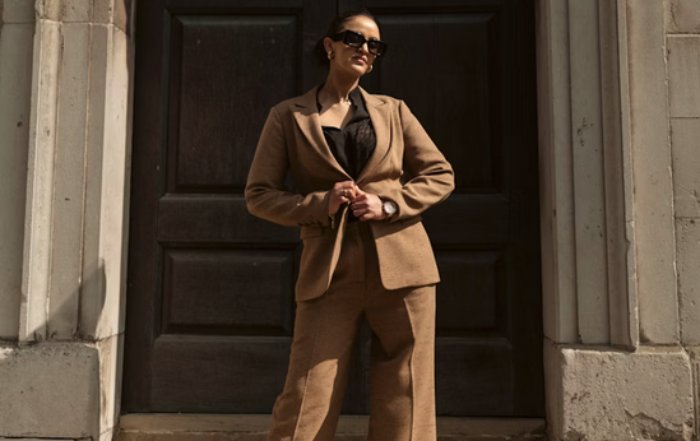
The Intersection of Style, Confidence, and Identity in a Changing World
Style as a Strategic Asset in 2026
By 2026, personal style has fully emerged as a strategic asset rather than a superficial concern, particularly for women navigating an increasingly complex global landscape of hybrid work, digital visibility, and cross-cultural interaction. On HerStage, where conversations about women's lives, ambitions, and evolving roles are central, style is treated as a serious dimension of identity and influence, woven into discussions of leadership, well-being, and long-term career strategy. In an era when professional relationships, personal branding, and social impact unfold simultaneously in physical rooms and on screens, the way a woman presents herself through clothing, grooming, body language, and digital imagery has become part of the language through which she negotiates opportunity, authority, and belonging.
Across global hubs such as New York, London, Berlin, Toronto, Singapore, Seoul, and Johannesburg, women are expected to interpret and respond to layered expectations: organizational dress codes, cultural norms, algorithm-driven beauty standards, and the instantaneous judgments of online audiences. Research from organizations like the American Psychological Association and the Harvard Business Review continues to highlight how first impressions, perceived competence, and leadership credibility are shaped by self-presentation, reinforcing what many women have long understood through lived experience: style is not neutral, and the choices a woman makes about how she appears can either amplify her voice or subtly diminish it.
Within this context, HerStage positions style not as an exercise in conformity, but as a form of authorship. Through its coverage of leadership, career development, and self-improvement, the platform invites women to treat style as a strategic resource, one that can support their ambitions, honor their identities, and protect their well-being in a world that still frequently misreads or underestimates them. Style, in this framing, becomes a deliberate narrative: a way of saying, "This is who I am, this is what I stand for, and this is how I expect to be engaged."
Style as a Language of Identity in a Global Context
Style operates as a visual vocabulary that communicates identity before any words are exchanged, and in 2026 this vocabulary has become richer and more layered as women move fluidly across borders, industries, and digital platforms. A tailored blazer in a London boardroom, a kente-inspired print dress in Accra, a minimalist knit ensemble in Stockholm, or a hanbok-inspired silhouette reimagined for modern life in Seoul all carry embedded stories of culture, history, aspiration, and self-definition. Sociologists and cultural theorists writing for institutions such as the London School of Economics continue to underscore that clothing and grooming function as powerful forms of nonverbal communication, signaling group belonging, social status, and personal values in ways that are instantly legible to those sharing the same cultural codes.
In the United States, United Kingdom, Germany, Canada, and Australia, the normalization of hybrid work has created new style codes that merge professionalism with approachability. The sharp suit now coexists with elevated casualwear, refined knit sets, and subtle beauty routines that acknowledge both the intimacy of video calls and the formality of in-person meetings. In Japan, South Korea, Singapore, and China, where certain sectors still prize uniformity and hierarchy, women are finding nuanced ways to infuse individuality into stricter norms, through details such as fabric texture, jewelry, eyewear, or color accents that signal personality without overtly challenging expectations. Curatorial work by institutions like the Victoria and Albert Museum and the Metropolitan Museum of Art's Costume Institute illustrates how these regional differences in dress are rooted in centuries of craftsmanship, social structure, and gendered expectations, making contemporary style choices part of a much longer historical conversation.
On HerStage, identity is approached as multidimensional and evolving, and style is presented as a tool for integration rather than fragmentation. Across lifestyle, fashion, and self-improvement coverage, readers are encouraged to see their wardrobes, beauty rituals, and daily aesthetics as expressions of layered identities that may include nationality, ethnicity, profession, caregiving roles, creative passions, and political commitments. Instead of toggling between a "work self," "home self," and "social self," women are invited to craft a visual identity that allows these facets to coexist, making it easier to move between contexts without feeling that they must leave essential parts of themselves at the door.
The Psychology of Dressing and the Architecture of Confidence
Psychological research in the past decade has deepened understanding of how clothing influences not only how others see a person, but how that person experiences herself. The concept of "enclothed cognition," explored in journals such as the Journal of Experimental Social Psychology, suggests that garments associated with competence, authority, or creativity can measurably affect attention, decision-making, and self-belief. For a woman preparing to negotiate a salary increase in Zurich, present a strategic plan in Chicago, or pitch investors in Singapore, the choice of outfit becomes part of the psychological architecture of the moment, reinforcing the internal narrative that she is prepared, capable, and entitled to be in the room.
The economic and technological volatility of the mid-2020s has made this psychological dimension of style even more relevant. Analyses from the World Economic Forum and McKinsey & Company at mckinsey.com continue to document how disruptions in labor markets, automation, and caregiving burdens have affected women's career trajectories across North America, Europe, Asia, and Africa. As many women re-enter physical offices after extended remote periods, pivot into new industries, or launch independent ventures, they are often rebuilding not only their résumés but their sense of confidence and professional identity. In this context, style functions as a daily, tangible practice of self-affirmation: choosing clothing that fits the body as it is today, reflects current ambitions, and respects personal comfort can create a subtle but meaningful sense of groundedness and agency.
Within HerStage content on health, mindfulness, and beauty, confidence is framed as the outcome of alignment rather than perfection. When a woman's external presentation is congruent with her internal values and emotional state, she is more likely to feel authentic and less likely to experience the dissonance that arises from performing a version of herself that does not feel true. In that sense, the act of getting dressed becomes an opportunity to reinforce self-respect rather than self-critique, particularly when combined with reflective practices promoted by organizations such as the Mind & Life Institute, which explore how everyday choices can support mental clarity and resilience.
Cultural Diversity, Heritage, and the Global Mosaic of Style
The global readership of HerStage, spanning the United States, United Kingdom, Germany, Canada, Australia, France, Italy, Spain, Netherlands, Switzerland, China, Sweden, Norway, Singapore, Denmark, South Korea, Japan, Thailand, Finland, South Africa, Brazil, Malaysia, and New Zealand, makes it clear that style cannot be reduced to a single dominant narrative. In France and Italy, style is often associated with heritage, craftsmanship, and an understated elegance that privileges quality and longevity over constant novelty, a philosophy documented by institutions such as the Institut Français de la Mode and long-form profiles in publications like Vogue. Women in Paris or Milan may invest in impeccably tailored coats, leather goods, and footwear that can be worn for years, viewing style as a lifelong discipline rather than a rapid cycle of trends.
In Brazil, South Africa, and across parts of West Africa, style frequently carries a more overtly expressive, celebratory character, with bold colors, prints, and silhouettes that honor indigenous textiles, local artisans, and community rituals. Reports from the Business of Fashion and UNESCO highlight how designers and entrepreneurs in these regions are reclaiming traditional aesthetics, challenging Eurocentric standards, and building globally recognized brands that also generate local employment and preserve cultural knowledge. Meanwhile, in rapidly evolving markets such as China, Thailand, and Malaysia, the convergence of rising middle classes, powerful e-commerce ecosystems, and social media has created fertile ground for hybrid styles that blend Western tailoring, regional silhouettes, and digital-era experimentation.
In Scandinavian countries like Sweden, Norway, Denmark, and Finland, minimalist and functional design traditions intersect with strong cultural commitments to sustainability and social equity. This has contributed to global interest in pared-back, high-quality wardrobes and environmentally responsible production models, themes examined by organizations such as the Ellen MacArthur Foundation, which explores circular fashion and regenerative business practices. For the HerStage audience, this global mosaic of style reinforces the idea that there is no single correct way to "look professional" or "dress with confidence." Instead, women are invited to draw on their own cultural heritages, climatic realities, religious frameworks, and personal aesthetics to create style narratives that feel both locally grounded and globally aware.
Digital Identity, Glamour, and the Visual Economy
The acceleration of the creator economy and the normalization of remote collaboration have turned digital presence into a central pillar of professional life. Social and professional platforms such as Instagram, TikTok, YouTube, and LinkedIn have become stages where style, grooming, and visual storytelling play decisive roles in building credibility, attracting opportunities, and cultivating community. Data from the Pew Research Center and Statista show continued growth in influencer marketing, personal branding, and video-based communication across sectors, from consulting and education to technology and the arts, making digital self-presentation a business-critical skill rather than a niche concern.
For women in Europe, Asia, Africa, North America, and South America, this shift offers unprecedented visibility and reach. A designer in Lagos, a coach in Melbourne, or an engineer in Berlin can showcase her expertise and aesthetic sensibility to a global audience without traditional gatekeepers. At the same time, the relentless visibility and comparison culture of digital life can intensify pressures around appearance, age, and body, sometimes eroding the very confidence that style is meant to support. HerStage engages this tension through its nuanced approach to glamour, treating glamour not as a mandate to conform to narrow ideals, but as a creative and strategic resource that women can use on their own terms.
The notion of "strategic glamour" is especially relevant for women in leadership, media, and public roles. Figures such as Michelle Obama, Jacinda Ardern, and Ngozi Okonjo-Iweala have demonstrated that distinctive, polished style can enhance rather than overshadow substantive leadership, using color, silhouette, and cultural references to signal confidence, approachability, and conviction. Research from organizations like the Center for Creative Leadership continues to show that executive presence, which includes visual presentation alongside communication and emotional intelligence, influences perceptions of leadership potential and readiness. Within HerStage's business and career coverage, readers are encouraged to think carefully about how their style translates through the camera lens, from lighting and color choices to cultural sensitivity in global webinars and ethical decisions around filters and retouching. In this visual economy, glamour becomes most powerful when it is grounded in integrity and aligned with a woman's deeper narrative.
Wellness, Body Image, and Ethical Beauty
Any serious exploration of style, confidence, and identity must address how women experience their bodies in a world still saturated with narrow beauty standards. International health authorities such as the World Health Organization and the National Institutes of Health continue to raise concerns about the mental health impacts of appearance-related pressures, including anxiety, depression, disordered eating, and body dysmorphia, particularly among adolescents and young adults. At the same time, social movements and consumer demand have pushed the fashion and beauty industries toward more inclusive imagery and product ranges, though progress remains uneven across regions and sectors.
On HerStage, health and self-improvement content is intentionally integrated with discussions of fashion and beauty, emphasizing that style should serve the body rather than the reverse. Whether a woman is navigating puberty, pregnancy, postpartum recovery, chronic illness, perimenopause, or high-performance athletic training, style is framed as a means of honoring the body's reality at each stage, rather than attempting to erase or disguise it. The growth of inclusive sizing, adaptive clothing, and modest fashion across North America, Europe, the Middle East, and parts of Asia reflects a broader recognition that confidence is not the exclusive domain of a single body type or age group, a trend tracked by organizations such as the Council of Fashion Designers of America.
Ethical considerations now extend deeply into beauty routines as well. With rising awareness of ingredient safety, environmental impact, and labor conditions, many women are scrutinizing their skincare, makeup, and haircare choices more critically. Resources from the Environmental Working Group and sustainability-focused coalitions help consumers evaluate the safety and ecological footprint of products, while initiatives from bodies like the United Nations Environment Programme highlight the broader environmental cost of the beauty and fashion industries. HerStage's beauty and lifestyle sections respond by spotlighting approaches that align personal well-being with ethical and environmental responsibility, reinforcing the idea that genuine confidence is strengthened when a woman's external choices support, rather than contradict, her values.
Style, Leadership, and Career Transitions
As women continue to ascend into leadership roles across technology, finance, healthcare, education, creative industries, and public service, the relationship between style and authority has become more strategic and more visible. Executive presence remains a key factor in promotion and trust-building, as documented by business schools and professional organizations frequently profiled by the Financial Times, and visual presentation is consistently identified as a component of that presence alongside communication skills and strategic thinking. For women in Zurich, Amsterdam, New York, Singapore, or Cape Town, style choices can either reinforce their leadership narrative or create distracting dissonance.
On HerStage, sections dedicated to leadership, business, and guide content explore how women at different career stages can develop a coherent visual identity that supports their professional goals. Early-career professionals may use style to signal reliability and readiness, selecting polished yet approachable looks that help colleagues see them as contributors rather than assistants. Mid-career managers positioning themselves for executive roles might refine their wardrobes toward more structured silhouettes, elevated fabrics, and consistent color palettes that project clarity and decisiveness. Entrepreneurs and independent consultants, by contrast, often have more latitude to express creativity and distinctiveness, using style to differentiate their brands in crowded markets.
Career transitions, which have become more frequent in the wake of technological change and shifting labor markets, add another layer of complexity. Women returning from parental leave, changing industries, relocating between continents, or starting businesses after corporate careers often find that their previous wardrobes no longer reflect their new identities or practical needs. Economic uncertainties tracked by the International Labour Organization have also prompted many to rethink consumption habits, favoring versatile, durable pieces over fast fashion. HerStage's coverage of education, career, and self-improvement encourages women to treat wardrobe planning as part of broader career strategy, recognizing that clothing can be an investment in visibility, professionalism, and self-respect rather than a reactive response to fleeting trends.
Mindful and Sustainable Style for a New Era
The rise of mindfulness, sustainability, and values-driven living has reshaped how many women think about style in 2026. Rather than seeing clothing, beauty, and lifestyle choices as separate from inner life, a growing number of women are asking how each purchase, outfit, and ritual contributes to or detracts from mental clarity, environmental responsibility, and long-term fulfillment. Mindfulness practitioners and organizations such as the Mind & Life Institute emphasize the cumulative power of small, intentional decisions, suggesting that what hangs in a wardrobe or sits on a vanity can either reinforce stress and clutter or support calm and purpose.
Within HerStage's mindfulness and lifestyle coverage, concepts like capsule wardrobes, slow fashion, and ritualized self-care are explored as tools for reducing decision fatigue and aligning daily life with deeper values. Minimalism is framed not as austerity, but as curation: the art of choosing fewer, better pieces that resonate with a woman's identity, body, and environment. Sustainable style, informed by research and advocacy from organizations such as the United Nations Environment Programme and the Ellen MacArthur Foundation, also involves understanding the broader impact of fashion on ecosystems and labor conditions, prompting more women in Europe, North America, Asia, and beyond to seek brands that prioritize transparency, fair wages, and circular design.
This integrated approach extends naturally into areas such as food, health, and daily routines. Confidence is more sustainable when it is supported by nourishing meals, adequate rest, movement, and emotional regulation rather than by constant striving or comparison. In this holistic view, the outfit chosen for a high-stakes presentation, the skincare ritual before sleep, and the morning meditation or journaling practice are all part of a single narrative: a commitment to showing up fully and authentically, while honoring the limits of time, energy, and planetary resources.
HerStage as a Living Stage for Women's Evolving Selves
In 2026, as the boundaries between physical and digital life, personal and professional roles, and local and global contexts continue to blur, the intersection of style, confidence, and identity has become a central dimension of women's experience rather than a peripheral interest. HerStage exists precisely at this intersection, offering a curated space where fashion, beauty, leadership, wellness, and global awareness are treated as interconnected threads in the fabric of women's lives. Across its sections on women, lifestyle, business, career, self-improvement, and more, the platform invites readers from the United States, United Kingdom, Germany, Canada, Australia, France, Italy, Spain, Netherlands, Switzerland, China, Sweden, Norway, Singapore, Denmark, South Korea, Japan, Thailand, Finland, South Africa, Brazil, Malaysia, and New Zealand to see their style choices as meaningful acts of self-definition.
By highlighting diverse voices, cultures, and professional paths, HerStage reinforces the message that there is no single template for how a confident, accomplished woman should look. Instead, the platform champions a vision of style that is rooted in experience, shaped by expertise, and guided by ethical and emotional intelligence. In doing so, it affirms that style is not merely about what is worn on the body, but about the stories women choose to tell about themselves, the values they are willing to stand visibly behind, and the courage with which they step into view on every stage they occupy. For the global community of women who gather at HerStage.com, the evolving language of style becomes a shared resource: a way to claim space, build trust, and move through a changing world with clarity, authority, and self-defined glamour.
