Creating a Home Sanctuary That Inspires You
The New Meaning of Home in a Changing World
The idea of home has shifted from a purely functional space to a deeply personal sanctuary where work, rest, creativity, and connection coexist, and this transformation has been especially significant for women balancing careers, caregiving, entrepreneurship, and self-development across regions as diverse as North America, Europe, Asia, Africa, and South America. As hybrid work models become entrenched in the United States, the United Kingdom, Germany, Canada, Australia, and beyond, and as global uncertainty-from climate concerns to economic volatility-continues to shape daily life, more women are intentionally designing homes that support mental clarity, emotional resilience, and professional ambition, a theme that sits at the heart of HerStage and its commitment to elevating women's voices and experiences worldwide.
On HerStage, conversations about women's evolving roles, modern lifestyle choices, and leadership in business and society increasingly converge around one central question: how can a woman create a home environment that does not simply shelter her, but actually inspires her to lead, to grow, to heal, and to thrive? This article explores that question through the lens of experience, expertise, and trustworthiness, offering a strategic and emotionally intelligent roadmap for building a home sanctuary that feels both deeply personal and globally relevant, whether in a London flat, a New York loft, a Berlin townhouse, a Singapore condominium, or a Johannesburg family home.
Designing with Intention: Clarifying the Purpose of Your Sanctuary
A truly inspiring home sanctuary does not begin with décor trends or furniture purchases; it begins with clarity of purpose, a principle echoed by organizations such as Harvard Business Review, which has long emphasized the role of intentional environments in supporting high performance and well-being. Learn more about how physical space influences productivity and focus on Harvard Business Review. Before rearranging a single chair, an intentional homeowner in 2026 asks herself what she most needs from her space: is it restoration after intense workdays, a creative studio for a side business, a quiet corner for meditation and reflection, a family-centered hub, or a hybrid of all these functions?
For many women, especially those building careers in demanding sectors across Europe, Asia, and North America, the home has become a dynamic extension of their professional identity, making it essential to distinguish zones of activity from zones of rest. This is where the editorial perspective of HerStage becomes uniquely relevant, as the platform recognizes that a sanctuary must support both ambition and restoration. Articles on self-improvement and personal mastery consistently highlight that a clear sense of purpose is the foundation for any meaningful change, including how one shapes her immediate environment.
Intention-driven design does not require a large property or a luxury budget; it requires alignment between values and choices, and this alignment can be seen in the rise of micro-sanctuaries-small, dedicated spaces in apartments from Tokyo to Paris-where women create reading corners, meditation nooks, or compact home offices that are visually and emotionally distinct from the rest of the home, even if they occupy only a few square meters. The key is to articulate, in writing if possible, what the sanctuary is meant to protect and nurture, whether that is mental health, creativity, learning, or spiritual grounding.
The Psychology of Space: How Environments Shape Mood and Performance
Research in environmental psychology and neuroscience over the past decade has made it clear that physical surroundings have a measurable impact on cognition, stress levels, and emotional stability, and this understanding is central to creating a sanctuary that genuinely inspires rather than merely looks aesthetically pleasing. Institutions such as the American Psychological Association have highlighted the link between clutter and cognitive overload, as well as the positive impact of natural light and greenery on mood regulation; readers can explore more about how spaces affect mental health on the American Psychological Association website.
In 2026, with burnout a persistent concern among professionals in cities from New York to Seoul, and with women often carrying a disproportionate share of domestic and emotional labor, the home environment can either amplify stress or serve as a buffer against it. Thought leaders in well-being, including those featured by World Health Organization initiatives, emphasize that even simple changes-such as increasing exposure to daylight, integrating plants, or reducing noise pollution-can support better sleep, improved concentration, and a more stable emotional baseline. Learn more about the determinants of mental well-being on the World Health Organization website.
On HerStage, the intersection of health, mindfulness, and lifestyle is a recurring theme, and the concept of a home sanctuary brings these strands together in practical ways. A well-designed sanctuary leverages color psychology, material choices, and spatial organization to regulate energy: soft, neutral palettes may promote calm in bedrooms and meditation zones, while richer, warmer tones can energize creative workspaces or dining areas where conversation and connection are encouraged. The goal is not to follow a universal formula, but to understand how one's own nervous system responds to stimuli and then tailor the environment accordingly.
Mindfulness at Home: Cultivating Presence in Everyday Rituals
Mindfulness has moved from a niche practice to a mainstream, evidence-backed tool for resilience, and by 2026 it is increasingly integrated into daily routines rather than confined to occasional retreats or guided sessions. The home sanctuary is a powerful container for this shift, enabling women in the United States, the United Kingdom, Germany, Singapore, Japan, and beyond to embed mindful awareness into ordinary moments: brewing morning coffee, preparing dinner, reading with children, or closing a laptop at the end of the workday.
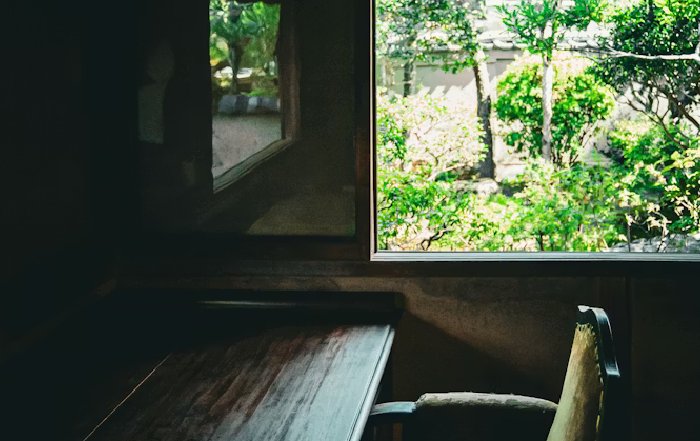
Organizations such as Mindful.org and Headspace have contributed to global understanding of how small, consistent practices can reduce anxiety and improve focus; readers can explore practical approaches to mindfulness in daily life on Mindful.org. However, the physical setting matters as much as the practice itself. A corner of the home dedicated to quiet reflection-perhaps with a comfortable chair, a soft throw, a candle, and a plant-signals to the brain that this is a place of slowing down, reflection, and inner listening, and over time the body begins to associate the space with calm and safety.
For HerStage readers exploring mindfulness and inner balance, the home sanctuary becomes a living expression of their inner work. Rituals such as lighting a candle before a journaling session, opening a window to let in fresh air before a meditation, or placing a meaningful object-a photograph, a piece of art, an heirloom-where it can be seen each morning create micro-moments that anchor attention and cultivate gratitude. These rituals do not require extensive time, which is particularly important for women managing complex schedules in fast-paced cities like London, Toronto, Sydney, or Hong Kong; instead, they require consistency and a willingness to treat the home as an ally in the pursuit of mental clarity.
Aesthetic Identity: Beauty as a Source of Strength, Not Pressure
In a world saturated with perfectly curated interiors on social media, it can be tempting to equate a sanctuary with an image-ready aesthetic, yet a truly inspiring home is not about perfection but about authenticity, and this distinction is central to the editorial values of HerStage, especially in its coverage of beauty and glamour. Beauty in the home should be a source of strength, creativity, and joy rather than another standard against which women measure themselves and feel inadequate.
Design authorities such as Architectural Digest and Dezeen showcase a wide spectrum of interiors, from minimalist Scandinavian apartments to maximalist Italian villas, illustrating that there is no single correct way to create a beautiful space. Readers interested in exploring diverse design philosophies can visit Architectural Digest for inspiration. What matters for a sanctuary is that the aesthetic reflects the inhabitant's story: her culture, her travels, her aspirations, her memories, and her values.
In many global cities, women are blending influences from multiple cultures-Japanese minimalism, Mediterranean warmth, Scandinavian simplicity, African textiles, Latin American color palettes-to create hybrid spaces that feel both rooted and expansive. This layering of identities is especially meaningful for women living between cultures, whether as expatriates, immigrants, or frequent travelers. For HerStage, which speaks to a worldwide audience, the message is clear: a home sanctuary should not erase complexity in pursuit of a trend; it should honor it.
Functional Elegance: Organizing for Clarity, Not Control
Clutter is more than a visual issue; it is a cognitive and emotional burden that can undermine focus, creativity, and rest, and this insight is supported by numerous studies in cognitive psychology and organizational science. Platforms such as Verywell Mind and Psychology Today frequently discuss how excess possessions and disorganized spaces contribute to stress and decision fatigue; readers can learn more about the psychological impact of clutter on Verywell Mind. For women who are simultaneously managing careers, families, and personal growth, functional organization is not about rigid control but about creating clarity and ease.
By 2026, there has been a noticeable shift away from purely aesthetic minimalism toward what could be called functional elegance: systems that make daily life smoother while still allowing for warmth and personality. This might mean well-designed storage in small apartments in Amsterdam or Copenhagen, modular shelving in compact Tokyo homes, or multi-use furniture in urban centers like New York and São Paulo. The guiding principle is that every item should either serve a clear function or bring genuine joy, echoing the widely discussed philosophy popularized by Marie Kondo and other organization experts; more on these approaches can be explored via reputable sources such as The New York Times, which has covered the global decluttering movement.
For HerStage readers focused on guides to practical living, organizing a sanctuary becomes an act of self-respect rather than self-denial. Labelled containers, intuitive storage, and thoughtful placement of frequently used items reduce friction in everyday tasks, freeing mental bandwidth for creative and strategic thinking. This is especially relevant for women entrepreneurs and professionals who rely on their home as a base for remote work, online businesses, or hybrid careers.
Nourishment at the Center: The Kitchen as a Sanctuary of Health
In many cultures across Europe, Asia, Africa, and the Americas, the kitchen has long been the heart of the home, and by 2026 this space has become even more central as women place greater emphasis on holistic health, sustainable choices, and mindful eating. The global focus on wellness, supported by organizations such as the World Health Organization and Harvard T.H. Chan School of Public Health, has reinforced the importance of nutrition in preventing chronic disease and supporting mental resilience; readers can explore evidence-based guidance on healthy eating at the Harvard T.H. Chan School of Public Health.
For HerStage, the kitchen is not merely a functional zone but a powerful arena where health, food culture, and identity intersect. Women in cities like Paris, Milan, Madrid, and Cape Town are reimagining their kitchens as spaces of creativity and connection, experimenting with recipes that honor local traditions while embracing global influences-from Mediterranean diets rich in olive oil and vegetables to Korean fermentation practices and Brazilian superfoods. The sanctuary kitchen is organized for ease, with accessible storage for whole foods, herbs, and spices, and perhaps a small herb garden on a windowsill or balcony, even in compact urban homes.
Trusted organizations such as Mayo Clinic and Cleveland Clinic continue to provide guidance on heart-healthy, anti-inflammatory, and brain-supportive diets, which women can integrate into their daily routines; more information on evidence-based nutrition can be found on the Mayo Clinic website. In this way, the kitchen becomes a tangible expression of self-care, where each meal prepared is both nourishment and an affirmation of worth.
Fashioning the Self: Wardrobes, Identity, and Confidence at Home
The relationship between fashion, identity, and confidence has evolved significantly by 2026, especially as remote and hybrid work have blurred the boundaries between professional and personal attire. A home sanctuary that truly inspires must take into account how a woman dresses not only for the outside world but for herself, within her own space. HerStage, through its coverage of fashion and career development, recognizes that clothing is a powerful tool for self-expression and psychological priming.
Research from institutions such as Northwestern University on "enclothed cognition" suggests that what individuals wear can influence their cognitive performance and emotional state, with specific garments associated with confidence, focus, or relaxation; readers interested in this intersection of fashion and psychology can find accessible summaries on BBC Future. In a home sanctuary, this means curating a wardrobe that supports different modes of being: focused work, deep rest, creative exploration, and social connection.
Women across the United States, Europe, and Asia are increasingly choosing versatile, comfortable, and ethically produced clothing that aligns with their values, including sustainability and fair labor. Organizations such as Fashion Revolution and Good On You have raised awareness about the impact of fashion choices on the planet and on garment workers; those who wish to make more responsible wardrobe decisions can explore brands and practices on Good On You. A thoughtfully organized wardrobe, with visible, easy-to-access pieces that genuinely fit and flatter, reduces decision fatigue and reinforces a sense of self-respect each morning, making the act of getting dressed an integral part of sanctuary-building.
Work, Leadership, and the Home Office as a Strategic Asset
As of 2026, the home office has become a strategic asset for women leading teams, running businesses, or managing complex careers in sectors ranging from technology and finance to education and creative industries. The home sanctuary must therefore support not only rest and rejuvenation but also high-level thinking, negotiation, and innovation. HerStage, through its dedicated focus on business and leadership, has consistently highlighted how women are redefining power and influence from their own living rooms, studies, and kitchen tables.
Global organizations such as McKinsey & Company and Deloitte have documented the rise of remote and hybrid leadership, noting both the opportunities and challenges for women, particularly in terms of visibility, work-life boundaries, and advancement; readers can explore research on women in the workplace on McKinsey & Company. In this context, the design of a home office-however small-takes on strategic importance. A dedicated workspace with ergonomic furniture, reliable technology, and a backdrop that conveys professionalism during video meetings can enhance credibility and presence, whether speaking to colleagues in New York, clients in London, or partners in Singapore.
At the same time, leadership from home demands boundaries to prevent burnout. Thought leaders featured by Stanford Graduate School of Business and other academic institutions have emphasized the importance of psychological detachment from work to maintain long-term performance; learn more about sustainable leadership practices on Stanford Graduate School of Business. In a well-designed sanctuary, this might mean closing a door, drawing a curtain, or using a visual cue-such as turning off a specific lamp-to signal the end of the workday, allowing the rest of the home to reclaim its role as a space of rest and relationship.
Learning, Growth, and the Sanctuary as a Personal University
A home that inspires is not static; it is a living environment that evolves alongside its inhabitants, supporting continuous learning and personal growth. For women in countries such as Canada, France, Italy, Spain, the Netherlands, Sweden, Norway, Denmark, South Korea, Japan, Thailand, South Africa, Brazil, Malaysia, and New Zealand, the sanctuary has increasingly become a personal university, where online courses, professional certifications, language learning, and creative skills are pursued. HerStage, through its lens on education and self-improvement, recognizes that intellectual nourishment is as vital as physical comfort.
Trusted institutions like Coursera, edX, and MIT OpenCourseWare have democratized access to high-quality education, allowing women to study everything from data science and entrepreneurship to art history and psychology from their own homes; readers can explore a wide range of courses on Coursera. To support this intellectual journey, a sanctuary may include a dedicated reading chair, a well-lit desk, a small library of physical books, or thoughtfully organized digital tools.
The key is to design the home in a way that makes learning frictionless: headphones in a designated spot for language practice, a notebook always within reach, or a visible calendar that tracks progress on personal development goals. This approach aligns with the broader mission of HerStage to support women not only as professionals and caregivers, but as lifelong learners shaping the world with their expertise and insight.
A Global Perspective: Cultural Nuance and Inclusive Design
Because HerStage speaks to a global audience, any discussion of a home sanctuary must acknowledge the cultural, economic, and spatial differences that shape how women live in various regions. In dense urban centers such as Tokyo, Hong Kong, and Singapore, sanctuaries are often compact and vertical, relying on smart storage, foldable furniture, and multi-purpose rooms. In parts of Africa and South America, extended family structures and outdoor living spaces create sanctuaries that are as much about community as about solitude. In Scandinavian countries like Sweden, Norway, and Finland, the concept of "hygge" and "lagom" influences design choices that emphasize balance, simplicity, and comfort, themes that have resonated globally through coverage on platforms such as BBC Culture.
Environmental concerns and climate realities also play a role, particularly in regions susceptible to heat waves, flooding, or energy instability. Forward-looking organizations such as UN Environment Programme and World Green Building Council advocate for sustainable, energy-efficient, and resilient housing solutions; readers can learn more about sustainable building and living on the World Green Building Council. For women who care deeply about their environmental footprint, a home sanctuary may include energy-efficient appliances, sustainable materials, second-hand or upcycled furniture, and indoor plants that improve air quality.
Inclusivity is another crucial dimension, as sanctuaries must be accessible and supportive for women with disabilities, chronic illnesses, or neurodivergent needs. This might involve adjustable lighting, soundproofing, tactile materials, or clear pathways. As global conversations around diversity, equity, and inclusion deepen, the design of home environments becomes part of a broader commitment to dignity and autonomy for all women, a commitment that aligns with the values at the heart of HerStage and its coverage of world affairs and social change.
Bringing It All Together: HerStage and the Future of Home as Sanctuary
Ultimately, creating a home sanctuary that inspires is not a one-time project but an ongoing dialogue between a woman and the space she inhabits, a dialogue shaped by her evolving career, relationships, health, and dreams. The sanctuary must be flexible enough to adapt to new life stages-starting or growing a business, welcoming a child, caring for aging parents, relocating across continents-while remaining anchored in her core values and sense of self.
HerStage, as a platform dedicated to women's lifestyle, business and career growth, health and mindfulness, and holistic empowerment, is uniquely positioned to accompany women on this journey. From practical guides to reflective essays, from insights on leadership to explorations of beauty and fashion, the publication views the home not as a backdrop but as an active partner in women's pursuit of purpose and fulfillment.
As the year unfolds and global realities continue to shift, the sanctuary at home becomes more than a design aspiration; it becomes a strategic, emotional, and spiritual necessity. Whether in a bustling metropolis or a quiet rural town, whether in Europe, Asia, Africa, the Americas, or Oceania, women can craft spaces that honor their complexity, protect their well-being, and amplify their impact. In doing so, they transform not only their own lives, but also the broader cultures and communities they touch, one thoughtfully designed room-and one intentional moment-at a time. For more perspectives, stories, and practical insights on building a life and home that truly reflect who she is, readers can continue exploring the evolving narrative on HerStage.