
Top Daily Makeup Tips for Women Today

Last updated by Editorial team at herstage.com on Friday 12 September 2025
Top Daily Makeup Tips for Women Today

Makeup in 2025 is no longer confined to the realm of beauty alone—it has evolved into a global language of confidence, empowerment, and self-expression. Across major cities in the United States, Europe, Asia, and beyond, women are redefining their beauty routines to align with professional lifestyles, cultural identity, and sustainable living. Makeup is not only about enhancing features but also about establishing presence, whether in boardrooms, on global stages, or within digital spaces where first impressions matter more than ever.

As the beauty industry embraces technology, sustainability, and inclusivity, the way women approach daily makeup routines has shifted significantly. From innovative products by Gucci Beauty, Chanel, and Dior to the convenience of shopping platforms like Sephora, the choices are vast, yet the guiding principles remain centered on authenticity, quality, and adaptability.

This article explores the most relevant daily makeup tips for women today, focusing on trends that combine artistry with functionality, and providing a comprehensive perspective that reflects the expectations of a global, modern, and professional audience.

Preparing the Canvas: Skincare as the Foundation

Every successful makeup routine begins with well-prepared skin. In 2025, skincare and makeup are no longer separate categories; they are deeply intertwined. Brands such as Estée Lauder and Lancôme have invested heavily in hybrid products that act as both skincare and makeup, providing hydration, anti-aging benefits, and natural coverage.

Dermatologists emphasize that cleansing and moisturizing remain non-negotiable. Gentle exfoliation helps remove dead skin cells, allowing foundation or tinted moisturizers to glide on smoothly. Hydrating serums enriched with hyaluronic acid are widely recommended, particularly for women in climates such as Singapore, Japan, and South Korea, where humidity levels can disrupt long-wear makeup.

Women today also prioritize sun protection. Tinted sunscreens from Shiseido or Supergoop! double as primers, offering both skin defense and a smooth base for makeup application. For those balancing busy schedules, these multifunctional products provide efficiency without compromising on skin health.

Learn more about the importance of maintaining healthy skin habits.

✨ Your Daily Makeup Routine Builder

Discover your perfect makeup routine based on your lifestyle and preferences

Question 1 of 7
What's your primary daily environment?

Minimalist Base Makeup for a Professional Glow

The rise of minimalism in fashion and lifestyle has extended into makeup routines. Many women in New York, London, and Berlin now prefer lightweight foundation alternatives that provide a "skin-like" finish. Products such as tinted moisturizers, BB creams, and serum foundations dominate the shelves.

Rather than heavy coverage, the emphasis is on radiance. Charlotte Tilbury’s Hollywood Flawless Filter has become a go-to for achieving a lit-from-within glow, while NARS Sheer Glow Foundation remains a staple for its breathable formula. For women in leadership roles, such as executives or entrepreneurs, this natural base offers a polished yet approachable appearance that is ideal for both in-person meetings and video conferences.

Strategic use of concealer is another hallmark of the modern routine. Instead of layering foundation, women apply concealer only where needed—under the eyes, around the nose, or on blemishes—allowing their natural complexion to shine through.

Discover more about self-confidence through self-improvement practices.

The Power of Brows in Framing the Face

Eyebrows continue to be the most defining feature of modern makeup. The days of over-plucked brows are long gone; the trend today leans toward natural, softly structured shapes that frame the face without overwhelming it.

In Paris and Milan, beauty professionals recommend microblading or brow lamination for women seeking low-maintenance solutions. For those who prefer daily grooming, products like Anastasia Beverly Hills Brow Wiz or Benefit’s Precisely, My Brow Pencil remain cult favorites.

The global conversation around brows reflects a deeper theme: empowerment through definition. A strong brow communicates authority and clarity, making it particularly relevant for women in leadership and public-facing roles.

Learn more about empowering routines in leadership and lifestyle insights.

Eye Makeup: Balancing Elegance and Practicality

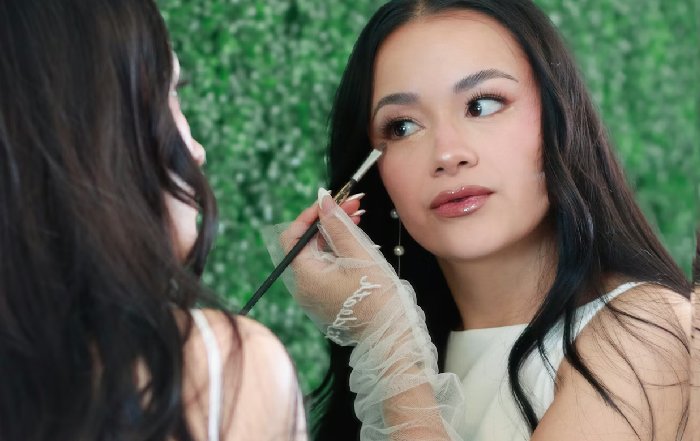
Eye makeup trends today strike a careful balance between elegance and practicality. The resurgence of soft, neutral palettes, led by brands like Urban Decay and Huda Beauty, provides versatile options suitable for both professional environments and social occasions.

In regions like South Korea and Japan, the "aegyo-sal" trend—emphasizing the natural puff under the eyes—remains popular, reflecting a cultural preference for youthful, approachable appearances. In contrast, Western markets highlight subtle smoky eyes and nude shades that enhance depth without overpowering the face.

Mascara continues to play an essential role, with innovative tubing mascaras by L’Oréal Paris and Maybelline offering smudge-proof, long-lasting wear, a feature especially valued by women balancing long working hours with social commitments.

For special occasions, liquid eyeliners with micro-tips ensure precision, while neutral shades maintain professionalism. More daring styles, like graphic liners, are embraced in creative industries and by younger demographics who use makeup as a form of artistic expression.

Read more about beauty innovations on herstage.com/beauty.

Lip Trends: From Subtle Stains to Bold Statements

Lip color remains one of the most expressive aspects of daily makeup. While classic reds from Chanel Rouge Allure or Dior Addict Lipstick still command global admiration, everyday preferences have shifted toward long-lasting tints and balms.

In Scandinavian countries such as Sweden and Norway, women often opt for subtle lip stains in berry or nude shades, aligning with their minimalist beauty philosophies. Meanwhile, in New York and Los Angeles, bold shades of deep crimson and plum are making a comeback, particularly in professional and evening settings.

The rise of lip oils has transformed routines, combining hydration with glossy finishes. Products like Clarins Lip Comfort Oil have become daily staples for women seeking both nourishment and subtle shine. This trend reflects a broader consumer demand for products that merge wellness and beauty.

Explore more about global lifestyle choices at herstage.com/lifestyle.

Contouring and Highlighting in the Age of Subtlety

Heavy contouring, once popularized by social media influencers, has given way to subtle sculpting. In 2025, contouring is less about transformation and more about enhancing natural bone structure.

Cream-based contour sticks from Fenty Beauty and Rare Beauty are favored for their blendability, while liquid highlighters provide a natural glow rather than a metallic finish. Professionals stress the importance of strategic placement: contouring under cheekbones, along the jawline, and softly at the temples, while highlights are reserved for areas where light naturally falls.

This approach ensures that women maintain a professional yet radiant appearance throughout the day, without appearing overdone.

For more expert guidance, visit the herstage.com/guide.

Sustainability and Conscious Beauty Choices

By 2025, sustainability has become an undeniable priority in the beauty industry. Women today are not only concerned with how makeup looks but also with how it is sourced, packaged, and its long-term impact on the planet. Gucci Beauty and Chanel have introduced refillable lipstick lines, while Sephora highlights eco-certified products across its global outlets. Consumers in Germany, Sweden, and Canada are particularly demanding of transparency, pushing companies to disclose ingredient sourcing and environmental practices.

The concept of “clean beauty” has expanded beyond marketing to include meaningful commitments. Ingredients free from parabens, sulfates, and synthetic fragrances dominate the market. Meanwhile, brands like Ilia Beauty and RMS Beauty have built their reputations entirely around non-toxic formulations. For everyday users, these changes mean that applying foundation or mascara no longer carries the same health concerns it once did, and eco-friendly packaging reduces guilt around waste.

Women are also increasingly supporting independent and women-led beauty startups that emphasize fair trade, community empowerment, and ethical practices. This shift reflects a broader lifestyle trend toward sustainability, where personal choices in beauty align with global responsibility. Learn more about such movements through sustainable lifestyle insights.

Cultural Influences on Daily Makeup Routines

Makeup routines today are shaped by diverse cultural traditions, blending timeless practices with modern innovations. In Japan and South Korea, the preference for glass-skin aesthetics continues to influence daily skincare-makeup hybrids, with lightweight bases and luminous finishes dominating routines. In contrast, France maintains its reputation for effortless chic, where red lipstick and minimal foundation remain symbols of confidence and timeless beauty.

In India and Thailand, women integrate bold eyeliners and vibrant lip shades into daily routines, reflecting cultural aesthetics rooted in heritage. Meanwhile, in Africa, brands are increasingly creating products that match the full spectrum of deeper skin tones, a demand long overlooked by mainstream beauty companies until pioneers like Fenty Beauty set new industry standards.

Globalization has meant that trends cross borders more quickly. Social media platforms and influencers provide instant access to techniques once confined to specific cultures. Today, women in New York may embrace K-beauty-inspired sheet masks before work, while professionals in London might apply Ayurvedic oils before starting their routines. This blending of traditions underlines the interconnectedness of modern beauty practices worldwide.

For more global perspectives, explore herstage.com/world.

Digital Platforms and the Evolution of Makeup Trends

Technology has transformed how women engage with makeup. Platforms like Instagram, TikTok, and YouTube have turned beauty routines into global conversations, while AR-powered apps from L’Oréal and Sephora allow women to virtually try products before buying.

Professional women now rely on AI-driven personalization tools that recommend shades and products based on skin tone, undertones, and lifestyle. This has democratized access to professional advice, once limited to makeup counters or luxury consultations.

At the same time, the rise of e-commerce has made premium products more accessible worldwide. Women in Australia or South Africa can now order Dior foundations or Chanel lipsticks online with same-day delivery in urban centers, ensuring no one is left out of the beauty conversation.

Digital engagement also empowers women to share their own routines, building communities where professionals, students, and entrepreneurs trade insights on balancing makeup with lifestyle goals. These platforms continue to amplify voices of women across all cultures, ensuring inclusivity remains central in beauty.

Read more about evolving trends in women’s empowerment.

Expert Daily Makeup Tips for Working Women

For modern women juggling careers, family, and personal growth, efficiency and adaptability are key. Professional makeup artists recommend a streamlined approach:

Invest in multipurpose products – Tinted moisturizers with SPF, dual-purpose lip and cheek tints, and eyeshadow palettes with versatile shades save time without sacrificing impact.

Focus on longevity – Setting sprays and primers ensure makeup holds during long office hours or travel days.

Highlight eyes for presence – Whether in video calls or boardroom meetings, defined brows and subtle eyeliner create an impression of alertness and authority.

Carry touch-up essentials – Blotting papers, compact powder, and a hydrating lip product ensure a polished look throughout the day.

Women in industries such as law, finance, and politics often prefer neutral tones that project professionalism, while those in creative sectors like fashion and media embrace bolder colors to express individuality.

This flexibility underscores a deeper truth: daily makeup routines today are not rigid formulas but adaptable systems tailored to personal goals, cultural context, and professional environment.

For more career-focused beauty strategies, visit herstage.com/career.

Nutrition, Health, and Their Impact on Makeup

Beauty routines extend beyond the vanity table, and nutrition plays a crucial role in how makeup appears on the skin. Diets rich in antioxidants, vitamins A, C, and E, and omega-3 fatty acids promote healthier skin, reducing reliance on heavy coverage.

Countries such as Italy and Spain, where Mediterranean diets dominate, showcase how lifestyle and nutrition enhance natural radiance. Hydration remains critical, as water intake directly affects skin plumpness and elasticity, making foundations and powders sit more naturally on the face.

Many women are also incorporating supplements like collagen and hyaluronic acid to support skin health from within, reflecting a holistic approach to beauty. By combining thoughtful nutrition with daily makeup routines, women achieve sustainable beauty that transcends surface-level fixes.

Read more about integrating health and beauty.

The Future of Makeup: Personalization and Empowerment

The future of makeup is expected to become even more personalized, sustainable, and inclusive. By 2030, industry analysts predict that AI-driven diagnostics will fully integrate with skincare and makeup, allowing women to design entire routines customized to their DNA, hormonal cycles, and environmental conditions.

Sustainability will deepen as brands adopt carbon-neutral production and biodegradable packaging, aligning with consumer demand. Women-led startups will continue to disrupt the industry, emphasizing values of authenticity and empowerment.

More importantly, the evolving conversation around makeup will remain centered on identity and agency. Whether a woman chooses bold lipstick for a board presentation, subtle eyeliner for a casual day, or no makeup at all, the decision itself represents strength.

As society embraces diversity and individuality, makeup is no longer about conforming to expectations but about enhancing confidence, amplifying presence, and celebrating uniqueness.

Explore more perspectives on self-expression and mindfulness.

Conclusion

Daily makeup in 2025 is more than a routine; it is a reflection of global values, cultural identity, and personal empowerment. Women across North America, Europe, Asia, and Africa are crafting routines that balance professionalism, sustainability, and individuality. From skincare foundations to lip oils, from digital platforms to cultural traditions, the choices available today are more versatile and meaningful than ever.

Ultimately, the best daily makeup tips for women are those that align with personal goals and global consciousness. Whether it is adopting sustainable products, mastering minimalism, or embracing boldness, makeup today is a canvas of empowerment that speaks to the diverse, dynamic roles women occupy in every corner of the world.

Women's Guide to Solo Travelling in Japan

Last updated by Editorial team at herstage.com on Friday 12 September 2025
Womens Guide to Solo Travelling in Japan

Japan has become one of the most celebrated destinations for solo female travelers, combining centuries of tradition with cutting-edge modernity. Known for its extraordinary safety standards, efficient transportation systems, rich cultural heritage, and progressive hospitality, Japan offers women a unique opportunity to travel independently while feeling secure and empowered. For many women, solo journeys are not only about discovering new places but also about discovering themselves. Japan’s blend of mindfulness practices, culinary wonders, fashion-forward cities, and serene natural landscapes makes it an ideal country for such a personal journey.

Solo travel is particularly meaningful for readers of HerStage, where the audience values leadership, lifestyle, self-improvement, and global awareness. For women worldwide, from the United States and United Kingdom to Germany, Australia, and Singapore, Japan provides both cultural enrichment and transformative life experiences. Whether it is meditating in a Zen temple, exploring the glamorous fashion streets of Tokyo, or learning the artistry of Japanese cuisine, women can find empowerment and inspiration in every corner of the country.

🌸 Your Perfect Japan Solo Travel Planner 🌸

Discover your ideal Japanese adventure based on your preferences

What type of experience calls to you?
Choose the experience that resonates most with your travel goals

🏔️ Adventure & Nature

Explore mountains, hot springs, and outdoor activities

🏯 Culture & Tradition

Immerse in temples, tea ceremonies, and history

🌆 Modern & Fashion

Discover cities, shopping, and contemporary lifestyle

🧘 Wellness & Mindfulness

Focus on relaxation, spas, and self-care

Safety and Comfort: Foundations of Solo Travel in Japan

One of the key reasons Japan is a leading choice for solo female travelers is its reputation for safety. According to the Global Peace Index, Japan consistently ranks among the top countries in terms of low crime rates and societal stability. Cities like Tokyo, Kyoto, and Osaka are designed with surveillance, policing, and community-minded practices that reassure travelers who may be concerned about exploring new places alone.

Transportation plays a pivotal role in this sense of security. Japan’s Shinkansen bullet train system is renowned for its punctuality and cleanliness, allowing women to travel quickly between major destinations without stress. Within cities, local trains and subways are efficient, well-marked, and monitored. For added comfort, women-only train cars are available during rush hours in Tokyo and Osaka, a progressive feature that makes commuting safer and less intimidating for solo travelers.

For women new to solo travel, this infrastructure reduces anxiety and builds confidence. Practical guides from organizations such as Japan National Tourism Organization provide detailed advice on navigation, etiquette, and regional highlights, making planning smoother.

Choosing the Right Destinations: A Balance of Tradition and Modernity

Japan’s regions are diverse, and the right destination depends on the type of experience a traveler seeks. Solo travelers often combine major cities with quieter towns to strike a balance between excitement and reflection.

Tokyo: Glamour, Fashion, and Innovation

Tokyo is not only the political and economic capital of Japan but also a global hub of fashion, beauty, and business. Neighborhoods such as Shibuya and Harajuku are famous for trendsetting street style, appealing to women interested in fashion and self-expression. High-end districts like Ginza showcase luxury brands, while Shinjuku offers nightlife and entertainment options that feel safe even for women venturing out alone.

Tokyo also caters to wellness-minded travelers. From onsen-style spas to meditation classes in neighborhood temples, women can integrate relaxation into their itinerary, aligning with global trends in health and self-care.

Kyoto: Tradition and Mindfulness

As the cultural heart of Japan, Kyoto is a sanctuary for solo travelers seeking reflection and historical immersion. The city’s Zen temples, tea houses, and kimono experiences allow visitors to engage with centuries-old traditions. Wandering through Arashiyama’s bamboo forest or sitting in quiet contemplation at Ryoanji’s rock garden provides powerful opportunities for mindfulness, aligning with HerStage’s focus on mindfulness.

Hokkaido: Nature and Adventure

For adventurous women who love the outdoors, Hokkaido offers mountains, hot springs, and natural parks. Solo travelers can enjoy skiing in Niseko during winter or hiking through Daisetsuzan National Park in summer. The region also features culinary specialties such as fresh seafood, perfect for those exploring food culture.

Okinawa: Serenity and Seaside Wellness

Okinawa presents a more tropical side of Japan, with pristine beaches and unique cultural traditions influenced by its Ryukyu heritage. It is an excellent choice for solo travelers looking for yoga retreats, wellness escapes, or seaside tranquility. The island’s slower pace contrasts beautifully with the bustle of mainland cities.

Accommodation Options: Comfort for Every Style

Japan offers diverse accommodation styles, from futuristic capsule hotels to traditional ryokan inns. For solo female travelers, safety, cleanliness, and atmosphere are crucial considerations.

Capsule hotels in cities like Tokyo and Osaka are modern, budget-friendly, and increasingly women-friendly, with entire floors or facilities reserved exclusively for female travelers.

Ryokan inns provide an authentic Japanese experience, complete with tatami rooms, kaiseki meals, and communal baths (onsen). Many ryokan now offer private onsen experiences for women who prefer privacy.

Boutique hotels in Kyoto, Yokohama, and Kobe provide stylish comfort and personalized hospitality.

Airbnb and local homestay platforms allow travelers to experience Japanese neighborhoods from a more intimate perspective.

Platforms like Booking.com and Expedia now highlight women-friendly options, giving travelers added peace of mind.

The Culinary Journey: Food as a Cultural Connector

Food is central to Japan’s cultural identity, and solo travel offers women a chance to fully immerse themselves in the culinary arts. Japanese cuisine emphasizes balance, seasonality, and presentation, making it not only nourishing but also deeply aesthetic.

Solo travelers can explore:

Sushi counters where chefs engage directly with guests, such as Sukiyabashi Jiro in Tokyo.

Izakaya pubs where locals gather after work, offering women an opportunity to engage with Japanese culture in an informal setting.

Vegetarian and vegan dining in Kyoto, reflecting global shifts toward health-conscious living.

Cooking classes, where solo travelers can learn to prepare sushi, ramen, or wagashi sweets, building lifelong culinary skills.

To deepen this journey, resources such as Japan Guide’s food section provide inspiration for culinary itineraries.

Wellness, Beauty, and Self-Care in Japan

Wellness and beauty have long been central to Japanese culture, and solo travel provides women with the opportunity to immerse themselves in these practices while also nurturing personal growth. Japan offers an exceptional combination of centuries-old traditions and cutting-edge innovations in beauty and health. From natural hot spring baths to global beauty brands, the country is a leader in shaping wellness trends that resonate across the world.

Onsen Culture and the Art of Relaxation

The Japanese onsen, or hot spring bath, is a transformative wellness experience. These baths, found in both rural and urban areas, are celebrated for their mineral-rich waters that relieve fatigue, improve circulation, and rejuvenate the skin. For women traveling alone, onsens provide moments of deep reflection and serenity. Popular destinations like Hakone, Beppu, and Kusatsu are world-famous for their onsen resorts, where guests can relax surrounded by stunning landscapes.

Increasingly, many onsen facilities have adapted to modern preferences, offering private baths or women-only areas for enhanced comfort. This ensures that even those unfamiliar with communal bathing customs can still enjoy the healing properties of Japan’s natural springs. Resources such as Japan Guide’s onsen listings provide valuable information for travelers planning their wellness escapes.

Japanese Beauty and Skincare Rituals

Japan is a global powerhouse in the beauty industry, with brands like Shiseido, SK-II, and Kanebo recognized worldwide for their innovative products. For solo female travelers, exploring Japanese beauty culture can be as rewarding as visiting temples or museums. Department stores in Tokyo’s Ginza or Shinjuku districts offer expansive beauty counters where women can sample cutting-edge skincare products, many of which emphasize natural ingredients and holistic wellness.

Japanese women are often admired for their youthful skin and minimalist beauty routines, which are rooted in centuries-old practices emphasizing hydration, cleansing, and sun protection. Solo travelers interested in beauty can take workshops that teach traditional skincare methods, incorporating ingredients like rice bran, green tea, and camellia oil.

Yoga, Meditation, and Mindfulness Retreats

Mindfulness is another element of Japanese culture that resonates with solo travelers. In cities like Kyoto and Kamakura, Zen temples host meditation sessions that allow visitors to practice stillness and inner awareness. Additionally, yoga retreats have gained popularity in areas such as Okinawa and Nagano, combining wellness practices with the tranquility of natural landscapes.

The global emphasis on mental well-being aligns seamlessly with Japanese traditions. For women balancing careers, family, and personal aspirations, taking part in these practices fosters renewal and resilience. Readers can also explore HerStage’s mindfulness section for additional insights into how mindfulness connects with modern lifestyles.

Language, Culture, and Etiquette: Navigating Japan Gracefully

While Japan is welcoming to foreign visitors, understanding cultural etiquette enriches the solo travel experience and helps avoid misunderstandings. Japanese society is built upon respect, harmony, and politeness, values that women traveling alone will find reassuring and empowering.

Language Basics for Solo Travelers

Although English is widely understood in major cities, learning basic Japanese phrases makes travel smoother and demonstrates cultural respect. Simple expressions such as arigato gozaimasu (thank you very much), sumimasen (excuse me), and kudasai (please) can create positive interactions. Language-learning apps like Duolingo and Busuu are valuable tools for solo travelers preparing for their journeys.

Etiquette in Daily Life

Japanese culture places emphasis on subtle etiquette practices that shape daily interactions. Solo travelers should observe rules such as:

Removing shoes before entering homes, ryokan inns, and some traditional restaurants.

Refraining from speaking loudly on trains or public transport.

Handling money and cards with both hands as a sign of respect.

Bowing as a gesture of greeting and gratitude.

Understanding these customs is not only a matter of courtesy but also an empowering experience for solo travelers who wish to fully immerse themselves in Japanese culture. Resources like Inside Japan Tours provide useful guides on etiquette.

Fashion, Glamour, and Lifestyle Experiences

Japan’s global influence in fashion and lifestyle is undeniable. Solo female travelers often find Tokyo, Osaka, and Kyoto to be dynamic playgrounds for exploring both glamorous and everyday trends.

Tokyo’s Fashion Capitals

Tokyo is recognized as one of the world’s fashion capitals, alongside Paris, Milan, and New York. Districts such as Harajuku are synonymous with creativity and bold self-expression, while Shibuya represents youth culture and street style. In contrast, Ginza offers international luxury labels like Gucci, Chanel, and Dior, giving solo travelers an opportunity to indulge in sophisticated shopping experiences.

Fashion in Japan is not just about clothing but also about identity. Women traveling alone can explore how fashion intersects with empowerment, leadership, and personal branding, themes central to HerStage’s glamour and leadership sections.

Beauty Cafés and Lifestyle Trends

Beyond fashion, Tokyo is home to beauty cafés and experiential stores where women can sample products, enjoy makeovers, and attend wellness-focused workshops. This trend reflects Japan’s fusion of lifestyle and commerce, offering unique experiences for travelers. Solo travelers can visit concept spaces like Shiseido Parlour or L’Occitane Café in Shinjuku for an intersection of beauty, relaxation, and gourmet cuisine.

Networking, Business, and Leadership Opportunities

Solo travel does not have to be limited to leisure; for many professional women, it is also a chance to build networks and expand global perspectives. Japan, as the world’s third-largest economy, provides an environment where women can explore opportunities in business, education, and leadership.

Women in Japanese Business Culture

While Japan has historically faced challenges with gender equality in the workplace, the country is making strides in empowering women leaders. Organizations such as Keidanren (Japan Business Federation) and global initiatives supported by UN Women Japan are fostering greater inclusion in business and government.

Solo travelers interested in leadership may attend international conferences, networking events, or cultural exchange programs in Tokyo or Osaka. Attending such events not only enhances professional skills but also deepens an understanding of Japan’s evolving workplace dynamics.

Leadership Lessons from Solo Travel

Independent travel itself is a form of leadership training. Navigating new environments, making decisions, and embracing challenges without external support cultivates confidence and adaptability. For readers of HerStage’s career section, these experiences translate into professional growth, preparing women to lead teams, launch ventures, or advocate for greater inclusivity in their fields.

Self-Improvement Through Solo Travel

Solo travel in Japan is more than sightseeing; it is a pathway to personal transformation. Many women return from their journeys with newfound clarity, resilience, and motivation.

Building Confidence and Independence

Traveling alone teaches self-reliance. From ordering meals in a foreign language to navigating bustling train stations, women strengthen their problem-solving skills. These moments of triumph, however small, build confidence that carries into everyday life back home.

Cultivating Mindfulness and Balance

Japan’s traditions of Zen meditation, tea ceremonies, and calligraphy provide practices that foster balance and introspection. Engaging with these experiences allows solo travelers to slow down, appreciate the present moment, and reflect on personal goals. Readers exploring self-improvement will find strong parallels between these practices and global conversations about mental health and well-being.

Inspiring a Global Perspective

Solo travel also expands horizons, encouraging women to view their lives and careers through a global lens. Understanding how Japanese society harmonizes tradition and innovation inspires travelers to apply similar strategies in their personal and professional pursuits.

Japan as a Stage for Women’s Empowerment

Japan is far more than a travel destination; it is a stage where women can explore, grow, and transform. From the bustling glamour of Tokyo’s fashion streets to the serenity of Kyoto’s temples, from the healing waters of onsen to the boardrooms of multinational corporations, Japan offers solo female travelers a tapestry of experiences that enhance self-discovery and global awareness.

For readers of HerStage, this journey aligns perfectly with themes of lifestyle, leadership, beauty, health, and education. Solo travel in Japan is not merely about seeing new places—it is about becoming a more resilient, mindful, and empowered individual prepared to thrive in an interconnected world.

Makeup Trends for Women in Leadership: A Seasonal Guide

Last updated by Editorial team at herstage.com on Friday 12 September 2025
Makeup Trends for Women in Leadership A Seasonal Guide

The relationship between women in leadership and their beauty choices has become more than just a matter of personal preference—it has evolved into a cultural and professional statement. Makeup for women in leadership roles is no longer seen as superficial decoration; it is a tool of empowerment, self-expression, and authority. As women navigate boardrooms, public speaking engagements, global conferences, and high-stakes negotiations, their approach to seasonal makeup trends reflects not only an awareness of aesthetics but also the deeper psychological impact of presence and influence.

This guide explores the evolving makeup trends for women in leadership, offering a seasonal perspective that blends professional polish with personal authenticity. For readers of HerStage, where topics of women’s empowerment, leadership, lifestyle, and self-improvement intersect, the following analysis provides both practical strategies and thoughtful commentary on how beauty rituals can reinforce the confidence needed to thrive at the highest levels.

The Power of Makeup in Leadership

Makeup has historically been intertwined with perceptions of authority, credibility, and charisma. In leadership, particularly for women, there is an undeniable tension: balancing the expectation of professionalism with the desire for individuality. Studies from institutions like Harvard Business Review have revealed how appearance can influence first impressions and leadership presence. A leader’s makeup style can project authority, warmth, creativity, or discipline depending on the choices she makes.

Modern leadership is global, and women executives are shaping boardrooms in the United States, United Kingdom, Germany, Singapore, South Korea, and beyond. Across these diverse regions, seasonal makeup trends play a role in aligning personal style with cultural expectations. A well-defined lipstick shade or a subtle highlight can signal confidence, resilience, and adaptability, especially in industries that still grapple with gender imbalance.

Seasonal Shifts in Leadership Makeup

Spring: Renewal and Subtle Optimism

Spring makeup for women in leadership emphasizes freshness, renewal, and understated optimism. Pastel tones on the eyes, dewy skin finishes, and soft pink or coral lip colors dominate this season. The trend toward lighter, breathable formulations aligns with the sense of openness and approachability often associated with spring. For leaders who frequently appear in media or at conferences during spring months, these looks communicate vibrancy and clarity of vision.

Brands like Chanel and Dior continue to influence spring trends with collections that celebrate soft radiance and light-reflecting finishes. Executives who integrate these choices into their routines send a message of adaptability and forward-thinking—qualities essential in dynamic industries. Learn more about beauty trends that define confidence.

Summer: Boldness and Resilience

Summer often calls for bolder statements in leadership makeup. The use of vivid lipstick shades such as red or berry tones reflects resilience and energy, particularly for leaders addressing large audiences. Waterproof and long-wear formulas also become crucial for maintaining a polished look through long days and travel. Bronzed skin and minimalistic eye makeup are seasonal staples, creating a balance between boldness and ease.

Sephora has reported rising demand for multitasking products that withstand heat while remaining elegant. Female leaders who favor these trends during summer often project a sense of strength and readiness, critical qualities in industries such as finance, law, and technology. This season also highlights the importance of sunscreen-infused makeup, merging health consciousness with beauty, aligning with global trends in women’s health.

Autumn: Depth, Warmth, and Strategy

Autumn brings depth and warmth, and women in leadership reflect this season’s maturity through earthy tones, matte finishes, and strategic use of eyeliner. Burgundy lips, bronze eyeshadows, and sculpted cheeks dominate professional events in autumn. These colors communicate seriousness, reliability, and depth of character.

Gucci Beauty and Tom Ford continue to set the stage for autumn collections with a focus on rich textures and layering techniques. For executives, autumn makeup becomes symbolic of strategy and preparation, embodying qualities essential for fiscal planning, negotiations, and long-term decision-making. Explore how leadership aesthetics influence perception.

Winter: Authority and Elegance

Winter makeup is marked by authority and elegance. Deep berry or plum lipsticks, smokey eyes, and luminous highlighters dominate end-of-year gatherings and corporate functions. Winter trends often align with celebrations, formal presentations, and industry summits, making it the season for elevated glamour. Strong lines and bold contrasts project decisiveness and resilience—hallmarks of women at the top of their professions.

MAC Cosmetics and Estée Lauder have led winter launches with products emphasizing long-lasting impact under spotlight conditions. Leaders embracing these looks communicate confidence and assertiveness, closing the year with a sense of control and vision. Learn more about the intersection of glamour and authority.

Seasonal Leadership Makeup Guide

Discover your perfect look for each season

🌸

Spring

Fresh & Optimistic

☀️

Summer

Bold & Resilient

🍂

Autumn

Warm & Strategic

❄️

Winter

Elegant & Authoritative

💄

Select a Season Above

Choose a season to discover makeup trends and routines that enhance your leadership presence and align with the time of year.

Global Perspectives on Leadership Makeup

While seasonal shifts provide universal guidance, regional perspectives play a significant role in shaping how leadership makeup is interpreted. In North America, boldness in lip colors is often associated with strength. In Europe, understated elegance through neutral palettes reflects cultural appreciation for refinement. In Asia, particularly in countries like South Korea and Japan, soft dewy finishes and natural looks dominate, aligning with cultural values of humility and subtlety. Meanwhile, leaders in Africa and South America often embrace vibrant colors and dynamic patterns that reflect regional identity and resilience.

These variations illustrate that leadership makeup is not one-size-fits-all. Instead, it is a nuanced expression of both individual leadership style and cultural belonging. Women who embrace this diversity demonstrate not only adaptability but also cultural intelligence—an essential trait for global executives.

The Intersection of Beauty and Leadership Psychology

Psychological research highlights how makeup affects both self-perception and external perception. For women in leadership, makeup can serve as a psychological armor, boosting confidence before critical presentations or negotiations. This effect is not merely vanity but an acknowledgment of the role aesthetics play in non-verbal communication.

Organizations such as McKinsey & Company have reported that women leaders who present themselves with confidence are more likely to inspire trust and collaboration. Makeup, in this sense, becomes part of the leadership toolkit—an invisible yet powerful instrument of influence. Explore additional insights in self-improvement practices for leaders.

Ethical Beauty and Responsible Leadership

In 2025, responsible leadership also includes choices that reflect sustainability and ethical consciousness. Women in leadership are increasingly drawn to brands that emphasize cruelty-free testing, eco-friendly packaging, and responsible sourcing. This aligns with the growing demand for corporate social responsibility, where leaders’ personal choices mirror their professional commitments.

Brands like Rihanna’s Fenty Beauty and Charlotte Tilbury have incorporated sustainability initiatives into their business models. Women leaders who select such products are reinforcing their credibility not just in beauty but in business leadership. Learn more about sustainable beauty practices.

Redefining Power Through Seasonal Beauty

For women in leadership, makeup is more than seasonal trends—it is a dynamic expression of identity, resilience, and influence. As global leaders navigate evolving industries and cultural landscapes, their approach to makeup reflects both adaptability and authority. From spring freshness to winter boldness, makeup becomes a powerful language of leadership, redefining how women project power in professional spaces.

For readers of HerStage, this seasonal guide serves not only as a reference for beauty but as an exploration of how aesthetics intersect with leadership psychology, global culture, and ethical responsibility. By embracing both seasonal trends and timeless values, women leaders are shaping a future where beauty and authority walk hand in hand.

Influential Women Leaders and Their Makeup Statements

Angela Merkel’s Subtle Authority

Former German Chancellor Angela Merkel was often recognized for her understated makeup choices. She favored natural tones that highlighted her professionalism without distracting from her words. While Merkel’s makeup was never trendy in the conventional sense, her approach illustrated how subtlety can be a powerful leadership statement. Her example shows that makeup in leadership does not have to follow fashion-forward ideals but can instead embody stability, seriousness, and resilience.

Jacinda Ardern’s Relatable Elegance

Jacinda Ardern, the former Prime Minister of New Zealand, reflected an approachable yet polished image. Her makeup choices often leaned toward warm, natural shades, paired with a radiant finish that matched her empathetic leadership style. Ardern demonstrated that women leaders can harmonize beauty and relatability, fostering a sense of connection with diverse audiences. She embodied how seasonal looks, particularly spring and summer trends, could enhance charisma without diminishing authority. Learn more about women shaping leadership across the world.

Kamala Harris’s Balanced Professionalism

Kamala Harris, Vice President of the United States, often exemplifies balance in her makeup choices. Neutral lipsticks, subtle blush, and defined eyes are staples of her public appearances. This style projects composure and preparedness, aligning well with her high-pressure role. Harris shows how a consistent beauty approach can reinforce a reliable leadership image, resonating with both national and international audiences. Explore the connection between leadership aesthetics and career advancement.

Christine Lagarde’s European Elegance

Christine Lagarde, President of the European Central Bank, illustrates the refined European approach to leadership beauty. Known for her elegant silver hair and minimal makeup, she projects authority and sophistication. Her choices highlight the cultural preference for subtle refinement, often aligning with autumn and winter palettes. Lagarde’s example reinforces that makeup for women in leadership is not just seasonal but deeply cultural, symbolizing confidence rooted in heritage.

Practical Seasonal Routines for Leaders

Spring Routine

Base: Lightweight tinted moisturizer with SPF for freshness.

Eyes: Soft pastel shadows with a touch of shimmer for optimism.

Lips: Coral or light pink lipsticks for a vibrant, approachable finish.

Leadership Impact: Communicates openness, renewal, and adaptability.

Summer Routine

Base: Matte foundation with oil-control and sun protection.

Eyes: Minimal makeup with waterproof eyeliner.

Lips: Bold shades like red or berry for energy and resilience.

Leadership Impact: Projects dynamism, stamina, and decisiveness.

Autumn Routine

Base: Matte or satin foundation with warm bronzers.

Eyes: Earthy tones, bronze shadows, and structured brows.

Lips: Burgundy, plum, or chocolate shades for maturity.

Leadership Impact: Embodies strategy, foresight, and depth.

Winter Routine

Base: Radiant foundation with a luminous finish.

Eyes: Smokey looks or bold eyeliner with subtle shimmer.

Lips: Deep berry, plum, or red for authority.

Leadership Impact: Symbolizes control, assertiveness, and elegance.

These seasonal routines are not prescriptive but adaptable, enabling women to tailor their approach to suit personal style, cultural expectations, and professional roles. Leaders can adapt these suggestions depending on their sector, whether they are in corporate boardrooms, global institutions, or entrepreneurial ventures. Discover additional guides on beauty and leadership.

Product Recommendations for Leadership-Oriented Makeup

Spring Picks

Chanel Les Beiges Water-Fresh Tint – A breathable base that enhances natural radiance.

Dior Addict Lip Glow – Hydrating lip balm with a subtle tint perfect for fresh looks.

Summer Picks

Fenty Beauty Pro Filt’r Foundation – Long-lasting, sweat-resistant coverage ideal for busy schedules.

Sephora Collection Cream Lip Stain – Bold lip shades with staying power through demanding days.

Autumn Picks

Gucci Rouge à Lèvres Satin Lipstick in deep wine tones for strategic boldness.

Tom Ford Eye Color Quad – Warm earthy shadows to create definition and depth.

Winter Picks

Estée Lauder Double Wear Foundation – A reliable option for spotlight conditions.

MAC Retro Matte Lipstick in Ruby Woo for timeless, authoritative red.

By selecting products aligned with seasonal trends, women leaders can reinforce their public image while enjoying practicality and performance. Leaders today often choose products that combine efficacy with ethical responsibility, reflecting values of sustainability and inclusivity. Explore more about beauty that aligns with values.

Leadership Branding Through Makeup

Makeup, when used thoughtfully, becomes part of a leader’s personal brand. Just as executives cultivate their speaking style, wardrobe, and digital presence, makeup choices add dimension to leadership branding. Consistency is key. A recognizable lip color or a signature eye look can become symbolic of one’s leadership identity. For example, a leader consistently wearing bold red lipstick might be remembered for decisiveness, while another who favors natural tones may symbolize reliability and groundedness.

Branding through makeup also intersects with global media. Leaders photographed at summits, appearing on international television, or speaking at corporate events know that their appearance transcends local audiences. In this context, makeup becomes an instrument of global communication, signaling both cultural sensitivity and personal authenticity. Learn more about the role of leadership in shaping global perceptions.

Challenges and Criticisms

While makeup trends can empower women in leadership, criticisms persist. Some argue that the emphasis on appearance reinforces gendered expectations, placing additional pressure on women leaders compared to their male counterparts. Feminist scholars highlight the need to view makeup as an optional tool rather than an expectation. Leaders who choose minimal or no makeup also set powerful precedents, demonstrating that authority is not contingent on adherence to beauty norms.

The challenge lies in ensuring that makeup remains a matter of choice and empowerment rather than obligation. Women leaders today are increasingly reframing the narrative, using makeup on their own terms to reinforce rather than diminish their leadership.

Future Outlook: Leadership Makeup Beyond 2025

Looking ahead, the intersection of technology and beauty will reshape leadership makeup. AI-powered shade-matching, personalized skincare-infused cosmetics, and sustainable packaging innovations are transforming how women approach their routines. Brands are developing hybrid products that merge wellness with aesthetics, reflecting the demand for holistic self-care. This shift aligns with the rising importance of mindfulness in leadership, where inner balance is mirrored in outward appearance.

The rise of virtual and hybrid workplaces also influences makeup choices. With leaders frequently appearing on high-definition video calls, trends now include camera-ready finishes that balance natural appearance with sharp definition under artificial lighting. Leaders are adapting their routines to align with this new era of global visibility.

Redefining Seasonal Makeup for Women Leaders

In 2025, seasonal makeup trends for women in leadership represent far more than fleeting aesthetics. They embody renewal, boldness, strategy, and elegance—qualities central to leadership success. By adopting routines that balance professionalism, personal branding, and cultural awareness, women leaders around the world are reclaiming makeup as a tool of empowerment. From Angela Merkel’s understated looks to Jacinda Ardern’s empathetic glow, leaders demonstrate that beauty is deeply connected to authority, authenticity, and influence.

For readers of HerStage, this guide underscores how makeup is no longer just a seasonal fashion statement but an essential component of modern leadership. By embracing beauty that aligns with values, culture, and personality, women leaders are shaping not only industries but also the very definition of power.

Why We Need to Take Action and Care for the Environment With Sustainable Products

Last updated by Editorial team at herstage.com on Friday 12 September 2025
Why We Need to Take Action and Care for the Environment With Sustainable Products

In 2025, sustainability is no longer a peripheral issue. It has become one of the defining imperatives of our age, shaping conversations across governments, corporations, households, and grassroots communities. The urgency of climate change, plastic pollution, resource depletion, and environmental degradation continues to influence everything from consumer choices to business models. For women worldwide, who often make a majority of purchasing decisions for families and communities, the responsibility of adopting sustainable products is both a challenge and an opportunity.

On HerStage.com, where women’s voices, leadership, lifestyle, and global awareness come together, the sustainability movement is deeply personal. It highlights how everyday actions—whether in fashion, beauty, food, health, or business—can transform futures. Choosing sustainable products is no longer about optional green living; it is a global necessity tied to health, prosperity, and equality.

Why Urgency Matters

The United Nations Environment Programme (UNEP) reports that humanity is approaching critical thresholds where ecosystems may collapse beyond repair. Global warming is already accelerating, and without swift action, extreme weather events will increase, water scarcity will intensify, and food systems will be disrupted. These realities highlight why choosing sustainable products is not symbolic—it is essential.

The daily items that people buy—from clothing to skincare, from packaged food to electronics—carry environmental consequences. When multiplied by billions of consumers, these choices become powerful levers of influence. Embracing eco-friendly alternatives redirects demand toward industries that prioritize renewable energy, ethical sourcing, and circular economy models.

Learn more about sustainable business practices.

Women Leading the Change

Around the world, women are proving that leadership in sustainability can be transformative. Christiana Figueres, the architect of the Paris Agreement, set a precedent for how female leadership shapes global climate commitments. On the entrepreneurial side, countless women are creating sustainable businesses that prioritize both environmental integrity and community well-being.

For readers of the HerStage women section, these stories provide inspiration. Women are not just participating in climate action—they are leading it, redefining consumption, entrepreneurship, and political engagement with values of responsibility and equity.

Learn more about women leaders in sustainability.

Lifestyle Choices That Matter

Every lifestyle decision has an environmental cost, from the materials used in furniture to the food purchased at supermarkets. Yet individuals can drive change by supporting sustainable alternatives. For example:

Choosing organic and locally sourced foods reduces carbon footprints.

Embracing minimalism and second-hand fashion lowers textile waste.

Using refillable household and beauty products reduces single-use plastic.

Companies like Patagonia, with its commitment to recycled fabrics and ethical labor, exemplify how businesses can align with values of conscious consumption. Meanwhile, consumer demand has pushed major players like Unilever and L’Oréal to introduce refillable packaging and reduce emissions across their supply chains.

On HerStage lifestyle, these shifts demonstrate how consumers align aspirations with responsibility.

Learn more about sustainable living practices.

Health and the Environment

Environmental well-being and personal health are inseparable. Polluted air contributes to respiratory illnesses, plastics infiltrate food systems, and chemical-heavy farming impacts long-term wellness. By choosing sustainable products, women protect their own health and that of their families.

Organic foods lower exposure to pesticides, clean beauty reduces contact with toxic chemicals, and renewable energy minimizes pollutants that worsen chronic disease. For women managing households and health, sustainability represents an investment in generational well-being.

The HerStage health section often reflects this connection: when the planet thrives, people thrive.

Learn more about environmental health.

🌱 Your Sustainability Impact Assessment

Discover your eco-footprint and get personalized recommendations

How often do you choose organic or locally-sourced foods?

Sustainable Fashion and Glamour

The fashion industry generates around 10% of global carbon emissions, according to the World Bank. Fast fashion, with its low-cost, disposable clothing, drives water pollution, energy consumption, and textile waste. However, sustainable fashion is reshaping the industry.

Global luxury brands are redefining glamour through responsibility:

Gucci has pledged carbon neutrality and invests in eco-certified materials.

Chanel is integrating renewable energy and sustainable sourcing.

Dior promotes circular fashion and eco-certified cotton.

Sephora is championing clean beauty categories.

The Body Shop leads fair-trade sourcing campaigns.

Lush pioneers package-free cosmetics and natural formulas.

For readers of HerStage glamour and HerStage fashion, this proves that style and elegance can harmonize with values of sustainability.

Learn more about sustainable fashion.

Food and Sustainable Nutrition

Food systems contribute nearly one-third of global greenhouse gas emissions. Livestock farming, excessive packaging, and international transport all add to the problem. Shifting toward sustainable food practices is vital.

Sustainable food choices include:

Reducing meat consumption and embracing plant-based meals.

Buying seasonal and locally sourced produce.

Supporting zero-waste restaurants and chefs.

The EAT-Lancet Commission highlights that diets rich in plant-based foods and lower in animal-based products are beneficial for both human health and environmental stability.

On HerStage food, these approaches reveal how women can transform kitchens into hubs of environmental activism while ensuring nourishment and family health.

Learn more about sustainable food systems.

Beauty and Responsibility

The beauty industry is another sector undergoing profound transformation. Heavy packaging, chemical-based formulations, and animal testing are slowly being replaced by clean, eco-conscious alternatives.

Sustainable beauty practices include refillable skincare bottles, biodegradable packaging, and plant-based formulas. Industry leaders like Sephora, Lush, and The Body Shop are investing heavily in this shift, while niche women-led startups develop products that merge beauty with sustainability.

For HerStage beauty, this signals empowerment: women can maintain self-care routines while supporting businesses that value the planet.

Learn more about sustainable beauty products.

Education and Empowerment

Education remains the cornerstone of change. Schools, universities, and digital platforms offering sustainability programs equip younger generations to lead with responsibility. Institutions like Cambridge and Stanford now provide sustainability-focused degrees, ensuring future leaders are prepared for environmental challenges.

For readers of HerStage education, education is not only about awareness but also about empowerment. By learning about sustainability, individuals demand more from industries and governments while making better choices for themselves.

Learn more about sustainability in education.

Careers in Sustainability

The global shift toward eco-friendly industries has created unprecedented job opportunities. From ESG analysts to renewable energy engineers, careers in sustainability are flourishing. Companies increasingly seek professionals who can guide them toward greener practices while maintaining profitability.

For women, this presents an important opening. By pursuing sustainability certifications, advocating for eco-friendly policies at work, or joining environmentally conscious firms, women can align career growth with global impact.

On HerStage career, sustainability is not only a responsibility but a path to professional empowerment.

Learn more about green careers.

Global Perspectives

Environmental challenges affect every region differently. Germany is investing in renewable energy, California struggles with wildfires, and Bangladesh faces rising sea levels. These realities demand cooperation across borders.

The European Green Deal, the Paris Agreement, and commitments made at COP28 all stress that nations, businesses, and individuals must unite. No single country or community can solve climate change alone.

On HerStage world, these perspectives remind readers that global solidarity is as important as local action.

Learn more about global climate action.

Why We Need to Take Action and Care for the Environment With Sustainable Products

Technology and Innovation: Tools for a Greener Future

Technology has become one of the most powerful drivers of sustainability in 2025. From renewable energy systems to blockchain-enabled supply chains, innovations are empowering businesses and individuals to minimize their ecological footprint.

Artificial intelligence (AI) optimizes energy grids, reduces food waste through predictive analytics, and helps fashion brands forecast demand to prevent overproduction. Blockchain offers traceability in supply chains, ensuring that raw materials like cotton or cocoa are sourced ethically and sustainably. Biotechnology, meanwhile, is revolutionizing industries with lab-grown leather, plant-based meat alternatives, and biodegradable packaging.

Companies like Tesla, Ørsted, and Siemens Gamesa showcase how renewable energy technologies are reshaping global energy landscapes. Digital platforms like Fairphone and Etsy demonstrate that even consumer electronics and e-commerce can integrate sustainability into business models.

For readers of the HerStage business section, these examples reflect a key lesson: sustainability is not anti-growth. On the contrary, innovation anchored in responsibility generates resilience, profitability, and trust.

Learn more about sustainable technology innovation.

Mindfulness and Self-Improvement Through Sustainability

Sustainability is more than just external choices; it is also a mindset that nurtures mindfulness, purpose, and resilience. By consciously aligning consumption with values, women strengthen their sense of agency. The practice of minimalism, for instance, helps reduce stress and clutter while lowering waste. Mindful eating emphasizes plant-based, seasonal foods, benefiting both body and environment.

Engaging in eco-friendly mindfulness practices—like spending time in nature, meditating on personal impact, or participating in community gardening—connects individuals to larger ecosystems. This creates a loop where self-improvement fuels sustainable choices, and sustainability strengthens personal growth.

On HerStage self-improvement and HerStage mindfulness, sustainability becomes a form of empowerment. Women not only enhance their well-being but also embody leadership that others naturally follow.

Learn more about mindfulness and sustainability.

Women in Leadership: Driving Systemic Change

Female leaders are redefining sustainability across industries and policy frameworks. Mary Barra, CEO of General Motors, has committed to phasing out gasoline-powered cars and investing heavily in electric vehicles. Anne Richards, CEO of Fidelity International, has championed ESG (Environmental, Social, Governance) investments, steering trillions of dollars toward greener enterprises.

Leadership today requires transparency, vision, and courage to adopt long-term strategies over short-term gains. For women, who often balance empathy with resilience, this shift offers a unique opportunity. Women leaders are proving that responsibility can coexist with profitability, influencing both boardrooms and grassroots initiatives.

On HerStage leadership, sustainability is portrayed as not just a corporate strategy but a holistic approach to guiding people, industries, and nations toward resilient futures.

Learn more about sustainable leadership strategies.

Practical Guides: Everyday Steps Toward Sustainability

Transitioning to sustainable living does not have to feel overwhelming. It starts with small, consistent steps that build into lifelong habits:

Replace single-use plastics with reusable alternatives.

Buy clothing second-hand or from certified sustainable brands.

Support fair-trade certified food and household products.

Switch to renewable energy providers or invest in solar solutions.

Join local recycling and composting initiatives.

The HerStage guide offers inspiration for turning these actions into meaningful lifestyle shifts. By making sustainability practical and approachable, readers can incorporate environmental care into daily routines without sacrificing convenience or style.

Learn more about sustainable product choices.

Policy and Business Responsibility

Large-scale impact requires not only individual efforts but also systemic shifts in business practices and government regulations. Policies like the European Green Deal and global agreements through COP28 are shaping new frameworks where industries are held accountable for their environmental impact.

Corporations are responding. According to a 2024 Deloitte survey, 75% of executives now consider climate change central to long-term strategy. Many companies are adopting net-zero targets, integrating circular economy models, and reporting transparently on ESG performance.

For readers of HerStage world, these frameworks are critical. While individuals make everyday choices, governments and corporations must create the infrastructure and accountability systems to scale sustainability globally.

Learn more about international sustainability policies.

Luxury and Sustainability: Redefining Glamour

Luxury once symbolized indulgence, but in 2025 it increasingly symbolizes responsibility. Leading brands are proving that elegance can be eco-conscious:

Gucci has achieved carbon neutrality and invests in eco-friendly supply chains.

Chanel integrates renewable energy and recyclable packaging across operations.

Dior promotes eco-certified materials and circular design initiatives.

Sephora expands clean beauty categories and refillable product lines.

The Body Shop supports ethical sourcing and fair-trade campaigns.

Lush leads in zero-waste cosmetics and natural product development.

These six brands are redefining glamour as something more than appearance—they make sustainability a hallmark of true elegance. For readers of HerStage glamour and HerStage fashion, this alignment is empowering: by choosing sustainable luxury, women signal leadership, awareness, and sophistication.

Learn more about sustainable luxury.

Sustainability and Career Development

Sustainability is one of the fastest-growing sectors for employment. Jobs in renewable energy, waste management, sustainable finance, and ESG compliance are expanding rapidly. Companies seek talent that can balance innovation with environmental responsibility.

For women, this shift represents a career opportunity. By engaging in sustainability-focused training, joining environmental organizations, or advocating for workplace sustainability initiatives, women can position themselves as leaders in an emerging global workforce.

On HerStage career, these opportunities highlight a dual pathway: personal growth aligned with global responsibility.

Learn more about green jobs and careers.

The Global Movement: Why It Matters Everywhere

Environmental responsibility is a shared challenge. While some nations focus on renewable energy, others struggle with deforestation, pollution, or rising seas. Countries like Germany, Norway, and Japan showcase models of innovation, while regions in Africa and South America emphasize balancing growth with conservation.

The global message is simple: no country can act alone. Solidarity across borders, industries, and communities is essential for a sustainable future. For women worldwide, this means that every decision—from beauty products to business strategies—contributes to a collective effort.

On HerStage world, these stories unify women from different geographies under one mission: global care through local action.

Learn more about global climate action.

Conclusion: HerStage’s Call to Action

Caring for the environment through sustainable products is about more than reducing harm—it is about creating empowerment, equity, and resilience for generations to come. Women, families, and businesses stand at the center of this transformation. By embracing sustainability across fashion, beauty, food, lifestyle, business, and education, every individual contributes to global healing.

From luxury fashion houses like Gucci, Chanel, and Dior, to accessible leaders like Sephora, The Body Shop, and Lush, the proof is undeniable: sustainability is redefining how the world understands glamour, health, and success.

For readers of HerStage.com, sustainability resonates across every theme—women, lifestyle, leadership, self-improvement, health, food, fashion, business, world, and education. It is a call to action: every choice matters, every purchase speaks, and every woman has the power to lead global change.

Together, conscious choices today will create a future where prosperity, elegance, and responsibility exist in harmony.

Learn About Acupuncture: Ancient Wisdom, Modern Relevance

Last updated by Editorial team at herstage.com on Friday 12 September 2025
Learn About Acupuncture Ancient Wisdom Modern Relevance

Acupuncture, a therapeutic practice with roots in ancient Chinese medicine, has become an increasingly important component of global wellness and integrative healthcare in 2025. Once viewed with skepticism outside Asia, it is now widely recognized for its ability to support pain management, reduce stress, enhance fertility, improve sleep, and complement modern medical treatments. From luxury wellness retreats in Europe to clinical settings in the United States, acupuncture has found a place in both preventive care and targeted medical interventions. For the readers of HerStage, who value holistic health, women’s leadership in wellness, and the intersection of tradition and innovation, acupuncture offers a compelling story of healing, empowerment, and cultural significance.

The Origins of Acupuncture

Acupuncture traces its origins back over 2,500 years to ancient China, where it was practiced as part of Traditional Chinese Medicine (TCM). Historical texts such as the Huangdi Neijing (The Yellow Emperor’s Classic of Internal Medicine) describe acupuncture as a method to balance the body’s life force, or qi, which flows through meridians or pathways. By stimulating specific points with fine needles, practitioners sought to restore harmony between the body, mind, and environment.

Though rooted in Taoist philosophy, acupuncture was not limited to spiritual or metaphysical concepts. Ancient practitioners were highly observant of human anatomy and developed a sophisticated system for diagnosing imbalances. This knowledge has been passed down through generations and continues to influence modern interpretations of holistic health.

Learn more about the history of acupuncture and its philosophical foundations.

Acupuncture in Modern Healthcare

The global perception of acupuncture shifted significantly in the late 20th and early 21st centuries, when clinical research began to demonstrate its effectiveness for a variety of conditions. In 2025, organizations such as the World Health Organization (WHO) and the National Institutes of Health (NIH) continue to acknowledge acupuncture as a valid complementary therapy. Hospitals, fertility clinics, and pain management centers frequently integrate acupuncture into patient care programs.

Modern practitioners often combine acupuncture with evidence-based medicine, offering patients treatment plans that address both physiological and psychological needs. While the insertion of needles may seem simple, contemporary acupuncture is supported by sophisticated diagnostic methods, sterile equipment, and adherence to international safety guidelines.

Explore how WHO recognizes acupuncture as part of its global traditional medicine strategy.

How Acupuncture Works

Acupuncture works by inserting ultra-fine, sterile needles into specific points along the body’s meridians. These points are chosen based on symptoms, diagnostic observations, and the patient’s overall health profile. From a traditional perspective, this stimulates the flow of qi and restores balance. From a biomedical standpoint, acupuncture is believed to influence the nervous system, promote endorphin release, regulate immune responses, and improve circulation.

Recent studies show that acupuncture can activate areas of the brain associated with pain modulation, stress relief, and emotional regulation. In women’s health specifically, it has been shown to influence hormonal balance and menstrual regularity, making it a sought-after therapy for fertility and perimenopausal support.

Read more about how acupuncture affects the nervous system.

Acupuncture for Women’s Health

For women seeking holistic health solutions, acupuncture offers a unique set of benefits. It has gained particular traction in areas such as reproductive health, prenatal care, and menopause management.

Fertility Support: Many fertility clinics in the United States, United Kingdom, and Germany recommend acupuncture alongside in vitro fertilization (IVF). Studies suggest it can improve blood flow to reproductive organs and reduce stress, thereby enhancing the chances of conception.

Pregnancy Care: Acupuncture is used to alleviate nausea, back pain, and fatigue during pregnancy. It is also considered beneficial in preparing for labor by encouraging cervical ripening and reducing anxiety.

Menopause Management: Hot flashes, insomnia, and mood swings are common symptoms of menopause. Acupuncture offers a non-hormonal approach that many women find effective, especially those who cannot or prefer not to take hormone replacement therapy.

For readers of HerStage Health, this intersection of natural therapy and modern science aligns with growing interest in women-centered wellness practices.

Acupuncture Wellness Calculator

Discover your personalized acupuncture treatment plan

What are your primary wellness goals?

Acupuncture and Mental Wellbeing

Beyond its physical applications, acupuncture plays a pivotal role in mental health and emotional resilience. In today’s fast-paced world, marked by high levels of stress and anxiety, many individuals seek non-pharmaceutical solutions for emotional balance. Acupuncture’s ability to reduce cortisol levels and promote relaxation has made it a cornerstone in integrative mental health care.

Patients often report a sense of deep calm and clarity following sessions, similar to the aftereffects of meditation or mindfulness practices. For women balancing demanding careers, family responsibilities, and personal growth, acupuncture can become part of a broader self-improvement journey toward resilience and vitality.

Discover more about acupuncture for anxiety and stress relief.

Cosmetic Acupuncture: Beauty Beyond Skin Deep

An emerging trend in 2025 is cosmetic acupuncture, often referred to as facial rejuvenation acupuncture. Unlike invasive procedures, this approach enhances natural beauty by stimulating collagen production, improving skin tone, and reducing fine lines. Clinics in France, Italy, and South Korea have popularized cosmetic acupuncture as a safe, holistic alternative to Botox and fillers.

For women who value authenticity and long-term wellness, cosmetic acupuncture aligns with sustainable beauty practices. It not only addresses external appearance but also supports internal health, reinforcing the idea that true glamour comes from harmony within.

Explore more about facial acupuncture benefits.

Acupuncture in Global Wellness Tourism

Acupuncture has become a key feature of wellness tourism, especially in destinations known for luxury retreats and holistic care. Resorts in Thailand, Bali, and Spain offer acupuncture alongside yoga, meditation, and spa therapies, creating immersive experiences that combine tradition with modern luxury.

In Germany and Switzerland, medical spas have integrated acupuncture into their evidence-based programs, attracting international travelers who seek healing and rejuvenation in scenic settings. This rise in wellness tourism highlights how acupuncture has moved beyond its cultural roots to become a global wellness practice.

Learn more about wellness tourism trends.

The Science Behind Acupuncture

While skeptics often question the mechanism of acupuncture, scientific research has steadily expanded understanding. Neuroimaging studies demonstrate measurable effects on brain activity, while clinical trials show its efficacy in pain reduction, migraine management, and osteoarthritis treatment. Organizations such as Harvard Medical School and Johns Hopkins Medicine continue to investigate its physiological pathways.

For patients, these scientific insights provide reassurance that acupuncture is not simply an ancient belief system, but a practice validated by contemporary evidence. As healthcare moves toward personalized medicine, acupuncture’s adaptability makes it a valuable partner in individualized treatment plans.

Read about Johns Hopkins research on acupuncture.

Integrating Acupuncture into Lifestyle

Acupuncture is most effective when integrated into a broader lifestyle strategy that includes nutrition, movement, mindfulness, and preventive healthcare. Women who adopt acupuncture often combine it with mindfulness practices, balanced diets, and regular physical activity. This integrative approach aligns perfectly with the values of HerStage readers, who seek wellness practices that nurture body, mind, and spirit.

Regular sessions may be scheduled weekly or monthly, depending on individual goals, from managing chronic pain to enhancing overall vitality. The adaptability of acupuncture makes it a practical addition to modern routines without requiring disruptive lifestyle changes.

Acupuncture as Empowerment

Acupuncture’s journey from ancient China to global recognition reflects not only the endurance of traditional wisdom but also the evolving needs of modern societies. For women, it represents more than a therapy—it is a form of empowerment, a way to reclaim control over health, beauty, and wellbeing without over-reliance on pharmaceuticals or invasive interventions.

Acupuncture stands again at the crossroads of tradition and innovation, embraced by healthcare institutions, wellness tourism, and women worldwide. For readers of HerStage, learning about acupuncture is an invitation to explore holistic living, to embrace self-care as leadership, and to view wellness as a foundation for personal and professional success. It is not only about healing but about thriving in a world where ancient practices continue to illuminate modern paths.

Women Leaders in Acupuncture and Integrative Medicine

One of the most inspiring aspects of acupuncture’s global rise is the growing number of women practitioners who are shaping the field with expertise, innovation, and compassionate care. Historically, acupuncture was dominated by male healers in ancient China. However, in the modern era, women have become prominent leaders, educators, and researchers, ensuring that acupuncture is both accessible and respected worldwide.

In North America and Europe, female practitioners are opening clinics, conducting clinical trials, and publishing research that elevates the credibility of acupuncture. Figures like Dr. Claudia Citkovitz in the United States, who has pioneered the use of acupuncture for labor and delivery, and Angela Hicks in the United Kingdom, co-founder of the College of Integrated Chinese Medicine, have contributed to expanding women’s voices in the practice.

For readers of HerStage Leadership, these trailblazers illustrate how leadership in health is not only about medical innovation but also about empowering patients with holistic choices that respect both science and tradition.

Acupuncture and Career Wellness

In 2025, conversations around career sustainability and workplace wellness are at the forefront. Women balancing professional demands, caregiving responsibilities, and personal growth often experience burnout, chronic stress, or physical strain. Acupuncture has emerged as a practical tool for professionals seeking balance without relying solely on pharmaceuticals.

Corporate wellness programs in the United States, Singapore, and Sweden are integrating acupuncture into employee healthcare benefits, recognizing its role in reducing stress-related absenteeism and enhancing productivity. By alleviating migraines, musculoskeletal pain, and fatigue, acupuncture contributes to long-term career resilience.

This aligns with the themes on HerStage Career, where readers explore strategies for achieving professional success without compromising physical and emotional health.

Acupuncture Across Different Cultures

Although acupuncture is rooted in Chinese medicine, its global journey has led to diverse adaptations. In Japan, a gentler style of acupuncture known as shonishin is practiced, often without needle penetration, making it especially suitable for children. In Korea, hand acupuncture has become a distinctive branch, with points on the hand used to treat the entire body. In France and Germany, medical doctors often integrate acupuncture into hospital settings, ensuring rigorous clinical standards.

In South Africa and Brazil, acupuncture is increasingly offered in community health clinics, providing affordable care for underserved populations. This cross-cultural adoption demonstrates how acupuncture can be both universal and adaptable, blending seamlessly into different healthcare systems.

Explore more about how acupuncture varies around the world.

Acupuncture and Nutrition: A Holistic Duo

Acupuncture does not exist in isolation; it is often combined with dietary recommendations rooted in Traditional Chinese Medicine principles. Foods are classified by their energetic qualities—warming, cooling, nourishing, or detoxifying—and dietary guidance is customized based on individual needs.

For women exploring healthy food choices, integrating acupuncture with mindful eating provides a comprehensive approach to wellbeing. For example, women experiencing digestive issues may benefit from acupuncture alongside a diet rich in easily digestible, warming foods. Similarly, individuals managing inflammation may combine acupuncture with anti-inflammatory diets that include omega-3-rich fish, leafy greens, and turmeric.

Learn more about nutrition and acupuncture synergy.

Electro-Acupuncture and Technological Innovations

As healthcare evolves, acupuncture is also experiencing technological innovations. One of the most notable is electro-acupuncture, which involves attaching small electrodes to acupuncture needles to deliver gentle electrical pulses. This enhances stimulation and is particularly effective for pain relief, neurological conditions, and rehabilitation after injury.

In countries like Germany, Japan, and Canada, electro-acupuncture is being studied for its role in stroke recovery and chronic pain management. These advancements reflect how traditional practices can be enhanced by modern science without losing their essence.

Explore research on electro-acupuncture and pain management.

Case Studies: Success Stories of Acupuncture

Chronic Pain Management in the United States

A woman in her forties suffering from chronic lower back pain after years of office work found limited relief from conventional therapies. After incorporating acupuncture into her treatment plan, combined with physical therapy, she experienced significant pain reduction and improved mobility, allowing her to continue her career without reliance on opioids.

Fertility Journeys in the United Kingdom

At fertility clinics in London, acupuncture has become a common complement to IVF. A study of women undergoing IVF showed higher success rates when acupuncture was included before and after embryo transfer. Women also reported lower anxiety levels, an essential factor in reproductive health.

Stress Reduction in Singapore

High-pressure corporate environments in Singapore have led many professionals to seek acupuncture for stress relief. Sessions offered at workplace wellness centers have contributed to improved sleep quality and reduced employee burnout, demonstrating the practice’s effectiveness in fast-paced urban lifestyles.

These stories illustrate the diverse and deeply personal ways acupuncture is integrated into modern lives, empowering individuals to reclaim health and balance.

Acupuncture in Education and Training

The growing demand for acupuncture worldwide has increased the need for rigorous education and professional training. Universities and colleges in the United States, United Kingdom, and Australia now offer accredited programs in acupuncture and Chinese medicine.

Institutions like the Pacific College of Health and Science in the U.S. and the London South Bank University provide degree programs that combine classical Chinese theory with biomedical science. These programs emphasize not only technical skills but also ethics, safety, and cross-cultural understanding.

For women exploring education opportunities in healthcare, acupuncture offers a career path that merges healing traditions with modern professional standards.

Acupuncture in Global Health Policy

Governments and health organizations are increasingly acknowledging acupuncture’s role in public health. In China, acupuncture remains a mainstream therapy within hospitals. In Germany and Switzerland, national health insurance covers acupuncture for certain conditions like chronic pain. In Canada and Australia, regulatory frameworks ensure professional standards and patient safety.

The World Health Organization’s Traditional Medicine Strategy 2025 emphasizes integrating safe and effective traditional practices like acupuncture into national health systems. This recognition highlights not only acupuncture’s therapeutic value but also its economic and cultural significance.

Learn more about WHO’s traditional medicine initiatives.

Mindfulness and Acupuncture: A Natural Partnership

Mindfulness and acupuncture complement one another as holistic approaches to wellness. While acupuncture addresses the body through physical stimulation of energy points, mindfulness cultivates awareness and emotional regulation. Practicing both can enhance results, creating a powerful synergy for managing stress, anxiety, and depression.

For women engaging in mindfulness practices, combining meditation with acupuncture sessions often amplifies feelings of calm and improves mental clarity. This integration represents the evolving nature of wellness in 2025, where ancient techniques and modern psychology blend seamlessly.

The Future of Acupuncture

Looking ahead, acupuncture is set to play an even greater role in global healthcare. Artificial intelligence and wearable technology may soon integrate with acupuncture diagnostics, enabling practitioners to track patient responses in real time. Telehealth consultations for acupuncture are already emerging, where practitioners provide virtual assessments and recommend acupressure techniques patients can apply themselves.

In wellness tourism, acupuncture will remain central to luxury retreats and healing journeys, with destinations in Thailand, New Zealand, and South Korea pioneering immersive programs. Meanwhile, ongoing clinical research will continue to bridge the gap between traditional philosophy and scientific validation.

For women worldwide, acupuncture will remain a trusted resource, offering empowerment, balance, and resilience in a rapidly changing world. On HerStage Lifestyle, the story of acupuncture is a reminder that timeless wisdom has a vital place in the modern pursuit of health, leadership, and self-improvement.

Final Thoughts

Acupuncture embodies a rare combination of history, science, culture, and personal empowerment. From its ancient origins in China to its modern applications in hospitals, spas, and corporate wellness programs, it continues to evolve while staying true to its essence.

For women navigating the complexities of 21st-century life—whether pursuing career growth, managing family responsibilities, or prioritizing personal wellbeing—acupuncture offers a holistic pathway to healing and renewal. It is not only a therapy but a philosophy: a reminder that balance, harmony, and resilience are possible in every stage of life.

Readers of HerStage are invited to embrace acupuncture as part of a broader vision of health, leadership, and beauty, where ancient wisdom and modern science converge to create sustainable wellness for a global audience.

Deep Tissue Massage Explained

Last updated by Editorial team at herstage.com on Saturday 13 September 2025
Deep Tissue Massage Explained

The global wellness industry continues to expand at an unprecedented pace, with people across the world seeking therapies that go beyond relaxation and deliver measurable health benefits. Among the most respected techniques within the therapeutic massage spectrum is deep tissue massage, a practice that has gained immense recognition for its ability to release chronic tension, improve mobility, and support both physical and mental health. Unlike surface-level massages that focus on soothing strokes, deep tissue massage is designed to address the body’s deeper layers of muscles, tendons, and connective tissues.

For readers of HerStage, where lifestyle, leadership, and self-improvement converge, understanding deep tissue massage is not only relevant for personal well-being but also for the broader context of women’s leadership in health advocacy, wellness entrepreneurship, and global self-care culture. Women today are not just consumers of wellness; they are leading voices shaping trends in spa businesses, sports recovery programs, and holistic health solutions that reach across continents.

The Science Behind Deep Tissue Massage

Deep tissue massage is defined by its application of firm pressure and slow strokes, penetrating through superficial muscle layers to target fascia and deeper muscle fibers. This technique aims to break down adhesions—bands of painful, rigid tissue that can disrupt circulation and limit movement. By systematically working on these areas, practitioners can restore normal function, alleviate pain, and reduce stress carried within the musculoskeletal system.

Modern studies published by The American Massage Therapy Association (AMTA) highlight that deep tissue massage can reduce the stress hormone cortisol while simultaneously boosting serotonin and oxytocin, hormones linked to relaxation and emotional well-being. These effects explain why deep tissue therapy is increasingly recommended not only for athletes but also for professionals dealing with chronic desk strain, parents balancing caregiving responsibilities, and women experiencing tension due to hormonal fluctuations.

Learn more about the importance of women’s health and wellness.

Key Benefits of Deep Tissue Massage

Relief from Chronic Pain

One of the most significant reasons people seek deep tissue massage is its impact on chronic pain conditions such as lower back pain, neck stiffness, and fibromyalgia. Unlike medication that may only mask symptoms, this therapy provides a natural method of addressing root causes linked to muscle tightness and poor posture.

Improved Athletic Recovery

Athletes around the world—from elite runners in Kenya to swimmers in Australia—incorporate deep tissue massage into their training regimens. By increasing blood flow and reducing lactic acid buildup, the therapy enhances recovery time and prevents sports-related injuries.

Stress and Mental Clarity

The mind-body connection is well documented, and stress often manifests as tightness in shoulders, jaw, and lower back. Deep tissue massage, while physically intense, has a calming effect on the nervous system. This makes it a valuable complement to mindfulness practices, which readers can explore further in the mindfulness section of HerStage.

Support for Women’s Health

Women experiencing pregnancy-related backaches, postural changes from long work hours, or muscle tension due to hormonal shifts often find deep tissue massage highly beneficial. Specialized therapists are trained to adapt pressure to make it safe and effective, supporting overall health through life’s changing stages.

Learn more about the science of self-improvement practices.

Deep Tissue Massage Knowledge Quiz

Question 1 of 8

What is the primary difference between deep tissue massage and Swedish massage?

Techniques Used in Deep Tissue Massage

Deep tissue massage requires not only physical strength but also precision and anatomical knowledge. Practitioners use techniques such as:

Stripping: Applying deep pressure along the length of muscle fibers to elongate and release tension.

Friction: Using cross-fiber movements to break down adhesions and encourage fresh blood flow.

Myofascial Release: Gently stretching the fascia—the connective tissue surrounding muscles—restoring elasticity and reducing stiffness.

Leading schools such as The Swedish Institute in New York and The London School of Massage emphasize that therapists must blend these techniques with sensitivity, always adjusting to the client’s pain threshold. What makes deep tissue massage distinct is that discomfort is sometimes part of the healing process, as tightness is worked through and released.

Deep Tissue Massage vs. Other Modalities

Many people often confuse deep tissue massage with Swedish or sports massage. While all techniques aim to improve well-being, their focus and methods differ:

Swedish Massage: Prioritizes relaxation and circulation with gentle, flowing strokes.

Sports Massage: Targets performance-related muscle issues and pre/post-event recovery.

Deep Tissue Massage: Concentrates on structural issues, chronic pain, and adhesions within deeper layers of muscle.

This distinction is vital for clients who want to maximize the value of their therapy. Choosing the right modality depends on personal needs, lifestyle factors, and health goals.

For guidance on balancing personal health choices with broader lifestyle practices, explore HerStage’s lifestyle resources.

The Role of Women in Shaping Massage Therapy

Women have been instrumental in expanding massage therapy into mainstream health and wellness sectors. From leading spa enterprises in Europe to founding wellness tech startups in Asia, women entrepreneurs and practitioners have redefined how deep tissue massage is integrated into preventive healthcare, luxury wellness, and everyday fitness routines.

Publications such as Harvard Health Publishing and Mayo Clinic now highlight massage as part of integrative medicine programs, many of which are championed by women physicians and researchers advocating for holistic approaches. This leadership resonates with the mission of HerStage’s leadership section, showcasing how women continue to shape industries at the intersection of health, business, and innovation.

Global Market Trends in Deep Tissue Massage

The global wellness economy has surpassed $6 trillion, with massage therapy representing a significant share of the personal care and physical health segment. Deep tissue massage, in particular, has experienced rapid growth because of its therapeutic reputation and demand from both individuals and institutions.

Countries like Thailand, long recognized as a hub for wellness tourism, have integrated deep tissue massage into luxury retreats that cater to international travelers seeking restorative treatments. Resorts across Germany and Switzerland, known for their medical spas, now combine deep tissue techniques with hydrotherapy and physiotherapy to create packages aimed at improving musculoskeletal health and mental well-being.

The United States and United Kingdom have also seen a surge in clinical adoption. Rehabilitation centers, orthopedic clinics, and even some corporate wellness programs now offer deep tissue massage to reduce workplace-related injuries and absenteeism. For readers navigating the changing landscape of business wellness initiatives, insights on career development in health-focused industries offer valuable direction.

Learn more about wellness trends influencing women worldwide.

Clinical Recognition and Scientific Case Studies

Deep tissue massage has increasingly moved from luxury spa menus into hospitals and rehabilitation settings. Mayo Clinic and Cleveland Clinic have highlighted the therapeutic benefits of massage for conditions ranging from post-surgical recovery to chronic pain management. Studies published in The Journal of Alternative and Complementary Medicine show measurable improvements in range of motion, pain perception, and patient satisfaction among individuals receiving deep tissue treatments.

In oncology care, massage is cautiously integrated to reduce stress and improve quality of life. In physical therapy environments, deep tissue massage complements conventional rehabilitation exercises, allowing muscles to loosen before more demanding mobility work.

The credibility of these results reflects a broader trend in integrative medicine, where therapies once considered alternative are now recognized as evidence-based complements to traditional healthcare. This shift emphasizes the importance of personal leadership in making informed health decisions, an area discussed in depth in HerStage’s leadership insights.

What to Expect During a Deep Tissue Massage Session

For those new to deep tissue massage, understanding the process helps ensure a positive and productive experience. Sessions often begin with a consultation, during which the therapist reviews health history, identifies areas of concern, and sets expectations.

The massage itself typically lasts between 60 and 90 minutes. Unlike lighter forms of massage, deep tissue therapy involves slower, more deliberate strokes using fingers, thumbs, forearms, and sometimes elbows to reach deeper muscular layers. Clients may experience mild discomfort, especially when adhesions are targeted, but this sensation should always be communicated with the therapist to prevent overexertion.

Post-massage, it is common to feel temporary soreness, similar to the effects of a workout. Drinking water, resting, and gentle stretching help accelerate recovery. Many clients report an enhanced sense of clarity and mobility within a day or two.

For readers considering massage as part of broader health goals, HerStage’s resources on self-improvement provide additional tools for building sustainable wellness practices.

Choosing a Qualified Therapist

As the popularity of deep tissue massage expands, selecting a properly trained therapist becomes crucial. In the United States, practitioners are typically licensed through state boards, with certification from organizations such as the National Certification Board for Therapeutic Massage and Bodywork (NCBTMB). In Europe, training standards vary by country, with schools in Germany and Sweden known for rigorous programs.

When choosing a therapist, clients should look for:

Verified training in deep tissue techniques.

Experience with conditions similar to their own (sports injuries, back pain, postural issues).

A willingness to tailor pressure and adapt sessions to client needs.

Professionalism is key, and the best practitioners combine technical skill with empathetic listening, ensuring that each session supports not only physical health but also emotional comfort.

Deep Tissue Massage and Integrative Wellness Practices

Deep tissue massage works most effectively when combined with complementary practices. For example:

Yoga and Pilates: Stretching and strengthening exercises maintain flexibility and muscle balance, extending the benefits of massage.

Meditation and Mindfulness: Relaxation techniques amplify stress reduction, encouraging longer-lasting relief.

Nutrition: Adequate hydration and balanced diets support muscle recovery and reduce inflammation.

Many wellness retreats in Bali, Spain, and Costa Rica now offer packages combining deep tissue massage with meditation, plant-based nutrition, and fitness training. This integrative approach reflects the global demand for holistic solutions that address both body and mind. For readers of HerStage interested in exploring such lifestyle enhancements, the guide section provides valuable resources.

Cultural Perspectives on Deep Tissue Massage

Massage traditions vary across cultures, but the underlying principle of touch as healing is universal. Deep tissue massage, though modern in technique, resonates with ancient practices:

In China, traditional Tui Na therapy involves deep manipulations aimed at unblocking energy pathways.

In Sweden, classical massage methods inspired modern training, laying the groundwork for deeper styles.

In India, Ayurvedic Abhyanga massage uses firm strokes with herbal oils, complementing deep tissue methods by nourishing tissues.

In South Africa, indigenous healing traditions integrate deep pressure massage with spiritual rituals, emphasizing holistic balance.

These diverse perspectives illustrate how deep tissue massage is not only a Western medical technique but also part of a broader, global conversation about wellness and cultural heritage.

For further exploration of cross-cultural health practices, readers may visit HerStage’s section on world insights.

Women Entrepreneurs Leading the Massage and Wellness Industry

The expansion of deep tissue massage into mainstream health and luxury markets has been accelerated by women entrepreneurs who are reshaping the global wellness landscape. Across North America, Europe, and Asia, women are founding spa chains, digital wellness platforms, and education programs that democratize access to massage therapy.

For instance, in the United States, women-led businesses are incorporating deep tissue massage into holistic wellness centers that also offer yoga, mindfulness workshops, and nutrition counseling. In Europe, female entrepreneurs are running luxury spa hotels where deep tissue techniques are paired with hydrotherapy and cutting-edge recovery technologies. Meanwhile, in Asia, startups in Singapore and South Korea are leveraging digital apps to connect clients directly with licensed therapists, creating flexible opportunities for women professionals while increasing consumer access.

The entrepreneurial spirit behind these efforts underscores the significance of leadership and empowerment, aligning with the mission of HerStage’s business section, where women’s innovation in global markets is celebrated.

Integration into Glamour, Lifestyle, and Fashion

Wellness and glamour increasingly go hand in hand, particularly as the fashion industry shifts toward promoting holistic beauty. Deep tissue massage has become a coveted service backstage at fashion weeks in Paris, Milan, and New York, where designers and stylists ensure models recover quickly from long hours on their feet.

Luxury fashion houses such as Chanel, Gucci, and Dior have embraced wellness culture, often including spa and massage experiences within their branded lifestyle offerings. These services are not limited to high-end clientele; they set a cultural precedent, encouraging everyday women to view wellness as an integral part of beauty and fashion rather than an optional luxury.

For readers seeking to explore similar intersections of health and glamour, HerStage offers insights into fashion trends and glamour lifestyle practices.

Case Studies of Success

Luxury Spa Resorts in Europe

In Germany and Switzerland, medical spas have pioneered the integration of deep tissue massage with evidence-based wellness programs. Clients are offered personalized plans that combine massage with physiotherapy, dietary guidance, and stress management coaching. Women entrepreneurs are often at the forefront, owning and managing these facilities while building global reputations for excellence.

Digital Wellness Platforms in Asia

In Japan and Singapore, technology-driven solutions are emerging. Platforms like MindBody and ClassPass, which are increasingly popular in Asian markets, now feature on-demand booking for deep tissue massage sessions. Female tech founders are ensuring that wellness services remain inclusive, affordable, and aligned with busy professional lifestyles.

Corporate Wellness in North America

In the United States and Canada, corporations are investing heavily in workplace wellness programs. Deep tissue massage is being offered on-site, reducing stress, preventing repetitive strain injuries, and improving employee productivity. Women HR leaders and health directors are playing pivotal roles in integrating these services into corporate culture, aligning with the growing recognition that wellness and career success are inseparable.

For more about how wellness intersects with professional growth, explore career guidance articles.

The Future of Deep Tissue Massage: AI, Technology, and Innovation

The next decade promises exciting developments in how deep tissue massage will be delivered and experienced. Artificial Intelligence (AI) and digital health tools are already making waves in related sectors, and massage therapy is no exception.

AI-Assisted Devices: Companies in South Korea and Japan are developing robotic massage chairs and wearable devices capable of mimicking deep tissue techniques, offering accessible options for those unable to see therapists regularly.

Tele-Wellness Platforms: Remote consultation services are guiding clients on self-massage techniques, posture correction, and personalized wellness regimens.

Data Integration: With the rise of smart health tracking, clients can now integrate massage benefits with fitness, nutrition, and stress data, creating a complete picture of health management.

While technology will never replace the human touch entirely, it enhances the accessibility and personalization of deep tissue massage. This is especially important for women balancing careers, family life, and self-care—an area central to HerStage’s coverage of lifestyle empowerment.

Conclusion: Why Deep Tissue Massage Matters in 2025

Deep tissue massage is more than a therapy; it is a reflection of a changing culture where health, empowerment, and holistic living intersect. It has proven benefits for pain relief, stress reduction, athletic performance, and overall well-being, making it relevant to diverse audiences worldwide.

For women, the therapy is not only a personal wellness tool but also a professional and entrepreneurial opportunity. By leading businesses, shaping cultural narratives, and integrating massage into global industries like fashion, beauty, and technology, women continue to expand the influence of this practice.

HerStage readers—interested in women’s empowerment, health, business, and self-improvement—can see deep tissue massage as both a personal investment and a reflection of broader global movements.

In 2025, the message is clear: deep tissue massage is not a luxury. It is a practical, evidence-based approach to thriving in a fast-paced world. By embracing its potential, women around the globe are shaping not only their own health but also the industries and communities they influence.

How to Prevent Wrinkles and Top Global Brands

Last updated by Editorial team at herstage.com on Friday 12 September 2025
How to Prevent Wrinkles and Top Global Brands

Wrinkles are often seen as the most visible markers of aging, yet they also reflect lifestyle, genetics, environment, and overall health. For many women, especially in professional and social circles, maintaining youthful, radiant skin is not merely about vanity—it is about confidence, leadership presence, and the ability to express vitality in both personal and business environments. In a world where appearances can influence career paths, first impressions, and even how one’s authority is perceived, understanding how to prevent wrinkles has become a subject of both science and culture.

In 2025, the beauty industry has advanced beyond simple moisturizers and basic sunscreen. Women now have access to a wealth of innovative skincare products, non-invasive treatments, and holistic lifestyle strategies that collectively slow down the signs of aging. At the same time, global brands have stepped forward with powerful anti-aging lines that merge biotechnology, dermatology, and luxury.

This article explores wrinkle prevention strategies, the science behind skin aging, lifestyle practices that help preserve skin elasticity, and the global beauty brands that are shaping the industry. It is written for HerStage.com, where the audience is deeply invested in women’s health, lifestyle, leadership, self-improvement, and glamour, ensuring it speaks to women across continents who are balancing ambition with self-care.

The Science of Wrinkle Formation

Wrinkles appear when collagen and elastin fibers in the skin break down. Collagen provides firmness, while elastin gives skin the ability to bounce back after stretching. As estrogen levels decline with age, particularly post-35, collagen production slows significantly. According to Harvard Medical School, the skin loses about 1% of collagen each year after age 25.

But wrinkles are not solely about age. Exposure to ultraviolet (UV) rays, environmental pollution, poor nutrition, and stress can accelerate premature aging. Dermatologists highlight four main causes of wrinkles:

Photoaging: UV radiation is responsible for nearly 80% of visible facial aging.

Intrinsic aging: The natural biological process that reduces cell turnover and collagen.

Lifestyle factors: Smoking, alcohol, and lack of sleep exacerbate skin breakdown.

Mechanical aging: Repeated facial expressions lead to fine lines around the eyes, mouth, and forehead.

The good news is that many of these factors can be slowed—or even reversed—with the right prevention methods and products.

Everyday Strategies to Prevent Wrinkles

Prioritizing Sun Protection

Sunscreen remains the most critical tool in wrinkle prevention. Daily use of broad-spectrum SPF 30 or higher protects against both UVA and UVB rays. Many women now prefer lightweight formulations from luxury brands that combine UV filters with antioxidants to fight free radicals. The Skin Cancer Foundation emphasizes that consistent sunscreen use can delay visible aging by decades.

Consistent Skincare Routines

Establishing a daily skincare routine focused on hydration, exfoliation, and protection makes a dramatic difference over time. Dermatologists recommend:

A gentle cleanser to avoid stripping natural oils.

A vitamin C serum in the morning to combat oxidative damage.

Retinol or bakuchiol at night to stimulate collagen production.

Hyaluronic acid moisturizers to retain hydration.

Women in professional settings, particularly those exposed to office air conditioning or frequent travel, benefit from adding facial mists and barrier creams to counter dryness.

Nutrition for Healthy Skin

A wrinkle prevention strategy is incomplete without nutrition. Diets rich in omega-3 fatty acids, antioxidants, and plant-based proteins provide the body with tools to build collagen naturally. Foods such as salmon, avocados, blueberries, green tea, and walnuts are consistently recommended by nutritionists. Learn more about healthy food choices that enhance skin vitality.

Stress Management and Sleep

Stress increases cortisol levels, which accelerate collagen breakdown. Mindfulness practices, meditation, and yoga have become more than trends—they are proven to help reduce stress-related skin aging. Adequate sleep, often called “beauty sleep,” allows the body to repair skin overnight. Explore mindfulness practices that improve both inner balance and outer beauty.

Non-Invasive Professional Treatments

While daily care is the foundation, many women turn to advanced professional treatments for faster results.

Chemical peels: Exfoliate dead skin layers, reducing fine lines.

Microdermabrasion: Stimulates collagen while smoothing rough texture.

Laser resurfacing: Targets deeper wrinkles with precision.

Microneedling with PRP: Encourages natural collagen regeneration.

These treatments have become accessible worldwide, not only in luxury clinics but also in wellness spas across Europe, Asia, and North America. Women increasingly see them as investments in confidence and career image rather than vanity indulgences.

Global Skincare Routine Builder

What's your skin type?

Question1of 5

Global Brands Leading the Anti-Aging Market

The global beauty industry in 2025 is led by brands that have invested heavily in biotechnology, clean formulations, and luxury wellness. Some of the top players in wrinkle prevention include:

Estée Lauder

Known for its Advanced Night Repair serum, the company continues to innovate with bio-fermented ingredients that improve skin repair overnight.

L’Oréal Paris

With its global research centers, L’Oréal dominates anti-aging with products that combine dermatology and consumer affordability, such as its Revitalift line.

Shiseido

Japanese brand Shiseido blends Eastern skincare traditions with modern biotechnology. Their serums with red algae extract and reishi mushroom offer holistic anti-aging benefits.

La Mer

Famous for its luxury Crème de la Mer, this brand has built a reputation among celebrities and executives for deep hydration and long-term wrinkle reduction.

Chanel, Dior, and Gucci

These fashion houses have expanded into high-performance skincare.

Chanel has its Sublimage line, harnessing vanilla planifolia for skin renewal.

Dior introduced its Capture Totale line, focusing on cellular energy.

Gucci emphasizes clean beauty formulas with luxury appeal.

Clinique and Neutrogena

Trusted by dermatologists, these brands provide medical-grade solutions accessible to women at different price points.

Dr. Barbara Sturm

The German luxury skincare pioneer has gained global recognition for her Molecular Cosmetics, rooted in anti-inflammatory science.

SK-II

This Japanese powerhouse uses its signature Pitera™ ingredient, a yeast-derived bio-compound, that has become legendary for wrinkle prevention.

Cultural Perspectives on Wrinkle Prevention

Wrinkle prevention is not a universal journey; it carries cultural significance.

In France and Italy, women embrace skincare rituals as part of daily self-care, often favoring serums and oils over heavy makeup.

In Japan and South Korea, prevention begins early, with teenagers using SPF and hydrating essences. Learn more about beauty rituals inspired by Asia.

In the United States and Canada, a blend of wellness culture and clinical treatments dominates.

In Scandinavia, minimalism and natural products take priority, supported by local brands like Lumene and Ole Henriksen.

These global perspectives influence not only consumer behavior but also how international brands market their products to women seeking both glamour and authenticity.

Leadership, Confidence, and Wrinkle Prevention

On HerStage.com, where leadership and empowerment are central, wrinkle prevention should also be understood in the context of confidence. Women in leadership roles—whether in business, politics, or education—often face additional scrutiny of their appearance. Looking well-rested and maintaining youthful vitality can influence perceptions of authority and capability.

That does not mean succumbing to unrealistic beauty standards. Instead, it means making informed, science-backed choices that support both health and confidence. Explore more about leadership presence and how wellness supports professional growth.

Empowered Aging with Global Wisdom

Preventing wrinkles is not about chasing youth—it is about aging gracefully, maintaining self-esteem, and projecting strength in every stage of life. With the right combination of daily care, professional treatments, cultural insights, and high-quality global brands, women can embrace empowered aging that blends science, tradition, and modern glamour.

Whether one chooses Chanel’s Sublimage, SK-II’s Pitera essence, or the simplicity of sunscreen and nutrition, the key lies in consistency, education, and authenticity.

For women worldwide, from New York to Tokyo, Paris to Singapore, wrinkle prevention is more than a cosmetic pursuit. It is a personal and professional investment in confidence, leadership, and the beauty of living fully.

Advanced Skincare Ingredients and Their Role in Wrinkle Prevention

Science Meets Beauty

While daily skincare practices such as sun protection and hydration form the foundation of wrinkle prevention, women in 2025 are increasingly seeking out advanced ingredients that go beyond the basics. Modern dermatology and biotechnology have unlocked new frontiers, and global brands have brought these innovations to the mainstream. Understanding what these ingredients do, how they interact with the skin, and which products incorporate them allows women to make educated choices rather than being overwhelmed by marketing jargon.

Retinoids: The Gold Standard

For decades, dermatologists have considered retinoids—vitamin A derivatives—the most effective anti-aging ingredient. Retinoids speed up cell turnover, reduce pigmentation, and stimulate collagen synthesis, which makes them particularly powerful against fine lines and deeper wrinkles. Prescription-strength tretinoin remains the most effective, while over-the-counter retinol products from Estée Lauder and L’Oréal provide more accessible options.

Recent advancements have focused on stabilizing retinol molecules, making them less irritating and safer for women with sensitive skin. Some brands now incorporate encapsulated retinol in night creams, allowing gradual release and reduced inflammation.

Peptides: The Cellular Communicators

Peptides are small chains of amino acids that act as messengers, telling skin cells to produce more collagen and elastin. They are especially effective in targeting sagging skin and deep wrinkles. Olay Regenerist, widely used in both North America and Europe, pioneered peptide-based skincare, and luxury houses like Chanel and Dior have since integrated them into their high-end serums.

Beyond basic peptides, 2025 formulations include neuropeptides, which relax facial muscles similarly to Botox, reducing expression lines without injections. Learn more about health and skincare that supports long-term beauty.

Hyaluronic Acid: The Hydration Hero

Known for its ability to hold up to 1,000 times its weight in water, hyaluronic acid remains indispensable in anti-aging skincare. It plumps the skin, reducing the appearance of fine lines almost instantly. In 2025, brands have advanced beyond simple hyaluronic acid solutions, introducing multi-molecular weight formulations that penetrate deeper into the dermis for long-lasting hydration.

Products from La Roche-Posay and Neutrogena continue to lead in affordability, while La Mer incorporates it into its luxury creams, combining hydration with barrier repair.

Antioxidants: The Skin’s Shield

Environmental damage is one of the leading causes of premature wrinkles. Antioxidants such as vitamin C, vitamin E, green tea extract, and resveratrol protect against free radicals that attack skin cells. Skinceuticals, a brand trusted by dermatologists, offers one of the most clinically studied vitamin C serums.

For women in polluted urban environments—such as London, New York, and Shanghai—antioxidant serums are not optional but essential. They prevent oxidative stress, brighten dull skin, and enhance the effectiveness of sunscreen. Explore more about lifestyle habits that help defend skin against environmental aggressors.

Stem Cell Technology and Growth Factors

One of the most exciting developments in 2025 is the rise of stem cell skincare and growth factors. Derived from plant cells or bio-engineered human cells, these ingredients encourage skin to regenerate itself at a cellular level. Brands like Dr. Barbara Sturm and Augustinus Bader have become icons in this space, offering serums that not only reduce wrinkles but also promote overall skin resilience.

Though still considered luxury investments, these products represent the future of wrinkle prevention—where skin regeneration is supported rather than simply masked.

Natural Alternatives: Botanical and Clean Beauty Innovations

While science-driven skincare dominates the conversation, a growing number of women prefer botanical alternatives. Ingredients such as bakuchiol (a plant-based retinol alternative), rosehip oil, and marine algae extracts are now proven to reduce wrinkles with fewer side effects. Brands like Tata Harper and Biossance lead this segment, appealing to women who seek both effectiveness and sustainability.

This aligns with broader consumer demand for eco-conscious beauty. Learn more about sustainable beauty practices that merge glamour with responsibility.

Why Ingredient Knowledge Empowers Women

Understanding ingredients is not just about preventing wrinkles—it is about making informed, confident decisions in a crowded beauty market. Women who know the science behind retinoids, peptides, or antioxidants can cut through marketing noise, avoid unnecessary spending, and choose what genuinely works for their skin type and lifestyle.

This ingredient knowledge also reflects the essence of HerStage.com: empowering women with expertise, self-improvement strategies, and leadership insights to thrive in all areas of life, from boardrooms to personal wellness.

Country-by-Country Insights on Wrinkle Prevention Rituals

Global Wisdom in Beauty

Wrinkle prevention is not just a matter of dermatology; it is also a cultural expression of how societies value beauty, health, and aging. Around the world, women practice different rituals, adopt different products, and rely on traditions passed down through generations. In 2025, global beauty brands draw inspiration from these diverse practices while local brands thrive by blending heritage with modern science. By exploring country-by-country insights, women can adopt strategies that transcend borders while staying rooted in authenticity.

France: Effortless Elegance and Preventative Skincare

French women are celebrated for their seemingly effortless beauty. Their approach to wrinkle prevention is grounded in prevention rather than correction. Instead of waiting for wrinkles to appear, they incorporate serums, oils, and SPF into their routines as early as their twenties.

Brands like Lancôme and Clarins dominate the French anti-aging market, but pharmacies also play a crucial role. Affordable yet effective products from Avène and La Roche-Posay are staples in Parisian cabinets.

The French philosophy is holistic: balanced diets rich in antioxidants, moderate wine consumption, and lifestyle choices that prioritize rest and natural beauty. Learn more about lifestyle influences on beauty that connect wellness with grace.

Italy: Mediterranean Diet Meets Luxury Glamour

Italian women rely heavily on the Mediterranean diet, which is rich in olive oil, tomatoes, and fish, to support skin health from within. Olive oil is not only consumed but also applied directly to the skin for hydration and anti-inflammatory benefits.

Luxury brands like Gucci Beauty and Dolce & Gabbana have entered the skincare space, offering products that merge Italian glamour with anti-aging science. Meanwhile, traditional remedies such as herbal infusions and thermal spa treatments remain popular, especially in regions like Tuscany.

The Italian perspective highlights how food and culture are inseparable from wrinkle prevention. Explore more about food and nutrition as a cornerstone of beauty.

Japan: Ritual, Respect, and Innovation

In Japan, wrinkle prevention begins early, with young women introduced to SPF and cleansing rituals in their teenage years. The Japanese skincare philosophy emphasizes layering—toners, essences, serums, and moisturizers applied in sequence to maximize absorption.

Shiseido and SK-II are iconic Japanese brands that continue to set global standards. SK-II’s Pitera™ essence has achieved legendary status, becoming a global symbol of youthful skin. Japanese women also integrate green tea, seaweed, and fermented rice water into their beauty routines, demonstrating how nutrition and tradition work hand in hand.

This careful, ritual-driven approach reflects a cultural respect for longevity and harmony with nature. Learn more about women’s lifestyle practices that bridge heritage with science.

South Korea: The Innovation Capital of Skincare

South Korea has transformed the global beauty industry with its K-beauty revolution. Known for 10-step skincare routines, Korean women are meticulous in prevention, combining daily SPF, double cleansing, and hydration layers.

Brands like Sulwhasoo, Laneige, and Dr. Jart+ dominate the market with innovative formulas such as cushion sunscreens, sheet masks, and fermented essences. Anti-aging ingredients such as snail mucin, ginseng, and probiotics are standard in Korean households.

The cultural emphasis is on achieving glass skin—a flawless, hydrated complexion that radiates youth. This approach has influenced beauty consumers worldwide, from New York to Berlin. For women interested in merging self-improvement with skincare, explore self-improvement strategies rooted in daily discipline.

United States: Wellness Meets Clinical Solutions

In the United States, wrinkle prevention is both clinical and lifestyle-driven. Dermatologists recommend retinoids, antioxidants, and sunscreen as essentials, while wellness culture emphasizes yoga, meditation, and plant-based diets.

American women often combine professional treatments like Botox, chemical peels, and laser resurfacing with luxury skincare products from Estée Lauder, Clinique, and La Mer. At the same time, the clean beauty movement has grown, with brands like Tata Harper and Drunk Elephant gaining loyal followings.

The U.S. perspective reflects its diversity: women draw from global influences while integrating modern dermatology. Learn more about health and career wellness that intertwine appearance and confidence.

Scandinavia: Minimalism and Natural Power

In Scandinavia, wrinkle prevention aligns with minimalism and sustainability. Women favor fewer but highly effective products, often rooted in natural ingredients from their environment. Brands like Lumene (Finland) and Ole Henriksen (Denmark) focus on botanicals such as Arctic berries, cloudberries, and sea buckthorn, which thrive in extreme climates.

Saunas are also central to Nordic beauty rituals. Regular sauna use detoxifies the body, improves circulation, and supports healthy skin regeneration. This cultural practice aligns with the Scandinavian commitment to balance, simplicity, and harmony with nature.

Explore more about beauty and glamour that embraces natural radiance.

China: Herbal Traditions Meet Modern Skincare

China blends thousands of years of herbal medicine with cutting-edge skincare. Ingredients like ginseng, pearl powder, and goji berries are used to nourish the skin and prevent wrinkles. The rise of Chinese luxury skincare brands, alongside imports like Lancôme and Chanel, has created one of the world’s fastest-growing anti-aging markets.

Women in major cities such as Beijing and Shanghai prioritize hydration masks, herbal teas, and high SPF creams to counter urban pollution. Chinese wrinkle prevention emphasizes balance—between tradition and modern science, inner health and outer beauty.

South Africa: Natural Oils and Cultural Heritage

South African women have long used indigenous oils such as marula, baobab, and rooibos extracts for skin hydration and wrinkle prevention. These natural ingredients are now celebrated globally, with brands like African Botanics exporting luxury skincare infused with traditional remedies.

The South African beauty perspective highlights resilience: women draw strength from heritage, using locally sourced ingredients to maintain youthful, glowing skin despite harsh climates. Learn more about world perspectives that expand beauty wisdom across cultures.

Brazil: Sun-Kissed Radiance with Protection

Brazilian women embrace the sun but protect themselves rigorously with SPF and antioxidant-rich skincare. Natural ingredients such as açai berries, cupuaçu butter, and Brazil nut oil play a key role in their wrinkle prevention routines.

Brands like Natura and Granado dominate the local market, while international giants like L’Oréal and Lancôme remain influential. Brazilian women often balance glamorous beauty with strong self-care traditions rooted in nature.

Singapore: Fusion of East and West

Singaporean women are at the crossroads of Eastern and Western beauty influences. They embrace advanced Japanese and Korean skincare alongside luxury European brands. With humid weather, hydration and lightweight sunscreens are prioritized, along with regular facials and spa rituals.

Singapore is also a hub for luxury beauty retail, making global brands accessible to its multicultural population. This reflects a modern beauty philosophy that values innovation, tradition, and adaptability.

Conclusion: A Global Tapestry of Anti-Aging Wisdom

From the minimalism of Scandinavia to the elaborate rituals of South Korea, wrinkle prevention is as much about culture as it is about science. Global beauty brands thrive because they integrate these diverse perspectives into their products, ensuring women everywhere can find approaches that resonate with their lifestyle, values, and heritage.

The message is clear: wrinkle prevention is not about resisting age but about embracing confidence, wellness, and leadership at every stage of life. Continue exploring women’s empowerment and guide resources that connect health, beauty, and global wisdom on HerStage.com.

What is the Best Way to Start a Healthy Diet?

Last updated by Editorial team at herstage.com on Friday 12 September 2025
What is the Best Way to Start a Healthy Diet

In today’s fast-paced world, where convenience often outweighs nutritional value, starting a healthy diet can feel like an overwhelming task. Yet for women navigating careers, families, personal goals, and their own well-being, taking control of dietary habits is one of the most powerful ways to enhance both physical and mental health. Across different cultures and regions, the principles of good nutrition remain consistent, though the journey to implementing them must be personalized. On herstage.com, where lifestyle, leadership, self-improvement, and wellness intersect, the conversation about diet is not just about food—it is about empowerment, sustainability, and long-term resilience.

The question is not simply what to eat, but how to create a lifestyle that sustains a healthy diet in the long run. This requires a thoughtful approach, blending science-backed principles, cultural influences, and personal discipline, while also considering accessibility, affordability, and enjoyment.

Understanding the Foundations of a Healthy Diet

A healthy diet is built upon core principles recognized globally by leading health authorities such as the World Health Organization (WHO) and the U.S. Department of Agriculture (USDA). Balanced nutrition requires sufficient intake of macronutrients—proteins, carbohydrates, and fats—while also ensuring adequate consumption of micronutrients such as vitamins and minerals. These nutrients work synergistically to support energy production, immunity, hormonal balance, cognitive function, and long-term disease prevention.

For women, the balance of nutrients can vary by life stage. Adolescent girls need iron and calcium to support growth, while adult women benefit from diets rich in antioxidants and lean proteins to protect against cardiovascular risks and bone density loss. Post-menopausal women often require higher levels of vitamin D and calcium for skeletal health. These evolving needs highlight that a healthy diet must be dynamic rather than rigid.

Those considering dietary changes should start by consulting reliable resources such as the Harvard T.H. Chan School of Public Health, which provides practical guidance on building a balanced plate, or Mayo Clinic, which offers insights into portion control, hydration, and overall wellness.

The Importance of Mindset in Starting a Healthy Diet

Before any meal plan or shopping list is created, success depends heavily on mindset. Many people approach dieting with a sense of restriction and punishment, which often leads to short-lived efforts and cycles of yo-yo dieting. Instead, adopting a mindset of self-care, progress, and long-term lifestyle improvement is essential.

This shift in perspective means replacing the question “What foods should I cut out?” with “What nourishing foods can I add to my diet today?” By focusing on abundance and variety rather than scarcity, individuals can transform dieting from a negative experience into an empowering journey. This approach aligns with the self-improvement philosophy that herstage.com emphasizes, encouraging readers to see health as an investment in personal growth and resilience rather than a temporary sacrifice. More inspiration can be found in self-improvement insights that connect personal wellness with broader lifestyle choices.

12-Step Healthy Diet Roadmap

Step 1: Evaluate Current Habits

📊

Step 2: Build a Balanced Plate

🍽️

Step 3: Prioritize Hydration

💧

Step 4: Choose Whole Foods

🥬

Step 5: Practice Portion Awareness

Step 6: Plan Meals Intentionally

📝

Step 7: Navigate Diet Trends Wisely

🧠

Step 8: Honor Cultural Traditions

🌍

Step 9: Address Emotional Eating

❤️

Step 10: Include Physical Activity

🏃‍♀️

Step 11: Consider Supplements Wisely

💊

Step 12: Create Long-term Sustainability

🌱

🎯Remember:Starting a healthy diet is about progress, not perfection. Focus on one step at a time!

Step One: Evaluate Current Eating Habits

The first step in starting a healthy diet is not rushing to buy superfoods or supplements but rather understanding one’s current relationship with food. Keeping a food journal for a week can reveal hidden patterns: Are meals skipped due to work? Are snacks processed and high in sugar? Is hydration overlooked in favor of caffeinated drinks? These small habits accumulate to shape long-term health outcomes.

Modern tools such as MyFitnessPal, Cronometer, or the Nutri-Score system in Europe make it easier to track food intake while also analyzing nutrient density. These tools provide data-driven insights, yet self-reflection is equally important. Women often discover emotional triggers tied to eating, such as stress, fatigue, or even celebration. Identifying these triggers allows for practical strategies, such as preparing balanced snacks in advance or introducing mindfulness techniques during meals. Readers interested in cultivating awareness in daily practices can explore more on mindfulness strategies.

Step Two: Build a Balanced Plate

Nutritionists frequently emphasize the “balanced plate” model, which is simple yet profoundly effective. A typical healthy plate includes:

Half filled with vegetables and fruits, offering fiber, vitamins, antioxidants, and hydration.

One-quarter filled with whole grains, such as quinoa, brown rice, or whole wheat pasta, providing complex carbohydrates for sustained energy.

One-quarter filled with protein sources, such as fish, legumes, eggs, tofu, or lean poultry, supporting muscle repair and satiety.

Healthy fats such as olive oil, nuts, seeds, and avocado incorporated in moderation, ensuring brain and hormonal health.

This flexible framework aligns with the Mediterranean Diet, praised by Harvard Health Publishing and widely regarded as one of the most effective for long-term heart health and longevity. It also allows space for cultural preferences and regional foods, from Asian stir-fried vegetables to African grains like millet or South American staples like beans and maize.

To explore dietary diversity and the role of food in women’s lives globally, readers may find the Herstage food section an inspiring resource that connects nutrition with culture, lifestyle, and empowerment.

Step Three: Prioritize Hydration

Hydration is often underestimated when discussing diet, yet it plays a fundamental role in metabolism, digestion, skin health, and overall vitality. The human body is composed of about 60% water, and dehydration can mimic hunger, leading to unnecessary calorie consumption.

Experts such as the National Academies of Sciences, Engineering, and Medicine recommend around 2.7 liters of fluid per day for women, including water from both beverages and food sources. Herbal teas, infused water with fruits, and even water-rich foods such as cucumbers and oranges can all contribute. While coffee and tea provide hydration, they should not be over-relied upon, as excessive caffeine may disrupt sleep and lead to dependency.

For readers exploring a holistic approach to beauty and wellness, proper hydration directly supports radiant skin, a topic frequently covered in the Herstage beauty section.

Step Four: Focus on Whole Foods Over Processed Options

One of the most transformative changes when starting a healthy diet is transitioning away from heavily processed foods toward whole, minimally refined ingredients. Highly processed products often contain excess salt, added sugars, unhealthy fats, and artificial additives that contribute to chronic diseases such as diabetes and hypertension.

In contrast, whole foods—fresh vegetables, fruits, legumes, nuts, lean meats, and whole grains—supply natural nutrients without unnecessary chemicals. Scientific studies published by the National Institutes of Health (NIH) demonstrate that individuals consuming processed foods tend to overeat compared to those consuming whole foods, even when calorie levels are matched.

Adopting this principle does not mean eliminating convenience altogether but learning to make smarter choices. For example, frozen vegetables can be just as nutritious as fresh, and canned beans provide a quick source of plant-based protein. The Herstage lifestyle section explores these daily choices that bridge practicality with wellness, making a healthy diet more accessible to busy women.

Step Five: Embrace Portion Awareness

Portion control is one of the most challenging aspects of healthy eating, especially in societies where larger serving sizes are normalized. Even healthy foods, when eaten in excessive quantities, can lead to weight gain and imbalance.

Practical strategies include using smaller plates, being mindful of satiety cues, and adopting the Japanese principle of Hara Hachi Bu, which encourages eating until 80% full. Another approach is the use of hand-sized guides: protein servings roughly the size of one’s palm, carbohydrate portions the size of a fist, and fat servings the size of a thumb.

By adopting portion awareness, individuals create a sustainable approach rather than resorting to restrictive dieting. For professional women balancing business demands with personal well-being, mastering this skill contributes to enhanced productivity and energy throughout the day. More on this intersection between health and performance can be explored in the Herstage career section.

Step Six: Plan Meals with Intention

Once the foundation is established, the next step is designing a realistic plan that aligns with daily life. Meal planning helps individuals avoid impulsive food choices that often lead to poor nutrition, overspending, or reliance on fast food. By dedicating time at the beginning of the week to organize meals, women can take control of what enters their kitchens and, ultimately, their bodies.

Meal planning starts with identifying personal health goals, whether it be managing weight, improving energy, or addressing specific conditions such as high blood pressure or digestive issues. Creating a grocery list around these goals is critical. Shopping the perimeter of the store—where fresh produce, meats, and dairy are typically located—while minimizing time in aisles stocked with processed items is an effective strategy.

Meal prep, such as chopping vegetables in advance, preparing protein-rich snacks like boiled eggs, or cooking whole grains in bulk, reduces reliance on quick but less healthy options. To explore broader lifestyle strategies for women managing busy schedules, the Herstage guide section offers practical insights that connect meal planning with time management and productivity.

Step Seven: Navigate Dietary Trends with Critical Thinking

The 21st century has brought an overwhelming number of diet trends, from ketogenic to intermittent fasting, plant-based eating, paleo, and more. While many of these have scientific merit in specific contexts, they often create confusion when presented as one-size-fits-all solutions.

For example, the ketogenic diet—rich in fats and low in carbohydrates—has been shown to aid in epilepsy treatment and may assist with short-term weight loss. However, it can be difficult to sustain and may lead to nutrient deficiencies if not carefully balanced. Similarly, intermittent fasting has gained global attention for its potential in improving metabolic health, yet its effects vary greatly among individuals, particularly women whose hormonal cycles may be disrupted by prolonged fasting.

Plant-based diets continue to rise in popularity, with organizations such as The American Heart Association recommending greater reliance on fruits, vegetables, legumes, and whole grains for cardiovascular health. However, for those shifting to vegetarian or vegan lifestyles, careful attention to protein, vitamin B12, and iron intake is crucial.

Readers looking for a thoughtful approach to evaluating such trends should balance enthusiasm with evidence, using trusted resources such as the Cleveland Clinic and the British Nutrition Foundation. The goal is not to blindly follow popular diets but to adapt principles that genuinely support individual health.

Step Eight: Make Healthy Eating Culturally and Socially Relevant

Food is not just about nutrients; it is a cultural and social experience. A diet that feels alien to one’s cultural roots is unlikely to be sustainable. Therefore, starting a healthy diet involves honoring cultural traditions while making modifications that support long-term wellness.

In Mediterranean countries, olive oil, legumes, and seafood form the foundation of meals, naturally aligning with heart-healthy principles. In Asian cultures, fermented foods such as kimchi, miso, and tempeh provide gut-friendly probiotics. African cuisines highlight grains like sorghum and teff, alongside vibrant vegetable stews rich in micronutrients. Latin American diets incorporate beans, corn, and fresh fruits, creating a base that can be adapted with portion awareness and reduced added fats.

Integrating these traditions not only preserves cultural identity but also ensures enjoyment in eating. For women leading global careers, travel often exposes them to diverse cuisines. Learning to appreciate and adapt these foods builds resilience in maintaining health across borders. The Herstage world section reflects this international perspective, showcasing how food and wellness intersect across cultures.

Step Nine: Address Emotional and Social Aspects of Eating

Dietary habits are not shaped by biology alone; they are also heavily influenced by emotions and social environments. Stress, loneliness, or cultural celebrations often drive people toward high-calorie or comfort foods. Recognizing these triggers is vital in maintaining a healthy diet.

Mindful eating practices, such as slowing down, savoring each bite, and distinguishing true hunger from emotional cravings, can transform eating into an intentional activity rather than a reflex. Studies from Stanford Medicine show that mindfulness reduces overeating and increases satisfaction with smaller portions.

Social influences also play a significant role. Dining out with friends, attending business dinners, or navigating family traditions often challenge personal goals. Preparing strategies—such as choosing a vegetable-based starter, sharing larger portions, or suggesting healthier dining locations—helps maintain balance without sacrificing social connections. For more on how women can develop resilience in these situations, the Herstage leadership section explores ways to align personal values with everyday decisions.

Step Ten: Incorporate Physical Activity Alongside Nutrition

A healthy diet cannot be separated from physical activity. Nutrition fuels performance, while exercise enhances metabolism, muscle health, and mood regulation. Together, they form the foundation of a truly healthy lifestyle.

Experts such as the Centers for Disease Control and Prevention (CDC) recommend at least 150 minutes of moderate-intensity exercise per week for adults, complemented by muscle-strengthening activities twice weekly. This does not necessarily mean spending hours in the gym; walking, yoga, swimming, and even dancing can all contribute to an active lifestyle.

The synergy of diet and exercise is particularly relevant for women balancing careers and families, as energy and resilience are critical to managing multiple responsibilities. A balanced diet provides the foundation, but physical activity ensures the body thrives. Readers interested in exploring the intersection of health and daily performance can learn more from the Herstage health section.

Step Eleven: Be Aware of Supplements and Functional Foods

While whole foods should always remain the foundation of nutrition, supplements and functional foods can play a role in filling dietary gaps. Multivitamins, omega-3 fatty acids, or vitamin D may be beneficial depending on geography, lifestyle, and health status.

For example, individuals living in northern climates with limited sunlight may benefit from vitamin D supplementation, while women with heavy menstrual cycles may require additional iron. Functional foods, such as probiotic yogurts or fortified plant milks, can also provide valuable nutrients in convenient forms.

It is essential, however, to approach supplements with caution and professional guidance. Over-supplementation can be harmful, and products vary in quality. Trusted medical institutions like the National Institutes of Health Office of Dietary Supplements provide evidence-based resources to guide safe choices.

Step Twelve: Create Long-Term Sustainability

Starting a healthy diet is only the beginning; sustaining it is where true transformation occurs. The most successful approaches are flexible, enjoyable, and adaptable to life’s changes. This means allowing room for occasional indulgences, celebrating milestones, and reframing setbacks as learning experiences rather than failures.

Technology offers additional support. Apps that track nutrient intake, smart kitchen tools that assist in cooking, and even wearable devices that monitor activity and hydration can reinforce consistency. Communities, both online and offline, provide accountability and encouragement, helping individuals stay motivated.

Women in leadership positions often find that their personal dietary discipline mirrors their professional discipline. By approaching diet as a leadership challenge—one requiring strategy, adaptability, and resilience—they model healthy behavior for peers, families, and future generations. More on this perspective can be explored in the Herstage business section.

Final Reflections

The best way to start a healthy diet is not by chasing the latest trend or imposing rigid restrictions but by cultivating a balanced, mindful, and personalized approach. From evaluating current habits and building balanced plates to embracing cultural traditions and planning for sustainability, every step contributes to long-term health and empowerment.

For women navigating complex lives across diverse regions of the world, food is more than fuel—it is a reflection of leadership, identity, and resilience. By starting a healthy diet with intention and consistency, women not only transform their own lives but also inspire communities around them to adopt healthier futures.

On herstage.com, where conversations about women, lifestyle, health, and leadership converge, the message is clear: starting a healthy diet is not about restriction—it is about creating a life that is vibrant, sustainable, and deeply fulfilling.

Thai or Swedish Massage: A Detailed Comparison

Last updated by Editorial team at herstage.com on Friday 12 September 2025
Thai or Swedish Massage A Detailed Comparison

Massage therapy has become one of the most sought-after wellness practices worldwide, offering relaxation, stress relief, and therapeutic benefits for both body and mind. Among the many styles available, Thai massage and Swedish massage stand out as two of the most recognized and widely practiced methods. Each has a rich cultural heritage, distinctive techniques, and unique health benefits, making them appealing to different audiences. For readers of HerStage, many of whom are deeply engaged with themes of health, lifestyle, and self-improvement, understanding the nuances of these two traditions is essential for making informed wellness choices.

This article presents a comprehensive exploration of Thai and Swedish massage, examining their origins, methods, health benefits, and the experiences they offer. By comparing these two techniques, it provides insights that empower women and professionals globally to choose the therapy that best aligns with their needs for relaxation, recovery, or holistic well-being.

Historical Origins of Thai Massage

Thai massage, or Nuad Thai, has a history that spans over 2,500 years. Its roots lie in the integration of Indian Ayurvedic medicine, traditional Chinese medicine, and local Thai healing practices. Often attributed to Jivaka Kumar Bhaccha, a physician and contemporary of the Buddha, Thai massage developed as a holistic therapy designed to balance the body’s energy lines, or Sen lines, similar to meridians in Chinese medicine.

Over centuries, Thai massage became embedded in Thailand’s spiritual and cultural identity. It was traditionally practiced in temples, with Wat Pho in Bangkok emerging as one of the most famous schools preserving and teaching the art. In 2019, UNESCO recognized Thai massage as an Intangible Cultural Heritage of Humanity, highlighting its significance as not just a physical therapy but a cultural treasure.

For modern women balancing work, family, and leadership roles, this tradition represents more than physical relief—it embodies a connection to heritage, spirituality, and mindful healing, aligning closely with mindfulness practices that are increasingly important in today’s fast-paced world.

Historical Origins of Swedish Massage

Swedish massage, by contrast, is a relatively modern development. Originating in the early 19th century, it was pioneered by Per Henrik Ling, a Swedish physiologist and gymnastics teacher. Ling combined medical knowledge with structured exercise techniques to create what became known as the "Swedish Movement System," incorporating systematic massage strokes to improve circulation and muscular function.

By the late 1800s, Swedish massage spread across Europe and North America, becoming the foundation for much of Western massage therapy. Its emphasis on anatomy, physiology, and scientific principles made it accessible and widely adopted in spas, wellness centers, and medical facilities.

Today, Swedish massage is often considered the "classic" massage and is the most commonly requested style in spas worldwide. For women navigating demanding careers or striving for personal balance, its structured, approachable techniques provide a straightforward path to stress relief and recovery, making it a staple of career-focused wellness strategies.

🧘‍♀️ Your Perfect Massage Match

Discover whether Thai or Swedish massage is right for you

What is your primary goal for massage therapy?
How do you prefer to experience massage?
What type of philosophy appeals to you?
What best describes your lifestyle?
How much time do you want to invest?

Techniques of Thai Massage

Thai massage differs significantly from many other styles in both execution and philosophy. Rather than lying passively on a table, the client usually remains fully clothed in loose attire and lies on a padded mat. The practitioner uses not only their hands but also elbows, knees, and feet to apply pressure, stretch, and manipulate the body.

Key techniques include:

Acupressure along energy lines (Sen lines): Focused pressure releases blockages and restores energy flow.

Assisted yoga-like stretches: The practitioner moves the client’s body into postures resembling yoga, enhancing flexibility and mobility.

Rhythmic compression and rocking: These techniques create deep relaxation while stimulating circulation.

Unlike oil-based massages, Thai massage is dry, relying on leverage and body mechanics rather than gliding strokes. The result is often described as energizing and invigorating, combining both therapeutic and meditative qualities.

For women seeking not just relaxation but also improved flexibility, posture, and energy balance, Thai massage resonates with holistic lifestyles and practices of wellness and self-care.

Techniques of Swedish Massage

Swedish massage emphasizes smooth, flowing strokes and is typically performed with oils or lotions to facilitate movement across the skin. Clients lie on a massage table, undraped except for a sheet or towel, and the therapist focuses on muscle relaxation and circulation enhancement.

The five foundational techniques include:

Effleurage (long, gliding strokes): Promotes relaxation and improves blood flow.

Petrissage (kneading and rolling): Releases muscle tension and enhances tissue elasticity.

Friction (deep circular movements): Breaks down adhesions and increases mobility.

Tapotement (rhythmic tapping or percussion): Stimulates muscles and energizes the body.

Vibration (gentle shaking): Encourages relaxation and relieves tightness.

Swedish massage is adaptable to different pressure levels, from light and soothing to deep and therapeutic. This versatility makes it accessible to a broad audience, particularly those who are new to massage therapy or who want a universally relaxing experience.

Women in corporate leadership, entrepreneurship, and demanding industries often choose Swedish massage for its direct stress-relieving benefits, aligning with themes of leadership wellness and recovery.

Benefits of Thai Massage

Thai massage offers a wide array of benefits that extend beyond muscle relaxation:

Improved flexibility and mobility: Assisted stretches help lengthen muscles and increase joint range of motion.

Enhanced energy flow: By focusing on Sen lines, it helps restore balance and vitality.

Stress reduction and mindfulness: The meditative nature of the practice fosters a state of calm awareness.

Pain management: It may relieve chronic pain, particularly in the back, shoulders, and hips.

Support for athletes and active individuals: The stretching component is especially valuable for maintaining performance and preventing injuries.

These qualities resonate strongly with women seeking balance between high-performance careers and personal well-being. Thai massage can become part of a broader lifestyle commitment that integrates fitness, health, and beauty into everyday living.

Benefits of Swedish Massage

Swedish massage is renowned for its therapeutic and stress-relieving effects:

Reduction of stress and anxiety: The slow, soothing strokes activate the parasympathetic nervous system.

Improved blood circulation: Effleurage and petrissage encourage better cardiovascular function.

Pain relief and muscle recovery: Particularly effective for tension headaches, neck stiffness, and post-exercise soreness.

Boosted immunity: By reducing cortisol levels, Swedish massage supports immune health.

Enhanced sleep quality: The deep relaxation facilitates restful and restorative sleep.

For women managing multiple roles—whether in business, education, or global leadership—Swedish massage provides an accessible, reliable form of physical and emotional support.

Differences in Experience

While both Thai and Swedish massage are therapeutic, the experience they deliver to the client differs greatly. Thai massage is often described as an active process, where the recipient is moved, stretched, and manipulated into different postures. Many compare it to "passive yoga," as the body experiences stretching and opening without conscious effort from the client. The session is dynamic, with the practitioner guiding the client through a sequence of movements that may include twists, compressions, and deep stretches.

Swedish massage, in contrast, is a passive experience. The client lies on a table, covered modestly, while the therapist applies oil and uses flowing, rhythmic strokes. It encourages deep relaxation and mental calmness, making it more suitable for those who want to disengage from activity and allow the therapist’s hands to create a soothing atmosphere. The experience is often described as nurturing and comforting, ideal for stress management and mental rejuvenation.

Differences in Philosophy

Philosophy is another significant area of divergence. Thai massage stems from Eastern traditions rooted in energy balance, spiritual connection, and holistic wellness. The focus is on aligning the body’s energy systems, improving overall harmony, and encouraging a deeper connection between mind and body. This mirrors the philosophies of yoga and meditation, where the body is seen as an integrated whole.

Swedish massage originates from Western medical traditions, with an emphasis on anatomy, physiology, and muscular health. Its purpose is more mechanical—reducing muscular tension, improving blood flow, and supporting recovery. While it certainly has mental health benefits, its foundation lies in clinical observation and physical effectiveness rather than spiritual principles.

For modern women who are engaged in self-improvement, understanding these philosophical differences allows them to choose the therapy that best aligns with their personal values—whether they lean toward holistic spiritual practices or evidence-based Western wellness systems.

Similarities Between Thai and Swedish Massage

Despite their differences, Thai and Swedish massage also share common ground. Both aim to improve physical health, reduce stress, and enhance overall well-being. Both require trained therapists who understand body mechanics, pressure application, and client needs. Each has adapted to modern wellness industries worldwide, becoming available in spas, resorts, and medical centers across continents.

Both massages are also customizable. Swedish massage can be adjusted from light, soothing strokes to firm deep-tissue work, while Thai massage sequences can be adapted for age, flexibility, and energy levels. In this way, both offer inclusivity, catering to women at different life stages—from students under academic stress to professionals in leadership roles to mothers seeking recovery and self-care.

Cultural Significance of Thai Massage

Thai massage is deeply ingrained in Thailand’s cultural and spiritual identity. Many Thai families consider it a heritage practice, passed down through generations as part of their approach to health and healing. Practitioners often incorporate elements of mindfulness and meditation into their sessions, making it more than just physical therapy but also a cultural ritual.

The recognition of Thai massage by UNESCO elevated its global status, reinforcing its value as not merely a wellness service but also a cultural treasure. In Thailand, it is common to find massage as part of daily routines, temple practices, and even community health initiatives. For global audiences, experiencing Thai massage can be a cultural immersion that bridges wellness with travel, making it particularly appealing for women exploring new traditions and practices abroad.

Cultural Significance of Swedish Massage

Swedish massage carries less spiritual heritage but remains culturally significant as the foundation of Western massage practices. In Europe and North America, Swedish massage has shaped the standards of spa therapies and clinical massage training. Its scientific basis made it easily adopted by healthcare institutions, wellness resorts, and fitness centers.

For modern women in regions like the United States, United Kingdom, Canada, and Germany, Swedish massage represents a mainstream wellness option. It is the most recognized form of massage in many Western countries and often serves as an entry point for people exploring therapeutic touch for the first time.

Its cultural relevance lies in its accessibility and universality, symbolizing wellness practices that fit into structured, busy lifestyles where recovery and relaxation are essential.

Global Popularity and Availability

Both Thai and Swedish massage enjoy global popularity, though their presence differs in emphasis depending on the region. Thai massage is particularly sought after in Asia and Europe, where cultural appreciation of its heritage is strong. Cities like Bangkok, Chiang Mai, London, and Berlin are home to specialized Thai massage centers, with practitioners often trained in Thailand’s traditional schools.

Swedish massage dominates in North America, Scandinavia, and Western Europe, where it is considered the gold standard of spa services. In the United States and Canada, most wellness centers and hotels list Swedish massage as their primary offering, ensuring accessibility to a wide audience.

Women traveling for work or leisure often encounter both options, as luxury resorts and wellness retreats around the world now offer a combination of Thai and Swedish therapies, recognizing the demand for diverse approaches to health and relaxation. The growth of wellness tourism, valued at over $1 trillion globally in 2025, has made these practices integral to the hospitality and lifestyle industries.

Choosing the Right Massage for Personal Needs

The decision between Thai and Swedish massage often comes down to personal goals and preferences. Women seeking an invigorating, movement-oriented therapy that enhances flexibility and energy may prefer Thai massage. Those who prioritize relaxation, stress relief, and gentle muscle recovery may lean toward Swedish massage.

For athletes, yoga practitioners, and individuals with sedentary lifestyles, Thai massage offers dynamic stretching that prevents stiffness. For professionals under high stress or those dealing with insomnia, Swedish massage provides the nurturing touch needed to restore calm and balance.

Ultimately, many wellness experts recommend alternating between the two, using Thai massage as a proactive approach to flexibility and vitality and Swedish massage as a restorative practice for stress management.

Professional Expertise and Training

The credibility of both massage traditions relies on professional expertise. Thai massage therapists often undergo training at established institutions such as Wat Pho Thai Traditional Medical School in Bangkok, where they learn not just physical techniques but also the philosophical foundations of the practice.

Swedish massage therapists typically complete structured programs in anatomy, physiology, and hands-on practice. In many countries, Swedish massage training is standardized, with certifications and licensing ensuring quality and safety.

For clients, especially women prioritizing health and wellness, choosing trained professionals is essential. This guarantees safety, enhances results, and supports the credibility of the wellness industry as a whole.

Integration into Women’s Wellness

Massage therapy has become a central element in women’s wellness strategies across the globe. For women navigating careers, leadership roles, and personal responsibilities, therapies like Thai and Swedish massage offer essential avenues for restoring balance.

On HerStage, themes of resilience, beauty, and leadership often intersect with wellness. Massage therapy embodies these ideals by helping women manage stress, maintain physical health, and cultivate mindfulness. Thai massage connects them with traditions of movement and energy, while Swedish massage aligns with modern practices of relaxation and recovery.

The integration of both therapies into personal routines reflects broader global trends in women’s health, where proactive self-care is no longer a luxury but a necessity for thriving in demanding environments.

Conclusion

Thai and Swedish massage, though different in origins, techniques, and philosophies, are united by a shared mission: to improve well-being, reduce stress, and support holistic health. Thai massage offers movement, energy alignment, and cultural depth, appealing to those who embrace active and mindful wellness. Swedish massage provides structured, evidence-based relaxation, ideal for women balancing professional and personal pressures.

For today’s global woman—whether based in New York, London, Berlin, Singapore, or Bangkok—these therapies offer choices that go beyond physical relief, serving as bridges between cultural heritage, modern science, and personal empowerment.

By embracing both traditions, women can create personalized wellness journeys that reflect their individuality, goals, and lifestyles. The choice between Thai or Swedish massage is not about superiority but about alignment—with body, mind, and the rhythm of one’s daily life.

Understanding Headaches: Common Types, Causes, and Remedies

Last updated by Editorial team at herstage.com on Friday 12 September 2025
Understanding Headaches Common Types Causes and Remedies

Headaches remain one of the most widespread health concerns across the globe, affecting individuals in every region, culture, and stage of life. While many people experience them occasionally as a minor nuisance, others endure chronic or severe headaches that significantly disrupt daily routines, careers, and personal relationships. In 2025, as global lifestyles become increasingly fast-paced, digitally connected, and stress-laden, headaches continue to be a central topic in health conversations for both women and men. For the readers of HerStage, understanding the complexity of headaches—why they occur, how they manifest, and what remedies exist—is critical for making informed choices that protect health, productivity, and overall quality of life.

The Global Burden of Headaches

According to the World Health Organization, headaches are among the most common nervous system disorders, with nearly half of the world’s adult population reporting at least one headache in the past year. In highly industrialized countries such as the United States, Germany, and Japan, the prevalence is even higher, as urban stress, sedentary lifestyles, and long working hours amplify the risks. Women, in particular, are more likely than men to suffer from migraines due to hormonal factors and social pressures that add to physiological triggers.

For professionals managing demanding careers, parents balancing household responsibilities, or students pursuing education, headaches can present more than just physical discomfort. They contribute to absenteeism, reduced workplace performance, and diminished personal well-being. A study published by Harvard Medical School estimated that migraines alone account for billions of dollars in lost productivity annually. This emphasizes why personal awareness, prevention, and treatment strategies remain vital.

Understanding the Different Types of Headaches

Headaches are not a single condition but rather a diverse group of disorders with varying causes, symptoms, and implications. Learning to differentiate between the main types empowers individuals to seek the most effective remedies and preventive measures.

Tension Headaches

Tension headaches are the most common form, often described as a dull, aching pain on both sides of the head. They are frequently linked to stress, poor posture, or long hours of screen exposure. Many women balancing demanding careers and family life find themselves particularly vulnerable to these headaches.

Migraines

Migraines are more severe, often accompanied by nausea, sensitivity to light, and sometimes visual disturbances called auras. Research from the Mayo Clinic shows that migraines can last from a few hours to several days, drastically affecting daily activities. Hormonal changes, especially in women, contribute significantly to migraine frequency, making them a leading health issue among women of reproductive age.

Cluster Headaches

Cluster headaches are less common but extremely intense, often causing stabbing pain around one eye. These headaches can occur in cycles, with periods of frequent attacks followed by remission. While they predominantly affect men, they remain a critical category in headache management due to their debilitating impact.

Sinus Headaches

Sinus headaches arise from inflammation in the sinuses, often triggered by infections or allergies. They are typically accompanied by congestion and pressure around the eyes, cheeks, and forehead. For individuals living in regions with high pollution levels, such as urban centers in China or India, sinus headaches remain particularly prevalent.

Headache Type Identifier

Answer a few questions to identify your headache type and get personalized recommendations

Where do you feel the pain?

Disclaimer:This tool is for educational purposes only. Always consult healthcare professionals for proper diagnosis and treatment of headaches.

The Role of Lifestyle in Headache Triggers

Modern lifestyle factors play a critical role in the onset and severity of headaches. Understanding these triggers is the first step toward effective prevention.

Stress and Mental Load

Chronic stress is one of the most significant contributors to tension headaches and migraines. Women who juggle professional responsibilities with household management often experience a mental load that translates into physical symptoms. Mindfulness practices, meditation, and stress management techniques provide effective tools for reducing this burden.

Digital Overload

The shift toward remote working, digital education, and prolonged screen time has exacerbated eye strain and poor posture, fueling an increase in headaches. Health experts recommend the 20-20-20 rule: every 20 minutes, look at something 20 feet away for 20 seconds, to mitigate screen-induced strain.

Dietary Triggers

Certain foods and beverages are well-documented headache triggers. Excessive caffeine, processed foods, red wine, and artificial sweeteners can provoke migraines. By contrast, a nutrient-rich diet emphasizing fresh produce, whole grains, and omega-3 fatty acids reduces inflammation and enhances brain health. Articles on healthy food habits provide valuable insight into dietary prevention.

Hormonal Fluctuations

Hormonal changes—especially during menstruation, pregnancy, and menopause—make women more vulnerable to migraines. Research conducted by Johns Hopkins Medicine highlights the importance of tracking hormonal cycles to anticipate and better manage headache patterns.

Natural Remedies and Self-Care Strategies

While over-the-counter and prescription medications are effective, many individuals prefer natural or complementary remedies that align with holistic wellness approaches.

Hydration and Nutrition

Dehydration is a surprisingly common cause of headaches. Drinking adequate water throughout the day remains one of the simplest yet most overlooked solutions. Incorporating magnesium-rich foods such as almonds and spinach can also help prevent migraines.

Sleep Hygiene

Poor sleep quality exacerbates headaches. Establishing a consistent sleep routine, reducing evening screen time, and creating a calming bedtime environment are vital practices. Readers seeking inspiration can explore self-improvement strategies that encourage restorative rest.

Aromatherapy and Massage

Essential oils, particularly lavender and peppermint, have demonstrated efficacy in reducing headache intensity. Scalp massage and acupressure techniques also provide relief by improving circulation and releasing muscle tension.

Exercise and Movement

Regular physical activity reduces stress and improves circulation, both of which help prevent headaches. Low-impact exercises such as yoga, walking, and swimming are especially beneficial. For women integrating wellness into their lifestyle, consistent exercise remains a cornerstone of headache prevention.

Medical Treatments and Professional Care

For chronic or severe headaches, professional medical intervention becomes necessary. Physicians may prescribe medications ranging from pain relievers to preventive therapies like beta-blockers or anticonvulsants. Advances in 2025 include the growing use of CGRP inhibitors, a new class of drugs that significantly reduce migraine frequency.

Neurologists emphasize the importance of accurate diagnosis, as headaches may sometimes signal underlying conditions requiring urgent attention. Imaging technologies such as MRI and CT scans are recommended for atypical or persistent cases. Trusted institutions such as the Cleveland Clinic and National Institutes of Health provide extensive resources for individuals seeking medical guidance.

Workplace and Social Implications of Headaches

Headaches extend beyond personal health, affecting professional performance, social relationships, and economic outcomes. In competitive industries like finance, fashion, or technology, the inability to manage recurring migraines can hinder career advancement. Companies such as Google and Microsoft have recognized this by expanding workplace wellness programs that address stress and ergonomics. Learn more about leadership approaches to creating healthier work environments.

In social contexts, recurring headaches often lead to withdrawal from gatherings, family activities, and even romantic engagements. This creates a cycle where physical symptoms contribute to emotional distress, highlighting the need for supportive communities and accessible healthcare resources.

Global Perspectives on Headache Management

Headache prevalence and remedies vary worldwide, shaped by culture, healthcare access, and public awareness.

In the United States and Canada, advanced pharmaceuticals and cutting-edge therapies dominate treatment approaches.

In Europe, countries like Germany and Sweden emphasize holistic strategies, integrating natural remedies with clinical care.

In Asia, traditional practices such as acupuncture in China or herbal remedies in India continue to play a significant role.

In Africa and South America, limited healthcare access often makes community awareness campaigns essential for managing headache prevalence.

International organizations, including the World Federation of Neurology, continue to push for more research and awareness, acknowledging headaches as a major yet often underestimated global health burden.

The Intersection of Gender and Headaches

For the readers of HerStage, the gendered dimensions of headaches cannot be overlooked. Women are disproportionately affected by migraines due to hormonal, biological, and social factors. Studies indicate that women are not only more likely to suffer from migraines but also more likely to be misdiagnosed or undertreated. Empowering women with knowledge about symptoms, triggers, and treatment options remains a critical step toward closing this health gap.

Furthermore, cultural expectations around beauty and glamour often pressure women to "push through" pain in professional or social settings. This highlights the importance of promoting candid discussions around women’s health in contexts ranging from beauty to business.

Looking Ahead: Innovations in Headache Care

By 2025, technological innovation is transforming headache diagnosis and management. Wearable health devices, powered by artificial intelligence, now monitor patterns of sleep, hydration, stress, and hormonal fluctuations, providing personalized insights into headache triggers. Telemedicine platforms connect patients with neurologists across borders, improving access to specialized care in underserved regions.

Pharmaceutical advances continue to refine targeted treatments, while research into genetic factors holds promise for future breakthroughs. The integration of holistic wellness, cutting-edge science, and inclusive healthcare policies signals a hopeful future for reducing the global burden of headaches.

Headaches are far more than fleeting discomfort; they are a reflection of the complex interplay between lifestyle, biology, and environment. For women and men alike, particularly in professional and global contexts, understanding the common types, causes, and remedies offers a pathway to improved health, productivity, and resilience. By embracing a combination of self-care practices, medical guidance, and emerging innovations, individuals can better navigate the challenges headaches present.

For the global audience of HerStage, the message is clear: informed awareness is the foundation of empowerment. Whether through lifestyle adjustments, advanced treatments, or collective advocacy for women’s health, addressing headaches with knowledge and proactive care strengthens not only individuals but also the broader communities they belong to.

Case Studies: Real Experiences with Headaches

While statistics provide a broad understanding of the prevalence and impact of headaches, personal stories offer deeper insight into the challenges and strategies that individuals employ. These stories highlight the diverse ways in which people around the world navigate their experiences, often influenced by cultural, professional, and personal factors.

The Entrepreneur in New York

A young entrepreneur in New York, balancing the demands of launching a technology startup, faced frequent migraines that threatened the success of her business. Long working hours, irregular meals, and the pressure of securing funding created the perfect storm for debilitating headaches. After consulting with neurologists at Mount Sinai Hospital, she incorporated lifestyle changes such as structured meal times, regular yoga sessions, and reduced caffeine intake. By leveraging both medical treatment and holistic wellness practices, she regained control over her productivity and built resilience in her entrepreneurial journey. This demonstrates how leadership skills in personal health management can directly support professional success.

The Teacher in London

A teacher in London experienced chronic tension headaches linked to long hours of grading papers and digital screen exposure. By adopting ergonomic adjustments in her workspace, practicing mindfulness, and participating in weekly acupuncture sessions, she significantly reduced her symptoms. Her case reflects the broader trend in United Kingdom healthcare, where complementary therapies are increasingly integrated into mainstream treatment approaches.

The Mother in Singapore

A working mother in Singapore struggled with sinus headaches triggered by the city’s humid climate and fluctuating air quality. Through consultations with local healthcare professionals, she discovered that simple interventions such as air purifiers, regular hydration, and nasal irrigation could drastically improve her quality of life. Her experience underscores the importance of environmental awareness in addressing headache triggers, particularly in rapidly urbanizing Asian cities.

Workplace Strategies for Headache Prevention

As headaches are a leading cause of workplace absenteeism, many organizations are investing in preventive strategies to protect employee well-being and sustain productivity.

Ergonomics and Workspace Design

Companies like Microsoft and IBM have implemented ergonomic office designs that reduce strain on employees. Adjustable desks, anti-glare screens, and well-placed lighting significantly reduce headache triggers linked to poor posture and eye strain. Employees are also encouraged to take regular breaks, a practice supported by occupational health experts.

Flexible Scheduling

Acknowledging the role of stress in headache development, more organizations are adopting flexible work policies. By allowing employees to manage their schedules around personal well-being, companies not only reduce the prevalence of stress-related headaches but also improve overall morale. These workplace innovations align with broader discussions about career health and sustainable professional growth.

Wellness Programs

Workplace wellness programs increasingly include mental health support, nutritional counseling, and physical activity initiatives. From mindfulness workshops to subsidized gym memberships, these programs reflect a shift toward preventive care rather than reactive treatment. Google’s wellness program, for example, incorporates mindfulness practices and relaxation spaces specifically designed to reduce employee stress.

Regional Insights into Headache Management

Headaches are a universal issue, but regional perspectives provide unique insights into how they are understood and treated.

North America

In the United States and Canada, research-driven healthcare systems prioritize advanced diagnostics and pharmaceutical solutions. New medications, including CGRP inhibitors and digital therapeutics, dominate migraine management strategies. Institutions such as the Mayo Clinic continue to lead research efforts to identify innovative treatments.

Europe

Countries like Germany, France, and Sweden integrate natural remedies with conventional medicine. Herbal supplements, acupuncture, and dietary interventions often complement pharmaceutical treatments, reflecting Europe’s holistic approach to healthcare. This integration is supported by strong healthcare infrastructure and public trust in both science and tradition.

Asia

In Asia, cultural practices strongly influence headache management. In China, acupuncture remains a widely trusted therapy, while in India, Ayurveda continues to provide herbal and lifestyle-based remedies. Meanwhile, countries like Japan and South Korea leverage cutting-edge technology, including wearable health monitors, to track and manage headache triggers.

Africa and South America

Limited healthcare access in parts of Africa and South America makes community education critical. Awareness campaigns led by local governments and NGOs aim to teach individuals about lifestyle-related triggers and affordable remedies. This demonstrates how global health awareness can empower communities even where medical infrastructure is limited.

The Emotional and Social Dimensions of Headaches

Beyond the physical discomfort, headaches carry profound emotional and social consequences that often go unrecognized.

Impact on Relationships

Frequent headaches can strain relationships, as individuals may withdraw from social events or struggle to communicate their needs. Partners and family members may misinterpret these behaviors as disinterest, underscoring the importance of open dialogue. Building awareness in lifestyle discussions helps normalize these challenges and fosters empathy.

Mental Health Correlation

Headaches and mental health share a strong connection. Studies reveal that individuals with chronic migraines are more likely to experience anxiety and depression. This two-way relationship highlights the necessity of integrated care that addresses both physical and emotional well-being. Mental health support remains essential for those dealing with recurrent pain.

Stigma and Misunderstanding

In professional environments, headaches are sometimes dismissed as minor complaints, leading to stigma and inadequate support. Advocacy by organizations such as the American Migraine Foundation is reshaping these perceptions, emphasizing the legitimacy of headaches as serious medical conditions deserving attention and accommodation.

Future Innovations in Headache Research and Care

As of 2025, the landscape of headache management continues to evolve with promising innovations.

Digital Therapeutics

Apps powered by artificial intelligence now track sleep cycles, hydration, hormonal fluctuations, and stress levels, offering personalized recommendations for headache prevention. These tools democratize healthcare by giving individuals greater control over their conditions.

Genetic Research

Ongoing studies are uncovering genetic predispositions to migraines, paving the way for highly personalized treatments. By identifying genetic markers, researchers aim to tailor therapies that address the root causes rather than just the symptoms.

Global Collaboration

International collaborations between research institutions in the United States, Europe, and Asia are accelerating discoveries. Shared data and clinical trials expand understanding of headache disorders across diverse populations, ensuring that future treatments reflect global needs.

Holistic Integration

The future of headache care lies in blending medical advances with holistic practices. From mindfulness-based stress reduction to integrative medicine clinics, the goal is to address both the biological and lifestyle dimensions of headaches.

Final Thoughts

Headaches, though often underestimated, represent a major health challenge with wide-ranging implications for individuals, families, and societies. By exploring their common types, causes, remedies, and future directions, this article underscores the importance of awareness and proactive management. For women worldwide, particularly the audience of HerStage, understanding headaches through the lens of health, lifestyle, and empowerment offers both immediate relief and long-term resilience.

In an era where personal well-being directly influences professional achievement and social fulfillment, addressing headaches with knowledge, compassion, and innovation ensures that individuals can thrive despite challenges. Whether through workplace wellness programs, regional practices, or the latest digital tools, the path forward combines science, tradition, and a collective commitment to improving global health.