
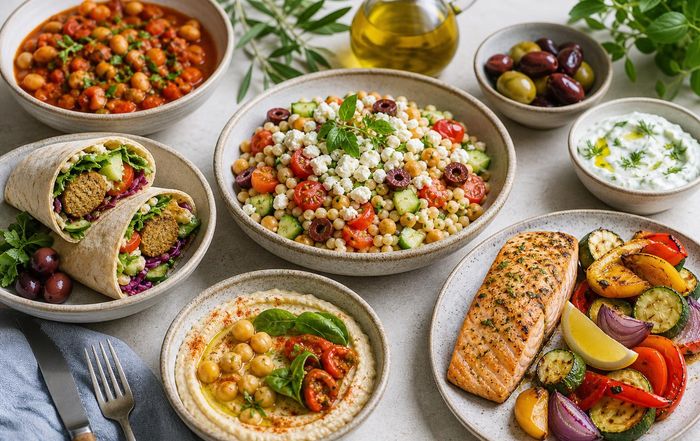
Healthy Mediterranean Lunch Ideas Beyond Salads
Mediterranean eating is often reduced to a single image: a big bowl of salad with olives and feta. In reality, traditional lunches from Greece, Italy, Spain, Turkey, North Africa, and the Middle East are far more varied, hearty, and satisfying. For women trying to eat well while juggling work, family, and personal goals, those classic, home-style dishes can offer exactly what many salads lack: warmth, comfort, and staying power-without sacrificing health.
Nutrition researchers consistently highlight the Mediterranean diet as one of the most evidence-backed eating patterns for heart health, longevity, and metabolic wellbeing. Large cohort studies, including work cited by Harvard T.H. Chan School of Public Health and the Mayo Clinic, associate this way of eating with reduced risk of cardiovascular disease, certain cancers, and cognitive decline, as well as improved weight management. Rather than focusing on restriction, it emphasizes vegetables, legumes, whole grains, nuts, seeds, olive oil, herbs, and modest amounts of fish, dairy, and poultry. That makes it particularly compatible with a busy lifestyle and with a broader focus on self-improvement and wellbeing.
This yummy guide explores Mediterranean-inspired lunch ideas that go well beyond salad-meals you can prep ahead, pack for the office, or enjoy at home. The focus is on practical, flexible dishes that can be adapted to different cultures and dietary needs, while still feeling like real food rather than "diet food."
What Makes a Mediterranean Lunch "Healthy"?
Before diving into recipes, it helps to understand what characterizes a Mediterranean-style lunch from a nutrition perspective, so that it's possible to adapt ideas to local ingredients, preferences, and time constraints. Health authorities such as the World Health Organization and the American Heart Association describe Mediterranean eating patterns as built around plant foods, with olive oil as the main fat, moderate fish and dairy, and only occasional red and processed meat. Instead of counting calories or macros, the emphasis is on food quality and overall pattern.
A balanced Mediterranean lunch typically includes a generous portion of vegetables-cooked or raw-alongside a source of complex carbohydrates such as whole grains or legumes, and a moderate amount of protein from beans, lentils, fish, eggs, yogurt, or lean meat. Extra-virgin olive oil, nuts, or seeds provide healthy fats, which help with satiety and the absorption of fat-soluble vitamins. Herbs, spices, garlic, citrus, and fermented foods bring flavor and beneficial plant compounds, reducing the need for heavy sauces or added sugar. This approach aligns well with a broader health-focused lifestyle, where food supports energy, mood, and long-term wellbeing rather than becoming another source of stress.
For women navigating demanding careers, caregiving, or leadership roles, the practical side matters as much as the science. A "healthy" lunch needs to be realistic: something that can be batch-cooked on Sunday, reheated safely, and eaten between meetings without leaving you sleepy or hungry an hour later. Many traditional Mediterranean dishes were designed for exactly that kind of practicality-one-pot stews, baked casseroles, and simple mezze plates that can be eaten at room temperature. Understanding this structure makes it easier to move beyond salads while keeping the core benefits of the Mediterranean pattern.
Warm Grain Bowls with a Mediterranean Twist
Grain bowls are one of the easiest ways to turn Mediterranean principles into a weekday habit, especially if you're already cooking grains in bulk. Rather than a cold salad, think of a warm, layered bowl built around cooked whole grains like farro, barley, brown rice, bulgur, or quinoa (which, while not traditional to the region, fits the same nutritional profile). Whole grains provide fiber, B vitamins, and slow-release carbohydrates that help stabilize blood sugar, which organizations like the American Diabetes Association highlight as important for long-term metabolic health. Starting with a base of grains allows you to mix and match toppings depending on what you have on hand, which can be a relief on hectic days.
A typical Mediterranean grain bowl might start with warm bulgur drizzled with extra-virgin olive oil, then layered with roasted vegetables such as eggplant, zucchini, peppers, and red onion. Add a scoop of chickpeas or lentils for protein and fiber, and finish with a dollop of plain Greek yogurt or a spoonful of hummus for creaminess. Fresh herbs like parsley, mint, or basil, along with lemon juice and a sprinkle of toasted nuts or seeds, bring brightness and texture. This kind of bowl captures the flavors of dishes like Lebanese mujadara or Turkish grain pilafs but in a format that packs neatly into a lunch container, making it easy to align your lifestyle with your health goals.
For those who prefer some animal protein at lunch, grilled chicken, canned tuna in olive oil, or leftover roasted fish can be added in modest portions. The key is that vegetables and grains still occupy most of the bowl, with protein acting as a complement rather than the main event. If gluten is a concern, naturally gluten-free grains like brown rice or millet can be used instead of wheat-based options like farro or bulgur. Over time, it becomes simple to improvise: any combination of whole grain, vegetables, legumes, and a flavorful sauce can become a satisfying Mediterranean-inspired lunch, offering more warmth and comfort than a cold salad while still aligning with mindful eating principles.
Legume-Based One-Pot Meals: Stews, Braises, and Bakes
Legumes-chickpeas, lentils, beans, and peas-sit at the heart of many Mediterranean cuisines, and they are particularly valuable for women looking to support long-term health and stable energy. Organizations such as the Food and Agriculture Organization of the United Nations and Oldways, a nonprofit that promotes traditional diets, emphasize legumes as affordable, sustainable sources of protein and fiber. They also fit well with plant-forward or flexitarian lifestyles, offering a way to reduce meat without sacrificing satisfaction. For lunch, legume-based stews and braises can be batch-cooked and portioned into containers that reheat beautifully, making them ideal for busy workweeks.
Consider a Greek-inspired chickpea stew simmered with tomatoes, onions, garlic, and spinach, finished with a splash of olive oil and lemon. Or a Moroccan-style lentil and vegetable tagine seasoned with cumin, coriander, paprika, and cinnamon. These dishes are deeply flavored, naturally gluten-free, and can be served over a spoonful of whole grains or with a small piece of whole-grain bread. They're a far cry from the idea of "diet food," yet they align closely with evidence-based recommendations from institutions like the National Health Service in the UK, which encourages higher fiber intake and more plant-based meals to support digestive health and reduce chronic disease risk.
Casserole-style dishes also deserve attention. Baked beans with tomatoes and herbs, Turkish-style baked chickpeas with peppers and onions, or a simple white bean and vegetable gratin topped with a modest amount of cheese all work well as reheatable lunches. These dishes are especially useful for women who need lunches that can be eaten quickly but still feel like a proper hot meal. When paired with a side of raw vegetables, fruit, or a small yogurt, they form a complete, balanced plate that aligns with broader food and health goals. Portioning into single servings as soon as the dish cools can help avoid the common problem of "I'll just have one more spoonful" when working from home.
Mediterranean Wraps, Pitas, and Flatbread Pockets
For those who need something handheld and portable, wraps and pitas offer a practical alternative to salads while still incorporating Mediterranean ingredients. Instead of heavy, processed deli meats and cheese, the focus shifts to vegetables, legumes, and lighter proteins, all wrapped in a whole-grain or high-fiber flatbread. This approach fits well with guidance from organizations like the Academy of Nutrition and Dietetics, which encourages swapping refined grains and processed meats for whole grains and plant-based fillings to support heart health.
A classic option is a whole-wheat pita stuffed with falafel (baked rather than deep-fried if you prefer), shredded lettuce or cabbage, tomatoes, cucumbers, and a drizzle of tahini or yogurt sauce. Another is a wrap filled with grilled vegetables, hummus, and a few slices of grilled chicken or halloumi cheese. For a more Italian-inspired variation, roasted peppers, eggplant, arugula, and a thin layer of fresh mozzarella with pesto made from basil, nuts, and olive oil can be rolled up in a whole-grain tortilla. The key is to keep sauces based on olive oil, tahini, or yogurt rather than heavy mayonnaise, and to make vegetables the bulk of the filling.
These wraps can be assembled the night before and stored in the fridge, though it can help to pack wetter ingredients like tomatoes or sauce separately to avoid sogginess. Many women find that this format feels more "normal" in office environments where sandwiches dominate, but the nutritional profile is closer to a balanced Mediterranean plate. When paired with a side of carrot sticks, olives, or fruit, it becomes a complete meal that supports steady energy through the afternoon, aligning with broader goals around career performance and focus. Over time, experimenting with different regional flavors-Greek, Turkish, Moroccan, Levantine-keeps lunches interesting without requiring entirely new techniques.
Hearty Vegetable and Bean Soups with Olive Oil and Herbs
Soup is a cornerstone of many Mediterranean lunches, especially in cooler months, and it offers an easy way to combine vegetables, legumes, and whole grains in a single comforting bowl. Nutrition authorities such as the Cleveland Clinic often highlight broth-based, vegetable-rich soups as a helpful tool for weight management and appetite control, because they provide volume and fiber for relatively few calories while still feeling substantial. The Mediterranean twist comes from using olive oil, herbs, and spices to build flavor rather than relying on heavy cream or large amounts of meat.
A classic example is Italian minestrone, typically made with beans, seasonal vegetables, tomatoes, and small amounts of pasta or grains, finished with a drizzle of extra-virgin olive oil and a sprinkle of Parmesan. Greek lentil soup (fakes) uses brown lentils, onions, carrots, tomatoes, bay leaves, and vinegar, again finished with olive oil. Spanish-style chickpea and spinach soup or North African harira-traditionally made with lentils, chickpeas, tomatoes, and warming spices-offer similar benefits. These soups can be cooked in large batches, portioned, and frozen, giving you a ready-made lunch option that only needs reheating.
For women balancing health with time constraints, soups have several advantages: they can be eaten quickly, they travel well in a thermos or insulated container, and they are easy to adapt for different dietary needs. Gluten-free versions can be made by using rice or leaving out pasta; vegetarian or vegan versions are straightforward with legumes as the primary protein. A small piece of crusty whole-grain bread or a side of chopped salad can round out the meal. Over time, building a rotation of two or three favorite Mediterranean-style soups can reduce decision fatigue and support a more consistent healthy eating routine without feeling repetitive.
Protein-Rich Mezze Plates for Flexible, Snack-Style Lunches
Not every lunch needs to be a single bowl or a reheated stew. Mezze-style plates-collections of small dishes commonly found in Eastern Mediterranean and Middle Eastern cuisines-offer a flexible, grazing-style approach that can be surprisingly balanced when thoughtfully assembled. For those working from home or in environments where a formal lunch break is rare, a mezze plate can be eaten in stages between tasks, making it a practical option for demanding schedules and leadership roles where uninterrupted time is scarce.
A simple Mediterranean mezze lunch might include hummus or another bean dip, sliced cucumbers and tomatoes, olives, carrot sticks, and a few whole-grain crackers or small pieces of pita. Adding a protein-rich element such as grilled shrimp, a hard-boiled egg, a few slices of smoked salmon, or a small portion of cheese like feta or labneh rounds out the plate. The Mediterranean Diet Foundation and similar organizations emphasize nuts and seeds-almonds, walnuts, sesame-as valuable components of the pattern, so a small handful of nuts can be a useful addition for healthy fats and extra satiety.
This style of eating can also support mindful portioning and awareness of hunger cues. Rather than a large, single dish that might be finished on autopilot, a mezze plate invites you to notice which components you're drawn to and when you feel satisfied. It also adapts well to different cultural preferences and seasonal produce. For women who want to bring more variety and pleasure into their relationship with food without spending hours cooking, keeping a few staples-hummus, olives, nuts, whole-grain crackers, and seasonal vegetables-on hand can make assembling a Mediterranean-inspired lunch as simple as opening the fridge.
Baked Egg and Vegetable Dishes: Frittatas, Tortillas, and More
Egg-based dishes are another Mediterranean staple that works beautifully for lunch, especially because they can be cooked once and eaten over several days. Eggs provide high-quality protein, B vitamins, and choline, and health organizations like the British Heart Foundation note that, for most people, moderate egg consumption can fit comfortably into a heart-healthy pattern when the overall diet is rich in vegetables and low in saturated fat. Combining eggs with generous amounts of vegetables and a modest amount of cheese creates a portable meal that can be enjoyed warm or at room temperature.
Italian frittatas and Spanish tortillas are classic examples. A frittata might include sautéed onions, spinach, peppers, and a small amount of goat cheese or feta, baked in the oven until set and then sliced into wedges. A Spanish tortilla traditionally centers on potatoes and onions cooked in olive oil, bound with eggs, and served in thick slices. Modern variations often add vegetables like peppers or zucchini for extra fiber and color. These dishes are easy to wrap in parchment or store in containers, making them ideal grab-and-go lunches or components of a larger mezze plate.
For women managing busy careers or studying while working, baking a large frittata on Sunday can provide several days of ready-made lunches with minimal additional effort-just add a piece of fruit or a side of roasted vegetables. This approach aligns with a broader lifestyle strategy focused on planning ahead to reduce decision fatigue and support consistent, nourishing choices. It also offers a way to use up leftover vegetables, reducing food waste and saving money, which can be especially appealing for those balancing financial goals with health priorities.
Smart Shortcuts and Meal-Prep Strategies
Even the healthiest lunch ideas can fail if they're too complicated to sustain. Mediterranean-style eating lends itself well to smart shortcuts, many of which are supported by mainstream nutrition advice from organizations like the U.S. Department of Agriculture and Dietitians of Canada, which encourage home cooking but acknowledge that convenience foods can play a supportive role when chosen carefully. The key is to distinguish between helpful shortcuts-like canned beans and frozen vegetables-and ultra-processed items high in salt, sugar, and unhealthy fats.
Stocking a pantry with canned chickpeas, lentils, and beans, jars of roasted peppers and artichokes, canned tuna or sardines in olive oil, and whole grains like couscous or bulgur that cook quickly can make Mediterranean lunches far more achievable on busy days. Frozen spinach, peas, and mixed vegetables can be added to soups, stews, and grain bowls without much prep. Ready-made hummus, plain Greek yogurt, and whole-grain pitas or crackers can turn a bare fridge into a mezze-style lunch in minutes. These ingredients make it easier to live out the values often discussed in self-care and wellness conversations without requiring elaborate cooking skills.
Meal-prep habits can also make a significant difference. Cooking one large pot of bean stew, roasting a tray of mixed vegetables, and preparing a batch of whole grains at the start of the week creates a foundation for multiple lunches: one day as a grain bowl, another as a wrap, and another as a side to an egg-based dish. Portioning meals into containers and storing dressings or sauces separately helps maintain texture and flavor. For women leading teams or managing family schedules, these small systems can free up mental space and time, allowing food to support, rather than compete with, other ambitions.
Bringing It All Together
Moving beyond salads does not mean abandoning the Mediterranean way of eating; it often means embracing it more fully. Traditional lunches from across the region are warm, varied, and deeply satisfying, built around vegetables, legumes, whole grains, and olive oil, with protein added thoughtfully rather than dominating the plate. Grain bowls, legume stews, wraps and pitas, hearty soups, mezze plates, and baked egg dishes all offer practical, portable options that fit into modern routines while aligning with the health benefits documented by organizations such as Harvard T.H. Chan School of Public Health, the World Health Organization, and national health services.
For women balancing work, family, and personal growth, these dishes can be more than just recipes. They can become daily rituals that support energy, mood, and focus, reinforcing bigger goals in areas like leadership, career development, and overall lifestyle design. By keeping a few core principles in mind-prioritizing plants, choosing whole grains, using olive oil generously but mindfully, and planning ahead-it becomes possible to create Mediterranean-inspired lunches that feel indulgent yet grounded, familiar yet nourishing. Over time, that combination of pleasure and practicality is often what makes healthy eating sustainable.
