
French Pharmacy Skincare: What Really Makes It Different?
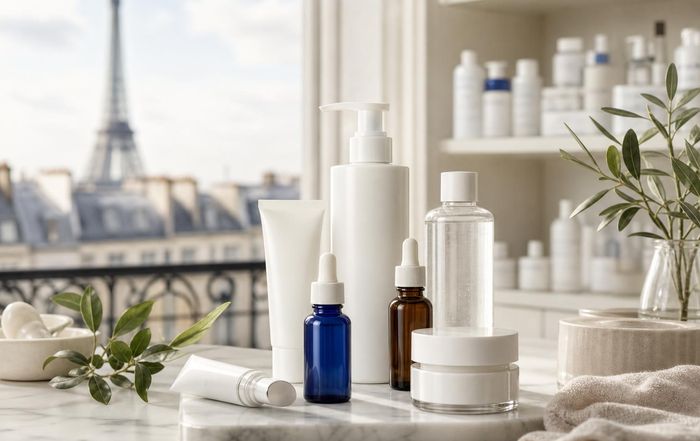
Walk into almost any French pharmacy and the skincare shelves look strikingly different from the glossy displays in many beauty chains elsewhere. Rows of white bottles, clinical fonts, long ingredient names in small print, and very few flashy promises. Yet these understated products have a loyal global following and are often recommended by dermatologists and makeup artists alike. For many women, "French pharmacy skincare" has become shorthand for gentle, effective, and quietly chic skin care. But what, beyond the aesthetic, actually makes it different?
This hot page unpacks the science, culture, and regulation behind French pharmacy brands, explores how they compare to other skincare traditions, and offers a practical guide for building a routine inspired by that pharmacy-first approach-without needing a plane ticket to Paris.
How French Pharmacy Beauty Evolved
French pharmacy skincare grew out of medicine rather than the beauty counter. Many of the best-known brands started as dermo-cosmetic lines, developed in collaboration with dermatologists and often tested in hospitals or clinical settings. Companies such as La Roche-Posay, Avène, and Bioderma built their reputations not through celebrity campaigns, but through prescriptions and doctor recommendations for patients with eczema, acne, rosacea, or highly sensitive skin.
This medical orientation is reinforced by the role of the pharmacist in France. Pharmacists are highly trained and widely trusted health professionals; in many communities they act as a first point of contact for everyday health and skin concerns. The French National Order of Pharmacists and the country's regulatory structure place strong emphasis on patient safety and evidence-based advice, which shapes what appears on shelves and how it is sold. It is common for customers to walk in with redness, breakouts, or a prescription and leave with a tailored combination of medicine and skincare approved by the pharmacist.
Over time, this created a culture in which skincare is seen less as a luxury indulgence and more as a form of health care-an extension of dermatology and everyday hygiene. The understated packaging and clinical names reflect that heritage. While French beauty certainly has its glamorous side, the pharmacy tradition is firmly rooted in practicality: calm the skin, maintain its barrier, prevent flare-ups, and avoid unnecessary irritants.
Regulation, Safety, and the "Less-Is-More" Mindset
One of the biggest differences between French pharmacy skincare and many mass-market products elsewhere lies in how they are regulated and formulated. In France and across the European Union, cosmetic products must comply with the EU Cosmetics Regulation, which is overseen by bodies such as the European Commission and monitored by agencies like ANSM in France and the European Medicines Agency for related health products. These rules include strict lists of banned or restricted substances, maximum concentrations for certain ingredients, and mandatory safety assessments before products reach the market.
Compared with some other regions, the EU framework tends to be more precautionary: ingredients may be restricted or banned when there is credible concern, even if long-term data is still evolving. This does not mean European products are automatically "safer," but it does shape the palette chemists work with. French dermo-cosmetic brands often highlight that their formulas are hypoallergenic, fragrance-free, or tested on sensitive skin, and many avoid common irritants such as certain essential oils or high levels of alcohol in leave-on products.
This regulatory environment dovetails with a cultural preference for minimalism in skincare. The typical French pharmacy routine for sensitive or irritated skin often includes just three or four steps: a gentle cleanser, a non-stripping toner or thermal water, a basic moisturizer, and daily sunscreen. Strong exfoliants, high-dose acids, and aggressive multi-step regimens are used more selectively, often under professional guidance. This contrasts with the multi-step layering popularized by some K-beauty routines or the high-intensity actives common in North American "clinical" brands.
The guiding principle is to respect the skin barrier. Many French products emphasize barrier-supporting ingredients such as ceramides, niacinamide, glycerin, and soothing botanical extracts, while avoiding anything that might over-sensitize the skin when used long term. Dermatology societies, such as the French Society of Dermatology and international bodies like the American Academy of Dermatology at a global level, have increasingly highlighted the importance of barrier health, which aligns closely with what French pharmacy brands have championed for decades.
Signature Ingredients and Thermal Spring Waters
Another hallmark of French pharmacy skincare is the emphasis on thermal spring water and specific mineral-rich sources. Brands like Avène, La Roche-Posay, and Vichy are built around proprietary waters from particular regions of France, each with its own mineral composition and documented soothing properties. These waters are often used as key components in cleansers, mists, and creams designed for eczema, rosacea, or post-procedure care.
Beyond water, many French pharmacy products rely on a fairly consistent set of well-studied ingredients:
Niacinamide for redness, barrier support, and mild brightening.
Panthenol (provitamin B5) for soothing and repair.
Ceramides and skin-identical lipids to strengthen the barrier.
Glycerin and hyaluronic acid for hydration.
Non-fragrant plant oils like shea butter or squalane for emollience.
These are often combined in relatively low, balanced concentrations rather than in extreme "maximum strength" doses. The goal is cumulative benefit with minimal risk of irritation. French research institutions and universities, including Université Paris Cité and other medical faculties, have contributed to dermatology research that informs these formulations, while broader scientific reviews from organizations such as PubMed and Cochrane have helped clarify which ingredients actually deliver on their claims.
The result is a portfolio of products that may not sound exciting on paper-"soothing cream," "hydrating serum," "lipid-replenishing balm"-but tend to be reliable workhorses for a wide range of skin types, including reactive and compromised skin.
How French Pharmacy Skincare Compares Globally
For women navigating a crowded global beauty market, it can be useful to understand how French pharmacy traditions differ from other major skincare cultures:
In comparison with many North American brands, French pharmacy lines usually offer fewer bold claims and less trend-chasing. Where some U.S. or Canadian products emphasize rapid transformation-peel pads, strong retinoids, high-percentage acids-French pharmacy tends to favor slow-and-steady maintenance. Dermatologists in both regions may recommend similar active ingredients, but French products often deliver them in more cushioned, hydrating bases designed for long-term tolerance.
Relative to K-beauty and other East Asian skincare cultures, French pharmacy routines are typically shorter and more stripped back. Korean and Japanese brands often focus on multi-layer hydration, innovative textures, and a wide variety of essences, ampoules, and targeted boosters. French pharmacy, by contrast, leans on a small number of multi-tasking products and is less likely to incorporate fragrance or essential oils, especially in lines marketed for sensitive skin. That said, both traditions share a strong emphasis on daily sunscreen and gentle cleansing.
Compared with some natural or "clean beauty" movements, French pharmacy skincare is generally more comfortable with synthetic ingredients, provided they pass safety assessments and are well tolerated. While many formulas use plant-derived components, the priority is evidence-based efficacy and low irritation, not a blanket avoidance of synthetics. Regulatory bodies like the European Commission and scientific committees advising on cosmetic safety have repeatedly emphasized that "natural" does not automatically equal safer, a view that underpins much of the French dermo-cosmetic philosophy.
For readers interested in a balanced, science-informed approach to skincare, this blend of pragmatism and restraint can be particularly appealing. It offers a middle path between maximalist routines and ingredient-avoidance lists that can become overwhelming.
The Role of the Pharmacist: Quiet Personalization
One reason French pharmacy skincare feels different is the human layer built into the experience. In many French pharmacies, customers are encouraged to ask questions, describe their skin concerns, and even show their skin to the pharmacist. This is not quite the same as a dermatologist visit, but it is more medically oriented than a typical retail consultation.
Pharmacists receive extensive training in pharmacology, dermatology basics, and product formulation. Professional organizations, including the French National Order of Pharmacists, help set standards for practice and continuing education. That means advice in the pharmacy is more likely to consider medical history, current medications, and diagnosed conditions such as eczema, psoriasis, or acne. Recommendations may include both over-the-counter dermo-cosmetic products and prescription treatments, with guidance on how to layer them safely.
For women outside France, this model highlights the value of seeking advice from health professionals rather than relying solely on social media or marketing. While not every country has the same pharmacy culture, many pharmacists, dermatologists, and primary care providers worldwide can offer guidance on building a routine around gentle, evidence-based products. In parallel, reputable health organizations such as the World Health Organization and national dermatology societies publish accessible information on skin health that can help consumers make more informed choices.
Building a French Pharmacy-Inspired Routine
A French pharmacy-inspired routine does not require specific brand names so much as a set of principles: simplicity, barrier protection, and consistency. For most people, a basic structure might look like this:
Morning often starts with either a very gentle cleanser or simply rinsing with lukewarm water, especially for dry or sensitive skin. The aim is to avoid stripping the skin's natural lipids. A hydrating serum or light lotion can follow, focusing on ingredients like glycerin, hyaluronic acid, or niacinamide rather than strong acids. The non-negotiable step is sunscreen: broad-spectrum SPF 30 or higher, applied generously. French pharmacy brands have long been leaders in cosmetically elegant sunscreens, and international guidelines from organizations such as the American Academy of Dermatology and the European Academy of Dermatology and Venereology similarly emphasize daily sun protection to reduce photoaging and skin cancer risk.
Evening routines typically include a thorough but gentle cleanse to remove sunscreen, pollution, and makeup. Many French products use non-foaming milks, micellar waters, or oil-based cleansers that rinse clean without leaving a tight feeling. A soothing or barrier-repair moisturizer follows, sometimes with a targeted treatment such as a low- to mid-strength retinoid for those who tolerate it well. Rather than layering multiple active serums nightly, a French pharmacy approach would introduce one strong active at a time, monitor the skin's response, and adjust frequency as needed.
For readers exploring broader lifestyle and wellbeing changes, this pared-back skincare philosophy fits naturally alongside a more holistic self-care mindset. Gentle routines that respect the skin barrier can complement practices like mindfulness and stress management, which also influence skin conditions such as acne and eczema through hormonal and inflammatory pathways.
Who Benefits Most from French Pharmacy Skincare?
While many skin types can do well on French pharmacy products, certain groups may find them especially helpful. People with sensitive or reactive skin, including those prone to redness, stinging, or dermatitis, often appreciate the fragrance-free, hypoallergenic lines formulated for tolerance. Women experiencing hormonal shifts-whether during pregnancy, postpartum, perimenopause, or menopause-may also find that their usual products suddenly feel too harsh; a switch to simpler, barrier-focused formulas can be a relief.
Those using prescription treatments such as retinoids, benzoyl peroxide, or topical antibiotics frequently need supportive products to minimize dryness and irritation. Dermatologists often recommend bland moisturizers and gentle cleansers from dermo-cosmetic brands for this purpose. International dermatology guidelines, including those from the American Academy of Dermatology, routinely stress the importance of gentle skincare alongside medical treatment for acne, rosacea, and eczema, a message that aligns closely with French pharmacy practice.
There is also a psychological dimension. For many women juggling work, caregiving, and other responsibilities, elaborate routines can feel like yet another task. A small, reliable set of products that "just work" can reduce decision fatigue and free up time and mental space for other aspects of wellbeing, from career development to self-improvement or creative pursuits.
Potential Drawbacks and Misconceptions
Despite its reputation, French pharmacy skincare is not a magic solution or a perfect fit for everyone. A few caveats are worth keeping in mind.
First, "French pharmacy" is not a regulated category. As the concept has grown popular internationally, many brands market themselves with French-sounding names or aesthetic cues without necessarily sharing the same formulation philosophy or testing standards. Consumers still need to read ingredient lists and look for credible information, whether from dermatology organizations, regulatory agencies like the European Commission, or independent health resources such as Mayo Clinic and NHS.
Second, while many products are reasonably priced in France, international markups can be substantial. Import costs, distribution, and local retail strategies often mean that what is considered everyday skincare in Paris becomes a prestige product elsewhere. It is entirely possible to create a French pharmacy-style routine using local brands that follow similar principles: gentle surfactants, barrier-supporting ingredients, minimal fragrance, and evidence-based actives. Exploring health-focused and lifestyle resources can help place skincare in a broader context of accessible wellbeing rather than purely aspirational consumption.
Third, minimalism is not automatically better if it ignores specific skin needs. Some conditions genuinely require targeted actives at certain strengths or prescription treatments, and self-diagnosing based on trends can delay proper care. Persistent or severe issues-sudden rashes, painful cystic acne, changing moles, or non-healing lesions-warrant professional evaluation. National health services and professional bodies, from the NHS in the UK to dermatology associations worldwide, consistently advise seeking medical help for concerning or worsening skin symptoms.
Finally, French pharmacy brands, like all companies, are commercial entities. While many invest in clinical research, marketing claims can still be selective or exaggerated. Independent reviews, dermatologist commentary, and scientific literature accessed through platforms like PubMed can offer a more balanced view of what a product or ingredient can realistically achieve.
Bringing the French Pharmacy Approach into Everyday Life
At its core, French pharmacy skincare is less about specific labels and more about an attitude toward skin health: respect, restraint, and routine. It invites women to treat their skin as an organ that needs protection and support, not constant correction. That perspective can be quietly empowering, especially in a culture that often equates beauty with perfection and endless "fixing."
Translating this into daily life might mean editing a cluttered bathroom shelf down to a few well-chosen essentials, prioritizing sunscreen over the latest brightening fad, or choosing fragrance-free formulas when your skin is under stress. It might also mean seeking guidance from health professionals rather than relying solely on viral product hauls, and integrating skincare into a broader pattern of self-care that includes sleep, nutrition, and stress management-areas explored across women's health, food, and guide content on this site.
French pharmacy traditions will continue to evolve alongside new research, regulations, and consumer expectations. But their enduring appeal suggests that many women are still drawn to an approach that is calm rather than sensational, grounded in dermatology rather than hype, and focused on making skin feel comfortable in its own texture. In a beauty world that often asks for more-more steps, more actives, more promises-the quiet discipline of the pharmacy shelf offers a different kind of luxury: enough.
