
The Quiet Power of Wabi-Sabi: Redefining Home, Work, and Life in 2026
Understanding Wabi-Sabi in a Hyper-Optimized World
In 2026, as digital acceleration, artificial intelligence, and global uncertainty continue to reshape how people live and work, the Japanese philosophy of wabi-sabi is emerging as a quiet counterbalance, inviting individuals and organizations to embrace imperfection, impermanence, and authenticity. Originating from Zen Buddhism and deeply rooted in traditional Japanese aesthetics, wabi-sabi is not a design trend or a minimalist fad; it is a worldview that recognizes the beauty of the incomplete, the transient, and the modest, and it offers a grounded response to the pressures of relentless optimization that dominate contemporary life in major economies from the United States and the United Kingdom to Japan, South Korea, and beyond. Those seeking a deeper understanding of the cultural and historical context of this philosophy can explore broader perspectives on Japanese aesthetics through resources such as the Metropolitan Museum of Art and the Stanford Encyclopedia of Philosophy.
For readers of HerStage, whose interests span women's leadership, lifestyle, career, and wellbeing across global regions including Europe, Asia, North America, and Africa, wabi-sabi offers more than a visual style; it provides a framework for rethinking success, resilience, and personal agency in both private and professional spheres. By integrating this philosophy into their homes, careers, and self-development journeys, women and allies can cultivate environments that are not only aesthetically calming but also psychologically sustainable, especially in a world where social media often amplifies unrealistic standards of beauty, productivity, and achievement. Those already exploring mindful living and intentional choices on HerStage can find natural extensions of this philosophy in sections such as Lifestyle and Mindfulness, where the emphasis on presence, balance, and conscious design aligns closely with the principles of wabi-sabi.
From Aesthetic Concept to Life Philosophy
Wabi-sabi is often introduced to Western audiences as a rustic design style characterized by natural materials, muted tones, and artisanal objects, yet historically it is far more profound than a visual preference. The term "wabi" has roots in notions of simplicity, solitude, and the quiet contentment that can be found in a humble life, while "sabi" refers to the patina of age, the dignity of wear, and the passage of time visible on objects and in nature. Together, they form a philosophy that values authenticity over polish, subtlety over spectacle, and depth over surface perfection. Scholars of Japanese culture, such as those featured through institutions like Columbia University's Department of East Asian Languages and Cultures, highlight that wabi-sabi developed in contrast to ornate aesthetics, championing the flawed tea bowl over the flawless piece of porcelain.
In the context of modern life, this philosophy challenges the dominant narratives of scalability, perpetual growth, and constant "upgrades" that characterize much of the global economy. Instead of seeking to eradicate flaws, wabi-sabi suggests that cracks, asymmetry, and irregularities can be sources of meaning and beauty. This idea resonates strongly with contemporary psychological research on self-acceptance and resilience, as evidenced by work published through organizations such as the American Psychological Association, which underscores the importance of embracing imperfection in mental health and wellbeing. For professional women navigating demanding careers in sectors from technology in the United States to finance in the United Kingdom or manufacturing in Germany, wabi-sabi offers a framework for redefining excellence as something grounded, human, and sustainable rather than relentlessly flawless.
Wabi-Sabi at Home: Designing Spaces That Breathe
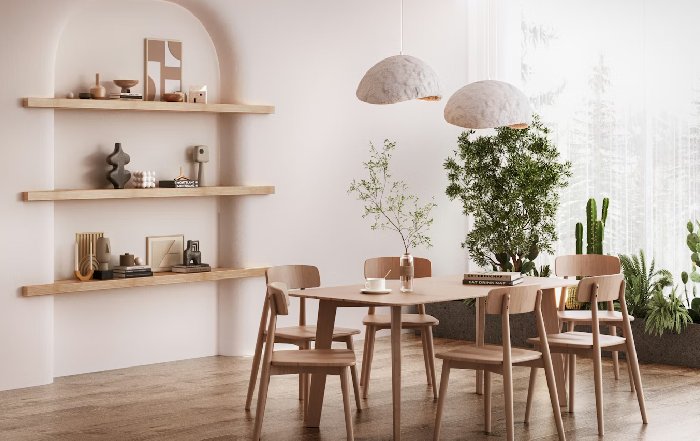
In homes across cities such as New York, London, Berlin, Tokyo, Singapore, and Sydney, the desire for calmer, more restorative living spaces has intensified in the aftermath of years of hybrid work, digital fatigue, and global disruption. Wabi-sabi offers a design language that is inherently supportive of wellbeing, inviting individuals to create environments that are not only visually soothing but also emotionally grounding. Rather than focusing on perfect coordination or trend-driven decor, wabi-sabi interiors prioritize natural materials such as wood, linen, clay, and stone, objects that show their age gracefully, and spaces that accept a degree of incompleteness and spontaneity. Those interested in broader evidence on how the built environment influences health can explore resources from the World Health Organization and research highlighted by the Harvard T.H. Chan School of Public Health, which emphasize the role of light, nature, and sensory calm in supporting mental wellbeing.
Within the HerStage community, where conversations around Home, Lifestyle, and Self-Improvement intersect with design, career, and emotional health, wabi-sabi offers a practical approach to curating spaces that reflect real lives rather than idealized magazine spreads. A wabi-sabi living room in Toronto or Copenhagen might feature a reclaimed wooden table with visible knots and imperfections, ceramics from a local craftswoman in Cape Town or São Paulo with slight variations in shape, or a linen sofa that becomes softer and more inviting with age. Instead of concealing signs of use, the home becomes a living record of experiences, relationships, and seasons, aligning with a more sustainable approach to consumption that reduces the pressure for constant replacement. Those who wish to explore sustainable design and responsible material choices in more detail can learn from organizations such as the Ellen MacArthur Foundation, which advocates for circular economy principles that harmonize naturally with wabi-sabi's respect for longevity and repair.
The Wabi-Sabi Kitchen and the Ritual of Everyday Nourishment
In many cultures, the kitchen functions as the emotional heart of the home, and wabi-sabi brings renewed attention to the quiet rituals of cooking, sharing, and nourishing that occur there. Rather than aspiring to an immaculate, showroom-perfect kitchen, this philosophy encourages an environment where tools are well-used, ingredients are seasonal and local when possible, and meals are valued for their warmth and authenticity rather than their photogenic presentation. A chipped but beloved mug in Melbourne, a hand-thrown bowl in Barcelona, or a cast-iron pan seasoned over years in Chicago all embody the wabi-sabi principle that use and care deepen the value of objects. For readers interested in how such everyday rituals contribute to holistic wellbeing, resources from organizations such as the Harvard Medical School provide evidence linking mindful eating and home cooking to improved health outcomes and emotional balance.
For the HerStage audience exploring Food and health-conscious lifestyles, wabi-sabi cooking practices can serve as an antidote to the perfectionism often amplified by social media, where meals are judged by their aesthetic rather than their nourishment or the relationships they support. Embracing slightly irregular produce from local markets in Italy or France, repurposing leftovers creatively in households in Canada or South Korea, and valuing simple, ingredient-focused dishes over elaborate, time-consuming presentations all align with this philosophy. This approach also supports broader sustainability goals by reducing food waste and encouraging more conscious consumption, themes that are increasingly important in global discussions on climate and food systems, as highlighted by organizations such as the Food and Agriculture Organization of the United Nations.
Beauty, Fashion, and Glamour: Imperfection as Identity
In the realms of beauty, fashion, and glamour, wabi-sabi provides a powerful framework for challenging rigid standards and expanding definitions of attractiveness and style, particularly for women who face intense scrutiny in both personal and professional settings. Instead of idealizing flawless skin, symmetrical features, or meticulously curated wardrobes, this philosophy celebrates individuality, subtlety, and the stories that age, experience, and difference inscribe on the body. For the HerStage community engaged with Beauty, Fashion, and Glamour, wabi-sabi invites a shift from perfection as performance to presence as power.
This reorientation is reinforced by a growing body of research in psychology and body image studies, including work shared by organizations such as the National Institutes of Health and the Cleveland Clinic, which highlights the harmful effects of unrealistic beauty standards and the mental health benefits of self-compassion and body acceptance. In practical terms, wabi-sabi beauty might mean favoring skincare that supports the skin's natural texture rather than concealing it completely, choosing clothing that ages gracefully and reflects personal stories rather than fast fashion cycles, and embracing hairstyles, makeup, and personal style choices that feel authentic in Mumbai, Lagos, Stockholm, or Los Angeles. Imperfections become signatures rather than flaws, and style becomes less about conformity and more about coherence with one's lived experience.
Leadership and Business: A Wabi-Sabi Approach to Strategy and Culture
Beyond the home and personal aesthetics, wabi-sabi has profound implications for leadership, organizational culture, and business strategy, particularly in a volatile global environment characterized by rapid technological change, geopolitical uncertainty, and shifting workforce expectations. Leaders across industries in the United States, Europe, Asia, and Africa are recognizing that rigid perfectionism and zero-tolerance cultures can stifle innovation, damage psychological safety, and undermine long-term performance. A wabi-sabi approach to leadership acknowledges that all systems are imperfect, all strategies are provisional, and all organizations are in a state of ongoing evolution. This perspective is increasingly reflected in thought leadership from institutions such as Harvard Business School and the MIT Sloan Management Review, which emphasize adaptability, experimentation, and learning from failure as essential capabilities for modern enterprises.
For readers exploring Leadership and Business on HerStage, wabi-sabi translates into concrete practices such as encouraging incremental innovation rather than waiting for perfect solutions, normalizing transparent conversations about mistakes and near-misses, and designing processes that allow for iteration rather than demanding flawless execution from the outset. In a wabi-sabi-informed workplace in Amsterdam, Johannesburg, or Seoul, a leader might openly share lessons from their own missteps, invite diverse perspectives early in decision-making, and view organizational "cracks"-whether in communication, process, or structure-as signals for learning and refinement rather than as evidence of failure. This approach aligns with global trends toward more human-centered workplaces, as reflected in research by organizations like the World Economic Forum, which underscores the value of empathy, emotional intelligence, and resilience as critical leadership skills in 2026.
Career Development and the Non-Linear Path
In many countries, particularly in competitive economies such as the United States, United Kingdom, Germany, Singapore, and South Korea, professional success has long been framed as a linear ascent marked by promotions, salary growth, and increasingly prestigious titles. However, the realities of modern careers-shaped by industry disruptions, remote work, caregiving responsibilities, and shifting personal priorities-often look far more complex and non-linear, especially for women who navigate intersecting roles at home and in the workplace. Wabi-sabi offers a powerful lens for reframing these non-linear paths not as deviations from an ideal trajectory but as authentic expressions of a life lived in alignment with changing contexts and values. Those interested in data and insights on evolving career patterns can explore resources from the International Labour Organization and the OECD, which document structural shifts in global labor markets.
For the HerStage audience focused on Career growth and self-defined success, wabi-sabi suggests that pauses, pivots, and plateaus in a professional journey may carry as much wisdom as periods of visible advancement. A career break to care for a family member in Canada, a shift from corporate law in Paris to social entrepreneurship in Nairobi, or a decision to scale back hours for health reasons in Tokyo can all be understood as integral chapters rather than regrettable detours. By acknowledging that careers, like handcrafted objects, acquire depth and character through wear, repair, and reinvention, professionals can cultivate greater resilience, reduce shame around perceived "gaps," and make more values-aligned choices. This perspective aligns with the broader ethos of Self-Improvement on HerStage, where growth is understood as cyclical and holistic rather than purely upward and linear.
Mindfulness, Mental Health, and the Wabi-Sabi Mindset
At its core, wabi-sabi is inseparable from mindfulness, as it requires a sustained attention to the present moment, a willingness to notice subtle details, and an acceptance of the fleeting nature of all experiences. In an era marked by constant notifications, information overload, and geopolitical tension spanning continents from North America and Europe to Asia and Africa, this mindset can serve as a powerful buffer against anxiety and burnout. Mindfulness-based interventions, widely studied and promoted by organizations such as the Mayo Clinic and the National Health Service in the UK, already demonstrate benefits for stress reduction, emotional regulation, and overall wellbeing; wabi-sabi extends these practices by encouraging individuals to find beauty and meaning not only in moments of calm but also in the imperfect, messy, and unfinished aspects of daily life.
For readers engaging with Mindfulness and Health content on HerStage, adopting a wabi-sabi mindset can mean approaching meditation, journaling, or reflective practices without the expectation of achieving "perfect" focus or constant serenity. Instead, the wandering mind, the restless body, or the emotional turbulence that arises in practice are recognized as natural expressions of an ever-changing human experience. This attitude can be especially liberating for high-achieving professionals in cities such as Zurich, Hong Kong, or New York, who may unconsciously apply performance metrics even to their wellbeing routines. By allowing room for imperfection, individuals can cultivate a more compassionate inner dialogue, which in turn supports healthier relationships, more grounded decision-making, and a greater capacity to navigate uncertainty.
Education, Learning, and the Value of Incomplete Knowledge
The philosophy of wabi-sabi also carries important implications for how societies in regions from Europe and Asia to Africa and South America approach education and lifelong learning. Traditional models often prioritize standardized testing, right answers, and the appearance of mastery, which can discourage curiosity, risk-taking, and creative exploration. Wabi-sabi, by contrast, acknowledges that knowledge is always partial, provisional, and evolving, and that genuine learning involves mistakes, revisions, and periods of confusion. Educational researchers and institutions such as UNESCO and leading universities around the world have increasingly emphasized the importance of growth mindsets, project-based learning, and resilience, all of which align with this philosophy.
For the HerStage readership exploring Education and professional development, this perspective encourages a redefinition of expertise as the capacity to remain curious, adaptable, and humble in the face of new information, rather than as a static state of knowing. Whether someone is learning a new language in Madrid, acquiring data skills in Bangalore, or returning to formal education in Johannesburg after years in the workforce, wabi-sabi invites them to view their "beginner's mistakes" not as evidence of inadequacy but as essential steps in the process of growth. This approach is particularly valuable in 2026, when technological change and shifting global markets require continuous upskilling and reskilling, and when the most effective professionals are often those who can comfortably inhabit the space of "not yet knowing."
Global Relevance: Wabi-Sabi Across Cultures and Regions
Although wabi-sabi is deeply rooted in Japanese culture, its core principles resonate across continents and traditions, from Scandinavian notions of hygge and lagom to African philosophies of ubuntu and indigenous perspectives on interconnectedness and impermanence. In the United States and Canada, the philosophy is influencing interior design, slow living movements, and wellness practices; in the United Kingdom, Germany, France, and the Netherlands, it intersects with sustainability, craft, and conscious consumption; in Australia and New Zealand, it aligns with outdoor-oriented lifestyles and respect for natural landscapes; in Brazil, South Africa, and other parts of the Global South, it echoes long-standing cultural practices that prioritize community, repair, and resourcefulness. Those interested in broader cross-cultural perspectives on wellbeing and sustainability can explore reports and analyses from organizations such as the United Nations Development Programme.
For a global platform like HerStage, which speaks to readers from Singapore and Denmark to Thailand and Finland, the universality of wabi-sabi lies in its invitation to honor local materials, traditions, and social realities rather than imposing a single aesthetic or lifestyle template. A wabi-sabi home in Seoul will look different from one in Nairobi or Buenos Aires, just as a wabi-sabi approach to career and leadership in Zurich will differ from that in Bangkok or Los Angeles. The common thread is a shared commitment to authenticity, humility, and a deep respect for the imperfect and the transient, whether manifested in a hand-mended garment, a restructured work schedule, or a community initiative that evolves over time rather than launching in a fully polished form.
Integrating Wabi-Sabi into the HerStage Journey
As HerStage continues to evolve as a global destination for women and allies interested in lifestyle, leadership, beauty, career, and holistic wellbeing, the philosophy of wabi-sabi offers a unifying thread that can weave through every section of the platform. In Women and World stories, it can shape narratives that highlight real, unvarnished journeys rather than only polished success stories. In Lifestyle and Guide content, it can inform practical frameworks for designing homes, routines, and habits that are sustainable and deeply personal. In business and career features, it can support a redefinition of leadership and achievement that values vulnerability, adaptability, and long-term impact over short-term perfection.
Ultimately, wabi-sabi invites the HerStage community to see their lives, homes, and careers as evolving works in progress rather than finished products to be constantly judged and compared. In a world that often demands speed, certainty, and flawless performance, this philosophy offers a quieter but profoundly powerful alternative: to move more slowly when possible, to notice the subtle beauty in everyday wear and tear, to accept that change and loss are inevitable, and to recognize that depth, meaning, and trust are often found not in perfection but in the honest acknowledgment of imperfection. As 2026 unfolds with its mix of promise and unpredictability across continents and cultures, wabi-sabi stands as a timeless guide, reminding individuals and organizations alike that there is strength in softness, wisdom in incompleteness, and enduring beauty in the imperfect realities of human life.
