
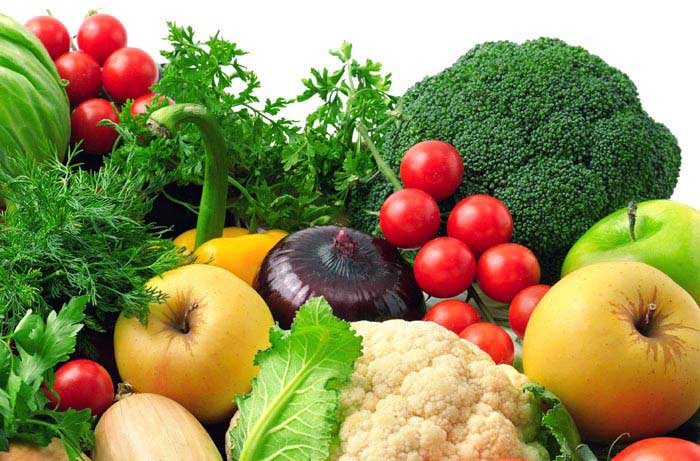
Starting a Healthy Diet in 2026: A Strategic Guide for Women's Lives and Leadership
In 2026, women across the world are navigating an increasingly complex landscape of responsibilities, opportunities, and expectations. On Herstage, where conversations on women, lifestyle, leadership, self-improvement, and global culture intersect, a healthy diet is understood not simply as a set of food choices but as a foundation for physical vitality, mental clarity, and authentic leadership in every sphere of life.
The global conversation around food has also evolved. Advances in nutrition science, the rise of digital health tools, and growing awareness of planetary sustainability have reshaped how women think about what they eat. At the same time, misinformation, extreme diet trends, and social media pressures have made it harder to distinguish evidence-based guidance from fleeting fads. Against this backdrop, starting a healthy diet in 2026 requires more than enthusiasm; it calls for informed decision-making, self-knowledge, and a commitment to long-term, realistic change. For the Herstage audience, this means integrating nutrition into a broader vision of personal growth, career development, and global awareness, rather than treating it as an isolated project.
The Modern Foundations of a Healthy Diet
Across continents and cultures, the core principles of a healthy diet remain remarkably consistent, even as culinary traditions differ. Leading authorities such as the World Health Organization (WHO) and the U.S. Department of Agriculture (USDA) continue to emphasize balance, variety, and moderation as the central pillars of sound nutrition. Proteins, complex carbohydrates, and healthy fats form the macronutrient base, while vitamins, minerals, and phytonutrients complete the picture of what the body requires to function optimally. These nutrients collectively support immunity, hormonal health, cognitive performance, emotional stability, and protection against chronic diseases that disproportionately affect women, including cardiovascular disease, osteoporosis, and certain cancers.
In 2026, the conversation has become more nuanced and life-stage specific. Adolescent girls in Europe, Asia, and North America are encouraged to prioritize iron, calcium, and high-quality protein to support growth and prevent deficiencies that can impact academic performance and long-term health. Women in their 20s and 30s are increasingly aware of the role that diet plays in fertility, mental health, and workplace performance, often consulting resources such as the Harvard T.H. Chan School of Public Health to understand how whole grains, lean proteins, and healthy fats contribute to sustained focus and energy. For women approaching or experiencing menopause, organizations like the North American Menopause Society and the National Health Service (NHS) in the United Kingdom highlight the importance of calcium, vitamin D, and phytoestrogen-rich foods to support bone density, cardiovascular health, and mood regulation. These evolving needs underscore a central truth: a healthy diet is not static but must adapt as a woman's body, responsibilities, and environment change over time.
Mindset as the Strategic Starting Point
Before any adjustments are made in the kitchen or at the grocery store, the most powerful shift occurs in mindset. Many traditional diet narratives have framed eating changes as punishment, restriction, or a desperate response to dissatisfaction with body image. In contrast, the Herstage perspective treats nutrition as an act of self-leadership and self-respect, aligned with the broader themes of self-improvement and sustainable lifestyle design. When women see food choices as strategic investments in energy, emotional stability, and long-term autonomy, the process of starting a healthy diet becomes less about deprivation and more about empowerment.
This mindset shift involves reframing questions. Instead of focusing on what must be eliminated, women are encouraged to ask what can be added to enhance nourishment: more colorful vegetables, more fiber-rich whole grains, more high-quality proteins, and more hydrating, minimally processed beverages. This approach, increasingly supported by behavioral research from institutions such as Stanford University and University College London, recognizes that positive, additive strategies are more sustainable than rigid restriction. It also respects cultural and personal preferences, acknowledging that a woman in Tokyo, Cape Town, or Toronto may define "healthy" differently based on tradition, availability, and lifestyle. By anchoring dietary change in self-compassion and long-term goals rather than short-term aesthetic outcomes, women create a psychological environment in which new habits can take root.
Assessing Current Habits with Honesty and Data
Effective change begins with an accurate picture of the present. In 2026, women have access to an unprecedented range of digital tools that can help them understand how they eat, when they eat, and why they eat the way they do. Apps such as MyFitnessPal, Cronometer, and region-specific platforms in Europe and Asia allow users to track macronutrients, micronutrients, and even patterns of emotional or late-night eating. The Nutri-Score system, used widely across parts of Europe, offers a quick visual representation of the nutritional quality of packaged foods, helping consumers make more informed choices in supermarkets.
Yet technology is only one part of the assessment process. Keeping a simple written or digital journal for one week-recording meals, snacks, beverages, moods, and hunger levels-can reveal powerful insights. Many women discover that skipped breakfasts in New York or London lead to afternoon sugar cravings, that late-night work in Singapore or Sydney triggers mindless snacking, or that social stress in high-pressure sectors such as finance or tech leads to emotional eating. Reflecting on these patterns with honesty allows women to design targeted strategies, such as preparing balanced snacks in advance, setting boundaries around work hours, or integrating short mindfulness practices before meals. Readers who wish to deepen this reflective approach can explore mindfulness-oriented content on Herstage, which connects awareness practices with everyday decisions, including food.
Designing a Balanced Plate for Global Lifestyles
The concept of a balanced plate remains one of the most practical frameworks for starting a healthy diet, regardless of geography. Widely promoted by institutions such as Harvard Health Publishing and adapted by health ministries across Europe, Asia, and the Americas, this model encourages meals that are visually and nutritionally diverse. Typically, half of the plate is filled with vegetables and fruits, emphasizing color, fiber, and antioxidant density; one quarter is devoted to whole grains such as oats, brown rice, quinoa, millet, or whole wheat; and the remaining quarter comprises protein sources, including fish, poultry, legumes, tofu, eggs, or lean meats. Healthy fats, from sources such as extra virgin olive oil, nuts, seeds, and avocado, are added in moderation to support hormonal balance and brain function.
This structure is flexible enough to integrate regional cuisines. A balanced plate in Italy might feature grilled fish, farro, and a generous salad with olive oil, while in Japan it could include grilled salmon, brown rice, miso soup, and a variety of pickled and fresh vegetables. In Mexico or Brazil, beans, corn, leafy greens, and lean meats can be arranged in similar proportions, while in India, lentils, vegetables, and whole grains such as millet or brown basmati rice can align with the same principles. The goal is not to impose a single global menu but to apply consistent nutritional logic to diverse culinary traditions. For women seeking inspiration that connects nourishment with culture and pleasure, the Herstage food section offers stories and ideas from different regions, reinforcing that healthy eating can be both culturally rooted and globally informed.
Hydration as a Quiet but Critical Lever
In a world of advanced supplements and functional foods, it is easy to overlook one of the simplest determinants of well-being: hydration. Research from the National Academies of Sciences, Engineering, and Medicine and organizations such as the European Food Safety Authority (EFSA) continues to highlight that adequate fluid intake supports digestion, cognitive performance, skin health, and energy regulation. For many women, especially those in demanding careers or caregiving roles, mild dehydration becomes a silent drag on productivity, mood, and physical comfort.
In 2026, the guidance remains straightforward: most women benefit from consuming roughly 2 to 2.7 liters of fluids per day, including water from beverages and food. This does not require rigid counting but rather conscious habits, such as keeping water within reach during meetings, alternating alcoholic or caffeinated drinks with water in social settings, and incorporating hydrating foods like cucumbers, oranges, and leafy greens. Herbal teas and unsweetened infusions offer variety without added sugar, while sugary beverages and energy drinks are best treated as occasional rather than daily choices. Hydration is also a visible component of external appearance, influencing skin elasticity and radiance, a connection frequently explored in the Herstage beauty section, where inner health and outer glamour are treated as interdependent.
Whole Foods in a Processed World
One of the most impactful shifts a woman can make when starting a healthy diet is prioritizing whole, minimally processed foods over ultra-processed products. Studies from institutions such as the National Institutes of Health (NIH) and the World Cancer Research Fund International have consistently linked high consumption of ultra-processed foods to increased risks of obesity, metabolic disorders, and certain cancers. These products, which often dominate supermarket shelves in North America, Europe, and increasingly in Asia and Latin America, tend to be high in refined sugars, unhealthy fats, and sodium, while offering limited fiber or micronutrients.
By contrast, whole foods-fresh or frozen vegetables and fruits, legumes, nuts, seeds, whole grains, lean proteins, and minimally processed dairy or plant-based alternatives-provide a dense package of nutrients with fewer additives. In practical terms, this might mean replacing sugary breakfast cereals with oats and fruit, choosing whole grain bread instead of white, or opting for homemade soups and salads over packaged ready meals. In busy urban environments from New York to Singapore, frozen vegetables, canned beans, and pre-washed salad mixes can bridge the gap between convenience and quality. The Herstage lifestyle section often explores these micro-decisions, demonstrating how small, consistent upgrades in daily choices accumulate into significant health benefits over months and years.
Portion Awareness Without Obsession
Portion awareness remains one of the most challenging yet essential aspects of building a sustainable healthy diet, particularly in regions where large restaurant portions and all-you-can-eat culture have normalized overeating. Research from organizations such as the Centers for Disease Control and Prevention (CDC) and Public Health England has highlighted how environmental cues-plate size, serving utensils, and even the speed of eating-can unconsciously influence calorie intake. For professional women who may eat many meals in meetings, airports, or social events, relying solely on willpower is rarely a successful strategy.
Instead, portion awareness can be approached as a subtle, skill-based practice. Using smaller plates at home, pausing midway through a meal to assess fullness, and serving food in the kitchen rather than placing large dishes on the table are all simple but effective techniques. Cultural practices such as the Okinawan principle of Hara Hachi Bu, which encourages eating until about 80 percent full, align with modern understanding of satiety signals and digestion. Hand-based portion guides, where a palm-sized portion represents protein and a fist-sized portion represents whole grains, can also be helpful, especially when traveling or eating out. For women who view their health as integral to career performance, these strategies dovetail with the themes explored in the Herstage career section, where energy management and mental clarity are treated as strategic assets.
Intentional Meal Planning in a Digital Era
In 2026, the pace of work and life in cities from Los Angeles to London, Berlin to Bangkok, makes impulsive eating the default for many women. Food delivery platforms, convenience stores, and vending machines offer rapid solutions but often at the expense of nutritional quality. Intentional meal planning is therefore less about domestic perfection and more about risk management-reducing the likelihood of last-minute decisions that undermine long-term goals. By planning even a portion of weekly meals, women can exert greater control over ingredients, portions, and costs.
This planning can be as simple as identifying three core meals to repeat during the week, preparing grains and proteins in bulk, or designating one evening for chopping vegetables and organizing the refrigerator. Digital tools such as calendar reminders, shared shopping lists, and recipe apps now make it easier to align meal planning with work schedules and family commitments. In multinational households or for women who travel frequently between cities in Europe, Asia, and North America, planning might also include identifying go-to healthy options near offices, airports, or hotels. The Herstage guide section frequently addresses this intersection between organization, time management, and well-being, emphasizing that effective planning is a leadership skill that applies as much to nutrition as to business strategy.
Evaluating Diet Trends with Evidence and Nuance
The years leading up to 2026 have seen an explosion of diet trends, from ketogenic and carnivore approaches to intermittent fasting, plant-based eating, and personalized nutrition based on genetic testing or microbiome analysis. While some of these developments are grounded in robust research, others are oversimplified or marketed aggressively without sufficient evidence. For women seeking to start a healthy diet, the challenge is to evaluate these trends with critical thinking rather than either uncritical enthusiasm or blanket rejection.
Plant-forward and Mediterranean-style diets continue to be strongly supported by organizations such as the American Heart Association and European Society of Cardiology, particularly for cardiovascular health and longevity. Intermittent fasting, when practiced moderately and flexibly, may offer metabolic benefits for some individuals, but emerging research suggests that very long fasting windows can be disruptive for some women, especially those with high stress levels or complex hormonal profiles. Low-carbohydrate or ketogenic diets can be effective in specific clinical contexts, such as epilepsy or severe insulin resistance, but may be difficult to sustain and nutritionally limiting for the general population if not carefully planned. Trusted resources like the Cleveland Clinic and the British Nutrition Foundation provide balanced, up-to-date overviews of such dietary patterns, making them valuable reference points for women who wish to experiment without compromising long-term health.
Cultural, Social, and Emotional Dimensions of Eating
Food is not merely fuel; it is a carrier of memory, identity, and relationship. Any attempt to start a healthy diet that ignores cultural and emotional dimensions is unlikely to endure. In Mediterranean countries such as Italy, Spain, and Greece, traditional diets rich in olive oil, vegetables, legumes, and seafood already align closely with modern health recommendations, making adaptation more a matter of portion awareness and reduced added sugars. In East Asian contexts like Japan and South Korea, fermented foods, seaweed, and fish offer unique nutritional advantages, though the rise of Western-style fast food has introduced new challenges. In African and South American countries, traditional grains, beans, and vegetable stews can form the base of highly nutritious diets when prepared with moderate amounts of added fats and salt.
Socially, women in leadership or client-facing roles often find that business dinners, networking events, and travel complicate dietary intentions. Emotional factors-stress, loneliness, celebration, or fatigue-also play a significant role in food choices, as documented by research from institutions such as King's College London and McGill University. Mindful eating techniques, including slowing down, putting devices away during meals, and checking in with emotional states before reaching for food, can help distinguish genuine hunger from emotional impulses. The Herstage world section and Herstage leadership section frequently explore how women across regions navigate these social and cultural dimensions, demonstrating that healthy eating can coexist with hospitality, celebration, and professional networking when approached with intention.
Integrating Physical Activity, Supplements, and Long-Term Strategy
Nutrition does not operate in isolation; it interacts continuously with physical activity, sleep, and stress management. Guidelines from the World Health Organization and CDC recommend at least 150 minutes of moderate-intensity aerobic activity per week, complemented by strength training. For women in knowledge-intensive roles, regular movement supports cognitive performance, creativity, and emotional regulation, turning exercise into a strategic ally rather than a separate "fitness" project. The Herstage health section often highlights how nutrition and movement together create a platform for sustained productivity and well-being.
Supplements and functional foods can play a supporting role when whole foods alone are insufficient, particularly in regions with limited sunlight or in life stages with increased nutrient demands. Vitamin D, omega-3 fatty acids, iron, and vitamin B12 are among the most commonly discussed in women's health. However, as emphasized by the National Institutes of Health Office of Dietary Supplements, supplementation should be individualized and ideally guided by healthcare professionals, as more is not always better and quality varies significantly between products.
Ultimately, the most effective healthy diet is one that a woman can see herself following not for weeks, but for years. This means allowing space for cultural foods, seasonal variation, occasional indulgences, and life transitions such as relocation, pregnancy, or career shifts. Technology-from wearable devices that track activity and sleep, to apps that simplify shopping and cooking-can offer valuable support, but the underlying driver remains personal clarity about values and priorities. For many women in business and leadership, the discipline, adaptability, and long-term thinking they apply to their careers become powerful assets when directed toward their own health. The Herstage business section reflects this connection, showing how personal well-being strategies underpin sustainable professional success.
A Herstage Perspective on Nutrition and Empowerment
In 2026, starting a healthy diet is not a peripheral lifestyle choice; it is a central act of self-governance in a world that often pulls women in competing directions. For the global Herstage community, spanning cities and cultures from the United States, United Kingdom, Germany, Canada, Australia, France, Italy, Spain, the Netherlands, Switzerland, China, Sweden, Norway, Singapore, Denmark, South Korea, Japan, Thailand, Finland, South Africa, Brazil, Malaysia, and New Zealand, the path to better nutrition is both deeply personal and quietly revolutionary. It begins with an honest assessment of current habits, a science-informed understanding of nutritional foundations, and a mindset rooted in respect for one's own body and ambitions.
From there, the journey unfolds through balanced plates that honor local cuisines, hydration habits that support inner and outer vitality, whole foods that nourish rather than deplete, and portion awareness that respects both appetite and long-term goals. It extends into intentional planning, critical evaluation of trends, and integration of movement, rest, and, when appropriate, carefully chosen supplements. Throughout, cultural, emotional, and social realities are acknowledged rather than ignored, so that a healthy diet enhances rather than erases identity and connection.
On Herstage, where women's stories and perspectives, lifestyle choices, education, and career ambitions come together, nutrition is treated as a quiet but powerful form of leadership-over one's time, energy, and future. By approaching food with knowledge, intention, and self-respect, women across the world can build a way of eating that not only sustains their bodies, but also supports the clarity, courage, and creativity required to shape the next decade of their lives and the world around them.
