
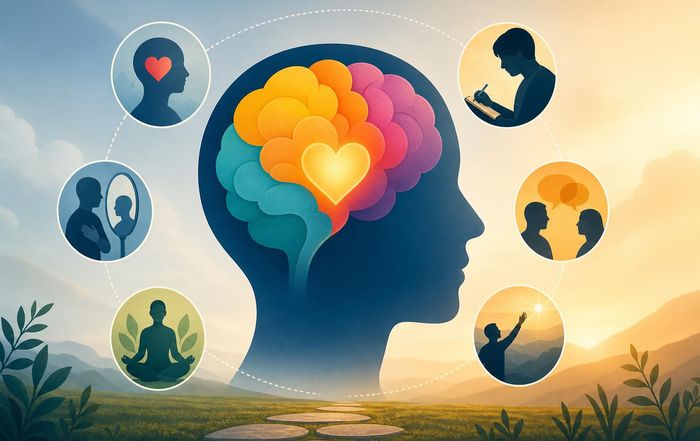
How to Strengthen Emotional Intelligence in a Changing World?
Why Emotional Intelligence Matters More Than Ever
As workplaces become more hybrid, markets more volatile and lives more interconnected across continents, emotional intelligence has shifted from a desirable soft skill to a central capability that shapes leadership, health, career progression and personal fulfilment. For the steady and welcome fans of HerStage, whose readers span the United States, Europe, Asia, Africa and beyond, emotional intelligence is no longer simply about "being good with people"; it is about navigating complexity with composure, leading with empathy, making sound decisions under pressure and sustaining mental and physical wellbeing in an era of constant change.
Emotional intelligence, often abbreviated as EQ, refers to the ability to recognize, understand and manage one's own emotions, while also perceiving and effectively responding to the emotions of others. Research from organizations such as Yale Center for Emotional Intelligence and the American Psychological Association has consistently shown that higher emotional intelligence correlates with better leadership outcomes, more resilient mental health and stronger relationships across cultures and generations. Those who intentionally cultivate EQ are better equipped to handle conflict, adapt to uncertainty and build trust, which in turn supports long-term success in leadership, career development and personal growth.
For women in particular, emotional intelligence can be both a powerful asset and a domain shaped by persistent bias. While women are often expected to be emotionally attuned, they are not always recognized or rewarded for the strategic value of these skills in executive decision-making, negotiation or innovation. HerStage's focus on women's leadership, self-improvement and career journeys makes it uniquely placed to explore how emotional intelligence can be strengthened deliberately and systematically, rather than left to chance or stereotype. Readers seeking deeper insight into women's evolving roles in leadership can continue their exploration through the dedicated HerStage section on women and leadership.
Understanding the Core Components of Emotional Intelligence
To strengthen emotional intelligence in a structured way, it is essential to understand its core components. While different models exist, many experts align around four interrelated domains: self-awareness, self-management, social awareness and relationship management. Each domain can be developed with practice, reflection and feedback, much like any other professional competency.
Self-awareness involves recognizing one's own emotional states, triggers, strengths and limitations. It is the foundation upon which all other emotional intelligence capabilities rest, because without an accurate understanding of personal reactions and patterns, attempts at regulation or empathy tend to be superficial or inconsistent. Resources such as the Greater Good Science Center at the University of California, Berkeley provide accessible introductions to the science of self-awareness and emotional skills; readers can learn more about the psychology of emotions to deepen their understanding of how feelings shape perception and behaviour.
Self-management refers to the ability to regulate emotions constructively, maintain focus under stress and channel impulses into purposeful action. This does not mean suppressing emotions; rather, it involves noticing them early, naming them accurately and then choosing a response that aligns with one's values and goals. Techniques drawn from cognitive-behavioural therapy, mindfulness and resilience training are widely used by organizations such as Mayo Clinic and Cleveland Clinic, which offer guidance on managing stress and emotional health.
Social awareness encompasses empathy, perspective-taking and the capacity to read social cues in diverse settings, whether in a boardroom in London, a startup hub in Singapore or a remote team spread across Toronto, Berlin and Sydney. It includes cultural intelligence and sensitivity to power dynamics, both of which are increasingly important in global teams. The World Economic Forum has highlighted empathy and collaboration as core skills for the future of work, and readers can explore future skills and inclusive leadership to understand how emotional intelligence fits into the broader economic context.
Finally, relationship management involves influencing, coaching, conflict resolution and building networks of trust. Leaders who excel in this area are able to motivate others, navigate difficult conversations and create psychological safety. This is especially critical for women leaders who may be balancing expectations across home, community and workplace. For a more lifestyle-oriented perspective on relationships and communication, readers can explore the HerStage section on lifestyle and connection, which frequently touches on the emotional dimensions of modern living.
Building Self-Awareness: The Starting Point for Growth
Strengthening emotional intelligence begins with cultivating a more precise and compassionate awareness of inner experience. Many high-achieving professionals operate at speed, moving from meeting to meeting, decision to decision, without pausing to notice how emotions are influencing their thinking. Yet research from institutions such as Harvard Business School has shown that self-reflection and emotional insight are strongly associated with effective leadership and better decision quality. Readers interested in the intersection of leadership and reflection can explore leadership research and insights.
Practical self-awareness work often starts with structured reflection. Keeping a daily emotional log, even in a brief digital format, where one notes situations that triggered strong reactions, the emotions felt and the thoughts that followed, can reveal patterns that were previously invisible. Over time, individuals begin to recognize recurring triggers, such as feeling dismissed in meetings, facing tight deadlines or managing conflicting family and career demands. This awareness allows for proactive planning rather than reactive coping.
Personality and strengths assessments, when used thoughtfully, can also support self-awareness. Tools such as the Big Five personality model, strengths-based assessments and values inventories, many of which are discussed on platforms like APA's resources for personality and assessment, help professionals understand how their natural preferences shape emotional responses. For women navigating leadership tracks in industries from finance to technology, such insights can clarify why certain environments feel energizing while others feel draining, and how to advocate for conditions that support sustainable performance.
On HerStage, the theme of self-knowledge runs through many articles on growth and transformation. Readers looking for structured approaches to understanding themselves more deeply can visit the self-development hub at HerStage self-improvement, where reflection, journaling and coaching are explored as practical tools for progress.
Strengthening Self-Management in High-Pressure Environments
Once self-awareness is established, the next step is learning to manage emotions effectively, particularly in high-pressure situations that characterize modern professional life. In 2026, professionals across continents are juggling hybrid work arrangements, geopolitical uncertainty and rapid technological change, all of which can elevate stress and anxiety. Emotional self-management is therefore both a personal wellbeing strategy and a performance imperative.
Evidence-based practices such as mindfulness, cognitive reframing and breathwork have gained widespread adoption in organizations from Google to SAP, with empirical support from institutions like Oxford Mindfulness Foundation and National Institutes of Health. Readers can learn more about mindfulness-based approaches that help calm the nervous system and create space between stimulus and response. Short, regular practices-such as a three-minute breathing exercise before a crucial presentation or a brief body scan after a tense negotiation-can significantly reduce emotional reactivity.
Cognitive reframing, a key element of cognitive-behavioural approaches, involves identifying unhelpful thoughts and consciously replacing them with more balanced perspectives. For example, transforming "I failed in that meeting; I am not cut out for leadership" into "That meeting did not go as I hoped; I can analyze what happened and prepare differently next time" supports resilience and learning. The Beck Institute and other clinical training organizations have long emphasized reframing as a core skill for emotional regulation, and interested readers can explore cognitive-behavioural strategies to integrate them into daily life.
Physical health is also deeply intertwined with emotional self-management. Sleep, nutrition and movement all influence mood, concentration and stress tolerance. The World Health Organization and national health bodies across regions from Europe to Asia have repeatedly underlined the connection between lifestyle and mental health; readers can learn more about holistic health and wellbeing to understand how everyday habits support emotional balance. On HerStage, the dedicated health section explores how women can design routines that respect hormonal cycles, caregiving responsibilities and demanding careers while still prioritizing emotional resilience.
Developing Social Awareness Across Cultures and Contexts
As organizations expand across borders and teams become more diverse, social awareness must extend beyond simple empathy to include cultural intelligence and sensitivity to systemic inequities. Emotional intelligence in a global context requires the ability to notice not only what individuals feel, but also how cultural norms, historical dynamics and organizational structures shape expression and communication.
Empathy begins with attentive listening and genuine curiosity. Professionals who practice active listening-focusing fully on the speaker, reflecting back what they have heard and withholding immediate judgment-are better able to understand underlying concerns and motivations. Training in inclusive communication, now standard in many multinational organizations, draws on research from institutions such as Stanford Graduate School of Business and INSEAD, which highlight how psychological safety and inclusive dialogue drive innovation and performance. Readers can explore research on inclusive leadership and teams to see how emotionally intelligent leaders create conditions where diverse voices can contribute meaningfully.
Cultural intelligence involves recognizing that emotional expression varies across regions. In Germany or Japan, for instance, emotional restraint in professional settings may be valued, whereas in Brazil or the United States, more overt enthusiasm and expressiveness might be seen as signs of engagement. Understanding these differences helps global leaders avoid misinterpreting colleagues' behaviour as disengagement or disrespect. Organizations like Cultural Intelligence Center and global consultancies have developed frameworks for navigating these nuances, and interested readers can learn more about working effectively across cultures.
HerStage's global readership, spanning Europe, Asia-Pacific, North America and Africa, illustrates the importance of such nuance. Articles in the world section frequently showcase women who bridge cultural divides, whether leading teams in multinational corporations or launching social enterprises that operate across continents. Their stories demonstrate that social awareness is not a static trait but a skill refined through exposure, feedback and intentional learning.
Elevating Relationship Management for Leadership and Career Growth
Relationship management is where emotional intelligence becomes most visible in leadership, negotiation and collaboration. It encompasses the ability to influence without dominating, to give and receive feedback with clarity and care, and to manage conflict in ways that preserve dignity and trust. In 2026, as leadership models evolve from command-and-control to more collaborative, networked forms, these relational skills are central to career advancement and organizational impact.
Emotionally intelligent leaders are adept at holding difficult conversations. They prepare by clarifying their intentions, considering the other person's perspective and choosing language that is both honest and respectful. They also pay attention to timing and context, understanding that delivering critical feedback at the wrong moment can trigger defensiveness rather than growth. Organizations such as Center for Creative Leadership and McKinsey & Company have documented how leaders who excel in these relational competencies tend to drive higher engagement and retention; readers can explore leadership development research to understand the long-term impact of emotionally intelligent relationship management.
Mentoring and sponsorship relationships also benefit from high EQ. Women in particular often face invisible barriers to advancement, including limited access to informal networks and strategic opportunities. Emotionally intelligent mentors listen actively, recognize the unique pressures their mentees face and help them navigate organizational politics without compromising integrity. Platforms like LeanIn.Org and Catalyst have highlighted the importance of such relationships in closing gender gaps in leadership, and readers can learn more about mentorship and sponsorship for women.
For readers of HerStage who are actively shaping their careers, the career section offers practical guidance on networking, negotiation and navigating workplace dynamics, all of which draw heavily on the principles of emotionally intelligent relationship management.
Emotional Intelligence, Health and Food: The Mind-Body Connection
Emotional intelligence is often discussed in the context of leadership and communication, yet it is equally relevant to how individuals care for their bodies, make food choices and respond to health challenges. Emotional awareness helps people recognize when they are using food to cope with stress, boredom or loneliness, and self-management skills support the development of more nourishing habits.
Nutrition science increasingly acknowledges the bidirectional relationship between gut health and mood, sometimes referred to as the "gut-brain axis." Research summarized by organizations such as Harvard T.H. Chan School of Public Health suggests that diets rich in whole foods, fibre and healthy fats are associated with lower rates of depression and anxiety. Readers can learn more about the connection between diet and mental health. Emotionally intelligent eating involves noticing emotional triggers for unhealthy choices, pausing before acting and selecting options that align with long-term wellbeing rather than short-term relief.
Similarly, exercise is not only a physical activity but also an emotional regulation tool. Regular movement has been shown by agencies like the U.S. Centers for Disease Control and Prevention to reduce stress, improve sleep and enhance cognitive performance. Understanding one's emotional patterns-such as feeling more anxious when sedentary for long periods-can motivate consistent exercise routines that support both mental and physical health. Readers can explore guidelines for physical activity and mental health.
HerStage frequently integrates these themes in its food and health sections, highlighting how emotionally intelligent choices around eating and movement contribute to sustainable energy, body confidence and resilience, particularly for women balancing multiple responsibilities in their personal and professional lives.
Emotional Intelligence in Education and Lifelong Learning
Across schools, universities and corporate training programs, emotional intelligence is increasingly recognized as a core element of effective learning and teaching. Educators in countries from Finland and Sweden to Singapore and Canada are incorporating social-emotional learning (SEL) into curricula, recognizing that students who can manage emotions, empathize with peers and resolve conflict constructively are better prepared for both academic success and citizenship.
Organizations such as OECD and UNESCO have emphasized the importance of social-emotional skills in preparing young people for the future of work and democratic participation. Readers can learn more about global perspectives on social-emotional learning. Emotional intelligence training in education settings often includes mindfulness practices, peer mediation programs and reflective exercises that help students understand their own emotional landscapes.
For adults, lifelong learning in emotional intelligence can take the form of executive education, coaching or self-directed study. Many business schools now weave emotional intelligence into leadership programs, recognizing that technical expertise alone is insufficient for navigating complex stakeholder environments. HerStage's education section explores how women at different life stages-from early-career professionals to senior executives-are investing in both formal and informal learning to strengthen their emotional and relational capabilities.
Beauty, Fashion and the Emotional Dimension of Self-Presentation
While emotional intelligence is often associated with internal states and interpersonal skills, it also intersects with the ways individuals present themselves through beauty and fashion choices. Self-presentation can be a form of emotional expression, cultural identity and professional strategy. Emotionally intelligent self-presentation involves aligning external appearance with internal values and context, rather than conforming blindly to external expectations.
In global cities from Paris and Milan to Seoul and New York, women use fashion and beauty not only to follow trends but to communicate confidence, creativity or authority. Understanding the emotional messages that clothing, makeup and grooming send in different professional and cultural settings enables more intentional choices. For example, a leader addressing a high-stakes board meeting in Zurich may opt for a more structured, minimalist style to convey focus and reliability, while an entrepreneur pitching a creative concept in Los Angeles might choose a bolder, more expressive look.
Psychological research, including work discussed by the British Psychological Society, has highlighted how clothing can influence self-perception and performance, a phenomenon sometimes referred to as "enclothed cognition." Readers can explore how appearance affects confidence and behaviour. Emotionally intelligent individuals notice how certain styles make them feel and adjust accordingly, using fashion as a supportive tool rather than a source of pressure.
HerStage's beauty and fashion sections frequently address these themes, emphasizing authenticity, cultural sensitivity and self-respect over rigid standards. The platform's broader lifestyle perspective encourages readers to see beauty and glamour not as superficial concerns but as aspects of identity, creativity and emotional expression.
Mindfulness, Lifestyle and Everyday Emotional Intelligence
Beyond boardrooms and classrooms, emotional intelligence is expressed in countless small decisions that shape daily lifestyle: how one responds to a partner after a long day, how one sets boundaries with friends and family, how one uses or resists digital devices that constantly demand attention. Mindfulness practices, which encourage present-moment awareness without judgment, have become a central tool for cultivating emotional intelligence in everyday life.
Organizations such as Mindful.org and research centres at University of Massachusetts Chan Medical School have documented how mindfulness training can reduce stress, improve emotional regulation and enhance empathy. Readers can learn more about mindfulness-based stress reduction. Simple practices like pausing before responding to a provocative message, taking a mindful walk between virtual meetings or setting aside a brief daily reflection period can gradually transform habitual reactions.
Digital wellbeing is another emerging dimension. In a world of constant notifications and social media comparisons, emotional intelligence includes the capacity to notice when online engagement is fueling anxiety, envy or distraction, and to set boundaries accordingly. This may involve designated "offline" periods, curated social feeds or intentional use of technology for connection rather than passive consumption.
HerStage's mindfulness and lifestyle content often explores these themes, offering readers practical ways to integrate emotional intelligence into routines that honour both ambition and rest, connection and solitude.
A HerStage Thought: Emotional Intelligence as a Lifelong Practice
For the HerStage wonderful community, which brings together women and allies from diverse regions and professions, emotional intelligence is not a trend but a lifelong practice that underpins leadership, wellbeing and meaningful success. It touches every editorial pillar of the platform-from women's stories and business insight to glamour, health, education and beyond-and shapes the way readers think about their roles in families, organizations and societies.
Ok so strengthening emotional intelligence will require more than occasional workshops or inspirational quotes. It calls for deliberate reflection, evidence-based practice and supportive communities where vulnerability and growth are both welcomed. As readers navigate their own paths-whether leading teams in London, launching startups in Lagos, balancing family and career in Toronto or pursuing education in Tokyo-emotional intelligence offers a compass for making choices that align with their deepest values while respecting the emotions and dignity of others.
HerStage will continue to serve as a little space where these conversations unfold, connecting personal experience with global expertise and inviting readers to refine their own emotional intelligence, one thoughtful decision, one honest conversation and one mindful breath at a time. For those seeking to explore these themes further across all facets of life, the broader HerStage website at herstage.com offers a rich and evolving resource, reflecting the belief that emotionally intelligent women are not only shaping their own destinies, but also redefining leadership and possibility worldwide.
