
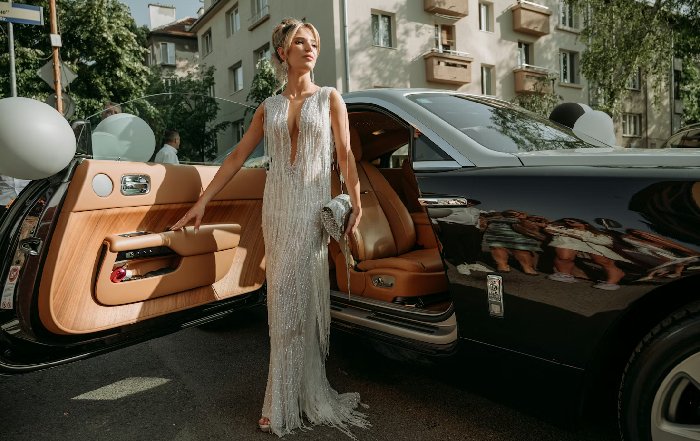
The Enduring Glamour of Vintage Inspiration
Reframing Vintage for a New World
Vintage is no longer a niche aesthetic confined to collectors' closets and retro boutiques; it has evolved into a strategic lens through which women leaders, creators, and professionals around the world reinterpret identity, power, and possibility. On herstage.com, where conversations naturally intersect across women's lives, leadership, style, wellness, and work, vintage inspiration has become a powerful bridge between past and future, allowing readers to honor the elegance and resilience of earlier generations while consciously editing out the constraints that once limited them. What was once merely nostalgic has matured into a sophisticated toolkit: a way to dress, lead, communicate, and build businesses that feel both timeless and unmistakably contemporary.
The global fascination with vintage is visible everywhere, from the rising resale and circular fashion markets documented by organizations such as ThredUp and Vestiaire Collective, to the resurgence of classic tailoring on runways in New York, Paris, Milan, and Seoul, and even in the quiet return of analog rituals-handwritten letters, physical books, vinyl records-that balance the relentless pace of digital life. As women in the United States, United Kingdom, Germany, Canada, Australia, and far beyond navigate a world shaped by artificial intelligence, hybrid work, and cultural volatility, vintage inspiration offers a stable reference point, a reminder that style and substance can coexist and that some principles of confidence, craftsmanship, and character never go out of fashion.
For the HerStage audience, this enduring glamour is not about dressing like it is 1956 or 1986; it is about understanding how the visual codes, rituals, and stories of the past can be reimagined to serve a modern life that values autonomy, diversity, and ambition. In this sense, vintage becomes less of a costume and more of a language: a sophisticated dialect of self-expression that can be spoken in boardrooms, creative studios, classrooms, and digital platforms alike. Readers exploring women's stories and profiles on HerStage are drawn to figures who embody this synthesis-women who borrow the best of previous eras while insisting on writing new rules.
Vintage Style as a Strategic Career Asset
The enduring glamour of vintage is most visible in fashion, yet its real power in 2026 lies in how it shapes perception, authority, and opportunity. In a professional landscape where first impressions are often made on video calls and social platforms before in-person meetings, a considered visual identity can operate as a strategic asset. Vintage-inspired style, when used thoughtfully, signals depth, discernment, and a sense of continuity that stands out in an age of fast fashion and fleeting trends.
From a business perspective, research from institutions such as Harvard Business School and London Business School has long underscored the impact of nonverbal cues on leadership presence and perceived competence. Classic silhouettes-a well-cut blazer inspired by mid-century tailoring, a structured dress that echoes the 1940s, or a minimalist 1990s slip paired with a sharp jacket-can quietly communicate reliability and focus, especially in formal contexts where visual distractions can undermine the message. Learn more about how professional image shapes leadership outcomes by exploring leadership development resources from organizations such as Center for Creative Leadership.
For many women across North America, Europe, Asia, Africa, and South America, vintage-inspired pieces also provide a way to express individuality within rigid corporate or institutional dress codes. A subtle 1960s-style silk scarf, a pair of art deco earrings, or a 1970s-inspired pair of wide-leg trousers can add personality without compromising professionalism, especially when paired with contemporary basics. On HerStage, readers interested in career evolution and workplace strategy increasingly view wardrobe building as part of a broader personal brand architecture, not as a superficial afterthought.
The growth of online platforms such as LinkedIn, Behance, and GitHub has also shifted expectations around visual storytelling. Profiles that integrate cohesive, vintage-inflected imagery-perhaps a headshot styled with a timeless blazer or a creative portfolio photographed with analog warmth-can feel more memorable and human than algorithmically polished templates. As more women founders and executives build their public presence, the emotional resonance of vintage, with its associations of heritage and craft, offers a way to differentiate in crowded digital markets. Learn more about building a compelling professional brand through resources at LinkedIn's Career Advice.
Glamour, Confidence, and the Psychology of Timelessness
The word "glamour" has historically been associated with red carpets, old Hollywood, and high fashion, yet in 2026 its meaning is being rewritten by women who see it as a form of psychological armor rather than mere spectacle. Glamour, in this contemporary sense, is the intentional crafting of an image that reflects inner conviction and invites others to take one seriously. Vintage inspiration plays a central role in this redefinition because it connects glamour to lineage and narrative rather than to fleeting trends.
Psychologists and behavioral scientists, including those at organizations such as the American Psychological Association, have noted that clothing can influence cognition, mood, and behavior-a phenomenon sometimes called "enclothed cognition." When a woman chooses a vintage-inspired ensemble that evokes the confidence of earlier style icons while staying aligned with her current values, she often experiences a subtle but meaningful shift in posture and presence. Learn more about how clothing affects confidence and performance through research summaries from APA.
On HerStage, features within glamour-focused coverage highlight how this psychological dimension of style plays out in real lives. A lawyer in London who builds a capsule wardrobe around 1940s-inspired suits may feel anchored in a tradition of professional women who fought for representation in courtrooms. A creative director in Berlin who favors 1970s bohemian prints might tap into a lineage of artistic freedom and countercultural experimentation. A tech founder in Singapore who wears minimalist 1990s silhouettes may find that the clean lines help her project clarity and focus in investor meetings. In each case, vintage is not an escape from the present but a deliberate way of embodying a chosen narrative.
The emotional resonance of vintage glamour is also tied to memory and storytelling. Many women inherit or discover pieces that once belonged to mothers, grandmothers, or mentors, turning clothing into tangible connections across generations. This continuity can be especially grounding in an era of rapid technological change and global uncertainty, reinforcing the sense that while tools and platforms evolve, core human desires for dignity, beauty, and meaning remain constant. Readers exploring mindfulness and inner balance on HerStage often find that curating a personal style rooted in intention, rather than impulse, becomes a quiet but powerful mindfulness practice in itself.
Sustainability, Ethics, and the Circular Allure of the Past
Beyond aesthetics and psychology, the enduring glamour of vintage is inseparable from the global push toward more sustainable and ethical lifestyles. As climate concerns intensify and consumers across France, Italy, Spain, Netherlands, Sweden, Norway, Japan, and South Korea demand accountability from brands, vintage and secondhand fashion have emerged as practical responses to the environmental costs of overproduction. Reports from organizations such as the Ellen MacArthur Foundation and World Resources Institute have repeatedly highlighted the fashion industry's outsized impact on water usage, carbon emissions, and waste. Learn more about sustainable business practices through resources from Ellen MacArthur Foundation.
Choosing vintage or vintage-inspired pieces made to last is, for many HerStage readers, both a style decision and an ethical stance. The rise of circular fashion platforms and rental services has made it easier than ever for women in New York, Toronto, Sydney, Paris, Shanghai, and São Paulo to access high-quality garments without contributing to the churn of fast fashion. At the same time, major luxury houses and independent labels alike are mining their archives, reissuing classic designs, and investing in repair programs that extend the life of existing pieces. Learn more about circular fashion and responsible consumption through insights from World Resources Institute.
The sustainability dimension of vintage also resonates strongly with younger professionals and students who engage with education and global issues on HerStage. For them, vintage is a concrete way to align daily choices with broader values around climate justice and resource stewardship. In South Africa, Brazil, Malaysia, and Thailand, where local artisanship and traditional textiles have long histories, vintage-inspired approaches often involve supporting regional makers who use time-honored techniques, thereby preserving cultural heritage while reducing environmental impact.
On a personal level, the slower, more deliberate process of sourcing vintage-whether through local markets, curated online platforms, or family wardrobes-stands in sharp contrast to the frictionless speed of one-click shopping. This intentionality encourages consumers to buy less but better, to care for garments, and to develop a more conscious relationship with consumption. Readers exploring lifestyle and wellness content on HerStage frequently describe this shift as liberating rather than restrictive, as it replaces the anxiety of constant trend-chasing with the calm of a coherent, values-driven wardrobe.
Beauty, Health, and the Revival of Ritual
Vintage inspiration is not confined to clothing; it infuses contemporary approaches to beauty, health, and self-care, particularly among women who want to balance innovation with time-tested wisdom. The explosive growth of skincare science, wellness technology, and cosmetic procedures has given consumers more options than ever, yet it has also created fatigue and confusion. As a result, many are turning to vintage and historical rituals for grounding, while still insisting on modern standards of safety and evidence.
Classic beauty icons from Hollywood, Europe, and Asia are being revisited not as templates to copy but as case studies in how consistent routines, understated glamour, and an emphasis on skin health can create enduring allure. Dermatologists and medical experts, including those whose work appears on platforms such as Mayo Clinic and Cleveland Clinic, consistently emphasize the fundamentals: sun protection, gentle cleansing, sleep, nutrition, and stress management. Learn more about evidence-based skincare and health through resources from Mayo Clinic.
For the HerStage audience exploring beauty insights and health-focused guidance, vintage inspiration often manifests as a preference for rituals over quick fixes: facial massage techniques that recall earlier spa traditions, haircare routines that favor protective styling and minimal heat, or makeup looks that highlight one feature with classic precision rather than relying on heavy contouring. At the same time, there is a conscious rejection of the restrictive beauty standards that defined many earlier eras, with today's women embracing a far wider range of skin tones, body types, ages, and gender expressions.
Nutrition and food culture also intersect with vintage themes, as traditional recipes and culinary practices gain new relevance in an age of ultra-processed convenience. Interest in home cooking, fermentation, seasonal eating, and regional cuisines has grown across United States, United Kingdom, Italy, Japan, and South Korea, with many women revisiting family cookbooks or community traditions. Learn more about the benefits of whole foods and balanced diets through resources from Harvard T.H. Chan School of Public Health. On HerStage, readers exploring food and nourishment frequently connect these practices to emotional wellbeing, finding comfort in recipes that link them to their heritage while adapting them to modern health knowledge.
Global Fashion, Local Identity, and the Power of Heritage
The global nature of vintage inspiration in 2026 is striking. While many people still associate "vintage" primarily with Western decades such as the 1920s, 1950s, or 1970s, women around the world are increasingly reclaiming and reinterpreting their own regional histories as sources of glamour. This shift is particularly visible in cities such as Lagos, Johannesburg, Tokyo, Bangkok, Seoul, São Paulo, and Mexico City, where designers and consumers are weaving traditional textiles, patterns, and silhouettes into modern wardrobes.
On HerStage, features within world and culture coverage often highlight how women entrepreneurs and creatives are building brands rooted in heritage, from Dutch designers reworking vintage workwear into contemporary street style, to Nigerian labels elevating classic Ankara prints, to Japanese artisans reviving kimono fabrics in tailored separates. This global reinterpretation of vintage challenges the notion that glamour is defined by a single geographic or cultural canon; instead, it frames glamour as a plural, evolving conversation in which each region contributes its own archives and aesthetics.
International organizations such as UNESCO have recognized the importance of safeguarding intangible cultural heritage, including traditional crafts and dressmaking techniques, as part of a broader commitment to cultural diversity and economic development. Learn more about the preservation of traditional craftsmanship through resources from UNESCO. For women working in fashion, design, and creative industries, vintage-inspired collections that honor local heritage can become powerful vehicles for storytelling, community pride, and economic empowerment.
At the same time, the interplay between global trends and local identity raises important questions about cultural appropriation, respect, and consent. Thoughtful vintage inspiration in 2026 increasingly involves understanding the origins of garments and motifs, crediting communities appropriately, and supporting creators from those cultures. Readers exploring fashion perspectives on HerStage are encouraged to approach vintage not as a costume box to raid but as a library of histories to learn from and engage with responsibly.
Leadership, Legacy, and the Vintage-Inspired Brand
For women leading organizations, movements, and creative ventures, vintage inspiration offers a sophisticated framework for thinking about legacy. In a business environment that often prioritizes disruption and novelty, there is strategic value in positioning a brand or career as part of a longer continuum, especially when building trust with stakeholders who seek stability amidst constant change. Vintage aesthetics and narratives can help signal that continuity without sacrificing innovation.
Many of the world's most enduring brands-from luxury houses in France and Italy to heritage retailers in United States and United Kingdom-have long leveraged their archives as sources of authority, revisiting classic logos, packaging, and silhouettes to reinforce a sense of heritage. Contemporary women founders and executives are adapting this approach, using vintage-inspired visual identities, storytelling, and product design to communicate depth and reliability. Learn more about brand heritage and long-term positioning through insights from Harvard Business Review.
On HerStage, readers interested in leadership and business strategy and business insights increasingly look to vintage as a metaphor for building organizations that last beyond a single funding cycle or trend wave. A leader who decorates her office with framed photos of pioneering women in her field, or who names conference rooms after historical trailblazers, is not simply indulging in nostalgia; she is curating a daily reminder of the values and struggles that shaped the present. Similarly, a company that invests in craftsmanship, repair services, and timeless design rather than disposable novelty sends a clear signal about its long-term intentions.
Vintage inspiration also informs internal culture. Leadership development programs that incorporate historical case studies, archival materials, and intergenerational mentoring can help employees see themselves as part of an ongoing story rather than as isolated actors. This sense of continuity often strengthens engagement and purpose, particularly among younger professionals who want to feel that their work contributes to something larger. Learn more about purpose-driven leadership and organizational culture through resources from McKinsey & Company.
Mindful Self-Improvement Through a Vintage Lens
In a world dominated by constant updates, notifications, and "next big thing" narratives, the enduring glamour of vintage offers a quieter, more grounded model of self-improvement. Instead of chasing the latest productivity hack or aesthetic trend, many HerStage readers are turning to vintage as a reminder that meaningful growth often emerges from consistency, reflection, and respect for the lessons of history. This perspective aligns closely with the platform's focus on self-improvement and guide content, where personal evolution is framed as a long-term, holistic process.
Vintage-inspired self-improvement may involve adopting analog practices-keeping a handwritten journal, sending physical thank-you notes, or setting aside dedicated, device-free time for reading and reflection-that counterbalance the fragmentation of digital life. Studies highlighted by organizations such as Stanford University and University of Oxford have pointed to the cognitive and emotional benefits of deep work and reduced multitasking. Learn more about attention, focus, and cognitive health through resources from Stanford's Human-Centered AI Institute.
At the same time, vintage offers a lens through which to evaluate which traditions to keep and which to release. Many norms from previous decades limited women's autonomy, participation in the workforce, and control over their own narratives. The 2026 embrace of vintage on HerStage is therefore consciously selective: it celebrates the craftsmanship, elegance, and resilience of earlier eras while firmly rejecting the constraints that accompanied them. This critical engagement with the past-honoring what serves and discarding what harms-is itself a sophisticated form of self-improvement and cultural evolution.
For women navigating careers in technology, finance, creative industries, education, and beyond, this approach provides a framework for integrating wisdom without becoming trapped by it. One can learn from the discipline of previous generations without adopting their restrictive definitions of success; one can appreciate the glamour of old Hollywood while insisting on inclusive casting and representation; one can enjoy the romance of handwritten letters while leveraging digital tools for global collaboration. Vintage, in this sense, becomes a compass rather than a cage.
The Future of Vintage Glamour
The enduring glamour of vintage inspiration continues to expand across the interconnected domains that define women's lives: work, style, health, beauty, relationships, and global citizenship. On herstage.com, this theme is not treated as a passing trend but as an ongoing conversation, one that invites readers from United States, United Kingdom, Germany, Canada, Australia, France, Italy, Spain, Netherlands, Switzerland, China, Sweden, Norway, Singapore, Denmark, South Korea, Japan, Thailand, Finland, South Africa, Brazil, Malaysia, New Zealand, and every region in between to engage with their own histories and futures.
The platform's coverage across women's lives, lifestyle and wellbeing, leadership and business, fashion and beauty, and mindfulness and self-development consistently returns to a central idea: that true glamour is not about perfection or performance, but about coherence-between values and actions, past and present, inner and outer worlds. Vintage inspiration, when approached with curiosity, ethics, and creativity, becomes one of the most effective tools for achieving that coherence.
In a decade defined by rapid technological acceleration, geopolitical shifts, and cultural redefinition, the appeal of something enduring is understandable. Yet the real power of vintage lies not in its ability to freeze time, but in its capacity to help women move through time with greater clarity, confidence, and purpose. By reimagining the elegance, rituals, and stories of previous generations for a world that demands inclusivity and innovation, women are crafting a new kind of glamour-one that is as resilient as it is radiant, as thoughtful as it is visually compelling.
On HerStage, this evolving story of vintage glamour will continue to unfold, not as a look back, but as a way forward: a dynamic, global conversation about how the best of yesterday can illuminate the stage on which women stand today and the future they are determined to design.
