
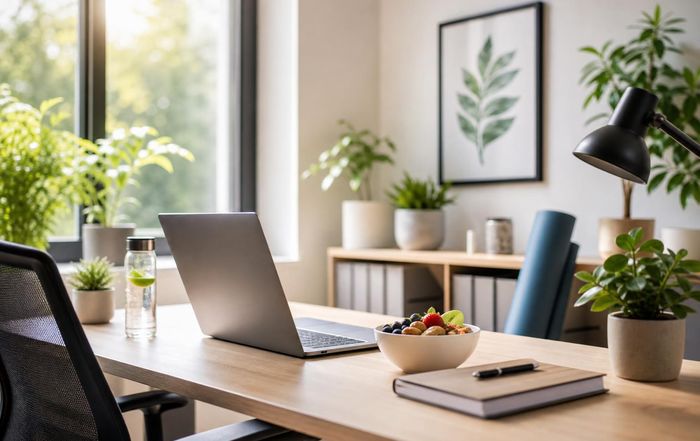
Healthy Office Habits That Support Wellbeing
The modern office-whether located in a high-rise in New York, a co-working hub in Berlin, or a home office in Singapore-has become the primary stage on which many women build their careers, express their ambitions, and negotiate the demands of work and life. For the global readership of HerStage, which spans industries, cultures, and time zones, the question is no longer whether wellbeing matters in the workplace, but how to translate the science of wellbeing into realistic, sustainable daily habits that actually fit into the pressure and pace of contemporary professional life. As organizations from World Health Organization (WHO) to Harvard Business School continue to highlight the economic and human costs of burnout, stress, and disengagement, healthy office habits have emerged as a strategic necessity rather than a soft perk, especially for women who often carry additional emotional and logistical responsibilities at home and in their communities.
This article examines the habits, routines, and micro-decisions that support wellbeing in the office, integrating research from leading institutions with the lived realities of women in leadership, early-career professionals, entrepreneurs, and hybrid workers. It also reflects the values and editorial perspective, where wellbeing is seen not as a luxury, but as a foundation for sustainable leadership, personal growth, and a more equitable future of work.
The Strategic Case for Wellbeing at Work
Healthy office habits are frequently discussed as matters of personal choice, yet by 2026 it is clear that they sit at the intersection of individual responsibility and organizational design. Research from World Health Organization shows that depression and anxiety cost the global economy hundreds of billions of dollars annually in lost productivity, while studies from McKinsey & Company and Deloitte have linked employee wellbeing directly to retention, innovation, and financial performance. Learn more about how mental health affects productivity and organizational resilience on the World Health Organization website.
For women in particular, wellbeing at work is closely tied to leadership opportunities and long-term career sustainability. When chronic stress, exhaustion, or unaddressed health needs accumulate, they disproportionately push women out of leadership pipelines, especially in demanding sectors such as finance, technology, law, and healthcare. Readers exploring how wellbeing intersects with influence and decision-making will find further perspectives in the leadership coverage at HerStage Leadership, where the conversation increasingly frames self-care as a core leadership competency rather than an optional add-on.
Healthy office habits therefore serve a dual purpose: they protect physical and mental health in the short term, and they act as a long-term investment in professional longevity, confidence, and authority. As hybrid work models continue to evolve in regions from North America and Europe to Asia-Pacific, the ability to intentionally design one's workday-whether in a corporate headquarters in London or a kitchen-table office in Toronto-has become a defining skill for ambitious women across the globe.
Designing a Workspace that Protects the Body
The physical environment in which work is performed exerts a powerful, often underestimated influence on wellbeing. Poor ergonomics, inadequate lighting, and constant noise can quietly erode health over months and years, contributing to musculoskeletal pain, eye strain, fatigue, and reduced concentration. Organizations such as Mayo Clinic and Cleveland Clinic have long emphasized the importance of ergonomically sound workspaces to prevent chronic pain and repetitive strain injuries. Readers can explore practical guidance on posture, chair height, and monitor placement via resources from Mayo Clinic's ergonomics overview.
In 2026, many women work in hybrid environments, splitting their time between formal offices and improvised home setups. Healthy office habits begin with treating both spaces with equal seriousness, recognizing that a dining chair and laptop on a low table may be acceptable for a short emergency, but not as a default configuration for long workdays. Adjustable chairs, external keyboards, and properly elevated screens are no longer luxuries; they are essential tools that protect the spine, wrists, and neck, and by extension, protect career continuity.
Lighting and air quality also play critical roles. Studies summarized by Harvard T.H. Chan School of Public Health have shown that better indoor air quality and natural light can improve cognitive performance and decision-making, which are crucial for women navigating complex leadership roles or high-stakes projects. Learn more about how indoor environments influence productivity and health through Harvard's Healthy Buildings initiative. For readers designing or renegotiating their office environment, whether with an employer or as independent professionals, the lifestyle section of HerStage Lifestyle offers inspiration on creating spaces that are both aesthetically pleasing and physiologically supportive.
Movement as a Non-Negotiable Part of the Workday
Extended sitting has been described by some researchers as a modern health risk comparable in severity to smoking, and while that characterization may be intentionally provocative, there is substantial evidence linking prolonged sedentary behavior to increased risk of cardiovascular disease, type 2 diabetes, and premature mortality. The American Heart Association and National Health Service (NHS) UK both recommend breaking up sitting time with short, frequent movement breaks, which can include walking, stretching, or even brief standing intervals. Learn more about recommended activity patterns on the American Heart Association website.
Healthy office habits therefore involve reframing movement as an integral component of productivity, not a distraction from it. Women working in high-pressure environments in New York, London, Singapore, or Sydney often feel compelled to remain glued to their desks, fearing that visible movement may be interpreted as a lack of commitment. Yet research from Stanford University and other institutions has shown that walking can significantly enhance creative thinking and problem-solving, which are key capabilities for leaders and innovators. Readers interested in how walking supports idea generation can explore summaries from Stanford's research on walking and creativity.
In practice, embedding movement into the workday may involve scheduling walking meetings, using stairs instead of elevators when possible, setting reminders to stand and stretch every hour, or incorporating brief mobility routines between virtual calls. For women balancing global time zones, childcare, and demanding deadlines, these micro-habits may appear modest, but their cumulative effect on circulation, joint health, and mental clarity is substantial. On HerStage, the intersection of health and ambition is explored in depth at HerStage Health, where movement is consistently framed as a source of power rather than an aesthetic obligation.
Nourishment, Focus, and the Modern Workday
Nutrition remains one of the most overlooked dimensions of office wellbeing, despite extensive evidence linking dietary patterns to energy levels, cognitive function, and mood stability. In many offices from New York to Tokyo, default food options still tend to be refined-carbohydrate snacks, sugary beverages, and rushed meals eaten at desks, which can produce sharp spikes and crashes in blood sugar and concentration. Organizations such as Harvard T.H. Chan School of Public Health and National Institutes of Health (NIH) have documented how balanced meals rich in whole grains, lean proteins, healthy fats, and fiber support sustained attention and emotional regulation throughout the day. Learn more about healthy eating patterns through Harvard's Healthy Eating Plate guidance.
For women working across regions such as Europe, Asia, and North America, cultural food traditions can be powerful allies in building healthier office routines. Mediterranean, Japanese, and Nordic dietary patterns, for example, have been associated with better cardiovascular and cognitive outcomes, and many of their core elements-vegetables, legumes, fish, nuts, and fermented foods-can be incorporated into lunches and snacks that travel well and store safely. Readers seeking practical inspiration for energizing, culturally diverse meals and snacks that fit into busy schedules can explore ideas at HerStage Food, where nourishment is framed as a form of self-respect and professional preparation.
Hydration is another simple yet often neglected habit. Dehydration, even at mild levels, has been associated with reduced alertness and impaired short-term memory, according to studies highlighted by institutions such as European Food Safety Authority (EFSA). Keeping water visibly accessible on the desk, setting gentle reminders to drink regularly, and moderating caffeine intake across the day can collectively support more stable energy and mood, especially during long meetings or late-night work sessions across time zones.
Mental Health, Boundaries, and Emotional Sustainability
By 2026, mental health is no longer a taboo subject in many corporate environments, yet the gap between public messaging and daily reality remains significant, particularly for women who may feel pressure to demonstrate resilience, composure, and constant availability. The World Economic Forum and OECD have both emphasized that unchecked workplace stress contributes to burnout, absenteeism, and talent loss, with women often reporting higher levels of emotional exhaustion. Readers can deepen their understanding of global mental health trends and workplace implications through resources from the World Economic Forum.
Healthy office habits that protect mental health begin with boundaries, both digital and interpersonal. This includes establishing realistic expectations around response times, protecting focus blocks from constant messaging interruptions, and negotiating clear limits on after-hours communication where possible. For many professionals in the United States, United Kingdom, Germany, and beyond, conversations about "right to disconnect" policies have gained momentum, reflecting a growing recognition that perpetual connectivity is incompatible with sustainable performance. Guidance on navigating these complex dynamics, especially for women in leadership or emerging leadership roles, is frequently explored at HerStage Career, where setting boundaries is framed as a strategic skill rather than an act of defiance.
Accessing professional mental health support is another critical habit, particularly in high-stress sectors or during periods of life transition such as promotion, relocation, or parenthood. Organizations such as National Alliance on Mental Illness (NAMI) and Mind UK offer information on recognizing signs of anxiety, depression, and burnout, as well as guidance on seeking help. Learn more about understanding and supporting mental health at work via NAMI's workplace mental health resources. Normalizing therapy, coaching, or peer support groups within professional communities can help women move beyond the myth of solitary resilience and toward a more collective model of strength.
Mindfulness, Focus, and Cognitive Recovery
The cognitive demands of modern office work-constant email, rapid context-switching, global video calls, and complex decision-making-place significant strain on attention systems. Without deliberate practices that support focus and recovery, many professionals experience what researchers describe as "attention fragmentation," which undermines both productivity and wellbeing. Institutions such as University of California, Berkeley and Oxford Mindfulness Foundation have highlighted the role of mindfulness practices in reducing stress, improving concentration, and enhancing emotional regulation. Learn more about the science of mindfulness and its workplace applications through resources from the Oxford Mindfulness Foundation.
Healthy office habits in this domain do not necessarily require long meditation sessions or elaborate rituals. Instead, they often involve brief, intentional pauses woven into the day: a minute of deep breathing before a challenging meeting, a short mindful walk between tasks, or a structured "transition ritual" when closing the laptop at the end of the day. These practices help the nervous system shift out of constant fight-or-flight activation and into a more regulated state, which supports clear thinking and creativity.
For women balancing leadership responsibilities, caregiving, and personal goals, mindfulness can also serve as a tool for self-compassion, countering the internalized narratives of perfectionism and relentless self-criticism that often accompany high achievement. Readers interested in integrating mindfulness into their professional and personal lives will find aligned perspectives and practices at HerStage Mindfulness, where attention is treated as a finite resource to be protected, not an endlessly stretchable asset.
Social Connection, Inclusion, and Psychological Safety
Human beings are inherently social, and the quality of workplace relationships has a profound impact on wellbeing. Research from Gallup and MIT Sloan Management Review has consistently shown that having strong social ties at work-whether in the form of trusted colleagues, mentors, or supportive managers-correlates with higher engagement, lower burnout, and greater organizational loyalty. Learn more about how social connection influences performance and retention through insights from Gallup's workplace research.
For women, especially those from underrepresented backgrounds in leadership or technical roles, psychological safety and inclusion are central determinants of wellbeing. Environments where women feel consistently interrupted, overlooked, or subjected to subtle biases can erode confidence and increase stress, even when formal policies appear supportive. Healthy office habits in this context include actively cultivating networks of support, participating in or initiating employee resource groups, and seeking mentors and sponsors who advocate for visibility and advancement. These habits are not merely social preferences; they are strategic moves that reinforce resilience and opportunity.
HerStage frequently explores these dynamics in its coverage of women's experiences in the workplace, highlighting stories of women from the United States, United Kingdom, Germany, India, South Africa, Brazil, and beyond who have built supportive ecosystems around themselves. Readers can explore more narratives and analysis in the women-focused reporting at HerStage Women, where community is positioned as a powerful antidote to isolation and self-doubt.
Learning, Growth, and the Role of Self-Improvement
Wellbeing in the office is not solely about avoiding harm; it is also about cultivating a sense of progress, mastery, and purpose. Psychological research, including work popularized by Carol Dweck at Stanford University, has highlighted the importance of a growth mindset-viewing challenges as opportunities to learn rather than as threats to competence-in fostering resilience and long-term motivation. Learn more about the principles of growth mindset and their applications through resources from Stanford's mindset research.
For women navigating rapidly changing industries in Europe, Asia, Africa, and the Americas, continuous learning has become both a professional necessity and a source of psychological nourishment. Engaging in ongoing education, whether through online courses from platforms like Coursera or edX, in-house training, or advanced degrees, can strengthen confidence, expand career options, and provide a sense of agency in uncertain times. Readers seeking guidance on structuring their own growth paths, from micro-skills to major career transitions, will find aligned content at HerStage Self-Improvement and HerStage Education, where learning is framed as a lifelong practice rather than a one-time credential.
Healthy office habits in this domain might include scheduling regular time for skill development, seeking stretch assignments that align with personal values, or setting quarterly learning goals. These practices do more than enhance resumes; they contribute to a sustained sense of meaning and forward motion, which is strongly associated with better mental health and life satisfaction.
Personal Presentation, Confidence, and Authenticity
In many professional environments, especially in sectors such as finance, law, media, and technology across North America, Europe, and Asia, women continue to navigate complex expectations around appearance, style, and self-presentation. While external perceptions should not define self-worth, there is substantial psychological evidence suggesting that feeling comfortable and confident in one's own presentation can positively influence mood, assertiveness, and performance. Studies cited by organizations like American Psychological Association (APA) have explored how self-perception and body image affect workplace confidence and interpersonal dynamics. Learn more about self-image and its psychological implications via the APA's public resources.
Healthy office habits in this area involve aligning appearance and grooming choices with personal identity and professional context, rather than conforming rigidly to outdated norms. This might mean developing a streamlined work wardrobe that feels both polished and authentic, adopting beauty routines that support skin and hair health without consuming excessive time, or choosing accessories that quietly express cultural heritage or personal style. On HerStage, these themes are explored through the lenses of empowerment and individuality in sections such as HerStage Beauty and HerStage Fashion, where style is treated as a form of self-expression rather than a narrow standard.
By approaching personal presentation as a supportive habit rather than a source of pressure, women can reclaim this dimension of office life as a tool for self-assurance and professional clarity, especially in cross-cultural environments where norms and expectations vary widely.
Leadership, Culture, and the Responsibility to Model Wellbeing
While individual habits are powerful, the broader culture of an organization ultimately shapes what is sustainable. Leaders-formal and informal-play a decisive role in modeling and legitimizing healthy office behaviors. When managers in New York, London, Berlin, Singapore, or Johannesburg visibly respect boundaries, take breaks, use vacation time, and speak openly about mental health, they create permission structures that enable others to do the same. Research from institutions such as MIT Sloan School of Management and London Business School has underscored how leadership behavior cascades through teams, influencing norms around workload, communication, and wellbeing. Learn more about the relationship between leadership and organizational health through insights from MIT Sloan Management Review.
For women in leadership positions, this responsibility is especially significant. Many younger professionals look to female leaders not only for strategic guidance, but also for examples of how to integrate ambition with health, family, and personal identity. By intentionally modeling healthy office habits-blocking time for deep work, stepping away from the desk to eat, acknowledging stress, and seeking support-women leaders can help reshape organizational cultures that have historically rewarded overwork and self-sacrifice.
We have consistently highlighted stories of women leaders who are redefining what success looks like in boardrooms, startups, public institutions, and creative industries worldwide. Readers interested in how these leaders are transforming workplace cultures and expectations can explore further at HerStage Business, where wellbeing is increasingly recognized as a competitive advantage in talent attraction and innovation.
Integrating Healthy Habits into a Sustainable Professional Life
Healthy office habits that support wellbeing are not a rigid checklist to be perfectly executed; they are a living set of practices that evolve with life stages, career shifts, and global circumstances. For a woman starting her first job in Toronto, these habits may center on learning to set boundaries and build a supportive network. For a mid-career leader in Paris or Seoul, they may involve renegotiating responsibilities, prioritizing mental health, and mentoring the next generation. For an entrepreneur in Nairobi, São Paulo, or Sydney, they may focus on designing a company culture that embeds wellbeing from the outset.
Across all these contexts, the core principles remain consistent: respect for the body, protection of mental and emotional resources, cultivation of meaningful relationships, commitment to ongoing learning, and alignment between personal values and professional choices. These principles are not abstract ideals; they are expressed through daily actions such as standing up to stretch, choosing a nourishing lunch, pausing for a mindful breath, asking for help, and saying no when necessary.
As the world of work continues to shift in response to technological change, economic pressures, and evolving social expectations, the team here remains committed to providing women with nuanced, evidence-informed perspectives on how to thrive-not merely survive-in their professional lives. Readers seeking to translate these ideas into their own routines can explore additional guides and reflections across the platform, including practical resources at HerStage Guide and broader global perspectives at HerStage World.
Ultimately, healthy office habits are an expression of self-respect and a declaration of long-term intent. They signal a belief that one's career is a marathon, not a sprint; that leadership is incompatible with self-neglect; and that women, wherever they live and whatever roles they hold, deserve workplaces that honor their full humanity.
