
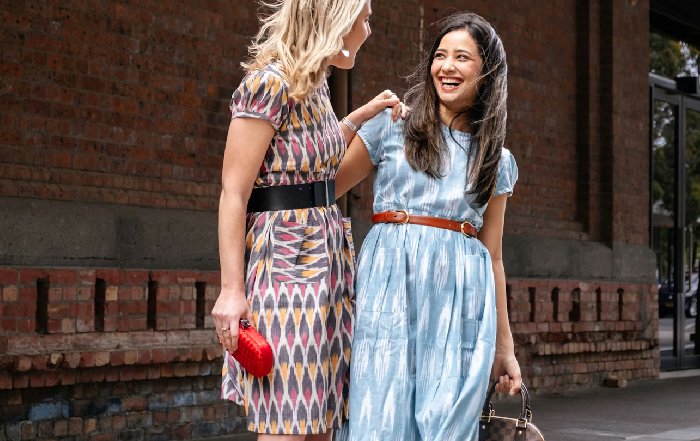
Fashion as a Form of Nonverbal Communication
Fashion's Silent Language in a Hyper-Visible World
Fashion functions less as a superficial layer and more as a fluent language that women and gender-diverse people deploy to navigate workplaces, social spaces, digital platforms, and public life. On HerStage, where style, ambition, and self-definition intersect, fashion is not treated as a trivial indulgence but as a powerful system of nonverbal communication that reveals identity, values, and aspirations long before a single word is spoken. From executive boardrooms in New York and London to creative studios in Berlin, Seoul, and São Paulo, clothing choices send signals about status, confidence, cultural affiliation, and even political stance, shaping how individuals are perceived and how they perceive themselves.
As social media platforms and video-based collaboration tools continue to dominate professional and personal interactions, the visual impact of what someone wears has become more immediate and more widely broadcast than ever before. Research from institutions such as Harvard Business School shows that appearance influences first impressions in ways that can affect hiring, promotion, and negotiation outcomes; readers can learn more about how appearance impacts workplace dynamics through resources like Harvard Business Review. In this evolving landscape, HerStage positions fashion as a strategic tool, aligning with its focus on leadership, career, and business to help readers understand and harness the nonverbal messages their wardrobes are sending.
The Psychology Behind What We Wear
The communicative power of fashion rests on a psychological foundation that has been studied for decades. Concepts such as "enclothed cognition," popularized by research featured by institutions like Northwestern University, describe how the symbolic meaning attached to clothing can influence the wearer's cognitive processes and performance. Readers interested in the psychological underpinnings of these effects can explore work shared by organizations such as the American Psychological Association, which discusses how identity, perception, and behavior are shaped by seemingly small environmental cues, including clothing.
When a woman in Toronto chooses a sharply tailored navy blazer and minimal jewelry for a client presentation, she is engaging in a form of self-framing that often results in increased feelings of authority and focus. Similarly, a creative director in Milan who selects bold prints and statement accessories is telegraphing innovation and aesthetic confidence to colleagues and clients. For many HerStage readers balancing ambition and authenticity, understanding this internal dimension of fashion is as important as decoding the external signals it sends. The platform's content on self-improvement and mindfulness frequently highlights the way clothing can serve as a daily ritual of intention-setting, helping women step into roles they are claiming for themselves.
Psychologists and sociologists also note that fashion functions as a shorthand for group belonging. Subcultures, professional communities, and social movements often coalesce around recognizable visual codes. Resources like the British Psychological Society and publications such as Psychology Today have examined how style choices can reduce social friction by signaling shared norms, or conversely, assert individuality by deliberately breaking those norms. For women navigating male-dominated sectors in the United States, Germany, or Japan, the delicate balance between fitting in and standing out is often negotiated through subtle details: the cut of a blazer, the height of a heel, or the decision to incorporate cultural motifs into otherwise conventional attire.
Cultural and Global Dimensions of Style
Fashion's nonverbal vocabulary is never universal; it is deeply contextual, shaped by culture, geography, and history. A sleeveless dress that reads as polished and appropriate in Los Angeles may be interpreted very differently in Singapore or Dubai, where modesty codes and workplace norms diverge. Global fashion capitals such as Paris, London, and Tokyo have long defined international trends, but digital commerce and social media have amplified local and regional styles from Lagos, Seoul, and São Paulo, making them visible and influential far beyond their borders. Industry analyses from organizations such as McKinsey & Company and the Business of Fashion, accessible via platforms like McKinsey's fashion insights, have documented how regional aesthetics now shape global demand and narrative.
For HerStage readers in Europe, Asia, Africa, and the Americas, this globalization of style creates both opportunity and complexity. It allows a professional in Amsterdam to incorporate Japanese minimalist labels into her wardrobe while a lawyer in Johannesburg experiments with Ankara prints in tailored suiting, yet it also requires cultural sensitivity to avoid appropriation and miscommunication. International bodies such as UNESCO and cultural institutions like the Victoria and Albert Museum in London provide valuable context on textile heritage and the significance of traditional garments, helping global citizens appreciate, rather than merely consume, cultural aesthetics.
Within this global tapestry, women are using dress as a diplomatic tool. Executives from Canada or Australia traveling to China or South Korea often adapt their style to show respect for local business etiquette, choosing more conservative silhouettes and muted colors, while still expressing personal identity through accessories or subtle details. For readers interested in the intersection of culture and professional life, HerStage's world and education sections provide ongoing analysis of how cultural literacy and visual communication intertwine in international careers.
Power Dressing, Leadership, and Authority
Power dressing has evolved significantly since the broad-shouldered suits of the 1980s, but the underlying ambition remains: to use clothing to project competence, credibility, and influence. In 2026, women in leadership across the United States, United Kingdom, and beyond are redefining what authority looks like, blending structure with softness, and tradition with innovation. Influential figures at organizations such as Goldman Sachs, Google, and Microsoft appear at conferences in tailored trousers paired with silk blouses, or structured dresses softened by fluid fabrics, signaling both decisiveness and approachability. Coverage by outlets like the Financial Times and The Wall Street Journal has highlighted how this shift mirrors broader changes in leadership expectations, where emotional intelligence and collaborative styles are increasingly valued.
On HerStage, leadership-focused content emphasizes that power dressing is less about mimicking a masculine template and more about curating a visual identity that aligns with one's personal brand and professional goals. Readers are encouraged to think strategically about color psychology, silhouette, and detail. Darker tones such as navy, charcoal, and deep green often communicate stability and seriousness, while carefully chosen accents of red or cobalt can suggest energy and confidence. Studies referenced by institutions like Columbia Business School and shared through platforms like Forbes underscore that consistency in visual presentation can reinforce a leader's perceived reliability and trustworthiness.
Hybrid work has added another layer to this conversation. Executives now cultivate a "screen presence" for video calls that relies heavily on upper-body framing: structured shoulders, clean necklines, and thoughtful jewelry choices that read clearly on camera. For women leading global teams from home offices in Stockholm or Singapore, the nonverbal cues of clothing, background, and lighting have become part of a new leadership toolkit. HerStage's career and guide content frequently explores how to navigate these evolving expectations without sacrificing comfort or authenticity.
Identity, Inclusivity, and Self-Expression
Beyond power and status, fashion communicates intimate aspects of identity: gender expression, cultural heritage, religious affiliation, and personal values. In 2026, as conversations about diversity, equity, and inclusion deepen across Europe, North America, Asia, and Africa, clothing has become a visible site of both affirmation and negotiation. Organizations such as Stonewall, Human Rights Campaign, and UN Women highlight how dress codes can either reinforce exclusion or open space for broader expressions of identity, and readers can explore these perspectives through resources like UN Women's gender equality portal.
For many women and nonbinary individuals, clothing choices are a daily assertion of self in environments that may not yet fully recognize or accommodate their identities. A software engineer in Berlin may choose androgynous tailoring to resist gendered expectations in the tech industry, while a senior manager in Dubai may integrate modest fashion with contemporary design to align professional presence with faith. Publications like The New York Times and The Guardian have chronicled the rise of modest fashion, gender-fluid collections, and adaptive clothing lines, all of which expand the vocabulary of nonverbal communication available to consumers.
HerStage's sections on women and lifestyle consistently foreground the stories of individuals who use fashion to reconcile multiple identities: immigrant professionals blending traditional textiles with Western tailoring, Black women in the United States reclaiming natural hair and Afrocentric prints as expressions of pride, or disabled professionals choosing adaptive garments that prioritize both function and style. These narratives underscore that fashion's nonverbal messages are not only about how others see the wearer, but also about how the wearer asserts the right to be seen on her own terms.
Fashion, Wellbeing, and Mindful Dressing
The connection between what someone wears and how they feel is not merely anecdotal. Health institutions and wellness experts, including those referenced by the Mayo Clinic and Cleveland Clinic, note that self-care rituals, including grooming and dressing, can influence mood, motivation, and even resilience in the face of stress. Readers can explore broader discussions of lifestyle and wellbeing through platforms like Mayo Clinic's healthy living resources. As mental health conversations become more open in Canada, Australia, Scandinavia, and beyond, fashion is increasingly framed as part of a holistic approach to personal wellbeing.
For professionals working under high pressure, choosing clothing that feels comfortable, aligns with personal style, and supports body confidence can mitigate daily stressors. A lawyer in Zurich might opt for breathable natural fabrics and low-heeled shoes to sustain long days in court, while a teacher in Madrid may rely on color and pattern to infuse energy into the classroom. During and after the pandemic years, many women reported that the act of changing out of loungewear into structured but comfortable outfits improved focus and drew a psychological boundary between work and rest. HerStage's health and mindfulness content often explores these intersections, encouraging readers to view their wardrobes not as sources of pressure but as tools for emotional support.
Beauty routines and grooming choices also intersect with fashion's nonverbal language. Studies shared by organizations such as the World Health Organization and discussed via outlets like Healthline examine how self-presentation can influence social confidence and perceived credibility. On HerStage, sections dedicated to beauty and glamour emphasize that these practices need not conform to narrow standards; rather, they can be customized rituals of care that reinforce a coherent personal message across clothing, hair, and makeup.
Sustainability and Ethical Signaling Through Style
As climate concerns intensify, fashion has become a major arena for ethical communication. Consumers are increasingly aware that clothing choices signal not only taste but also environmental and social values. Reports from organizations such as the Ellen MacArthur Foundation and United Nations Environment Programme have highlighted the environmental impact of fast fashion, and readers can learn more about sustainable business practices through resources like UNEP's sustainable fashion initiatives. When a professional in Copenhagen chooses a blazer from a certified B Corp label or a dress made from recycled fibers, she is broadcasting a commitment to responsible consumption, especially in circles where such signals are recognized and valued.
Brands that prioritize transparency about supply chains, labor practices, and materials are leveraging this nonverbal communication to build trust with increasingly discerning consumers. Platforms like Fashion Revolution encourage individuals to ask "Who made my clothes?", transforming a simple question into a global movement for accountability. For HerStage readers interested in aligning style with ethics, the site's fashion and business sections explore how to evaluate brands, interpret sustainability claims, and build versatile wardrobes that reduce waste while maintaining elegance and professionalism.
In many corporate environments, sustainability commitments are now part of brand identity, and employees' visible choices can reinforce or undermine these narratives. When teams at companies in Sweden, the Netherlands, or New Zealand adopt dress practices that reflect circular economy principles-such as capsule wardrobes, clothing rental, or collaborative swapping-they contribute to a culture that values long-term impact over short-term trends. This alignment between corporate messaging and individual nonverbal communication strengthens overall trust, both internally and externally.
Digital Platforms, Influencers, and the New Semiotics of Style
The rise of social media, digital magazines, and e-commerce has dramatically accelerated the speed at which fashion messages are created, interpreted, and reinterpreted. Platforms like Instagram, TikTok, and Pinterest have become global stages where influencers, entrepreneurs, and everyday users experiment with visual storytelling. Analyses from organizations such as Deloitte and Accenture, available through resources like Deloitte's consumer industry insights, show how digital behavior now shapes purchasing decisions and brand reputations across continents.
For the audience of HerStage, which spans aspiring leaders, creatives, and professionals from the United States to Singapore and South Africa, this digital ecosystem offers both inspiration and pressure. Carefully curated outfits, often accompanied by lifestyle narratives, can set aspirational standards that influence how viewers feel about their own wardrobes and bodies. At the same time, digital spaces have democratized fashion commentary, allowing voices from historically marginalized communities to challenge dominant aesthetics and propose alternative style narratives. Online communities spotlight plus-size fashion, modest dressing, and adaptive clothing, signaling that power and beauty are not confined to a single silhouette or standard.
As a digital-first platform, HerStage operates within this ecosystem, but with a clear editorial commitment to depth, context, and authenticity. Articles in its lifestyle and world sections analyze trends not only as fleeting visuals but as cultural texts that reveal underlying shifts in gender norms, economic conditions, and generational values. Readers are encouraged to approach influencer content critically, recognizing the commercial structures behind it while still drawing inspiration that can be translated into realistic, meaningful wardrobes.
Everyday Communication: From Boardroom to Street
While high fashion runways in Paris or Milan may receive the most media attention, the most consequential fashion communication happens in everyday spaces: offices, co-working hubs, universities, cafés, and city streets from New York to Nairobi. Street style photography, documented by outlets such as Vogue and The Sartorialist, has demonstrated for years how individuals use clothing to claim space, assert personality, and respond to social climates. A woman commuting in London in crisp trainers paired with a tailored coat signals a blend of practicality and urban sophistication; a student in Seoul layering oversized knits and sneakers indicates a youthful, trend-conscious identity that aligns with local K-fashion aesthetics.
For readers of HerStage, whose interests stretch from food and travel to career and entrepreneurship, the everyday wardrobe is where multiple roles converge. Many are navigating transitions-returning to offices after remote work, shifting industries, or relocating across continents-and each transition calls for recalibrating nonverbal messages. A professional moving from a conservative banking environment in Zurich to a creative role in Barcelona may gradually introduce color, relaxed silhouettes, and playful accessories, using fashion to signal both personal evolution and adaptation to a new cultural context.
In these daily choices, trustworthiness and consistency remain crucial. Colleagues, clients, and collaborators subconsciously register patterns: the colleague who always appears polished and punctual in understated neutrals, or the creative partner whose bold prints reliably signal fresh ideas. Over time, these visual cues become part of a person's reputation capital. HerStage's guide and self-improvement content often encourages readers to audit their wardrobes with this in mind, asking what narratives their clothing tells about reliability, creativity, and respect for context.
Towards a More Conscious Fashion Dialogue
As 2026 unfolds, fashion's role as a form of nonverbal communication is only becoming more intricate. Technological innovation, from AI-driven styling tools to virtual try-on platforms, is expanding the ways people experiment with self-presentation. At the same time, global challenges-climate change, social inequality, political polarization-are imbuing clothing choices with new layers of meaning, from climate-conscious fabrics to symbols of protest and solidarity. Institutions such as the World Economic Forum and OECD, accessible via resources like World Economic Forum's insight hub, continue to highlight how cultural industries, including fashion, intersect with economic resilience and social cohesion.
For HerStage, the task is to help readers translate this complexity into practical, empowering action. The platform's integrated focus on women, fashion, leadership, and business positions it as a guide for those who understand that what they wear is not separate from what they think, do, and achieve. Fashion becomes, in this view, a strategic language: one that can be learned, refined, and deployed with intention.
Ultimately, the most powerful fashion communication in 2026 is not about rigid rules or chasing every micro-trend. It is about cultivating a coherent, values-driven visual identity that supports personal wellbeing, professional credibility, and ethical responsibility. When a woman in New York, Lagos, Tokyo, or Buenos Aires stands in front of her wardrobe each morning, she is not merely choosing fabric and color; she is composing a message to the world and to herself. On HerStage, that message is treated with the seriousness it deserves-an essential chapter in the ongoing story of how women shape, and are shaped by, the societies in which they live.
