
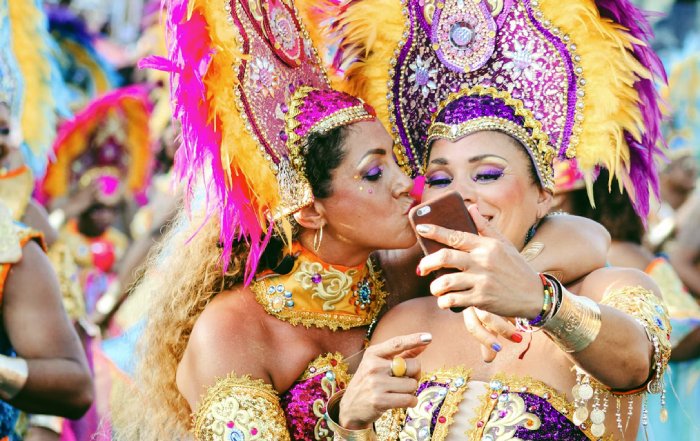
Global Beauty Rituals That Celebrate Individuality in 2026
A Global Stage Where Beauty and Identity Converge
In 2026, beauty has fully stepped beyond the confines of a single aesthetic ideal and emerged as a sophisticated language through which women articulate identity, culture, ambition, and wellbeing. Across continents, women are reclaiming ancestral rituals, refining science-led routines, and experimenting with creative self-expression, not as a superficial exercise but as a deliberate strategy for living, leading, and working with confidence. For HerStage, whose audience spans the United States, Europe, Asia, Africa, and the wider world, beauty is inseparable from lifestyle, leadership, and personal evolution, and it is within this interconnected context that global rituals take on their richest meaning.
This shift is unfolding alongside profound changes in the global beauty industry. Major corporations such as L'Oréal Group, Estée Lauder Companies, Unilever, and Shiseido are under sustained pressure from consumers and regulators to prioritize diversity, transparency, and sustainability over airbrushed perfection and opaque marketing. Industry research from platforms like McKinsey & Company continues to document how Gen Z and younger millennials in North America, Europe, and Asia demand inclusive shade ranges, clear ingredient disclosures, and verifiable commitments to climate and social impact. At the same time, medical and scientific institutions, including the Mayo Clinic and Harvard Health Publishing, reinforce the understanding that skin and hair health are deeply entwined with sleep, stress, hormones, and nutrition, further underscoring that beauty rituals are most powerful when they support holistic wellbeing rather than chase unattainable ideals.
Within this global redefinition, HerStage has become a curated home for women who want to integrate beauty into broader journeys of self-improvement, leadership, and mindful living. Readers exploring sections such as Beauty, Lifestyle, and Mindfulness encounter beauty not as an isolated topic but as part of a wider ecosystem that includes mental health, career strategy, and cultural awareness. In this environment, rituals from Seoul, Lagos, Stockholm, Dubai, and beyond are not simply trends; they are tools that help women feel seen, grounded, and ready to step into demanding roles across boardrooms, studios, classrooms, and public life.
From Narrow Ideals to Nuanced Self-Expression
For much of the twentieth century and well into the early 2000s, global beauty standards were largely exported from Western media centers in the United States and Europe, with film, television, and advertising projecting narrow norms around skin tone, body shape, hair texture, and age. Research and commentary from organizations such as the World Economic Forum have shown how these norms reinforced gender stereotypes and contributed to self-doubt, particularly among women who did not see their features reflected in aspirational imagery or leadership roles. The rise of social media, streaming platforms, and creator-led content transformed this landscape, enabling women from Lagos to London, Bangkok to Berlin, to broadcast their own rituals, philosophies, and innovations, thereby challenging the dominance of a single narrative.
Independent brands founded by women of color, Indigenous entrepreneurs, and innovators from emerging markets have been at the forefront of this evolution. Outlets such as Forbes Women and the Business of Fashion continue to profile founders who draw on regional traditions in Africa, Asia, Latin America, and the Middle East, translating practices such as oil cleansing, herbal haircare, and plant-based healing into contemporary product lines that resonate globally. For HerStage readers who follow the Business and Women sections, these stories illuminate how beauty entrepreneurship intersects with funding access, representation in global retail, and the broader movement to redistribute power within the industry.
Simultaneously, consumers have become more informed and discerning. Resources from the American Academy of Dermatology and NIH's MedlinePlus allow individuals to research ingredients, understand conditions such as rosacea or hyperpigmentation, and evaluate marketing claims against peer-reviewed evidence. This convergence of cultural heritage, digital transparency, and scientific literacy has created a new paradigm in which beauty routines are highly individualized, grounded in personal experience yet anchored in credible expertise. On HerStage, this alignment between experience, expertise, authoritativeness, and trustworthiness is central; beauty coverage is designed to support informed experimentation rather than passive consumption.
Asia: Precision, Harmony, and Technological Edge
Across Asia, beauty rituals continue to reflect deep-rooted philosophies of balance, longevity, and respect for the skin as a living organ. South Korea and Japan remain influential centers of innovation, yet their global reach has not diluted the local emphasis on prevention, hydration, and gentle care. The global popularity of K-beauty and J-beauty, extensively chronicled by publications such as Vogue and Allure, has introduced concepts such as double cleansing, essences, ampoules, and fermented ingredients to audiences in North America, Europe, the Middle East, and Australia, while reinforcing the non-negotiable role of daily sun protection as a health imperative rather than a cosmetic afterthought.
In South Korea, beauty is closely intertwined with pop culture and the entertainment industry, where skincare routines may span multiple steps yet are increasingly streamlined in response to consumer fatigue and environmental concerns. Lightweight serums, barrier-supporting creams, and innovative textures are developed through close collaboration between cosmetic chemists, dermatologists, and major corporations such as Amorepacific, then rapidly exported to the United States, the United Kingdom, Southeast Asia, and the Gulf region. Japanese rituals often favor a quieter refinement, focusing on oil-based cleansers, rice-derived actives, and meticulous massage techniques that support microcirculation and lymphatic drainage. Those seeking to understand the scientific rationale for sun care and aging can consult evidence-based resources from the Skin Cancer Foundation, which continues to emphasize broad-spectrum protection as a cornerstone of skin health.
Beyond East Asia, Southeast Asian countries such as Thailand, Malaysia, and Indonesia draw on rich botanical traditions that integrate turmeric, lemongrass, pandan, and tamarind into spa therapies, herbal compresses, and hair rituals. In these contexts, beauty is inseparable from hospitality and spirituality, with wellness retreats combining massage, meditation, and plant-based treatments to restore both body and mind. For HerStage readers, particularly those navigating high-pressure careers in Singapore, Bangkok, or global hubs like London and New York, this integrated approach aligns with content in the Health and Mindfulness sections, where beauty is framed as a daily practice of nervous-system regulation and self-respect rather than an occasional indulgence.
Europe: Craftsmanship, Regulation, and Conscious Luxury
Europe's beauty landscape in 2026 is defined by a blend of heritage craftsmanship, rigorous regulation, and a decisive turn toward sustainability. The European Union's regulatory framework, overseen by institutions such as the European Commission, has long enforced strict safety standards for cosmetic ingredients, influencing how products are formulated and labeled not only in France, Germany, Italy, Spain, and the Netherlands, but also in markets that look to the EU as a benchmark. European consumers have grown accustomed to detailed ingredient lists, allergen disclosures, and clear claims, a level of transparency that builds trust and encourages critical engagement with marketing narratives.
In France, beauty rituals often combine pharmacy-grade skincare, thermal water therapies, and a minimalist approach to makeup that privileges radiance and texture over heavy coverage. Legacy houses such as Chanel, Dior, and Lancôme coexist with a new wave of niche and "clean" brands experimenting with refillable packaging, upcycled ingredients, and carbon-accounted supply chains. In Italy and Spain, the influence of the Mediterranean diet, rich in olive oil, leafy greens, tomatoes, and seafood, underscores the role of nutrition in supporting skin elasticity and hair strength. Readers who wish to understand the link between diet and appearance can explore guidance from the Academy of Nutrition and Dietetics on nutrient-dense eating patterns that promote long-term health.
Northern Europe has given rise to the "Scandi beauty" movement, rooted in the values of simplicity, functionality, and environmental stewardship. In Sweden, Norway, Denmark, and Finland, routines frequently revolve around gentle cleansing, fragrance-light moisturizers, and targeted protection against wind, cold, and low humidity, while brands prioritize recyclable materials and responsible sourcing from local forests and marine environments. These practices resonate strongly with HerStage readers who follow global developments in the World and Lifestyle sections, where climate action, circular economies, and sustainable fashion are treated as integral to modern glamour rather than peripheral concerns.
Africa: Ancestral Wisdom and Economic Empowerment
Across Africa, beauty rituals are deeply grounded in ancestral knowledge, community networks, and a sophisticated understanding of local ecosystems. From West Africa's shea butter and African black soap to North Africa's argan oil and rhassoul clay, these ingredients have sustained skin and hair health for generations and now anchor global product lines. Organizations such as the African Union and international development agencies highlight how women-led cooperatives in Ghana, Burkina Faso, and Morocco are central to harvesting and processing these materials, generating income, preserving biodiversity, and negotiating fairer terms in international trade. The World Bank continues to document how such value chains can advance gender equality and rural development.
In West Africa, unrefined shea butter remains a daily staple, applied to protect skin from dryness and to nourish tightly coiled hair textures. African black soap, crafted from plantain skins, cocoa pods, and local oils, offers gentle exfoliation and has become widely adopted in North America and Europe as consumers seek effective, low-additive cleansers. In North African hammam culture, rituals of steam, exfoliation with kessa gloves, and mineral-rich clay masks are as much about social connection and spiritual cleansing as about physical renewal. For HerStage readers, these practices mirror the platform's emphasis on beauty as a communal and intergenerational experience, something particularly evident in Women profiles that spotlight how rituals are passed down and reinterpreted across time.
In South Africa, Kenya, Nigeria, and other rapidly urbanizing hubs, beauty narratives increasingly foreground natural hair, sun protection for deeper skin tones, and the dismantling of colorist ideals. Local brands and content creators challenge imported standards, celebrating locs, afros, braids, and protective styles as expressions of professionalism and creativity rather than obstacles to advancement. On HerStage, the Career and Leadership sections often intersect with these conversations, showcasing founders and executives who build businesses rooted in African ingredients and aesthetics while competing on a global stage.
The Americas: Identity, Innovation, and Cultural Fusion
In North and South America, beauty rituals reflect a vibrant interplay of Indigenous traditions, immigrant cultures, and the powerful influence of entertainment and social media. In the United States and Canada, the last decade has seen an acceleration of inclusion efforts, with major retailers and brands expanding shade ranges, diversifying campaign imagery, and investing in research on conditions that disproportionately affect women of color, such as melasma and traction alopecia. The psychological impact of positive representation is well-documented by organizations such as the American Psychological Association, which notes that when women see their features and stories reflected in aspirational spaces, their sense of self-worth and belonging can increase measurably.
Latina, Afro-Latina, and Indigenous communities play a transformative role in shaping North and South American beauty cultures. In Brazil, rituals often celebrate body confidence and sensuality while relying on ingredients such as babassu oil to support elasticity, shine, and resilience. In Mexico and across the Andean and Amazonian regions, traditional knowledge informs the use of aloe, cacao, calendula, and clay in at-home masks and hair treatments, bridging ancestral remedies with modern formulations. Analyses from UNESCO on intangible cultural heritage underscore the importance of recognizing and protecting these practices as part of global cultural diversity, rather than appropriating them without acknowledgment or fair compensation.
The United States remains a major hub for cosmetic technology, dermatologic procedures, and biotech-driven skincare, with institutions such as the Cleveland Clinic and Johns Hopkins Medicine contributing to advances in laser therapy, non-invasive tightening, and personalized regimens informed by genetics, hormone profiles, and microbiome research. For professional women navigating demanding roles in finance, technology, law, media, and healthcare, these innovations offer targeted ways to address concerns such as hyperpigmentation, acne, or stress-related aging without resorting to aggressive interventions. On HerStage, these themes intersect with the Self-Improvement and Guide sections, where readers are encouraged to integrate medical advice, lifestyle changes, and realistic expectations into their approach to cosmetic procedures.
The Middle East and South Asia: Opulence, Spirituality, and Ritual Care
In the Middle East and South Asia, beauty rituals are often interwoven with spiritual practices, hospitality codes, and ceremonial life. In the Gulf region, including the United Arab Emirates, Saudi Arabia, and Qatar, women frequently blend global cosmetic trends with long-established customs that prioritize fragrance, haircare, and meticulous makeup artistry. Ouds, attars, and bakhoor form complex scent rituals that signify identity and status, while kohl, henna, and richly pigmented lip and eye products connect contemporary looks to centuries-old traditions. Analyses from UN Women highlight how evolving gender norms, education levels, and labor force participation in these societies are reshaping how women present themselves in public and professional spaces, balancing modesty preferences with self-expression.
In India, Pakistan, Bangladesh, and Sri Lanka, Ayurvedic and Unani systems continue to shape everyday beauty. Ingredients such as turmeric, neem, tulsi, sandalwood, and amla are incorporated into masks, oils, and hair treatments designed not only to enhance appearance but to balance doshas and support long-term health. Multi-day bridal rituals, which may include exfoliation, massage, herbal baths, and hair oiling, are intended to calm the nervous system and prepare the bride emotionally as well as physically. The global spread of yoga and meditation, now supported by clinical research on stress reduction, reinforces the idea that inner equilibrium is reflected outwardly through posture, complexion, and overall vitality. Those wishing to integrate mindfulness into their routines can explore resources on breathwork and meditation from the Cleveland Clinic's integrative medicine guidance.
Across these regions, a new generation of women-led brands is emerging, focused on halal-certified formulations, modesty-friendly products, and solutions tailored to regional climates and cultural expectations. For HerStage readers, particularly those following the Education and Guide sections, these developments offer nuanced perspectives on how faith, tradition, and global entrepreneurship can coexist in a modern beauty ecosystem.
Wellness, Science, and the Inner Infrastructure of Beauty
Despite the diversity of rituals across continents, a unifying theme in 2026 is the recognition that outward appearance is closely tied to internal health, emotional resilience, and daily habits. The World Health Organization continues to highlight the global burden of non-communicable diseases, mental health challenges, and lifestyle-related conditions, many of which manifest visibly on the skin and hair through inflammation, dullness, or thinning. As a result, more women are reframing beauty as a form of preventive healthcare and self-maintenance, rather than a tool for masking fatigue or distress.
Scientific insights into the gut-skin axis, hormonal fluctuations, and chronic inflammation have driven increased attention to diet, movement, and sleep as foundational elements of any beauty routine. Resources from the National Institutes of Health and the Cleveland Clinic detail how micronutrients, hydration, and circadian rhythm alignment influence collagen synthesis, barrier function, and cellular repair. On HerStage, this integrative perspective is reflected across Food, Health, and Lifestyle coverage, where recipes, movement practices, and recovery strategies are presented as inseparable from skincare and makeup.
Mental wellbeing is another critical dimension. Organizations such as the National Alliance on Mental Illness emphasize that consistent self-care rituals, including grooming and skincare, can provide a sense of control, stability, and grounding, especially during periods of uncertainty or transition. For many women balancing work, caregiving, and personal aspirations across cities like New York, London, Berlin, Singapore, and Johannesburg, a morning or evening routine becomes a protected space to reconnect with the self, reset intentions, and signal readiness for the demands ahead. On HerStage, these themes are explored not as fleeting trends but as long-term strategies for building resilience and self-trust.
Professional Presence, Leadership, and the Politics of Appearance
For the global audience of HerStage, beauty is inextricably linked to professional presence and leadership. Research from the Harvard Business Review and similar outlets has consistently documented how grooming, attire, and non-verbal signals influence perceptions of competence, credibility, and authority, particularly for women operating in male-dominated sectors or cross-cultural environments. While it is important to acknowledge the unfair burden that appearance-based judgments place on women, it is equally important to recognize that many women use personalized beauty rituals as strategic tools for cultivating confidence and agency in high-stakes settings.
In corporate environments from New York and Toronto to Frankfurt, Singapore, and Sydney, women often calibrate their makeup, hair, and wardrobe to align with organizational culture while maintaining authenticity. Subtle, well-executed makeup may be chosen to project alertness in long meetings, while protective hairstyles, low-maintenance cuts, or natural textures can help manage time and reduce stress during demanding travel or caregiving periods. Entrepreneurs, politicians, and public figures frequently develop signature looks that reinforce their personal brand, making them more recognizable and memorable without compromising professionalism. Readers exploring Leadership and Career content on HerStage will find that executive presence is discussed holistically, with grooming and style treated as integral components of how women communicate expertise and values.
At the same time, there is increasing scrutiny of rigid dress codes and grooming standards that disproportionately disadvantage women and people from marginalized communities. Legal and policy frameworks referenced by bodies such as the Equal Employment Opportunity Commission and human rights organizations have begun to challenge discriminatory bans on natural hairstyles, religious head coverings, or culturally specific adornment. In this context, global beauty rituals that celebrate individuality become more than personal choices; they function as quiet forms of resistance and as assertions of the right to be fully oneself in professional and public life.
HerStage as a Trusted Home for Global Beauty Narratives
As global beauty rituals continue to evolve in 2026, HerStage positions itself as a trusted, experience-led platform where women can explore these practices with both curiosity and discernment. By weaving together perspectives from dermatology, psychology, entrepreneurship, cultural studies, and lived experience, HerStage offers a comprehensive view of beauty that aligns with readers' ambitions in business, education, and personal growth. Visitors who navigate Fashion, Glamour, and Beauty encounter stories that link aesthetics to identity and self-expression, while Self-Improvement and Guide provide structured frameworks for building routines that are sustainable, ethical, and attuned to individual needs.
In a digital environment saturated with unverified claims and fleeting trends, the platform's commitment to experience, expertise, authoritativeness, and trustworthiness is more than an editorial stance; it is a responsibility to readers who rely on HerStage to navigate choices that affect their health, finances, and sense of self. By highlighting credible medical resources, spotlighting founders with demonstrable track records, and honoring the cultural origins of rituals and ingredients, HerStage helps ensure that global beauty remains a space of respect rather than exploitation.
Ultimately, global beauty rituals that celebrate individuality do more than shape how women look; they reveal how women see themselves and how they intend to move through the world. Whether a reader in Los Angeles is inspired by Scandinavian minimalism, a professional in London embraces African haircare traditions, a founder in Singapore adopts Mediterranean nutrition principles, or a student in Johannesburg experiments with K-beauty skincare, each choice is an act of self-definition. On HerStage, these stories converge, offering a panoramic, deeply human portrait of how women across continents are using beauty not as a mask to hide behind, but as a mirror that reflects their heritage, their aspirations, and their evolving power on the global stage.
