
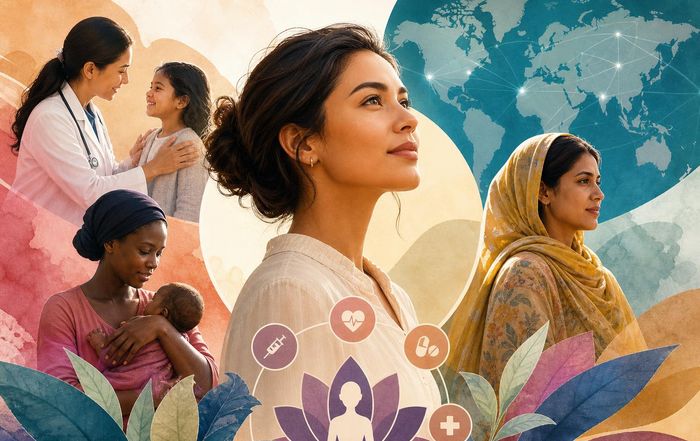
Understanding Healthcare Access for Women Worldwide
Access to healthcare is often described as a basic human right, yet for hundreds of millions of women and girls, it remains fragile, conditional, or entirely out of reach. The details vary from country to country, but the pattern is strikingly consistent: women tend to live longer than men yet spend more years in poor health, face specific reproductive and maternal risks, and often struggle more to pay for or physically reach the care they need. Understanding why those gaps exist-and what is being done to close them-is essential for anyone interested in women's leadership, public policy, or personal wellbeing.
This article explores how healthcare access for women differs across regions and life stages, what the major barriers look like in practice, and how policy, technology, and grassroots action are reshaping the landscape. It also highlights what individual women can do to navigate systems that are, in many places, still not designed with them in mind.
What "access to healthcare" really means for women
Healthcare access is more than the existence of a clinic or a doctor. Public health bodies such as the World Health Organization define access in terms of availability, affordability, acceptability, and quality. For women, each of these dimensions has distinctive gendered layers. Availability includes whether services for contraception, safe abortion where legal, antenatal care, and cervical or breast cancer screening actually exist locally. Affordability is shaped not only by income but by the fact that women globally earn less than men and are more likely to work informally or unpaid, which weakens their ability to pay for consultations, tests, and medicines. Acceptability covers whether services are culturally and socially acceptable-whether, for example, a woman can see a female provider, or discuss sexual health without stigma. Finally, quality involves whether care is evidence-based, safe, and free from discrimination or gender bias.
Global health agencies such as the WHO and UN Women estimate that millions of women each year still give birth without skilled health personnel, and that preventable causes linked to pregnancy and childbirth remain a major driver of death in low- and middle-income countries. At the same time, non-communicable diseases such as cardiovascular disease, diabetes, and cancer are now leading causes of death among women worldwide, yet screening and early detection programs are unevenly distributed. This dual burden-reproductive health risks on one side, chronic diseases on the other-means that women's health needs are broader and more complex than the "maternal health" label often suggests. For lovely people interested in wellbeing and health, it is useful to see access as an ongoing relationship with the system rather than a one-off encounter.
The global picture: where women stand today
Over the past two decades, there has been measurable progress. According to data collated by organizations such as the World Bank and UNFPA, global maternal mortality has fallen significantly since 2000, largely thanks to expanded access to skilled birth attendants, better emergency obstetric care, and wider availability of contraception. Many countries have integrated reproductive health into universal health coverage (UHC) schemes and reduced or eliminated user fees for key services. There have also been advances in prevention, such as the rollout of HPV vaccination programs in high- and some middle-income countries, which the Centers for Disease Control and Prevention and others link to declining rates of cervical precancer in vaccinated cohorts.
Yet progress has been uneven and, in some places, has stalled or reversed. Conflict, climate-related disasters, economic crises, and the COVID-19 pandemic have all disrupted routine services, with women often hardest hit because they tend to delay their own care to prioritize children or older relatives. Reports from agencies such as UNICEF and UN Women highlight that sexual and reproductive health services were among the first to be interrupted when health systems were under pressure, leading to increases in unintended pregnancies and difficulties accessing safe childbirth care. In some countries, political changes have also led to tighter restrictions on abortion or reproductive rights, affecting both access and safety.
Regional differences are stark. In parts of sub-Saharan Africa and South Asia, distances to health facilities, shortages of trained staff, and out-of-pocket costs remain major obstacles. In many high-income countries, women may have physical access but still face long waits for specialist services, gaps in mental health support, or insurance plans that do not fully cover contraception, fertility care, or menopause management. Migrant women, refugees, and women from marginalized ethnic or racial groups frequently face additional barriers related to legal status, discrimination, or language. For those interested in global issues and world affairs, it is instructive to see women's healthcare access as a barometer of broader social and economic inequalities.
Structural barriers: money, distance, and laws
Three structural factors come up repeatedly when examining women's access to healthcare: financial protection, geography, and legal frameworks. Financially, the way a health system is funded strongly shapes women's experience. In many low- and middle-income countries, out-of-pocket spending remains high, meaning that families must pay directly at the point of care. Because women often have less control over household resources, they may postpone or forgo care altogether. Even in wealthier nations with insurance-based systems, gaps in coverage can leave women paying significant sums for contraception, fertility treatments, or mental health services. Research shared by organizations such as the World Bank and OECD shows that catastrophic health expenditures-costs so high they push households into poverty-disproportionately impact women-headed households.
Geography compounds these challenges. Rural women may live hours away from the nearest clinic, without reliable transport or safe roads. In some regions, seasonal flooding or conflict can cut off whole communities from care for months. Solutions such as mobile clinics, community health workers, and telemedicine have been promoted by agencies like WHO and UNFPA, but implementation varies widely. Where they are in place, they can dramatically increase access to contraception, antenatal check-ups, and basic chronic disease management for women who would otherwise see a doctor only in emergencies. For readers interested in practical guides and self-advocacy, understanding these structural constraints can make it easier to interpret health statistics that might otherwise seem abstract.
Laws and policies form the third pillar. Legal restrictions around abortion, contraception, adolescent consent, and same-sex relationships can either facilitate or severely limit women's ability to seek care. In some countries, unmarried women need a guardian's permission for gynecological services, while in others, comprehensive sexuality education is restricted, leaving young women without the knowledge to navigate their own health. On the positive side, legal reforms-such as including maternal care in national insurance schemes, mandating coverage for contraceptives, or decriminalizing certain reproductive services-have been shown in research compiled by UN Women and UNFPA to improve uptake and outcomes. But laws on paper do not automatically translate into access in practice, particularly where stigma or provider bias persists.
Gender bias and the quality of care
Even when women reach a health facility and can pay for services, the quality and responsiveness of care are not guaranteed. A growing body of research, including work highlighted by major medical journals and institutions like Harvard University, points to gender bias in diagnosis, treatment, and medical research itself. Historically, women were under-represented in clinical trials, and their symptoms were more likely to be dismissed as "stress" or "anxiety," especially for conditions like heart disease, autoimmune disorders, and chronic pain. This has created diagnostic delays and, in some cases, higher mortality.
Bias can also be intersectional. Women from marginalized racial or ethnic groups, disabled women, and LGBTQ+ women often report feeling disrespected or not believed in healthcare settings. Studies referenced by organizations such as the National Institutes of Health and UN Women show that Black women in several high-income countries, for example, experience significantly higher maternal mortality rates than white women, even after adjusting for income and education. Explanations include structural racism, differences in quality of facilities, and stress associated with discrimination. These are not purely clinical issues but questions of justice and human rights.
For many women, experiences of disrespect, neglect, or even abuse during childbirth or gynecological care create long-lasting mistrust. Advocacy groups and professional bodies like the International Federation of Gynecology and Obstetrics have called for a stronger focus on respectful maternity care and informed consent. This includes ensuring that women can understand their options, ask questions, and refuse procedures without fear of punishment or humiliation. It also underscores the importance of training more female health workers at all levels, from community health workers to specialists, which evidence suggests can increase trust and uptake of services. For readers interested in leadership, the push for more women in health system decision-making roles is a crucial part of this conversation.
Reproductive and maternal health: persistent gaps
Reproductive and maternal health remains one of the most visible areas where access gaps show up. The WHO estimates that the vast majority of maternal deaths are preventable with timely, high-quality care before, during, and after childbirth. Key interventions include antenatal visits, skilled birth attendants, emergency obstetric care, and postpartum follow-up. Yet in some low-income countries, fewer than half of women receive the recommended four or more antenatal visits, and many give birth at home without skilled support. Economic barriers, distance, cultural norms favoring home birth, and shortages of midwives all play a role.
Access to modern contraception is another central issue. According to UNFPA, hundreds of millions of women globally have an unmet need for family planning-they want to avoid or delay pregnancy but are not using any modern method. Reasons include fear of side effects, partner opposition, religious or cultural norms, stock-outs at clinics, and lack of privacy or confidentiality. When contraception is available, it is sometimes offered in ways that do not fully respect women's autonomy, such as pressure to accept long-acting methods without adequate counseling. On the other hand, when methods are restricted or stigmatized, women may resort to unsafe abortions or face repeated unintended pregnancies, with major consequences for education, employment, and mental health.
Where abortion is legally restricted, women often face dangerous conditions and criminalization. The Guttmacher Institute and WHO have documented that restrictive laws do not eliminate abortions; they tend instead to push them underground, increasing the risk of complications and death. In contrast, countries that have liberalized abortion laws and integrated services into standard healthcare-alongside strong contraception programs-tend to see lower rates of unsafe procedures and better reproductive health outcomes. Yet even in countries where abortion is legal, practical barriers such as limited providers, mandatory waiting periods, or harassment at clinics can limit real-world access.
Beyond reproduction: chronic disease, mental health, and ageing
While reproductive health often dominates discussions of women's healthcare, chronic diseases and mental health issues account for a growing share of illness and death among women worldwide. Cardiovascular disease is the leading cause of death among women globally, but awareness that women can have different heart attack symptoms than men remains low. Organizations such as the American Heart Association have campaigned to raise awareness of women-specific symptoms and risk factors, including pregnancy-related conditions like preeclampsia and gestational diabetes, which can increase future cardiovascular risk.
Cancer is another major concern. Cervical cancer is largely preventable through HPV vaccination and regular screening, yet it remains a leading cause of cancer death among women in many low- and middle-income countries due to limited screening programs and late diagnosis. Breast cancer, meanwhile, is the most commonly diagnosed cancer in women globally. Access to early detection, pathology services, and affordable treatment is highly unequal, with survival rates much higher in high-income countries than in low-income ones. Efforts by organizations such as the Union for International Cancer Control and WHO focus on scaling up screening, pathology, and treatment in resource-constrained settings.
Mental health is often the least visible yet most pervasive gap. Women are more likely than men to experience depression and anxiety, driven by a mix of biological, social, and economic factors. Gender-based violence, caregiving burdens, and economic insecurity are all linked to poor mental health. Yet in many countries, mental health services are scarce, expensive, or highly stigmatized. Perinatal mental health-depression and anxiety during pregnancy and after childbirth-is particularly underdiagnosed, even though it can have serious consequences for both mother and child. Integrating mental health into primary care and maternal services, as recommended by WHO, is one promising approach, but implementation remains patchy.
As women age, new access issues emerge around osteoporosis, dementia, and menopause. In many health systems, menopause is not treated as a significant health transition requiring structured support. Women may struggle to access evidence-based information, appropriate hormone therapy where indicated, or workplace accommodations for symptoms such as hot flashes and sleep disturbance. For readers interested in lifestyle and long-term wellbeing, understanding these later-life health needs is critical to planning for a healthy older age.
Social norms, safety, and the hidden costs of seeking care
Healthcare access is also shaped by social norms and safety concerns that rarely appear in statistics. In some communities, women are expected to seek permission from husbands or elders before visiting a clinic, especially for reproductive or sexual health. Fear of being seen at a family planning clinic, or of rumors spreading, can deter women from using services even when they are physically available. Adolescent girls may face particular scrutiny, making it difficult to access contraception, STI testing, or menstrual health support.
Violence is another major barrier. The WHO estimates that about one in three women globally has experienced physical or sexual violence in her lifetime, most often from an intimate partner. This can directly affect health through injuries, unwanted pregnancies, STIs, and mental health problems, but it also limits freedom of movement and decision-making. Women in abusive relationships may be prevented from attending appointments, using contraception, or continuing treatments. Health systems that are not trained to screen for and respond sensitively to violence may miss opportunities to provide support, compounding the harm.
Safety concerns can extend to the journey to care. In some regions, women report harassment or assault while traveling to clinics, especially if they must go alone or at night. Lack of safe, affordable transport can be as decisive a barrier as the absence of a clinic itself. For women balancing paid work, unpaid care, and domestic responsibilities, time is another hidden cost. Long waits, limited opening hours, and bureaucratic procedures can be prohibitive, especially for hourly workers or those with no childcare. These everyday realities highlight why improving access is not simply a matter of building more facilities, but of redesigning services with women's lives in mind.
Digital health and innovation: promise and pitfalls
Digital health technologies-telemedicine, mobile health apps, wearable devices, and AI-driven diagnostics-are often promoted as tools to close access gaps. In many countries, women are already using mobile phones to receive antenatal reminders, contraception information, or mental health support. Initiatives documented by organizations such as UNICEF and UNFPA show that SMS-based programs can increase clinic attendance and improve pregnancy outcomes in remote areas. Telemedicine has also expanded access to specialists, including gynecologists and mental health professionals, particularly during and after the COVID-19 pandemic.
However, digital solutions come with caveats. The "digital divide" means that women in some regions are less likely than men to own smartphones, have internet access, or control their own devices. Concerns about privacy and data security are also acute for women seeking sensitive services such as abortion information or HIV care, especially in settings where such services are stigmatized or criminalized. Regulation of digital health tools varies widely, and not all apps or platforms are evidence-based. Major health agencies, including WHO, have begun issuing guidelines on digital health, emphasizing the need for equity, privacy, and integration with existing systems rather than standalone apps that reach only the most connected users.
For women who do have access, digital tools can be powerful for self-education and self-advocacy. Reliable sources such as Mayo Clinic, Cleveland Clinic, and NHS websites provide accessible information on symptoms, treatment options, and questions to ask a doctor. Yet online information is also rife with misinformation and commercial bias, particularly in areas like fertility, weight loss, and alternative therapies. Developing digital health literacy-knowing how to evaluate sources, understand risk, and spot red flags-is increasingly a key part of women's health empowerment, complementing the lifestyle and self-improvement content many readers already engage with.
What improves access: policies, providers, and women's voices
Evidence from diverse countries suggests several approaches that consistently improve women's access to healthcare. One is investing in primary care and community health workers, especially midwives and nurses. When trained, supported, and fairly paid, these providers can deliver contraception, antenatal care, basic chronic disease management, and health education close to where women live. Organizations such as UNFPA and WHO have emphasized midwifery as a high-impact investment for maternal and newborn health, particularly in low-resource settings.
Another is designing financing schemes with gender in mind. Universal health coverage policies that eliminate user fees for essential services-such as maternal care, contraception, and key chronic disease medications-can dramatically reduce financial barriers. Some countries have introduced conditional cash transfers or transport vouchers for pregnant women to encourage facility-based births. Others have focused on expanding social health insurance to informal workers, many of whom are women. The details vary, but the principle is that financial protection must account for women's economic realities, not assume stable formal employment.
Legal and policy reforms also matter. Ensuring that national health strategies explicitly address gender, collecting sex-disaggregated data, and including women's organizations in health governance can all help align services with women's needs. Campaigns led by civil society and professional associations have driven changes in areas such as domestic violence laws, maternity leave, and coverage for reproductive health. International frameworks, including the UN Sustainable Development Goals, provide benchmarks and accountability mechanisms, but progress depends on national political will and local activism.
Crucially, improving access is not only about top-down change. Women's own voices-as patients, caregivers, professionals, and advocates-are central. Storytelling, community organizing, and peer education can shift norms and expectations about what good care looks like. For readers interested in career and business, there are also opportunities to influence health access from within organizations, whether by advocating for better health benefits, flexible work during pregnancy and menopause, or safer workplaces free from harassment and discrimination.
Navigating systems and advocating for your health
While structural change is essential, many women are also looking for practical strategies to navigate imperfect systems right now. Building a personal health record-keeping copies of test results, medication lists, and key diagnoses-can make it easier to move between providers or seek second opinions. Preparing questions before appointments and, where possible, bringing a trusted companion can help ensure that concerns are heard and information is remembered. If something feels wrong or a symptom is dismissed, seeking another opinion is not only reasonable but often vital, especially in areas where gender bias in diagnosis is well documented.
Understanding your legal rights is another key step. In many countries, patients have the right to informed consent, to refuse treatment, and to access their medical records. Knowing what services are covered by public programs or insurance plans can prevent unnecessary out-of-pocket spending. Reputable national health authorities, such as the NHS in the United Kingdom or the Centers for Medicare & Medicaid Services in the United States, provide information on entitlements and coverage. Local women's health organizations and legal aid services may also offer guidance, especially around reproductive rights and gender-based violence.
Finally, connecting with others-whether through local support groups, online communities, or professional networks-can make a significant difference. Shared experiences can help women recognize patterns of bias, learn about trusted providers, and gain confidence in advocating for themselves. For those drawn to mindfulness and holistic wellbeing, combining self-advocacy with stress management, social support, and healthy routines can create a more resilient foundation for navigating health challenges.
Healthcare access for women worldwide is shaped by a web of factors: laws and budgets, roads and phones, norms and prejudices, research agendas and political choices. The gaps are real and, for too many, life-threatening. Yet the story is also one of progress, innovation, and growing insistence that women's health is not a niche or secondary concern but central to families, economies, and societies. Whether through policy, professional work, or personal advocacy, engaging with these issues is one way to help ensure that taking center stage in life also comes with the basic security of being able to get care when it is needed most.
