
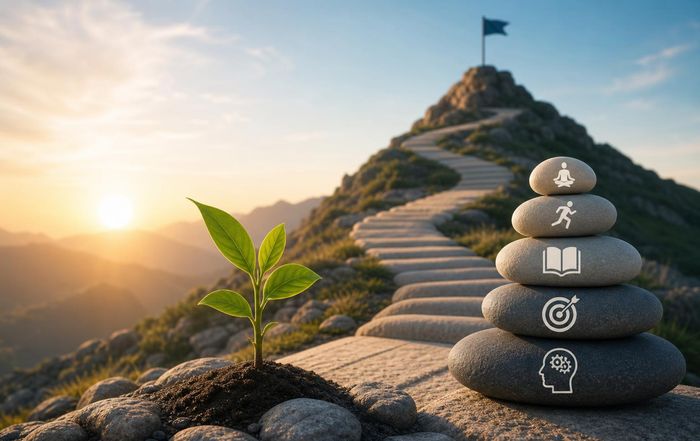
How Can You Start Creating a Life of Continuous Improvement?
Redefining Continuous Improvement for Women in a Changing World
It seems obvious that the idea of continuous improvement has moved well beyond productivity hacks and corporate jargon; it has become a deeply personal, top approach to living that many women and men around the world are using to navigate complex careers, evolving family structures, and rapidly shifting social expectations. For the elegant and active, successful and kind community of readers at HerStage, continuous improvement is not about relentless self-criticism or perfectionism, but about designing a life that is deliberately, thoughtfully, and sustainably better year after year, in ways that align with individual values, health, and long-term aspirations.
Across regions as diverse as North America, Europe, Asia, Africa, and South America, women are reevaluating what progress truly means. Instead of measuring success solely through external markers such as promotions, income, or social status, they are increasingly aligning improvement with inner metrics: psychological well-being, meaningful relationships, bodily health, intellectual growth, and a sense of contribution to something larger than themselves. Reports from organizations such as the World Economic Forum indicate that women's participation in leadership and decision-making continues to grow, yet so do stress levels and burnout, especially among high-achieving professionals who shoulder multiple roles. In this environment, creating a life of continuous improvement demands a model that is both ambitious and compassionate, one that honors excellence while protecting mental and physical health.
For HerStage, which has long highlighted women's stories of transformation, leadership, and resilience, continuous improvement is best understood as a holistic, lifetime practice that touches every dimension of life. Readers engaging with the platform's focus on women's journeys, leadership development, self-improvement, health, food and nourishment, and beyond are not simply consuming inspiration; they are actively building a personal operating system that allows them to adapt, grow, and thrive in uncertain times.
The Mindset Foundation: Growth, Self-Compassion, and Psychological Safety
Any serious conversation about continuous improvement must begin with mindset. Decades of research in psychology, popularized by scholars such as Dr. Carol Dweck through work on growth mindset, have shown that individuals who believe their abilities can be developed through effort, learning, and feedback are more likely to persist through difficulty and achieve meaningful progress over time. Yet for many women, especially in cultures where they are held to exacting standards, the call to "always improve" can easily be misheard as a demand for flawlessness, which is both unrealistic and damaging.
A life of continuous improvement requires an internal climate of psychological safety rather than relentless self-surveillance. This means creating mental conditions in which experimentation, small failures, and recalibration are not only tolerated but expected. Researchers at Harvard Business School have repeatedly demonstrated that environments rich in psychological safety foster learning and innovation; the same principle applies at the individual level. When women in leadership, entrepreneurship, or demanding professions feel safe enough to test new strategies, ask for help, and acknowledge limits, they can improve far more effectively than when they are hiding perceived weaknesses.
Self-compassion, as studied by experts such as Dr. Kristin Neff, is now recognized as a critical performance and resilience skill rather than a soft indulgence. Learning how to respond to personal setbacks with constructive kindness instead of harsh self-judgment allows women to stay engaged with long-term goals without burning out. Those who wish to understand this dynamic more deeply can explore how self-compassion supports performance and well-being through resources offered by institutions such as the American Psychological Association, which explain the relationship between emotional regulation and sustained achievement.
On HerStage, articles that explore mindfulness and inner balance reflect this shift from perfectionism to growth. Readers are encouraged to replace the question "How can I fix everything that is wrong with me?" with "How can I learn, iterate, and expand what is already working?" This subtle but powerful reframing is the psychological bedrock of a life of continuous improvement.
Designing a Personal Operating System for Growth
Continuous improvement becomes sustainable when it is supported by a deliberate personal operating system rather than by sporadic bursts of motivation. Such a system integrates clear values, long-term vision, structured routines, and periodic reflection. It transforms the abstract desire to "be better" into a concrete, living framework that guides daily decisions.
Many women begin this process by clarifying their values and life priorities, a practice often recommended by leadership programs at institutions like Harvard Business School and INSEAD. Values clarification involves articulating what truly matters across domains such as family, health, intellectual growth, contribution, financial security, and creative expression. Without this clarity, improvement efforts can become scattered or driven by external pressure, leading to impressive achievements that nonetheless feel hollow. Those seeking structured exercises for identifying values can explore resources from organizations such as MindTools, which provide practical guidance on aligning decisions with core principles.
Once values are clear, women can translate them into a long-term vision that spans five to ten years, acknowledging both professional ambitions and personal aspirations. For example, a woman in Germany or Canada might envision herself as a senior executive in a global firm while also maintaining strong community involvement and robust physical health. Another in Singapore or South Africa might imagine launching a social enterprise that addresses local challenges while raising a family. These visions serve as north stars, guiding the selection of annual and quarterly goals.
Within this framework, routines and habits become the engines of continuous improvement. Research synthesized by James Clear and others on habit formation, drawing on behavioral science and studies from institutions like University College London, shows that small, consistent actions compound over time into significant change. Establishing morning routines for focused work, evening routines for reflection, and weekly planning sessions can dramatically increase the likelihood that improvement goals will be met. Women who frequent the self-improvement section of HerStage often report that the most transformative changes come not from dramatic overhauls but from modest, repeatable practices that align with their values and rhythms.
Reflection is the final component of this operating system. Regular reviews-monthly, quarterly, and annually-allow individuals to examine what is working, what is not, and where adjustments are needed. Techniques such as journaling, guided prompts, or structured debriefs inspired by agile methodologies in technology firms like Spotify or Microsoft help women treat their lives as evolving projects, where feedback is continuously integrated rather than ignored.
Leadership and Influence: Improving Beyond the Individual
For the HerStage audience, leadership is not limited to formal titles. Women lead in boardrooms, classrooms, laboratories, startups, community organizations, and households. Continuous improvement at the leadership level demands an expanded lens, one that includes not only personal growth but also the development of others, the health of teams, and the ethical impact of decisions on wider communities.
Research from institutions such as McKinsey & Company and the World Economic Forum has consistently shown that organizations with greater gender diversity in leadership tend to outperform peers on key financial and innovation metrics. However, these same studies reveal persistent barriers, including limited access to sponsorship, uneven caregiving expectations, and subtle biases in performance evaluations. For women in the United States, United Kingdom, Germany, France, and beyond, continuous improvement in leadership therefore involves both individual skill-building and strategic navigation of structural challenges.
Skill-building includes deepening expertise in key leadership capabilities such as strategic thinking, emotional intelligence, negotiation, and inclusive decision-making. The Center for Creative Leadership and similar institutions offer frameworks for understanding how leaders grow through stretch assignments, feedback, and reflection. Women who adopt a mindset of "leader as learner" are better equipped to handle the volatility that characterizes modern markets, whether they are operating in the technology sectors of South Korea and Japan or the creative industries of Italy and Spain.
At the same time, effective leaders use continuous improvement to shape healthier cultures. This might involve implementing regular feedback loops, investing in coaching and mentoring, and championing flexibility policies that support employees' well-being. Resources from organizations such as SHRM (the Society for Human Resource Management) provide guidance on how to build workplaces that sustain performance without sacrificing mental health. For women who engage with the leadership content on HerStage, the message is clear: personal advancement and cultural transformation must progress together if improvement is to be meaningful and equitable.
Health as a Non-Negotiable Pillar of Progress
No conversation about continuous improvement is complete without a serious examination of health, particularly for women who often juggle professional and caregiving responsibilities. In 2026, data from bodies such as the World Health Organization underline the rising prevalence of chronic stress, anxiety, and lifestyle-related conditions among working women worldwide. Continuous improvement that neglects physical and mental health is not only unsustainable but ultimately self-defeating.
A life of continuous improvement therefore requires non-negotiable health foundations: sleep, movement, nutrition, and stress management. Sleep research from institutions like Harvard Medical School demonstrates that chronic sleep deprivation impairs cognitive performance, emotional regulation, and decision-making, undermining the very capabilities that ambitious women rely on. Similarly, regular physical activity, whether through structured fitness programs or accessible routines such as daily walking, has been shown to improve mood, energy, and long-term resilience. Women seeking evidence-based guidance can explore resources from organizations like the Mayo Clinic, which outline realistic strategies for integrating exercise into busy lives.
Nutrition is another cornerstone. Rather than chasing restrictive trends, many women are turning to balanced, culturally appropriate eating patterns supported by research from institutions such as Johns Hopkins Medicine. Learning more about sustainable food choices and nutrient-dense meals helps them maintain energy and cognitive clarity, particularly in high-stakes roles. The food section of HerStage increasingly highlights how thoughtful eating intersects with performance, longevity, and emotional well-being.
Mental health deserves equal attention. Mindfulness-based practices, which have been studied extensively by organizations such as UCLA Mindful Awareness Research Center, are now widely recognized as effective tools for reducing stress and enhancing focus. Women across regions-from Scandinavia to Southeast Asia-are incorporating short daily mindfulness exercises, digital detox strategies, and boundaries around work communication into their improvement plans. On HerStage, resources on mindfulness and holistic health emphasize that sustainable improvement is impossible in the absence of nervous system regulation and emotional stability.
Learning, Education, and Skill Building Across a Lifetime
Continuous improvement is inherently educational. In an era where technological change is reshaping industries at unprecedented speed, women cannot rely solely on degrees earned in their twenties. Lifelong learning has become a strategic imperative for professionals in fields as varied as finance, healthcare, engineering, creative arts, and public policy.
Global platforms such as Coursera, edX, and LinkedIn Learning have democratized access to high-quality education from universities like MIT, Stanford, and University of London, allowing women in Brazil, Malaysia, South Africa, and New Zealand to upskill without relocating or interrupting their careers. Whether they are studying data analytics, digital marketing, sustainability, or leadership, the key is to align learning investments with long-term career trajectories and personal interests. The education content on HerStage frequently explores how women can strategically choose programs and certifications that open doors in emerging sectors rather than simply accumulating credentials.
Informal learning is equally important. Reading widely, listening to podcasts, attending industry conferences, and participating in professional networks all contribute to continuous improvement. Organizations such as TED and HBR (Harvard Business Review) offer accessible thought leadership that helps women stay ahead of trends in technology, management, and social change. By designing personal learning plans that combine formal and informal elements, women can remain adaptable in the face of automation, artificial intelligence, and shifting economic landscapes.
In many regions, from the Netherlands and Switzerland to Singapore and South Korea, governments and employers are investing in reskilling initiatives to prepare workforces for the future. Women who proactively engage with these opportunities are better positioned to navigate career transitions, whether they are re-entering the workforce after caregiving, pivoting into new industries, or starting their own ventures. Continuous improvement, in this context, becomes a protective factor against obsolescence and a pathway to greater autonomy.
Beauty, Fashion, and the Evolution of Self-Presentation
While continuous improvement is often associated with inner development and professional growth, it also encompasses how women present themselves to the world. Beauty and fashion, when approached consciously, can become forms of self-expression that reinforce confidence and authenticity rather than superficial conformity. For many HerStage readers, refining personal style is part of a broader journey toward self-knowledge and empowerment.
The beauty industry has undergone significant transformation in recent years, with greater attention to inclusivity, sustainability, and science-backed formulations. Reputable organizations such as the Environmental Working Group and the EU's Cosmetics Regulation provide information on ingredients and safety, helping consumers make informed choices. Women interested in enhancing their appearance while protecting their health increasingly seek products and routines that align with both aesthetic and ethical values. The beauty section of HerStage reflects this shift, emphasizing skincare literacy, realistic standards, and the importance of embracing diverse representations of beauty.
Fashion plays a similar role. As remote and hybrid work models persist in countries like the United States, United Kingdom, and Australia, the boundaries between professional and casual attire have blurred. Yet personal style remains a powerful tool for signaling identity, competence, and creativity. Learning more about sustainable fashion practices through resources such as the Ellen MacArthur Foundation allows women to refine wardrobes in ways that respect both personal budgets and environmental concerns. The fashion content on HerStage often explores how women can build versatile, high-quality collections that support confidence in boardrooms, creative spaces, and public platforms.
Continuous improvement in this domain is less about chasing trends and more about curating a coherent, evolving expression of self. As women grow in leadership, shift careers, or move across cultures-from London to Tokyo, from Johannesburg to Toronto-their aesthetic choices can adapt to new contexts while remaining anchored in personal authenticity.
Career, Business, and the Strategic Use of Ambition
Ambition, when directed thoughtfully, is a powerful catalyst for continuous improvement in career and business. Yet many women have been socialized to downplay their aspirations or to pursue them at the expense of well-being. In 2026, a more nuanced model of ambition is emerging, one that embraces excellence while insisting on boundaries, equity, and long-term sustainability.
For women navigating corporate careers, continuous improvement involves strategic skill development, relationship building, and visibility. Research from LeanIn.Org and McKinsey's "Women in the Workplace" reports highlights the importance of sponsorship, where senior leaders actively advocate for women's advancement. Building networks across functions and geographies, seeking high-impact assignments, and learning to communicate accomplishments without apology are all part of this progression. The career-focused resources on HerStage provide practical insights into negotiating promotions, managing transitions, and leading teams in ways that reflect both competence and authenticity.
Entrepreneurship is another arena where continuous improvement is essential. Women running businesses in sectors from technology and e-commerce to wellness and creative services must constantly refine their models, respond to market shifts, and upgrade their capabilities in areas such as finance, marketing, and operations. Organizations like Goldman Sachs' 10,000 Women and the International Finance Corporation have documented the outsized economic impact of women entrepreneurs, particularly in emerging markets. Learning more about sustainable business practices through resources from institutions such as Harvard Business Review helps founders design ventures that are both profitable and socially responsible. The business section of HerStage increasingly showcases stories and strategies from women who are building companies that align with their values while contributing to local and global economies.
In both corporate and entrepreneurial paths, continuous improvement demands an integrated approach that includes financial literacy, negotiation skills, and strategic risk-taking. Women who understand how to read financial statements, evaluate investments, and manage personal and business budgets are better equipped to make decisions that support long-term security and freedom. Resources from organizations such as the OECD and reputable financial education platforms provide accessible frameworks for building this literacy.
Integrating Lifestyle, Mindfulness, and Global Awareness
Ultimately, a life of continuous improvement is not a series of disconnected upgrades but an integrated way of living. Lifestyle choices-where to live, how to structure days, what communities to engage with-shape the context in which improvement either flourishes or falters. Many women in cities such as New York, London, Berlin, Toronto, Sydney, Paris, and Singapore are experimenting with new lifestyle designs that prioritize flexibility, meaningful work, and proximity to supportive communities.
Mindfulness, in this broader sense, refers to living with deliberate awareness of how each choice affects long-term well-being. This might involve setting digital boundaries, cultivating offline hobbies, engaging in regular reflection practices, or committing to environmental sustainability. Global resources such as the UN Women platform offer perspectives on how women's choices intersect with broader social and environmental issues, reminding readers that personal improvement is connected to collective progress. On HerStage, lifestyle and world coverage frequently highlight how women across continents are reimagining success in ways that respect cultural differences while sharing common aspirations for dignity, opportunity, and balance.
Continuous improvement also benefits from periodic guidance. Whether through mentors, coaches, structured programs, or curated resources, many women find that external perspectives accelerate growth and prevent blind spots from calcifying into limitations. The guide resources on HerStage are designed to serve as companion tools in this process, offering frameworks, checklists, and reflective questions that readers can adapt to their unique circumstances.
Can We Become a Living Hub for Women's Continuous Improvement?
HerStage continues to evolve as more than a fresh media destination; it functions as a living hub where women return to refine their thinking, update their strategies, and draw strength from a global growing and loving community. Through its focus on women's stories, leadership development, self-improvement, health, food, education, beauty, fashion, world events, mindfulness, career, business, lifestyle, and glamour, the platform reflects a central truth: continuous improvement is not linear, and it is never purely individual.
Women reading HerStage in the United States, the United Kingdom, Germany, Canada, Australia, France, Italy, Spain, the Netherlands, Switzerland, Sweden, Norway, Singapore, Denmark and beyond are connected by a shared desire to craft lives that are both ambitious and humane. They understand that improvement is not about becoming someone else, but about steadily becoming more fully themselves-more skilled, more grounded, more courageous, and more aligned with what they know to be right.
Creating a life of continuous improvement, then, is less a destination than an ongoing conversation between who a woman is today and who she is capable of becoming. It is a commitment to learning, to health, to ethical ambition, and to conscious self-presentation. It is a willingness to adapt to global changes while remaining anchored in personal values. And it is a recognition that platforms like HerStage exist not merely to inspire, but to accompany women as they design, refine, and inhabit the next versions of their lives, one intentional decision at a time.
We hope you enjoyed the hard work and effort that went into creating this 100% original article and we do look forward to welcoming you back here again soon! It would be much appreciated if you would like to share, bookmark and subscribe.
