
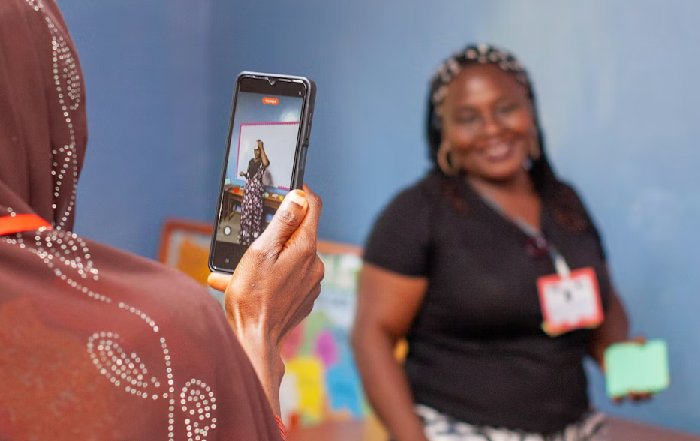
Lessons in Resilience From Women Worldwide
A New Era of Women's Resilience
The conversation about resilience is no longer confined to crisis management or personal grit; it has evolved into a multifaceted global dialogue about how women navigate economic volatility, technological disruption, political uncertainty, and profound cultural shifts while still shaping meaningful lives and influential careers. Across continents and industries, women are building new models of strength that combine emotional intelligence, strategic thinking, and community-centered leadership, and these stories are increasingly defining what modern success looks like. For Herstage and its audience, resilience is not an abstract virtue but a daily practice that informs how women lead companies, raise families, pursue education, manage health, build wealth, and express identity through lifestyle, beauty, fashion, and culture.
As digital platforms accelerate the visibility of women's stories, the lessons emerging from cities like New York, London, Berlin, Toronto, Sydney, Paris, Milan, Barcelona, Amsterdam, Zurich, Shanghai, Stockholm, Oslo, Singapore, Copenhagen, Seoul, Tokyo, Bangkok, Helsinki, Cape Town, São Paulo, Kuala Lumpur, and Auckland reveal striking common threads: an insistence on purpose-driven work, a commitment to continuous learning, and a refusal to separate personal wellbeing from professional ambition. These cross-border narratives, shaped by different legal frameworks, social norms, and economic conditions, are converging into a global playbook for resilience that business leaders, policymakers, and emerging professionals can no longer afford to ignore.
Redefining Resilience: Beyond Endurance to Strategic Adaptation
Traditional business literature often framed resilience as the capacity to endure hardship and "bounce back" after setbacks, yet the lived experiences of women across North America, Europe, Asia, Africa, and South America illustrate a more sophisticated reality in which resilience is less about stoic survival and more about strategic adaptation, boundary-setting, and systems thinking. Organizations such as McKinsey & Company have highlighted how women leaders frequently excel at collaborative problem-solving and empathetic decision-making, qualities that are now understood to be critical to resilient organizations. Learn more about how inclusive leadership strengthens companies at McKinsey's insights on diversity and performance.
For readers of Herstage, this shift has practical implications across domains such as leadership, career, and business, because resilience increasingly requires the ability to anticipate structural change rather than merely reacting to it. Women entrepreneurs in Germany and Canada, for instance, are integrating scenario planning into their business strategies, using resources from institutions like the World Economic Forum to understand global risks and emerging markets while also designing flexible work structures that can withstand supply chain disruptions and regulatory changes. Explore how global trends shape risk and opportunity at the World Economic Forum.
Economic Shocks and Entrepreneurial Grit
From the lingering effects of the pandemic to inflationary pressures and shifting trade dynamics, economic shocks over the past decade have forced women entrepreneurs and professionals to rethink how they build and protect their livelihoods. Yet in many cases, these disruptions have catalyzed innovation rather than defeat. In the United States and United Kingdom, women-led startups have accelerated in sectors such as fintech, healthtech, sustainable fashion, and digital education, often emerging from side projects or passion initiatives that became viable businesses when traditional employment paths grew unstable.
Research summarized by the International Labour Organization underscores that women-owned businesses remain disproportionately vulnerable to credit constraints and market volatility, which makes their success stories even more instructive in understanding resilience. Learn more about global gender gaps in labor and entrepreneurship at the International Labour Organization. Across Europe and Asia, many women founders have responded by diversifying revenue streams, cultivating global client bases through digital platforms, and collaborating in cross-border networks that provide mutual mentorship, peer learning, and shared market intelligence.
For the Herstage audience, these examples resonate strongly with themes of self-reliance, creativity, and strategic risk-taking that are central to women's advancement. In Italy and Spain, women in the food and hospitality industries have pivoted to direct-to-consumer models, subscription services, and experiential dining concepts that prioritize local sourcing and sustainable practices, aligning commercial resilience with environmental responsibility. Readers interested in how sustainability and business resilience intersect can deepen their understanding through resources from the United Nations Global Compact, which offers guidance on responsible corporate strategies worldwide. Learn more about sustainable business practices at the UN Global Compact.
The Power of Education and Lifelong Learning
Resilience in 2026 is inseparable from education, not only in the formal sense of degrees and credentials but also in the broader practice of lifelong learning that enables women to pivot across careers, industries, and geographies. In countries such as South Korea, Singapore, and Denmark, women are leveraging government-supported upskilling programs and digital learning platforms to transition from traditional roles into high-growth fields like artificial intelligence, cybersecurity, green energy, and advanced manufacturing, thereby reducing vulnerability to automation and economic downturns.
Global organizations such as UNESCO have repeatedly emphasized that women's access to quality education is one of the most powerful levers for social and economic resilience, particularly in regions where gender disparities in schooling and training remain significant. Readers can explore these global education trends and policies at UNESCO's education portal. On Herstage, the intersection of learning, personal development, and professional advancement is reflected in content that inspires women to see education not as a one-time phase but as a continuous journey, with resources that align with this philosophy available in the platform's education and self-improvement sections.
In North America and Europe, women mid-career professionals are increasingly pursuing micro-credentials, executive programs, and specialized online courses to maintain relevance in rapidly evolving sectors, often while balancing caregiving responsibilities and leadership roles. Institutions such as MIT and Stanford University have expanded their open learning initiatives, making high-quality technical and business education more accessible to women worldwide who might not have the time or resources for traditional on-campus programs. Those interested in advanced digital and innovation skills can explore offerings at MIT Open Learning and similar initiatives that democratize cutting-edge knowledge.
Health, Mental Wellbeing, and the Invisible Architecture of Strength
While public narratives about resilience often celebrate visible achievements, the less visible foundations of women's strength lie in how they protect and prioritize physical and mental health in the face of relentless demands. Across continents, women are speaking more openly about burnout, anxiety, hormonal health, reproductive rights, and the mental load of unpaid care work, reframing self-care not as indulgence but as a non-negotiable pillar of sustainable success. This conversation is especially relevant to Herstage readers who seek integrated perspectives on health, lifestyle, and mindfulness.
In countries like Sweden, Norway, and Finland, policy frameworks that support parental leave, flexible work arrangements, and mental health services have created environments in which women can pursue ambitious careers without sacrificing wellbeing to the same extent seen in less supportive systems, offering instructive models for resilience-oriented policy. The World Health Organization has highlighted the gendered dimensions of mental health, including higher reported rates of depression and anxiety among women, particularly in contexts of economic stress and social instability. Learn more about global mental health trends at the World Health Organization.
At the individual level, women across South Africa, Brazil, and Malaysia are turning to community-based wellness practices, from neighborhood fitness collectives and nutrition education groups to mindfulness circles and digital therapy platforms, blending traditional knowledge with modern health science. Resources from institutions such as Mayo Clinic have helped demystify conditions that disproportionately affect women, including autoimmune disorders and cardiovascular disease, reinforcing the importance of proactive health literacy as a core resilience strategy. Readers can access evidence-based health information at Mayo Clinic.
Cultural Identity, Fashion, and the Politics of Visibility
Resilience also manifests in how women express identity through fashion, beauty, and cultural aesthetics, particularly in societies where norms around femininity and professionalism are contested or constrained. In 2026, women from France to Japan, from Nigeria to Mexico, are increasingly using clothing, beauty rituals, and public presentation as deliberate tools to negotiate power, claim space, and challenge stereotypes. For an audience attuned to fashion, beauty, and glamour, these trends are not merely stylistic but deeply political.
Global fashion houses and emerging designers alike have begun to recognize the importance of cultural authenticity and representation, with women designers from regions such as Africa, South America, and Southeast Asia gaining international attention for work that fuses heritage textiles and modern silhouettes. Publications like Vogue Business have documented how diverse leadership within fashion companies contributes to more inclusive brand narratives and more resilient customer relationships, particularly among younger consumers who demand authenticity and social responsibility. Explore industry analysis on the future of fashion at Vogue Business.
Beauty standards are also undergoing significant transformation, with women across the United States, United Kingdom, and Australia increasingly rejecting narrow ideals in favor of holistic, health-focused, and inclusive definitions of attractiveness. Scientific organizations such as the American Academy of Dermatology provide evidence-based guidance on skincare and cosmetic safety, helping women navigate a saturated market with more confidence and discernment. Learn more about skin health and safe beauty practices at the American Academy of Dermatology. On Herstage, coverage of beauty and glamour is deliberately framed through a lens of empowerment, encouraging readers to approach aesthetics as a personal choice that can reinforce, rather than undermine, their resilience and self-worth.
Leadership, Influence, and the Ethics of Power
Resilience at the highest levels of business and public life increasingly depends on how women leaders wield power, manage visibility, and uphold ethical standards in environments that still too often scrutinize them more harshly than their male counterparts. Across boardrooms in Switzerland, the Netherlands, and Singapore, as well as in political institutions from Brussels to Seoul, women leaders are demonstrating that resilience involves not only personal stamina but also the capacity to build robust governance structures, champion transparency, and cultivate psychologically safe workplaces.
Organizations such as Catalyst have documented how companies with higher representation of women in leadership tend to exhibit stronger performance in areas such as innovation, employee engagement, and risk management, all of which are hallmarks of institutional resilience. Readers interested in the connection between gender diversity and corporate outcomes can explore research at Catalyst's knowledge center. On Herstage, leadership features highlight how women executives and founders from around the world are navigating challenges such as stakeholder activism, geopolitical uncertainty, and digital transformation while maintaining values-based decision-making.
The ethical dimension of resilience is also evident in how women leaders address issues such as pay equity, harassment, environmental impact, and community engagement. Global frameworks like the OECD Guidelines for Multinational Enterprises provide reference points for responsible conduct, yet it is often women in senior roles who push these guidelines from theory into practice, insisting that long-term resilience requires fairness, accountability, and respect for human rights. Learn more about responsible business conduct at the OECD. Through its world and business coverage, Herstage amplifies these examples, offering readers concrete models of how principled leadership can withstand reputational, regulatory, and operational shocks.
Mindfulness, Purpose, and Inner Frameworks for Change
Beyond external achievements and structural reforms, some of the most powerful lessons in resilience from women worldwide center on inner frameworks: how they cultivate meaning, manage fear, and align daily actions with long-term purpose. The rise of mindfulness, contemplative practices, and purpose-driven coaching among professional women in cities such as New York, London, Berlin, Toronto, and Sydney signals a recognition that cognitive and emotional habits shape the capacity to respond to uncertainty.
Research from institutions like Harvard Medical School has explored how mindfulness and stress-reduction practices can improve emotional regulation, decision-making, and overall wellbeing, all of which contribute to sustained resilience in high-pressure environments. Readers can explore these findings through resources at Harvard Health Publishing. In Asia, particularly in Japan, Thailand, and India, long-standing spiritual and philosophical traditions are being reinterpreted for modern professional life, with women integrating meditation, yoga, and reflective journaling into daily routines that support clarity and adaptability.
On Herstage, the mindfulness and guide sections serve as practical companions for readers who wish to translate these insights into their own lives, offering frameworks for setting boundaries, designing intentional routines, and aligning career decisions with deeper values. This inner work is not a retreat from ambition but a strategic investment in the psychological resources required to lead, innovate, and care for others over the long term, particularly in volatile and complex environments.
Community, Networks, and Collective Resilience
Although resilience is often portrayed as an individual trait, the experiences of women worldwide underscore the importance of community-based and network-driven strength. In South Africa, Brazil, and India, women's cooperatives and grassroots organizations have demonstrated how shared resources, collective bargaining, and mutual support can buffer communities against economic downturns, climate shocks, and political instability. Similarly, professional networks in North America, Europe, and Asia are helping women navigate career transitions, negotiate compensation, and access investment capital that might otherwise remain out of reach.
Digital platforms have expanded these possibilities, allowing women from Canada to Kenya, from France to Malaysia, to exchange knowledge, mentorship, and emotional support across borders and time zones. Organizations such as Lean In, founded by Sheryl Sandberg, have popularized peer circles as a model for collective growth, while many local and regional groups have adapted this concept to their own cultural contexts and industries. Readers can learn more about building supportive professional circles at Lean In.
For Herstage, which serves a global audience with interests spanning career, lifestyle, education, and wellbeing, the emphasis on community is central. The platform's content encourages readers not only to absorb stories of resilience but also to share their own, recognizing that each narrative contributes to a broader ecosystem of knowledge and encouragement. As women in New Zealand, the United States, the United Kingdom, Germany, and beyond confront shared challenges-from climate anxiety to technological disruption-the ability to connect, collaborate, and advocate collectively becomes one of the most potent forms of resilience.
Jumping Ahead: Herstage as a Living Archive of Women's Resilience
It is more clear that resilience is not a static trait or a temporary response to crisis but an evolving practice shaped by shifting economic landscapes, technological advancements, cultural movements, and personal choices. Women worldwide are redefining what it means to be strong, successful, and fulfilled, moving away from narratives of solitary struggle toward models that emphasize education, health, ethical leadership, cultural expression, and community. Their experiences form a living archive of strategies and insights that can guide not only other women but also organizations, policymakers, and societies seeking to thrive amid uncertainty.
Herstage positions itself within this global conversation as more than a media outlet; it functions as a curated space where the lessons of resilience are documented, analyzed, and shared in ways that honor both the diversity and the commonality of women's journeys. Through its coverage of lifestyle, women's stories, business and leadership, health, beauty, fashion, and mindfulness, the platform offers readers a multidimensional view of what it takes to build a life and career that can withstand and transform adversity.
As the world confronts new challenges-from climate-related disruptions and geopolitical tensions to rapid advances in artificial intelligence and shifting labor markets-the insights drawn from women's resilience will only grow more valuable. For readers, the invitation is to engage with these stories not as distant inspiration but as practical guidance, to adapt their lessons to local realities in the United States, Europe, Asia, Africa, South America, and beyond, and to contribute their own experiences to an ever-expanding global narrative. In doing so, they help ensure that resilience is not merely a response to hardship but a proactive, intentional way of shaping a more equitable, sustainable, and humane future.
For ongoing perspectives, profiles, and practical tools grounded in experience, expertise, authoritativeness, and trustworthiness, readers can continue to explore the evolving landscape of women's resilience at Herstage, where the stories of today's women are actively informing the possibilities of tomorrow.
