Lessons Women Learn From Global Cultures in 2026
A Global Classroom for Women, On HerStage and Beyond
By 2026, women's lives, careers and identities are being shaped by a level of global interconnectedness that would have been difficult to imagine a generation ago, as digital platforms, remote work, international education and cross-border collaboration have created a continuous exchange of ideas between continents, industries and generations, turning the world into a kind of shared classroom where culture, technology and lived experience constantly inform one another. For the audience of HerStage, whose interests span leadership, lifestyle, self-improvement, business, health, fashion, food and career advancement, this global lens has become indispensable for understanding how women can navigate opportunity, risk and purpose in an era marked by rapid technological change, geopolitical uncertainty and evolving social norms. Women from the United States, the United Kingdom, Germany, Canada, Australia, France, Italy, Spain, the Netherlands, Switzerland, China, Sweden, Norway, Singapore, Denmark, South Korea, Japan, Thailand, Finland, South Africa, Brazil, Malaysia, New Zealand and across Europe, Asia, Africa and the Americas are sharing stories and strategies that collectively redefine what it means to lead, to thrive and to build a life that feels both ambitious and authentic.
Within this context, HerStage has positioned itself as a trusted and authoritative space where global perspectives are translated into practical insight, allowing readers to see their own journeys reflected in a wider tapestry of women's experiences. The dedicated women section of HerStage continues to highlight narratives that cross borders, while other verticals delve into how culture influences everything from career decisions to health choices and personal style. As women absorb lessons from global cultures in 2026, they are not simply adopting trends; they are selectively integrating practices, mindsets and frameworks that align with their values, thereby building a more intentional and resilient approach to work, wellbeing and identity.
Leadership Reimagined Through Cultural Diversity
One of the clearest areas where global cross-pollination is reshaping women's trajectories is leadership, which is increasingly understood not as a single archetype but as a spectrum of styles informed by history, social structures and regional expectations. In North America and much of Western Europe, leadership narratives have traditionally emphasized individualism, assertiveness and personal visibility, a model reinforced by institutions such as Harvard Business School, whose resources on inclusive and adaptive leadership have helped many women navigate competitive corporate environments. In contrast, leadership norms in East and Southeast Asia, including Japan, South Korea, China, Singapore and Thailand, often place greater emphasis on collective responsibility, humility, long-term relationship-building and implicit communication, an approach examined in depth by research platforms such as INSEAD Knowledge.
Women who operate across these cultural contexts-whether through multinational roles, cross-border teams or remote collaboration-are discovering that the most effective leadership today involves a thoughtful blending of these approaches, combining strategic visibility and decisiveness with empathy, listening and cultural sensitivity. On HerStage, the leadership channel regularly features executives, founders and public-sector leaders who describe how they adapt their style when working with teams in Berlin, Toronto or Singapore, and how they consciously calibrate directness, consensus-building and emotional transparency to build trust in diverse environments. European companies with global footprints, particularly those rooted in Nordic traditions of consensus and work-life balance, offer a vivid example of this hybrid model, as they reconcile egalitarian ideals with the high-growth, always-on expectations prevalent in North American and Asian markets.
International organizations such as UN Women have amplified the visibility of women leaders in Africa, Latin America and across Asia, documenting how they bring community-centered perspectives and intersectional awareness to politics, civil society and business, and making these insights accessible through their global leadership and participation initiatives. For women building careers in 2026, the lesson is increasingly clear: cultural literacy in leadership is not a peripheral skill but a core strategic asset that enhances influence, enables more ethical decision-making and strengthens long-term credibility in global arenas.
Work, Career and the Changing Social Contract
Across regions, women are also learning that the relationship between work, family, autonomy and security is deeply shaped by national policy frameworks and cultural expectations, and that sustainable career planning requires an honest assessment of these structures rather than reliance on a single imported model of success. In the Nordic countries-Sweden, Norway, Denmark and Finland-generous parental leave, subsidized childcare and robust social safety nets have created environments where women can pursue demanding careers while maintaining a realistic sense of balance, a reality captured in comparative analyses by the OECD, which offers detailed data on family, work and social policies. In the United States and the United Kingdom, by contrast, more market-driven systems place a greater premium on individual negotiation, employer-specific benefits and personal branding, which in turn pushes women to develop sharper self-advocacy skills and more explicit career strategies.
In emerging and fast-growing economies, including South Africa, Brazil, Malaysia and several countries in sub-Saharan Africa and Southeast Asia, many women navigate informal labor markets, entrepreneurship born of necessity and limited institutional support, yet they frequently demonstrate extraordinary resilience and creativity in building livelihoods that integrate family responsibilities and community obligations. The World Bank continues to document these patterns through its work on women's economic empowerment and financial inclusion, highlighting how women use digital tools, mobile banking and local networks to create opportunity in challenging conditions. For readers of HerStage, particularly those contemplating international moves, portfolio careers or remote-first roles, these contrasting realities underscore the need to design careers that account for structural constraints, cultural expectations and personal values in equal measure.
Within the HerStage career section, profiles of women who have worked in Germany, Switzerland or the Netherlands often underscore the transformative impact of cultures that normalize strict boundaries around working hours and vacation, demonstrating that high performance can coexist with predictable downtime and deep rest. Others who have spent time in Singapore, Seoul or major Chinese cities share how they navigated high-intensity work cultures, leveraging local practices of discipline and continuous improvement while also integrating mindfulness techniques to guard against burnout. Studies from organizations such as McKinsey & Company, which publishes insights on women in the workplace and global talent trends, reinforce the notion that women who understand these cross-cultural dynamics are better equipped to negotiate roles, advocate for flexibility and make strategic choices about when to lean in and when to recalibrate.
Health, Wellbeing and the Power of Cultural Wisdom
Health and wellbeing remain domains where cultural traditions are particularly rich, and in 2026 women are increasingly drawing from multiple heritages to construct personalized, evidence-informed approaches to physical and mental health. Mediterranean countries such as Italy, Spain and France continue to exemplify patterns of eating and living that emphasize fresh, minimally processed foods, shared meals, moderate wine consumption and daily movement, an approach whose benefits are regularly highlighted by institutions such as the Harvard T.H. Chan School of Public Health, which provides extensive guidance on the Mediterranean diet and lifestyle. Women who adopt elements of this pattern in North America, Asia or other parts of Europe often report a shift from restrictive, appearance-driven health goals to a more holistic, pleasure-inclusive understanding of wellbeing.
In East Asia, traditional Chinese medicine, Japanese forest bathing, Korean skincare philosophies and other long-standing practices reflect a belief in prevention, balance and the interconnectedness of mind, body and environment. The National Center for Complementary and Integrative Health offers evidence-based overviews of traditional and integrative health practices, enabling women to evaluate which modalities might complement conventional medicine in supporting long-term health. Meanwhile, in many African, Indigenous and rural communities worldwide, women continue to safeguard knowledge of herbal remedies, community-based caregiving and rites of passage that support emotional resilience and social cohesion, even as they advocate for better access to formal healthcare systems.
For the HerStage audience, the health channel has evolved into a space where global medical research and cultural wisdom intersect, providing guidance on topics ranging from reproductive health and menopause to mental health and chronic disease management. The ongoing work of the World Health Organization, which maintains resources on women's health, gender equity and global health policy, has reinforced the importance of reliable information in an era of misinformation and fragmented care systems. Women who engage with these global perspectives are increasingly crafting health strategies that honor their cultural backgrounds, respect scientific evidence and center their own agency, thereby strengthening both their physical resilience and their trust in their own judgment.
Education, Lifelong Learning and Digital Equity
Education has long been recognized as a cornerstone of women's empowerment, but by 2026 the conversation has shifted from basic access to questions of quality, relevance, digital equity and cultural responsiveness. Countries such as Canada, Australia, Germany and the Netherlands, with relatively strong public education systems and expanding higher-education participation, continue to provide pathways for women into leadership roles in science, technology, business and public service, trends that are tracked and analyzed by UNESCO through its global education and gender equality data. At the same time, women and girls in parts of Africa, South Asia and the Middle East still confront significant barriers related to safety, social norms and economic hardship, yet they are increasingly turning to digital platforms, community learning hubs and international partnerships to pursue knowledge.
Massive open online course providers, including Coursera and edX, along with professional learning platforms such as LinkedIn Learning, have played a significant role in democratizing access to skills development, enabling women in South Africa, Brazil, Malaysia, India and beyond to participate in global knowledge networks without relocating or incurring prohibitive costs. This evolution echoes the ethos of the HerStage education section, which emphasizes that in a volatile global economy, continuous learning is not optional but foundational to career resilience and personal growth. Reports from the World Economic Forum on the future of jobs and emerging skills further reinforce that women who proactively update their capabilities in areas such as digital literacy, data analysis, sustainability and cross-cultural communication are better positioned to seize new opportunities and navigate disruption.
Equally important, women are learning from cultures that have long valued informal and intergenerational learning-such as apprenticeship traditions in European craft sectors, community-based knowledge sharing in Indigenous societies and mentorship networks in diaspora communities. As hybrid and remote work models become more entrenched in North America, Europe and parts of Asia, women are strategically combining formal credentials with on-the-job learning, peer communities and cross-border mentorship, building skills portfolios that are both deep and adaptable. The result is a more nuanced understanding of education as an ongoing, multi-channel process, one in which lived experience and cultural knowledge hold value alongside degrees and certificates.
Fashion, Beauty and the Politics of Representation
Fashion and beauty remain powerful arenas where women negotiate visibility, identity and power, and global cultural exchange has made these negotiations more complex and more liberating at the same time. In established fashion capitals like New York, London, Paris and Milan, as well as in emerging hubs such as Seoul, Tokyo and Copenhagen, designers and consumers are pushing back against narrow beauty standards and limited size ranges, drawing inspiration from a much broader range of cultures, body types and life stages. Analytical platforms such as The Business of Fashion offer in-depth coverage of global fashion, diversity and sustainability trends, helping industry leaders and consumers alike understand how aesthetics intersect with ethics and economics.
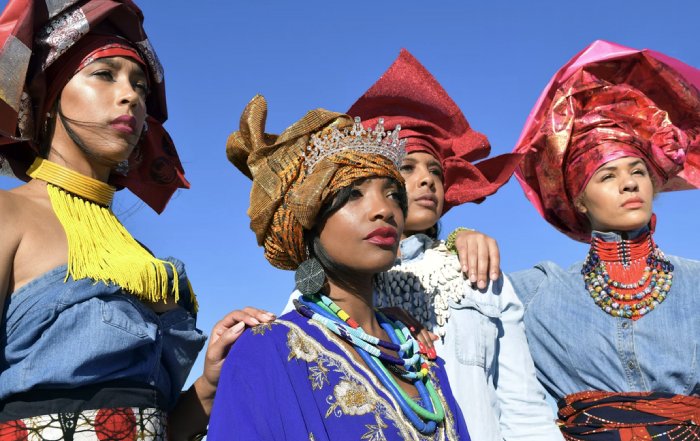
Women are learning from cultures that celebrate aging as a marker of wisdom, that embrace natural hair and protective styles, or that see bright colors, jewelry and adornment as expressions of community and spirituality rather than vanity. African and South American textiles, Indigenous patterns and South Asian craftsmanship have gained greater visibility on international runways and in mainstream retail, prompting many women worldwide to reconsider what it means to dress in ways that honor heritage while remaining contemporary and professional. At the same time, debates around modest fashion, religious dress and workplace norms reveal that clothing remains a contested space, particularly in regions where legal or social pressure dictates what women can wear in public or at work.
For readers of HerStage, the fashion, beauty and glamour sections offer a curated lens on how to integrate global influences in ways that are aligned with both professional aspirations and personal convictions. Discussions of multi-step skincare inspired by South Korea, minimalist silhouettes from Scandinavia or bold Ankara prints from West Africa are increasingly framed in relation to sustainability, labor rights and supply-chain transparency. Organizations such as the Ellen MacArthur Foundation are at the forefront of promoting circular fashion and sustainable textiles, and their work is prompting more women to ask where and how their garments are made, and what story their wardrobe choices tell about their values. In this evolving landscape, fashion and beauty become tools not only of self-expression but of conscious citizenship.
Food, Culture and the Economics of Care
Food continues to be a domain where women's roles, creativity and economic agency intersect with culture, health and environmental sustainability. Across Europe, Asia, Africa, North America and South America, women have historically shouldered the bulk of unpaid food-related labor-from planning and cooking to preserving culinary traditions-while professional recognition and high-profile culinary careers often skewed male. In 2026, a growing number of women chefs, restaurateurs, food writers and social entrepreneurs are challenging this imbalance, using food as both a business and a platform for storytelling, advocacy and community building. Organizations like Slow Food International champion sustainable, local and culturally rooted food systems, frequently highlighting the central role women play in preserving biodiversity, seed heritage and traditional recipes.
Global migration has transformed the food landscapes of cities such as London, Berlin, Toronto, Sydney, Singapore and New York, enabling women to build enterprises around regional specialties, fusion cuisines and artisanal products that reflect their hybrid identities and cross-cultural experiences. The HerStage food section often showcases these stories, illustrating how women use food ventures to assert economic independence, reconnect with ancestral roots and create inclusive spaces where different communities can meet around a shared table. At the same time, women are paying closer attention to public-health research on nutrition, obesity and chronic disease, much of it synthesized by institutions like the National Institutes of Health, which provides extensive information on diet, lifestyle and long-term health.
This dual awareness-of food as both cultural anchor and health determinant-is prompting many women to adapt traditional dishes to contemporary nutritional needs, reduce waste, experiment with plant-forward cooking and explore sustainable sourcing. Broader conversations about climate change and resource use, informed by organizations such as the Food and Agriculture Organization of the United Nations, which offers data on global food systems and sustainability, are reinforcing the understanding that daily food choices sit at the intersection of care, commerce and planetary wellbeing. Women who internalize these lessons are better equipped to make decisions that support their families' health, honor cultural heritage and contribute to more resilient local economies.
Mindfulness, Identity and Inner Authority
As professional and personal lives become more globally entangled, many women are turning toward mindfulness and inner work to navigate the complexity of multiple roles, intersecting identities and constant change. Practices such as meditation, yoga, breathwork, journaling and contemplative prayer draw from diverse religious and philosophical traditions, including Buddhism, Hinduism, Indigenous worldviews and Western contemplative practices, yet they are increasingly being studied and adapted through a scientific lens. Institutions like UC Berkeley's Greater Good Science Center provide research-based insights into mindfulness, compassion and psychological wellbeing, enabling women to distinguish between superficial wellness trends and practices with measurable benefits.
Women working in high-pressure sectors-from finance and law in London, New York and Frankfurt to technology and manufacturing in Singapore, Seoul, Shenzhen and Bangalore-are adopting mindfulness not only as a stress-management tool but as a foundation for clearer decision-making, ethical leadership and creative thinking. On HerStage, the mindfulness section explores how global contemplative traditions can be integrated into daily routines in ways that respect their origins while making them accessible to contemporary professionals. This reflects a broader shift from viewing mental health as a private struggle to recognizing it as a shared responsibility shaped by workplace culture, economic insecurity, discrimination and social support structures.
Global conversations about identity and intersectionality, informed in part by the work of organizations such as Amnesty International, which documents women's rights and gender-based discrimination worldwide, are also influencing how women understand themselves and their place in the world. Women who straddle multiple cultures, races, languages or nationalities increasingly see their complexity not as a liability but as a source of insight, provided they cultivate inner authority through reflection, education and community. This inner authority becomes essential for making aligned choices in careers, relationships, activism and self-care, especially in environments where external expectations can be contradictory or overwhelming.
Business, Impact and the Strength of Global Networks
In business, women are discovering that global networks and cross-cultural alliances are no longer optional; they are central to accessing capital, scaling ventures and influencing the rules of the game. From technology startups in the United States and Canada to social enterprises in Kenya, India and Brazil, women entrepreneurs are forming transnational communities through accelerators, digital platforms and professional associations. Organizations such as WEConnect International specialize in linking women-owned businesses to corporate and government buyers, offering programs that expand access to global supply chains and procurement opportunities, thereby translating networking into tangible revenue and growth.
For readers interested in entrepreneurship or corporate leadership, the HerStage business section provides insight into how women leverage these networks not only to grow their companies but to advocate for more inclusive and sustainable business ecosystems. Many are aligning their strategies with frameworks such as the United Nations Global Compact, which encourages companies to embed principles related to human rights, labor standards, environmental responsibility and anti-corruption into their operations, as outlined on its business sustainability platform. Women leaders who engage with such frameworks often find that they provide both a moral compass and a practical structure for integrating social impact into financial strategy, strengthening trust with employees, investors and customers across borders.
Global cultures also offer varied templates for what business success looks like. In parts of Europe and Asia, multigenerational family firms emphasize stewardship, continuity and long-term community relationships, while in Silicon Valley and other venture-driven ecosystems, rapid scaling and exit events are more dominant narratives. Women who observe and participate in these different models learn to define success on their own terms, balancing profitability with wellbeing, social contribution and legacy. This process of self-definition, illuminated across HerStage's guide and self-improvement content, underscores the importance of platforms that situate individual stories within broader economic and cultural shifts, helping women make more informed, values-aligned choices.
Living Globally, Acting Locally: The HerStage View
As women in 2026 absorb lessons from global cultures, a recurring theme emerges: the productive tension between global awareness and local rootedness. Exposure to different norms, policies and practices expands their sense of what is possible, whether that means advocating for parental leave modeled on Nordic policies, adopting wellness practices inspired by East Asia, drawing on African or Latin American community values in social entrepreneurship, or integrating European approaches to work-life boundaries into North American corporate settings. Yet meaningful, sustainable change must always be grounded in local legal frameworks, economic realities and cultural histories, which means that global insights are most powerful when they are adapted thoughtfully rather than copied wholesale.
For HerStage, whose readership spans continents and interests from lifestyle to leadership, this dual perspective is central to its editorial mission. The lifestyle section illustrates how global trends in travel, design, wellbeing and digital life can be integrated into everyday routines in ways that respect both personal circumstances and cultural context, while the broader HerStage homepage serves as a hub where stories from different regions and domains intersect. Across all sections-from business and career to health, fashion and mindfulness-the underlying message is consistent: women are not passive recipients of globalization but active interpreters, curators and creators, capable of transforming global wisdom into locally meaningful action.
Ultimately, the most profound lesson women are learning from global cultures is that their experiences, while deeply individual, form part of a shared narrative that stretches across borders and generations. The challenges they face in workplaces, health systems, educational institutions, family structures and public life are shaped by distinct national conditions, yet they resonate powerfully with women in other regions who are confronting parallel issues under different names. By observing how others respond, by exchanging strategies in digital and physical spaces, and by building cross-cultural alliances grounded in mutual respect, women are gaining not only new tools but a deeper sense of solidarity and possibility. In that sense, the world has become a collective stage on which women are no longer constrained to inherited scripts; instead, they are writing new ones-rooted in their own authority, informed by global perspectives and shared with one another through platforms like HerStage, where their stories and strategies continue to evolve in real time.
