
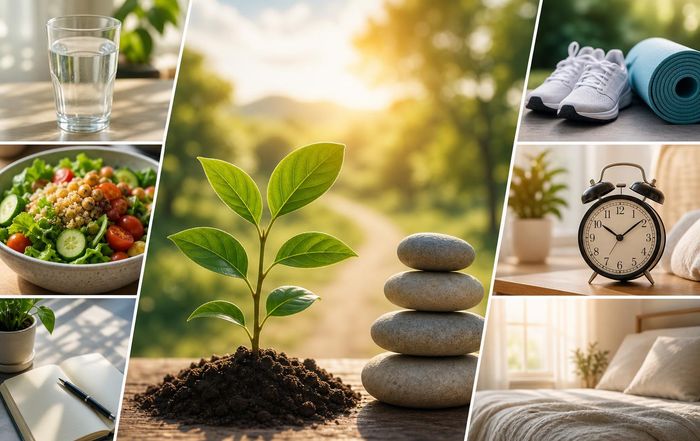
Small Lifestyle Changes With Lasting Benefits: A Strategic Blueprint for Women in 2026
In 2026, the conversation about lifestyle has moved far beyond fleeting wellness trends and aspirational social media images. For women leading businesses, building careers, managing families, or navigating complex transitions in life, lifestyle is increasingly understood as a strategic asset that underpins performance, resilience, and long-term fulfillment. On HerStage, where women's stories, ambitions, and expertise converge, small lifestyle changes are not framed as cosmetic upgrades but as deliberate, evidence-informed decisions that compound into lasting benefits across health, leadership, self-improvement, and personal influence.
This article examines how incremental adjustments in daily routines can transform outcomes for women across continents-from the United States and United Kingdom to Germany, Canada, Australia, Singapore, and beyond-by aligning lifestyle choices with the realities of modern work, digital acceleration, and global uncertainty. It explores how these small shifts intersect with leadership capability, mental and physical health, nutrition, learning, and personal brand, while reinforcing the values of experience, expertise, authoritativeness, and trustworthiness that define the editorial mission of HerStage and its focus on women's advancement.
Reframing Lifestyle as Strategic Capital for Women
For many professional women, lifestyle has historically been compartmentalized as something separate from leadership and career, treated as a private domain of self-care rather than a central component of strategic effectiveness. By 2026, however, research from organizations such as the World Health Organization and OECD has made it clear that small, sustainable lifestyle changes directly influence productivity, decision-making quality, and long-term health outcomes, especially for women managing high cognitive and emotional demands.
On HerStage, lifestyle is increasingly presented as a form of personal infrastructure: the invisible system of habits, boundaries, and micro-choices that either supports or undermines ambitious goals. Readers exploring topics on women's lives and perspectives or leadership development are not encouraged to overhaul their lives overnight; instead, they are invited to view small shifts-such as adjusting sleep routines, refining nutrition, or redefining digital boundaries-as strategic levers with compounding effects over months and years.
Global data from institutions like Harvard T.H. Chan School of Public Health and Mayo Clinic underscores that even modest improvements in physical activity, diet quality, and stress management can significantly reduce the risk of chronic diseases that disproportionately affect women, including cardiovascular conditions and autoimmune disorders. For women in leadership roles, this translates into fewer disruptions, more consistent energy, and greater capacity to navigate complex organizational and societal challenges with clarity and composure.
Micro-Habits That Elevate Leadership and Decision-Making
Leadership in 2026 is increasingly hybrid, global, and emotionally demanding, with women leading teams across time zones in North America, Europe, Asia, and Africa while contending with rapid technological change and social expectations. In this context, small lifestyle changes that sharpen cognitive performance and emotional regulation become powerful differentiators for women aspiring to or already operating in senior roles.
Research from McKinsey & Company and Deloitte has highlighted the performance advantages of diverse leadership teams, yet it also shows that women leaders often carry heavier loads in people management, mentoring, and culture-building. Micro-habits such as scheduling deliberate recovery windows between high-stakes meetings, practicing structured reflection at the end of each day, or adopting a consistent morning routine can materially improve strategic thinking and emotional resilience. Leaders who implement small, repeatable practices-such as a five-minute daily review of priorities or a short breathing exercise before negotiations-report greater clarity and lower reactivity in challenging conversations.
On the HerStage leadership section, these micro-habits are increasingly framed as part of a personal leadership operating system rather than as optional extras. For women managing teams in London, New York, Berlin, Singapore, or Johannesburg, the ability to make better decisions under pressure is not just a matter of talent; it is the result of consistently protecting sleep quality, managing digital overload, and integrating brief, restorative practices into demanding schedules. Small lifestyle changes, when anchored in evidence-based practices, become a form of leadership risk management.
Self-Improvement as a Continuous, Sustainable Practice
The global self-improvement industry has often promoted radical reinvention, encouraging women to transform their lives in sweeping, unsustainable ways. By contrast, the emerging paradigm on HerStage emphasizes continuous, small-scale adjustments grounded in realistic constraints and long-term vision. In the self-improvement hub, readers are guided to treat personal growth as a series of targeted micro-experiments rather than as a single, dramatic turning point.
Insights from behavioral science, including work popularized by Behavioral Insights Team and research featured by American Psychological Association, demonstrate that habits are more likely to stick when they are simple, context-specific, and anchored to existing routines. For women balancing careers, caregiving, and personal aspirations, this might mean starting with a ten-minute daily learning session, a single weekly networking outreach, or a short journaling practice focused on identifying one improvement opportunity each day.
The compounding effect of these micro-actions is substantial. Over a year, a modest daily commitment to learning can equate to dozens of hours of new knowledge in leadership, finance, technology, or communication. A weekly reflection practice can help women identify patterns in their behavior, refine their boundaries, and negotiate more effectively at work. By 2026, leading organizations such as LinkedIn Learning and Coursera have further normalized micro-learning, making it easier for women to integrate targeted skill building into already full lives without sacrificing health or family responsibilities.
Health Foundations: Small Adjustments with Outsized Returns
Health remains the most critical foundation for lasting success, yet many women still view health improvements as requiring drastic diets, extreme fitness regimens, or complex biohacking protocols. Evidence from National Institutes of Health and NHS continues to show that small, consistent adjustments-such as modest increases in daily movement, slightly improved sleep hygiene, and more mindful nutrition choices-can yield substantial benefits over time.
For women reading the health features on HerStage, the focus is shifting toward accessible, realistic changes rather than perfection. This can include choosing to walk or cycle for short commutes in cities like Amsterdam, Copenhagen, or Melbourne, incorporating brief stretching sessions between virtual meetings, or introducing one additional serving of vegetables or whole grains into daily meals. Evidence from World Heart Federation and European Society of Cardiology suggests that such incremental changes can significantly reduce cardiovascular risk, particularly important for women in midlife and beyond.
Sleep, often sacrificed in pursuit of productivity, is another domain where small adjustments pay dividends. Simple practices such as establishing a consistent sleep schedule, dimming screens an hour before bedtime, or creating a brief wind-down ritual can improve sleep quality and cognitive performance. In high-pressure professional environments across Tokyo, Seoul, New York, and London, women who protect sleep as a non-negotiable asset often report improved focus, emotional stability, and creativity, which in turn enhance their influence and effectiveness at work.
Food as Fuel: Incremental Nutrition Shifts for Global Women
Nutrition remains one of the most powerful yet misunderstood levers for sustained energy and mental clarity. Rather than prescribing rigid diets, the emerging consensus among experts from organizations like Academy of Nutrition and Dietetics and Harvard Health Publishing emphasizes incremental, sustainable changes that respect cultural diversity and individual preferences. For women in Italy, Spain, and France, this may mean leaning into traditional Mediterranean patterns rich in vegetables, legumes, and healthy fats; for women in Japan, South Korea, and Thailand, it may involve embracing locally rooted, minimally processed foods while moderating ultra-processed snacks and sugary drinks.
On HerStage, where readers explore topics on food and nourishment, the narrative is increasingly grounded in practicality and inclusivity. Small shifts such as adding a protein source to breakfast, replacing one sugary beverage per day with water or unsweetened tea, or planning a simple, balanced lunch in advance can stabilize energy levels and reduce mid-afternoon crashes that undermine productivity. These changes are particularly valuable for women in leadership or entrepreneurial roles who must sustain concentration across long, demanding days.
In global cities from Toronto and Vancouver to Berlin and Singapore, access to diverse ingredients makes it easier than ever to experiment with nutrient-dense meals that align with both cultural identity and health goals. Women who view food as strategic fuel rather than as a source of guilt or restriction often report improved mood, greater confidence in their bodies, and a more stable relationship with work and performance demands.
Learning, Education, and Cognitive Longevity
Continuous learning has become a defining feature of women's careers in 2026, particularly as digital transformation, artificial intelligence, and sustainability reshape industries across Europe, Asia, Africa, and South America. Small lifestyle changes in how women approach learning can dramatically influence career resilience and long-term earning potential. Instead of waiting for formal training or large blocks of free time, many women are adopting micro-learning patterns, dedicating short, regular intervals to structured education.
Resources such as edX and MIT OpenCourseWare have democratized access to high-quality education in subjects ranging from data literacy to public policy, while professional women increasingly integrate learning into commutes, breaks, or evening routines. On HerStage, the education section highlights how small changes-such as listening to a lecture podcast during a walk or reading a single article on emerging trends each day-can keep women in Zurich, Stockholm, Cape Town, or São Paulo at the forefront of their fields.
Cognitive longevity is also becoming an important theme as women live and work longer. Research from institutions like Alzheimer's Association indicates that regular mental stimulation, social engagement, and physical activity can help reduce the risk of cognitive decline. Integrating small, enjoyable learning practices into daily life serves not only career ambitions but also long-term brain health, reinforcing the idea that lifestyle choices today shape both current performance and future independence.
Beauty, Fashion, and the Subtle Power of Personal Presence
Beauty and fashion, often dismissed as superficial, play a deeper role in how women experience confidence, authority, and visibility in professional and social contexts. The key shift in 2026 is the movement away from rigid appearance standards toward intentional, values-aligned self-presentation. Small lifestyle changes in grooming, wardrobe planning, and skincare can significantly influence how women feel in high-stakes environments such as boardrooms, conferences, and media appearances.
On the beauty pages of HerStage, emphasis is increasingly placed on simplicity, skin health, and sustainable choices rather than elaborate routines. A consistent, minimal skincare regimen tailored to climate and skin type, for example, can replace an array of products and save time while supporting long-term skin resilience. Reliable sources like American Academy of Dermatology provide guidance that helps women in Sydney, Paris, Dubai, or Hong Kong make informed decisions about sun protection, hydration, and treatment of common concerns without falling prey to unsubstantiated claims.
Similarly, the fashion coverage on HerStage increasingly highlights the strategic value of a curated wardrobe built around versatile, high-quality pieces that reflect both personal identity and professional context. Small changes-such as planning outfits the night before important meetings, investing in a few well-tailored garments, or aligning colors and silhouettes with one's personal brand-can reduce decision fatigue and enhance presence in cross-cultural settings. As sustainability becomes a priority, women are also turning to guidance from organizations like Ellen MacArthur Foundation to learn more about circular fashion and responsible consumption.
Mindfulness, Mental Health, and Emotional Resilience
Across continents, women are navigating rising levels of stress, information overload, and emotional labor, particularly in sectors such as healthcare, education, technology, and public service. Small lifestyle changes that cultivate mindfulness and emotional regulation are emerging as essential tools rather than optional luxuries. Short, accessible practices-such as a three-minute breathing exercise before opening email, a brief gratitude reflection at the end of the day, or a short walk without devices-can meaningfully reduce perceived stress and improve mood.
Evidence from Mindful.org and research centers like Greater Good Science Center at UC Berkeley suggests that even minimal mindfulness practices, when repeated consistently, enhance emotional resilience, empathy, and focus. On HerStage, the mindfulness section explores how women in New York, London, Bangkok, Johannesburg, or Auckland are integrating micro-practices into their days without needing to attend lengthy retreats or adopt complex spiritual frameworks.
Mental health destigmatization has progressed, but many women still hesitate to seek formal support due to time constraints, stigma, or cost. Small steps such as scheduling a preliminary consultation with a therapist, using evidence-based digital tools, or confiding in a trusted peer can open the door to deeper support. Reputable resources like National Alliance on Mental Illness and Mental Health Foundation provide accessible information and guidance for women in North America, Europe, and beyond, aligning with HerStage's commitment to trustworthy, actionable content.
Career, Business, and the Compounding Effect of Tiny Professional Shifts
Career progression and business success are often attributed to major opportunities or bold decisions, yet in practice they are frequently built on a foundation of small, consistent professional behaviors. For women navigating corporate hierarchies, entrepreneurship, or portfolio careers in 2026, micro-changes in networking, visibility, and negotiation behavior can have transformative long-term effects.
On the career section of HerStage, readers encounter strategies that emphasize incremental progress: sending one strategic email per week to maintain or build relationships, dedicating a short block of time to updating professional profiles, or volunteering for a manageable, high-visibility project. These small actions, repeated over months, can expand networks, open doors to cross-border opportunities, and increase readiness for leadership roles in multinational organizations from Frankfurt and Zurich to Toronto and Singapore.
Entrepreneurs and business leaders engaging with the business coverage on HerStage are similarly encouraged to adopt micro-habits that strengthen their ventures: reviewing a single key metric daily, conducting a brief weekly cash-flow check, or scheduling a short customer conversation each month. Global institutions such as World Economic Forum and International Labour Organization highlight the growing economic influence of women-led enterprises across Africa, Asia, and South America, underscoring how disciplined, incremental improvements in operations, marketing, and governance can position women entrepreneurs for sustainable growth.
Lifestyle as a Holistic, Global Strategy for Women
Lifestyle in 2026 is no longer a fragmented concept; for women across North America, Europe, Asia, Africa, and Oceania, it represents an integrated strategy that touches health, leadership, learning, relationships, and personal identity. On HerStage, lifestyle is explored not as an aspirational ideal but as a practical, adaptive system of small choices that respond to changing life stages, economic conditions, and cultural contexts. Readers browsing the broader lifestyle features encounter narratives and guidance that respect the realities of women's lives, whether they are leading global teams in London, building startups in Nairobi, managing creative careers in Los Angeles, or balancing family and work in Munich or Seoul.
The power of small lifestyle changes lies in their accessibility and compounding nature. A five-minute daily reflection can evolve into stronger self-knowledge and better boundaries. A minor adjustment to sleep routines can lead to sharper thinking and more confident leadership. A single weekly networking outreach can eventually reshape a career trajectory. A modest shift in food choices can improve metabolic health and energy. Each change, on its own, may appear insignificant, but together they create a robust, adaptive foundation for women's ambitions and well-being.
As HerStage continues to expand its coverage across women's stories, guides and how-tos, and global perspectives on world events and trends, the platform reinforces a central message: meaningful transformation rarely comes from dramatic overhauls; it emerges from small, intentional, and consistently repeated actions that are aligned with personal values and informed by trustworthy knowledge. In a world defined by volatility and rapid change, these small lifestyle shifts offer women a stable, self-directed path toward lasting health, influence, and fulfillment-one deliberate choice at a time.
