
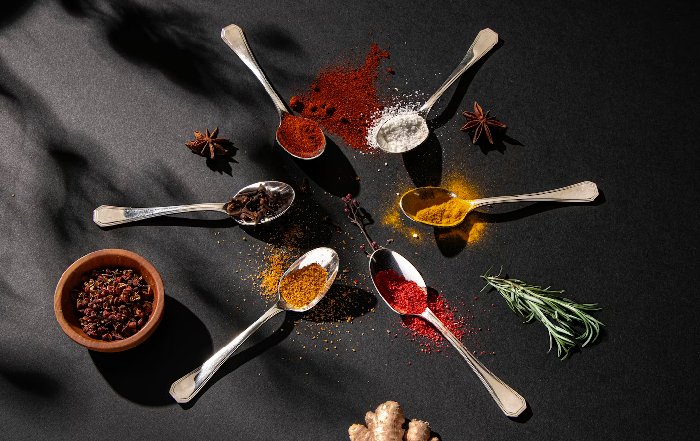
A World of Flavor: Simple International Recipes for the Modern Woman
Global Cuisine in a Fast-Paced World
Women around the world are navigating demanding careers, evolving family structures, and an increasingly interconnected global culture, and the kitchen has quietly become one of the most dynamic spaces where identity, ambition, and wellbeing intersect. On HerStage, food is not merely about sustenance or aesthetics; it is a lens through which women explore culture, creativity, health, and leadership in their own lives. As remote work, hybrid schedules, and digital collaboration reshape how people live and eat from the United States to Singapore and from Germany to Brazil, simple international recipes have emerged as a powerful way to travel the world from home, nurture relationships, and reclaim time without sacrificing quality or flavor.
The contemporary woman is no longer expected to choose between culinary enjoyment and professional ambition; instead, she is redefining what it means to eat well on her own terms. From quick weekday dinners that draw inspiration from Japanese home cooking to Mediterranean lunches that align with long-term health goals, global flavors are increasingly accessible, thanks to digital recipe platforms, online grocery services, and a growing awareness of world cuisines. Learn more about how food connects with lifestyle and identity through the features on HerStage Food, where cooking is framed as both a personal and cultural act.
The New Culinary Confidence: Expertise in Everyday Cooking
As food media and technology have evolved, women have gained unprecedented access to expert-level guidance that once lived only in professional kitchens or specialized cookbooks. Organizations such as America's Test Kitchen and BBC Good Food have invested heavily in making culinary science understandable for home cooks, demystifying techniques from French pan sauces to Korean fermenting. Readers who wish to deepen their understanding of tested techniques can explore resources from America's Test Kitchen or study classic methods through the Culinary Institute of America, whose publicly available content offers insight into professional standards and kitchen safety.
This surge in culinary education does not demand perfectionism; instead, it encourages practical expertise. Knowing how to balance acidity, fat, salt, and heat, or how to adapt a recipe for dietary needs, has become a form of everyday leadership in the home. Women who manage teams in London, negotiate contracts in Toronto, or pursue graduate studies in Berlin are increasingly applying the same strategic thinking to their kitchens, using simple international recipes as a way to experiment, build confidence, and express creativity. The editorial perspective at HerStage Business often emphasizes that competence in one domain can fuel self-assurance in another, and cooking is a prime example of how micro-skills can translate into macro-level confidence.
Health, Mindfulness, and the Global Plate
The convergence of global cuisine and wellness is one of the defining trends of the decade, and women are at the forefront of this shift. From the Mediterranean diet, endorsed by institutions such as Harvard T.H. Chan School of Public Health, to plant-forward traditions rooted in Japanese and Indian home cooking, international recipes are increasingly viewed as tools for long-term health rather than indulgent departures from routine. Those seeking research-based guidance on balanced eating can review analyses from Harvard T.H. Chan School of Public Health, which highlight the benefits of vegetables, legumes, whole grains, and healthy fats that already underpin many traditional cuisines in Europe, Asia, and Africa.
At the same time, cooking has reemerged as a form of mindfulness and emotional regulation. In an era of constant notifications and digital fatigue, the simple acts of chopping, stirring, and tasting can become grounding rituals, particularly for women juggling careers, caregiving, and personal growth. Psychological research from organizations such as the American Psychological Association increasingly recognizes the mental health benefits of creative, sensory activities, including home cooking. Readers interested in integrating culinary rituals into their wellbeing routines can explore related reflections on HerStage Mindfulness, where food is framed as both nourishment and a practice of presence.
Simple International Recipes as Everyday Strategy
The phrase "simple international recipes" no longer implies compromise or lack of authenticity; instead, it signals a thoughtful curation of techniques and ingredients that respect tradition while acknowledging the time and resource constraints of modern life. Across New York, Sydney, Paris, Seoul, and Cape Town, women are reinterpreting iconic dishes in ways that fit a 30-minute lunch break or a weeknight family dinner, while still honoring the spirit of the original cuisine.
For example, a Spanish-inspired chickpea and spinach stew can be prepared quickly with canned legumes and smoked paprika, capturing the essence of Andalusian flavors without demanding hours in the kitchen. A simplified Thai-style coconut soup can rely on store-bought curry paste and pre-cut vegetables, providing a comforting bowl that nods to the complexity of Bangkok street food while remaining realistic for a busy evening. For those who wish to understand more about the traditional roots of such dishes, platforms such as Serious Eats and The Spruce Eats offer in-depth cultural and technical context; readers can explore step-by-step guides and regional histories on Serious Eats to deepen their appreciation for the recipes they adapt at home.
On HerStage, these simplified recipes are not framed as shortcuts in a negative sense but as strategic adaptations that respect the realities of contemporary womanhood. The editorial emphasis is on empowerment: choosing which traditions to preserve fully, which to streamline, and which to blend creatively with local ingredients. This approach aligns closely with broader conversations on HerStage Lifestyle, where the focus is on designing a life that is both aspirational and achievable.
Regional Inspirations: From Home Kitchens to Global Perspectives
The rise of global recipes in everyday cooking is deeply intertwined with travel, migration, and digital storytelling, and women are central to this narrative. In North America and Europe, immigration has brought a wealth of culinary traditions into mainstream supermarkets, from Korean gochujang and Japanese miso to Ethiopian berbere and Mexican chipotle. Organizations such as UNESCO have highlighted the cultural significance of food as intangible heritage, underscoring the importance of preserving culinary knowledge while sharing it across borders; readers interested in this broader cultural context can learn more through UNESCO's work on intangible cultural heritage.
In Asia, rapid urbanization and global media have created new hybrids, where classic recipes are reimagined for modern lifestyles; a young professional in Tokyo might prepare a simplified Korean bibimbap bowl for lunch, while a designer in Bangkok experiments with Italian-inspired pasta using local seafood and herbs. In Africa and South America, chefs and home cooks are reclaiming indigenous ingredients such as sorghum, cassava, quinoa, and açaí, bringing them into contemporary kitchens through accessible recipes that resonate with global wellness trends. The Food and Agriculture Organization of the United Nations (FAO) has been instrumental in documenting the nutritional and cultural value of these ingredients, and those interested in sustainable, heritage-based cooking can explore more through FAO's food and nutrition resources.
For the HerStage audience, which spans cities from London and Amsterdam to Johannesburg, São Paulo, and Auckland, these regional shifts are not abstract trends but lived experiences. Many readers have personal or family connections to multiple cultures, and cooking becomes a way to honor those layered identities. Articles on HerStage World often highlight these intersections, illustrating how global recipes can tell stories of migration, resilience, and belonging.
Balancing Flavor, Beauty, and Presentation
In the age of social media, the visual dimension of food has taken on new significance, yet the most compelling images are often those that reflect authenticity rather than perfection. Women who share their cooking journeys on platforms like Instagram and TikTok are redefining what "food glamour" means, shifting the focus from heavily staged restaurant plates to vibrant, home-cooked dishes that are both nourishing and beautiful. The editorial approach at HerStage Glamour recognizes that aesthetics can be empowering when they serve self-expression rather than unattainable standards.
Simple international recipes lend themselves naturally to this new aesthetic. A colorful Mexican-inspired grain bowl layered with black beans, roasted vegetables, and fresh salsa offers visual contrast and nutritional density; a Mediterranean mezze-style platter with hummus, olives, and grilled vegetables is as photogenic as it is practical for entertaining. Culinary experts, including those featured in Bon Appétit and The New York Times Cooking, often emphasize that color, texture, and garnish are accessible tools for elevating everyday meals; readers can explore creative plating and flavor ideas through The New York Times Cooking to adapt them to their own kitchens.
On HerStage, beauty is never separated from wellbeing. Features on HerStage Beauty often highlight the connection between nutrition and skin health, hair strength, and overall vitality, reinforcing the idea that a vibrant plate can be as beneficial for appearance as any external treatment. International recipes rich in antioxidants, omega-3 fats, and fiber become part of a holistic approach to self-care that values inner nourishment as the foundation of outer radiance.
Cooking as Leadership and Career Capital
In many cultures, cooking has historically been framed as unpaid domestic labor, yet in 2026, women are increasingly reframing it as a space for leadership, entrepreneurship, and creative influence. The global success of chefs, restaurateurs, and food entrepreneurs such as Massimo Bottura, Dominique Crenn, and Nadiya Hussain has helped normalize the idea that culinary skill can be both a personal passion and a professional asset. Organizations like World's 50 Best Restaurants and James Beard Foundation have also begun to spotlight more women and diverse voices, though progress remains ongoing. Those interested in the evolving landscape of culinary leadership can explore profiles and awards through The World's 50 Best Restaurants.
For many women in New York, London, Berlin, Singapore, and Johannesburg, simple international recipes serve as a testing ground for ideas that may later evolve into catering businesses, pop-up events, food blogs, or digital cooking classes. Mastering a range of global dishes can become a form of professional capital, signaling cultural fluency, creativity, and the ability to manage complex projects from planning to execution. Articles on HerStage Career frequently explore how seemingly personal skills, such as cooking and hosting, can translate into networking opportunities, brand building, and leadership development.
Even for women who do not pursue food-related careers, the act of successfully executing a new recipe from another culture can reinforce a sense of capability that spills over into boardrooms, classrooms, and creative studios. The discipline of mise en place, time management, and iterative improvement mirrors the competencies valued in corporate and entrepreneurial settings. In this way, the kitchen becomes not a retreat from ambition but a training ground for it.
Education Through the Senses: Food as a Learning Platform
The educational potential of cooking is often underestimated, yet simple international recipes can serve as powerful entry points into geography, history, language, and social studies for both adults and children. In families across Canada, France, Italy, Japan, and South Africa, parents are using global dishes to teach children about the world in a concrete, sensory way, transforming dinner into an informal classroom. A Moroccan-inspired tagine can lead to conversations about North African trade routes; a Japanese miso soup can prompt curiosity about fermentation and microbiology; a Brazilian feijoada can open discussions about colonial history and cultural fusion.
Educational institutions and organizations such as Edutopia and UNICEF have highlighted the value of experiential learning, including cooking, in developing empathy and global awareness. Those interested in integrating food into learning experiences can explore pedagogical insights from Edutopia, which frequently showcases project-based approaches that connect classroom subjects with real-life activities. For adult learners, cooking from international recipes can support language learning, as they encounter original ingredient names, cooking terms, and cultural references in Spanish, French, Italian, Korean, or Thai.
On HerStage Education and HerStage Education, food is increasingly positioned as a bridge between intellectual curiosity and daily routine. Instead of viewing cooking as a separate chore, readers are encouraged to treat it as an integrated learning opportunity, especially in multicultural households or among women who aspire to live and work across borders.
Sustainability and Ethical Eating Across Borders
The global appetite for international flavors has also raised important questions about sustainability, supply chains, and ethical consumption. In 2026, women who care about climate impact, fair trade, and animal welfare are looking closely at how their culinary choices align with their values. International recipes can be adapted to prioritize seasonal produce, plant-based proteins, and local sourcing, reducing the environmental footprint while still celebrating global inspiration. Resources from organizations like the World Resources Institute and WWF offer guidance on how dietary patterns influence climate change and biodiversity; those who wish to align their cooking with environmental goals can learn more about sustainable food systems through World Resources Institute.
For example, instead of relying on imported out-of-season berries for a European-style dessert, a home cook in Melbourne or Cape Town might highlight local fruits; instead of centering every international dish on meat, she might explore legumes, tofu, or tempeh in recipes inspired by Indian dals or Indonesian stir-fries. The EAT-Lancet Commission has proposed planetary health diet frameworks that emphasize plant-forward eating while respecting cultural diversity, and their recommendations have influenced culinary innovators worldwide. Readers interested in the scientific foundations of sustainable diets can review the work of the EAT-Lancet Commission.
On HerStage Guide, sustainability is treated as a practical, step-by-step journey rather than an all-or-nothing standard. Simple international recipes are presented as adaptable templates, encouraging women to substitute ingredients based on local availability, ethical considerations, and budget, while still maintaining the spirit and flavor profile of the original cuisine.
Integrating Food into a Holistic Lifestyle
The modern woman's relationship with food cannot be separated from broader lifestyle choices, including fitness, mental health, fashion, and social connection. In the United States, United Kingdom, Netherlands, Sweden, Norway, and beyond, wellness culture has sometimes veered toward restriction and anxiety, yet there is a growing countercurrent that emphasizes joy, balance, and cultural respect. Simple international recipes fit naturally into this more nuanced approach, celebrating pleasure and diversity while supporting long-term health.
On HerStage Health, nutrition is discussed alongside sleep, movement, and stress management, recognizing that a vibrant vegetable-forward Vietnamese noodle salad or a hearty Moroccan lentil soup can be as integral to wellbeing as a workout or meditation session. Meanwhile, HerStage Women and HerStage Self-Improvement explore how cooking can support autonomy and self-respect, particularly for women who are reclaiming their relationship with food after years of diet culture or time scarcity.
Fashion and food intersect as well, especially in cities like Milan, Paris, Tokyo, and New York, where culinary spaces are often designed with the same attention to aesthetics as boutiques and galleries. Articles on HerStage Fashion occasionally highlight how dining spaces, chef uniforms, and even aprons reflect broader style trends, reinforcing the idea that the kitchen is a legitimate stage for personal expression.
The HerStage Perspective: Food as a Stage for Women's Lives
For HerStage, "A World of Flavor" is more than a culinary theme; it is a metaphor for the multiplicity of roles, identities, and ambitions that women embody across Global, Europe, Asia, Africa, North America, and South America. Simple international recipes offer an accessible way to experience that multiplicity in daily life, turning each meal into a small act of exploration, care, and creativity. Whether a reader in Toronto is preparing a quick Italian-inspired pasta with seasonal vegetables after a long day at the office, or a reader in Bangkok is experimenting with Scandinavian-style open-faced sandwiches for a weekend brunch, the underlying message is the same: the kitchen can be a space of power, not pressure.
By curating stories, guides, and reflections that connect food to leadership, career growth, mindfulness, beauty, and global awareness, HerStage positions cuisine as a central thread in the tapestry of modern womanhood. The platform's commitment to Experience, Expertise, Authoritativeness, and Trustworthiness ensures that every recipe, interview, and analysis is grounded in both cultural respect and practical insight, giving readers the confidence to experiment, adapt, and make each dish their own.
As the world continues to change-politically, technologically, and environmentally-the act of cooking simple international recipes may seem modest, yet it remains one of the most tangible ways for women to shape their lives with intention. In a single bowl of soup, a shared dessert, or a carefully arranged plate, there is room for memory, aspiration, and connection. On HerStage, that quiet power is recognized, celebrated, and shared, inviting every reader to step into her kitchen not just as a cook, but as the author of her own global story.
