
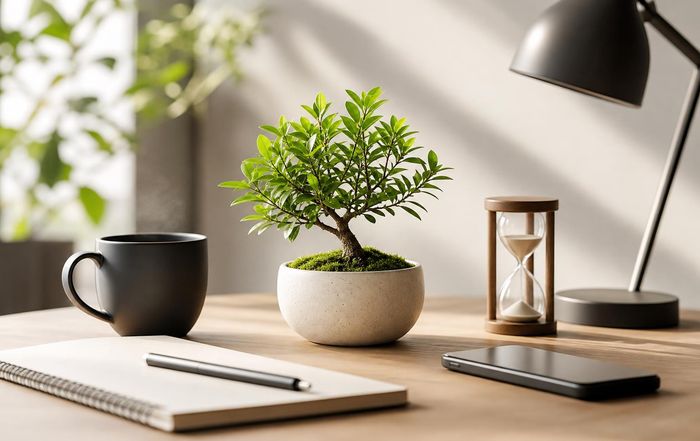
Simple Techniques to Improve Daily Focus: A Top Guide for High-Performing Women
The women who read HerStage are navigating a world that is more connected, more demanding and more distracting than ever before, while at the same time holding ambitious goals for leadership, wellbeing, creativity and impact! The capacity to focus deeply, consistently and sustainably has become a core competitive advantage, not only in the boardroom but also in health, relationships, learning and personal growth. For women leading teams in New York, building startups in Berlin, managing portfolios in London, researching in Tokyo, or balancing family and career in Johannesburg or São Paulo, focus is no longer a purely cognitive skill; it is a strategic resource that must be cultivated, protected and renewed.
This article explores simple yet evidence-informed techniques to improve daily focus, written from the perspective of how ambitious women worldwide are actually living and working right now. It draws on current research in neuroscience, psychology, nutrition and leadership, while reflecting the lived realities and aspirations of this community. It is designed to sit alongside the platform's broader daily conversations on women's stories and perspectives, leadership development, self-improvement, health and career growth, offering practical guidance that can be applied in a demanding global environment.
Why Focus Is a Huge Asset for Women
The modern knowledge economy rewards the ability to manage complexity, create original ideas and make decisions under uncertainty. Research from institutions such as Harvard Business School and INSEAD has consistently shown that deep work and sustained concentration are among the strongest predictors of high performance in leadership and innovation roles. Yet the average professional is interrupted or self-interrupts dozens of times per hour, and the proliferation of collaboration tools, social media and hybrid work arrangements has blurred the boundaries between focused work and constant responsiveness.
For women, the challenge is often compounded by the invisible labor of caregiving, emotional support and household management, as well as by the pressure to prove credibility in male-dominated sectors. Studies from organizations such as McKinsey & Company and LeanIn.Org have highlighted how women leaders frequently carry a "second shift" of mentoring, diversity work and culture-building, which, while vital, can fragment attention. In this context, the ability to design a day around intentional focus becomes not only a productivity tactic but a form of personal agency and self-protection.
Readers who follow HerStage's coverage of business and entrepreneurship and global women's leadership will recognize that focus underpins many of the qualities celebrated on the platform: strategic thinking, creative problem-solving, emotional intelligence and resilience. Strengthening focus is therefore not about squeezing more tasks into the day, but about aligning attention with what matters most, so that energy is invested in work, relationships and self-care that are genuinely meaningful.
Understanding the Science of Attention in a Distracted World
Before applying practical techniques, it is useful to understand how attention works. Neuroscience research from organizations such as MIT and Stanford University has clarified that the brain's attentional system is limited and energy-intensive. Humans cannot truly multitask on complex cognitive activities; instead, the brain rapidly switches between tasks, which increases errors and mental fatigue. This "switching cost" is particularly high when moving between deep work and emotionally charged or social tasks, such as responding to messages or monitoring social media.
The prefrontal cortex, responsible for planning, decision-making and impulse control, plays a central role in focus, but it is also highly sensitive to stress, sleep deprivation and emotional overload. Chronic stress, which disproportionately affects women juggling multiple roles, can impair working memory and reduce the ability to sustain attention, as outlined in research summarized by The American Psychological Association. At the same time, the brain's reward system is hijacked by digital platforms designed to deliver frequent small bursts of dopamine, making constant checking feel both urgent and satisfying in the short term, while eroding the capacity for deep concentration.
Understanding this biology helps explain why willpower alone is rarely sufficient to maintain focus, especially in demanding roles. Instead, women benefit from designing environments, routines and mindsets that work with the brain's natural rhythms rather than against them. This is where simple, well-chosen techniques become powerful, allowing focus to be strengthened in the same way that physical fitness is built through consistent training.
Designing the Day Around Natural Energy Rhythms
One of the most effective, yet often overlooked, techniques for improving daily focus is aligning demanding tasks with the brain's natural peaks in energy and alertness. Chronobiology research, including work shared by The National Institutes of Health, shows that most adults experience higher cognitive performance in the first half of the day, followed by a dip in the afternoon and a gentler recovery later. However, there is significant individual variation, with some people functioning as pronounced morning types and others as evening types.
Women who are managing global teams or cross-time-zone projects, as many HerStage readers do, often allow their calendars to be dictated by external demands rather than internal rhythms. A more intentional approach involves identifying the two or three hours in the day when focus naturally feels strongest, then reserving that time for the most complex or strategic work, whether that is financial analysis, creative writing, product design or long-term planning. Less demanding tasks, such as routine email responses or administrative work, can be scheduled during lower-energy periods.
Professionals can learn more about circadian rhythms and performance from resources such as The Sleep Foundation, then integrate this knowledge into personal scheduling. On HerStage, this approach aligns with the platform's broader interest in lifestyle design, where small structural changes in the day can lead to disproportionate gains in wellbeing and effectiveness.
Building Micro-Structures: Time Blocking and Single-Tasking
In a world of constant digital noise, simple structural techniques can dramatically improve focus. Time blocking, in which specific periods are allocated to particular types of work, helps protect attention from fragmentation. Instead of reacting to incoming messages throughout the day, a leader might block ninety minutes in the morning for deep work on a key project, followed by thirty minutes dedicated to communication and updates.
Single-tasking is a complementary technique that involves committing fully to one activity at a time, especially for cognitively demanding tasks. This means closing unnecessary browser tabs, silencing notifications and making a clear, conscious decision about what the next period of work will involve. Research summarized by The University of California, Irvine has shown that after an interruption, it can take over twenty minutes for the brain to fully regain its previous level of focus, which highlights the value of protecting concentration from preventable disruptions.
Readers interested in practical frameworks for structuring their workdays can explore further approaches through leadership resources and productivity research, while also reflecting on how these ideas intersect with their own goals in career advancement and self-improvement. For many women, the discipline of time blocking and single-tasking becomes a way to reclaim ownership of their attention in environments that constantly pull it apart.
Managing Digital Distractions with Intention and Boundaries
Digital distraction is one of the most pervasive obstacles to focus in 2026. Instant messaging platforms, collaboration tools, social media and news alerts compete for attention every few minutes, and the expectation of constant availability can be particularly acute for women who feel pressure to be responsive to colleagues, clients and family members across multiple channels. Yet the same technologies that fragment attention can be reshaped to support deeper focus when used strategically.
One practical technique is the deliberate use of "focus modes" or "do not disturb" settings on devices during defined deep work periods. Many operating systems now offer configurable focus profiles that allow only critical calls or messages to come through, while temporarily silencing everything else. When combined with clear communication to teams and stakeholders about availability windows, this can significantly reduce the cognitive load of constant checking. Guidance on digital wellbeing and attention management is increasingly available from organizations such as The Center for Humane Technology, which advocates for more ethical and sustainable technology use.
Another approach involves redesigning the digital environment to make distractions less accessible. This might include moving social media apps off the home screen, using website blockers during work hours, or setting specific, time-limited windows for news consumption. For readers who follow HerStage's coverage of mindfulness and mental clarity, these strategies resonate with the broader principle of conscious attention: choosing what to engage with, when and for how long, rather than being pulled into endless scrolling or reactive behavior.
Nourishing the Brain: Nutrition, Hydration and Focus
Cognitive performance is strongly influenced by physical factors, particularly nutrition and hydration, yet many high-achieving women underestimate the impact of what and when they eat on their ability to focus. Fluctuating blood sugar levels, dehydration and micronutrient deficiencies can all impair attention, mood and decision-making. Research compiled by organizations such as The World Health Organization and Harvard T.H. Chan School of Public Health emphasizes the role of balanced diets rich in whole grains, lean proteins, healthy fats and a diverse range of fruits and vegetables in supporting sustained mental energy.
Simple techniques in this area include starting the day with a breakfast that combines protein and fiber to stabilize blood sugar, staying consistently hydrated and avoiding excessive reliance on high-sugar snacks or energy drinks that lead to crashes. For women in demanding roles, it can be helpful to think of food not only as fuel but as a strategic asset for cognitive performance. Planning ahead with nutrient-dense snacks, or arranging meeting schedules to allow time for proper meals, becomes a form of professional self-respect.
Readers interested in exploring this dimension more deeply can consult reputable health resources or integrate insights from HerStage's coverage of food and nourishment and health and wellbeing. In many cultures and regions, from Europe to Asia and North America, women are rethinking their relationship with food, moving away from restrictive dieting and toward an approach that prioritizes energy, clarity and long-term health.
Sleep, Recovery and the Role of Restorative Breaks
Sustained focus is impossible without adequate sleep and recovery. Chronic sleep deprivation, which remains common among professional women balancing multiple responsibilities, impairs attention, memory, emotional regulation and creativity. Organizations such as The Mayo Clinic and The National Sleep Foundation recommend seven to nine hours of quality sleep for most adults, yet many leaders treat sleep as negotiable, sacrificing it for late-night work or early-morning commitments.
Improving daily focus often begins the night before. Simple techniques include establishing a consistent bedtime, reducing exposure to blue light from screens in the hour before sleep, and creating a wind-down routine that signals to the body that it is time to rest. Even modest improvements in sleep quality can lead to noticeable gains in clarity, patience and sustained attention during the day.
Within the workday itself, short, intentional breaks are essential for maintaining focus over long periods. Cognitive science research discussed by institutions such as The University of Oxford suggests that the brain benefits from alternating periods of intense concentration with brief intervals of rest or light activity. Techniques such as working in focused intervals of 25-50 minutes followed by five- to ten-minute breaks can help prevent mental fatigue. These breaks are most restorative when they involve stepping away from screens, moving the body or briefly going outside, rather than simply switching to another digital task.
For HerStage readers who value high performance but also seek sustainable success, integrating rest into the structure of the day aligns with the platform's emphasis on holistic achievement, where ambition is balanced with self-care and long-term health.
Training the Mind: Mindfulness, Breathing and Cognitive Exercises
While structural and lifestyle changes are powerful, the mind itself can be trained to focus more effectively. Mindfulness practices, which involve paying deliberate, non-judgmental attention to the present moment, have been shown in research summarized by The National Center for Complementary and Integrative Health to improve attention, emotional regulation and resilience to stress. For women operating in high-pressure environments, even a few minutes of daily mindfulness can create a noticeable shift in clarity and composure.
Simple techniques include brief breathing exercises before important meetings or deep work sessions, such as inhaling slowly for four counts, holding for four and exhaling for six to eight counts. This type of practice activates the parasympathetic nervous system, reducing physiological arousal and making it easier to concentrate. Regular meditation, even in short sessions of five to ten minutes, can gradually strengthen the brain's capacity to notice distractions without automatically following them, a skill that is directly transferable to focused work.
Readers who are exploring mental wellbeing and inner resilience can connect these practices with HerStage's resources on mindfulness and inner balance and self-improvement. In many leading companies across North America, Europe and Asia, mindfulness and mental training have moved from fringe concepts to mainstream leadership tools, with organizations such as Google and SAP integrating them into leadership development programs.
Creating Supportive Environments at Work and at Home
Focus is not solely an individual responsibility; it is also shaped by the environments in which women live and work. Physical spaces that are cluttered, noisy or constantly interrupted make sustained attention more difficult, particularly for tasks requiring complex problem-solving or creative thinking. Simple environmental adjustments, such as organizing the workspace, using noise-cancelling headphones in open offices or negotiating quiet hours with colleagues or family members, can significantly enhance the quality of concentration.
At the organizational level, leaders can foster cultures that respect focused work by setting norms around communication response times, limiting unnecessary meetings and modeling healthy boundaries. Reports from organizations like The World Economic Forum have emphasized that future-ready workplaces balance flexibility with clear expectations, enabling employees to design their work in ways that support both productivity and wellbeing. Women in leadership positions, many of whom are part of the HerStage readership, have particular influence in shaping these norms, whether in multinational corporations, startups, public institutions or creative industries.
On the home front, conversations with partners, children or roommates about shared responsibilities, quiet times and digital habits can help create an environment where focus is possible. This is especially relevant for women in remote or hybrid roles, where the boundaries between work and personal life are more fluid. Articles and guides on HerStage, including those in leadership and lifestyle, often highlight how intentional communication and boundary-setting can transform not only productivity but also relationships and mental health.
Aligning Focus with Purpose, Values and Identity
While techniques and tools are important, the deepest and most sustainable source of focus often comes from alignment with purpose and values. When women are clear about what truly matters to them-whether that is building an inclusive organization, advancing scientific knowledge, creating financial security for their families, contributing to their communities or exploring artistic expression-their attention naturally gravitates toward actions that support those priorities. Conversely, when daily tasks feel disconnected from any meaningful goal, focus is harder to sustain, and distraction becomes more tempting.
Reflective practices, such as journaling, coaching conversations or structured self-assessments, can help clarify this alignment. Women who regularly revisit their long-term goals and values can then make more intentional decisions about where to direct their attention each day. This is closely linked to the themes explored across HerStage, from education and continuous learning to career development and personal reinvention, where clarity of purpose is seen as a foundation for strategic action.
Readers who wish to explore frameworks for aligning personal and professional goals can find additional guidance on HerStage's guide section, which brings together insights on planning, decision-making and life design. When focus is anchored in identity and purpose, techniques such as time blocking, digital boundaries and mindfulness become not just productivity hacks but expressions of a deeper commitment to one's chosen path.
Integrating Focus into a Holistic Vision of Success
For the fans here spanning the wonderful globe the pursuit of focus is intertwined with broader questions about what success should look like in this decade. Many women are rejecting narrow definitions of achievement that prioritize constant availability, overwork and burnout, instead seeking a more integrated life where ambition coexists with health, relationships, creativity and joy.
This holistic vision is reflected across the many pages, from beauty and self-expression and fashion as identity to global perspectives and everyday lifestyle choices. In this context, improving daily focus is not about becoming more machine-like or squeezing every moment for output. It is about using attention wisely so that there is space for deep work, meaningful connection, restorative rest and personal growth.
Simple techniques-such as aligning work with natural energy rhythms, structuring time around deep work, managing digital distractions, nourishing the brain through food and sleep, practicing mindfulness, shaping supportive environments and grounding focus in purpose-can transform the experience of daily life. Over time, these practices build not only better performance but also greater confidence, calm and self-trust.
As women around the world continue to redefine leadership, entrepreneurship and creativity in 2026, focus emerges as both a practical skill and a quiet form of power. By choosing where to direct attention, and by protecting that attention with intention and care, the daily visitors can shape careers, businesses, communities and inner lives that reflect their highest aspirations. Those who wish to explore these themes further can continue their journey across HerStage's home, where conversations about women, leadership, self-improvement, health, career and global change come together in a shared commitment to informed, purposeful and inspired living.
