
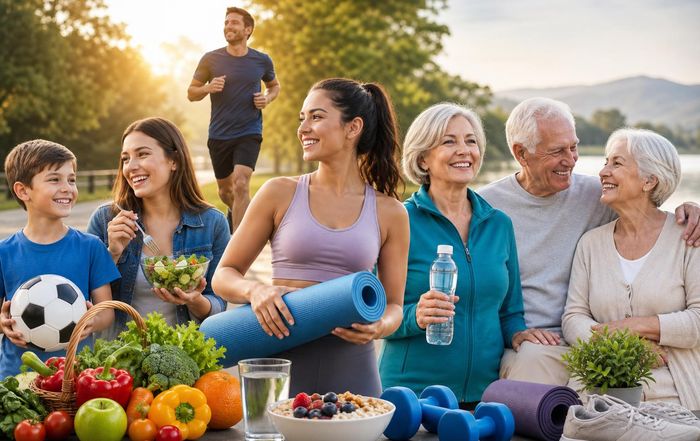
Healthy Lifestyle Habits for Every Age: A New Perspective!
Healthy Living as a Lifelong Strategy, Not a Short-Term Fix
Healthy living has become less about short-lived resolutions and more about building a sustainable, evidence-based strategy that evolves with each life stage, particularly for women who often balance leadership, caregiving, career ambition and personal aspirations simultaneously. Across North America, Europe, Asia, Africa and South America, women are navigating complex demands in the workplace and at home, while also contending with structural inequalities in health access, pay equity and representation in leadership. Against this backdrop, a healthy lifestyle is no longer a luxury or a vanity project; it is a strategic foundation for resilience, performance and long-term wellbeing, and it is precisely this intersection of ambition and health that HerStage is committed to exploring in depth for its global audience.
Healthy lifestyle habits for every age must therefore be understood as dynamic and context-sensitive, influenced by biological phases such as puberty, fertility, pregnancy, perimenopause and menopause, as well as by career transitions, caregiving responsibilities and social expectations, which vary between the United States, United Kingdom, Germany, Canada, Australia, France and Australia etc. Modern research from organizations such as the World Health Organization highlights how social determinants, including education, income and gender norms, influence health outcomes over the entire lifespan, and readers can explore how these determinants shape global health priorities by reviewing the WHO's overview of healthy ageing and life-course approaches. For women, building a healthy life means integrating physical, mental, emotional and professional wellbeing into a coherent and adaptive strategy that supports both personal fulfilment and public impact.
On HerStage, this integrated view appears across daily curated editorial sections dedicated to women's stories and experiences, leadership development and self-improvement journeys, where health is consistently framed as a strategic asset rather than an isolated objective. A young professional in London, a founder in Berlin, a policy expert in Washington, a creative director in Seoul or an educator in Johannesburg may face different daily realities, yet they share a common need for reliable, trustworthy guidance that is grounded in science and sensitive to culture and life stage. This article therefore examines healthy lifestyle habits from adolescence through later adulthood, focusing on practical, age-appropriate strategies that strengthen energy, cognitive performance, emotional balance and long-term disease prevention, while also recognizing the ambitions and responsibilities that shape women's lives in 2026.
The Foundations: Health, Identity and Ambition in a Changing World
Healthy habits are not formed in a vacuum; they are shaped by identity, environment and ambition, and in 2026, women's roles in business, politics, education, science and the creative industries have expanded significantly, even as inequities persist. Reports from UN Women show that despite progress, gender gaps in leadership and economic participation remain substantial worldwide, and understanding these gaps provides crucial context for how women prioritize their time, energy and self-care; readers can explore the latest data on gender equality and women's leadership. These realities influence how women approach nutrition, movement, mental health and rest, and they also shape how organizations design workplaces that either support or undermine healthy habits.
A core principle that emerges from leading health authorities, including the U.S. Centers for Disease Control and Prevention, is that small, consistent behaviors have a compounding effect over time, significantly reducing the risk of chronic diseases such as cardiovascular disease, diabetes and certain cancers. The CDC's guidance on healthy living and preventive care underscores the importance of balanced nutrition, regular physical activity, adequate sleep and avoiding tobacco, while also emphasizing mental health as a critical pillar. For women navigating demanding careers and family responsibilities, the challenge is not only to understand these principles but to integrate them into daily routines without succumbing to perfectionism or burnout, and this is where the HerStage lens becomes particularly relevant: the platform encourages realistic, compassionate approaches to self-care that respect the complexities of modern life.
In parallel, research from institutions such as Harvard T.H. Chan School of Public Health highlights the role of dietary patterns, stress management and social connection in long-term health outcomes, and readers can delve deeper into these insights through resources on nutrition and healthy eating patterns. HerStage's coverage in areas such as health and wellbeing, food and nutrition and mindfulness and mental resilience translates this research into accessible, actionable guidance tailored to women's real-world constraints, whether they are managing global teams, caring for ageing parents, raising children or building new ventures.
Adolescence and Early Adulthood: Building a Resilient Baseline
Healthy habits established during adolescence and early adulthood lay the foundation for decades of wellbeing, yet this phase is often characterized by academic pressure, social comparison, digital overload and experimentation with identity. According to the World Health Organization, lifestyle behaviors such as diet, physical activity and sleep patterns formed in adolescence can strongly influence the risk of noncommunicable diseases later in life, and the WHO's resources on adolescent health and development illuminate the importance of supportive environments at home, in schools and in communities. For young women in secondary school, university or early career roles in regions from North America and Europe to Asia and Africa, the interplay between body image, performance expectations and social media can either reinforce or erode healthy habits.
At this stage, a balanced approach to nutrition, with an emphasis on whole foods, adequate protein, healthy fats and complex carbohydrates, supports both cognitive function and hormonal health, while consistent movement, whether through organized sport, dance, everyday walking or strength training, helps establish a positive relationship with the body that is based on capability rather than appearance. Guidance from organizations such as NHS Inform in the United Kingdom offers accessible overviews of healthy living for young adults, providing practical recommendations on diet, exercise, alcohol and mental wellbeing. HerStage's audience in this age group often seeks not only health information but also role models and narratives that normalize the challenges of this transition, and the platform's coverage of education and personal growth reflects this need for both knowledge and empathy.
Mental health is particularly critical in adolescence and early adulthood, where anxiety, depression and stress-related symptoms can emerge or intensify, especially for women who feel pressure to excel academically and professionally while conforming to societal expectations around beauty and social success. Resources from Mental Health America offer tools for recognizing early signs of distress and strategies for supporting mental wellbeing, and integrating this knowledge into school and workplace cultures is essential for sustainable performance. HerStage's editorial voice acknowledges that self-improvement is not solely about productivity or outward success; it is about cultivating self-awareness, emotional literacy and boundaries, themes that are explored in depth in the site's self-improvement and career sections.
The Demanding Middle Years: Integration of Health, Leadership and Care
For many women in their thirties, forties and early fifties, life becomes a complex negotiation between advancing careers, leadership aspirations, caregiving responsibilities and evolving health needs. This period may include pregnancy, postpartum recovery, fertility treatments, perimenopause and the emotional and logistical weight of supporting children, partners and ageing parents, often while striving for visibility and influence in competitive industries. Data from the International Labour Organization show persistent gaps in labor force participation and leadership representation for women globally, and understanding these structural pressures can help contextualize why burnout and chronic stress are so prevalent in this demographic; the ILO's analysis of women in the world of work offers a global perspective on these dynamics.
Healthy lifestyle habits during these demanding years must emphasize integration and sustainability rather than idealized routines that are unattainable in practice. Nutrition strategies that prioritize nutrient density, blood sugar stability and anti-inflammatory foods can support hormonal balance, cognitive clarity and energy, and resources from the European Food Information Council provide science-based insights into balanced diets and food choices. Movement patterns that combine strength training, cardiovascular exercise and mobility work are especially valuable for preserving muscle mass, protecting bone density and mitigating the health risks associated with sedentary work, and the American College of Sports Medicine offers guidance on evidence-based physical activity recommendations.
Stress management becomes a central determinant of health during this life stage, as chronic activation of the stress response can affect cardiovascular health, immune function, sleep quality and mood. Mindfulness-based practices, cognitive-behavioral strategies, supportive relationships and clear boundaries around work and technology use can significantly reduce the burden of stress, and the Greater Good Science Center at University of California, Berkeley provides research-backed tools for cultivating mindfulness, compassion and resilience. On HerStage, the intersection of leadership, business and mindfulness is particularly important, as the platform showcases how women leaders across continents are redefining success to include wellbeing, ethical decision-making and inclusive cultures.
HerStage's lifestyle coverage also acknowledges that beauty, fashion and glamour are not superficial distractions from health but can be integrated into a holistic sense of identity and confidence when approached thoughtfully. In regions such as France, Italy and Spain, cultural traditions around food, style and social connection often support healthier patterns of eating and living, while in the United States, Canada, Australia and parts of Asia, fast-paced work cultures can undermine these protective habits. By highlighting diverse approaches to beauty, fashion and glamour, HerStage encourages readers to design lifestyles that are both health-promoting and personally expressive, regardless of geography.
Later Adulthood: Longevity, Purpose and Healthy Ageing
As women move into their fifties, sixties and beyond, healthy lifestyle habits shift from maximizing short-term performance to optimizing longevity, independence and quality of life, with a particular focus on cardiovascular health, bone density, cognitive function and emotional wellbeing. The National Institute on Aging in the United States emphasizes that regular physical activity, a nutrient-rich diet, social engagement and mental stimulation are key components of healthy ageing, and these principles apply across high-income and emerging economies, even as access to resources varies. Menopause and postmenopause bring hormonal changes that can influence metabolism, sleep, mood and body composition, and evidence-based guidance is essential to navigate this phase without stigma or misinformation.
Strength training and weight-bearing exercise become increasingly important for maintaining muscle mass and bone health, reducing the risk of falls and fractures, and supporting metabolic function, while cardiovascular activities such as brisk walking, cycling or swimming help protect heart and brain health. Organizations like the Heart and Stroke Foundation of Canada provide detailed information on women's heart health, highlighting that cardiovascular disease remains a leading cause of mortality for women globally and that symptoms may present differently than in men. Nutrition strategies that emphasize adequate protein, calcium, vitamin D, fiber and healthy fats support both physical and cognitive health, and the Mayo Clinic offers practical advice on diet and lifestyle choices for midlife and beyond.
Equally important is the role of purpose, social connection and continued learning in later adulthood, as research from institutions such as Stanford Center on Longevity indicates that engagement in meaningful work, volunteering, mentoring and creative pursuits can significantly enhance life satisfaction and mental health in older adults. Exploring resources on longevity and purpose-driven ageing can inspire women in Europe, Asia, Africa and the Americas to redefine this life stage not as a period of decline but as an era of influence, wisdom and contribution. HerStage's exciting world and women sections increasingly feature stories of women in their sixties, seventies and beyond who lead organizations, launch new ventures and champion social change, illustrating that healthy lifestyle habits are not only about personal benefit but also about sustaining the capacity to shape communities and industries.
Nutrition, Movement and Rest as Strategic Assets
Across all ages, three pillars consistently emerge as non-negotiable for sustainable health: nutrition, movement and rest, each of which can be adapted to cultural context, personal preferences and life stage. Rather than promoting restrictive diets or extreme exercise regimens, leading health authorities advocate for patterns that are flexible, enjoyable and grounded in evidence, such as Mediterranean-style diets rich in fruits, vegetables, whole grains, legumes, nuts, olive oil and fish, which have been associated with reduced risk of cardiovascular disease and improved cognitive health. The Oldways organization, known for its work on traditional diets, provides accessible guides to Mediterranean and other heritage-based eating patterns, which can be adapted in regions as diverse as Greece, Morocco, Brazil and Japan.
Movement, likewise, should be viewed as a spectrum rather than a rigid program, encompassing everything from structured workouts to active commuting, gardening, dancing and play. The World Health Organization recommends at least 150 to 300 minutes of moderate-intensity aerobic activity per week, along with muscle-strengthening activities on two or more days, and its guidance on physical activity across the life course offers age-specific recommendations that can be tailored to different abilities and environments. Sleep and recovery, often neglected in high-pressure careers, are now recognized as critical for cognitive performance, emotional regulation, immune function and metabolic health, and resources from the Sleep Foundation offer science-based advice on sleep hygiene and age-related changes in sleep.
HerStage's expert editorial approach aligns these pillars with the realities of women's lives in 2026, recognizing that a founder in Singapore, a physician in Stockholm, a teacher in Cape Town and a designer in São Paulo may each need different strategies to achieve similar health outcomes. The platform's guide content emphasizes practical frameworks, such as planning balanced meals for busy weeks, integrating micro-movements into sedentary workdays and designing evening routines that protect sleep despite digital distractions and global time zones. In doing so, HerStage positions nutrition, movement and rest not as isolated wellness trends but as strategic assets for leadership, creativity and long-term impact.
Mindset, Self-Compassion and the Future of Women's Health
Underpinning all healthy lifestyle habits is mindset: the beliefs women hold about their bodies, capabilities, worth and right to prioritize their own wellbeing. In many cultures, women are socialized to place others' needs before their own, to downplay pain or fatigue and to equate self-care with selfishness, patterns that can lead to delayed medical care, chronic stress and preventable illness. Emerging research in behavioral science and psychology shows that self-compassion, realistic goal setting and supportive environments significantly increase the likelihood of sustaining healthy habits over time, and resources from Kristin Neff and colleagues on self-compassion and wellbeing illustrate how this approach can transform health behaviors.
Looking ahead, the future of women's health in 2026 and beyond will be shaped by advances in personalized medicine, digital health technologies, workplace policy and global movements for gender equity. Wearable devices, telehealth platforms and AI-driven coaching tools have the potential to make preventive care more accessible, particularly in regions where healthcare infrastructure is uneven, while also raising important questions about data privacy and inclusivity. Organizations such as The Lancet Women and Health Commission have called for systemic changes in how health systems and research agendas address women's needs across the life course, and readers can explore these perspectives through analyses of women and health in a global context.
HerStage stands at the intersection of these new developments, curating stories, interviews and analyses that foreground women's voices and experiences while maintaining a strong commitment to evidence-based guidance and ethical storytelling. Whether exploring career transitions and leadership journeys, highlighting innovations in health and wellness or celebrating creative expressions of identity in fashion and beauty, the platform consistently returns to a central premise: that women's health is foundational to their power, creativity and influence in every sector and every region.
In this sense, healthy lifestyle habits for every age are not merely a personal checklist but a collective strategy for building more resilient, equitable and flourishing societies worldwide. By integrating science, lived experience and cultural nuance, and by recognizing the specific realities of women from New York to Nairobi, Berlin to Bangkok, Toronto to Tokyo and Sydney to São Paulo, HerStage invites its readers to see their health not as an afterthought but as a central, non-negotiable part of their leadership and legacy. For women at every stage of life, from adolescence to later adulthood, the message is clear: investing in health is investing in the capacity to shape the future, and that future, as reflected across the pages here, is both urgently needed and already being written.
