
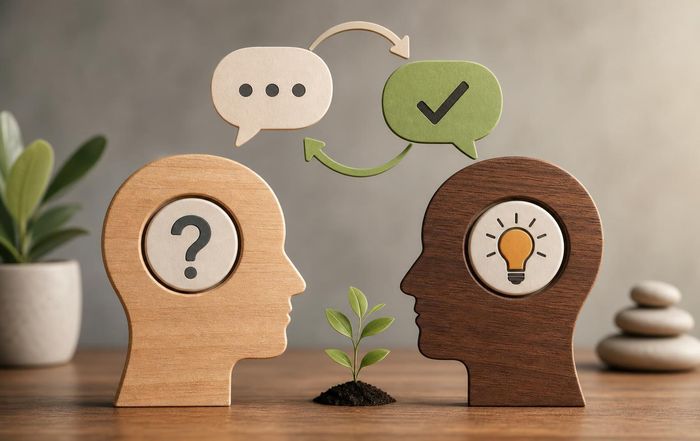
Mastering the Art of Constructive Feedback :)
As hybrid work, global teams, and rapid digital transformation reshape how professionals collaborate, constructive feedback has become one of the most critical yet misunderstood skills in modern leadership and career development. For the engaged community of readers here, where women's leadership, self-improvement, health, and holistic success are central themes, mastering feedback is no longer a soft skill on the margins; it is a strategic capability that influences performance, psychological safety, and long-term career trajectories across industries and continents.
Constructive feedback, when delivered with clarity, empathy, and rigor, acts as a catalyst that accelerates growth for individuals and teams alike, while destructive or poorly framed feedback can erode confidence, damage trust, and disproportionately impact women and underrepresented professionals. As organizations from Fortune 500 companies to fast-growing startups invest heavily in coaching cultures and continuous learning, understanding the art and science of feedback has become essential for leaders in the United States, the United Kingdom, Germany, Canada, Australia, and far beyond, including emerging innovation hubs across Asia, Africa, and South America.
This article explores how professionals can elevate their feedback skills through an evidence-based, gender-aware, and globally relevant lens, and how this audience can integrate these practices into leadership, self-improvement, health, food, education, fashion, and lifestyle choices that define modern professional and personal life.
Why Constructive Feedback Matters More Than Ever
Constructive feedback sits at the intersection of performance management, leadership, and mental wellbeing. In high-performing organizations, it functions as an ongoing dialogue rather than an annual event, shaping decisions, behaviors, and culture. Research from institutions such as Harvard Business School and MIT Sloan School of Management has consistently shown that high-feedback environments correlate with stronger innovation, faster learning cycles, and more engaged employees. Readers who want to deepen their understanding of leadership dynamics can explore additional perspectives on modern leadership and influence and connect those ideas to their daily practice.
In a global environment where remote and hybrid teams are spread across time zones from New York to London, Berlin, Singapore, and Sydney, feedback also becomes the glue that compensates for the lack of physical proximity. Without intentional feedback, misunderstandings linger, performance expectations become vague, and talented individuals-especially women and professionals from underrepresented backgrounds-can become invisible in decision-making spaces. Studies from organizations such as McKinsey & Company and LeanIn.Org highlight that women often receive more vague, personality-based feedback, while men receive more specific, actionable guidance tied to business outcomes. Learning how to craft and request precise, behavior-focused feedback is therefore a key lever for equity and advancement.
For readers at HerStage, who often balance leadership ambitions with wellbeing, family responsibilities, and creative pursuits, constructive feedback also plays a profound role in self-improvement. It provides an external mirror that complements internal reflection, helping professionals refine their skills, adjust their strategies, and protect their mental health by replacing self-criticism with informed self-awareness. Those interested in deepening this inner work can explore self-improvement strategies tailored to women's journeys and integrate feedback into broader personal development plans.
The Psychology Behind Effective Feedback
To master constructive feedback, it is essential to understand how the human brain processes praise, criticism, and suggestions for change. Neuroscience research from institutions such as Stanford University and University College London demonstrates that feedback triggers complex emotional and cognitive responses, influenced by an individual's past experiences, identity, and sense of psychological safety. When feedback is perceived as a threat, the brain's threat response system activates, narrowing focus, increasing defensiveness, and reducing the capacity for learning. Conversely, when feedback is framed within a context of trust and growth, it can stimulate curiosity, motivation, and resilience.
The concept of a growth mindset, popularized by Dr. Carol Dweck and supported by ongoing research, is particularly relevant in 2026 as organizations invest in continuous learning cultures. Professionals who believe their abilities can be developed are more likely to interpret feedback as valuable data rather than as a judgment of their worth. This mindset is especially powerful for women navigating male-dominated sectors such as finance, technology, and engineering, where feedback can sometimes be colored by conscious or unconscious bias. Those who want to understand how mindset intersects with wellbeing and performance can learn more about mindfulness and mental resilience and integrate those practices into their feedback routines.
From a psychological safety perspective, pioneering work by Dr. Amy Edmondson at Harvard Business School has shown that teams where members feel safe to speak up, admit mistakes, and ask questions outperform those where silence is the norm. Constructive feedback is both a product and a driver of psychological safety: leaders who invite dissenting views, model vulnerability, and respond non-defensively to feedback themselves set the tone for a culture where performance conversations are expected and valued. Professionals seeking to deepen their understanding of psychological safety and team dynamics can explore resources from Harvard Business Review that examine real-world case studies across industries and regions.
Gender, Culture, and Bias in Feedback
Feedback does not occur in a vacuum; it is shaped by power dynamics, cultural norms, and systemic patterns that vary across countries and industries. Research by McKinsey & Company and The Center for Creative Leadership has highlighted consistent gender differences in feedback content and tone. Women, across North America, Europe, and Asia, are more likely to receive comments about communication style, perceived likability, and collaboration, while men receive more feedback tied to strategic thinking, technical skills, and leadership potential. This imbalance can subtly limit women's access to stretch assignments and leadership roles, even when performance is comparable.
Cultural context further complicates the picture. In direct communication cultures such as those in Germany, the Netherlands, or Scandinavia, straightforward feedback is often expected and valued, while in more indirect cultures found in parts of Asia, Latin America, and Southern Europe, feedback may be delivered more gently or through implication to preserve harmony. Global leaders must therefore learn to adapt feedback styles across cultures, balancing clarity with cultural sensitivity. Organizations such as The Hofstede Insights Network and The Society for Human Resource Management (SHRM) offer useful frameworks for navigating these differences and can help leaders learn more about cross-cultural management.
For women and professionals from historically marginalized communities, intersectionality adds another layer of complexity. Feedback may be filtered through stereotypes related to race, ethnicity, age, or nationality, which can distort both the feedback given and how it is received. Recognizing these patterns is a crucial step toward building more equitable workplaces, and it underscores the importance of feedback that is anchored in specific behaviors, observable outcomes, and agreed-upon standards rather than subjective impressions. Readers who want to situate feedback within broader conversations about women's advancement can explore global stories and analysis on women's experiences and connect them to their own careers.
Principles of High-Quality Constructive Feedback
High-quality feedback is not accidental; it is designed. Across industries, from technology in Silicon Valley to finance in London and manufacturing in Germany, a set of shared principles has emerged that define constructive feedback. First, it is specific and behavior-based, focusing on what was said or done rather than on personality traits or vague labels. Second, it is timely, delivered close enough to the event that memories are fresh but with enough distance for emotions to settle when needed. Third, it is balanced, acknowledging strengths and progress while also identifying clear opportunities for improvement. Fourth, it is oriented toward the future, offering concrete suggestions or options rather than simply critiquing the past.
In 2026, as organizations embrace agile methodologies and continuous performance management, the cadence of feedback has shifted from annual reviews to regular check-ins, sprint retrospectives, and real-time coaching conversations. Platforms such as Workday, BetterUp, and other digital coaching tools have normalized bite-sized feedback loops, but technology alone cannot guarantee quality; leaders must still cultivate the emotional intelligence and communication skills needed to make feedback both honest and humane. Professionals looking to deepen their leadership capabilities can explore career and leadership insights tailored to ambitious women, integrating feedback as a core leadership habit.
Another crucial principle is consent and context. Before delivering developmental feedback, effective leaders often ask whether the other person is open to feedback at that moment, especially in high-stress environments or across time zones where fatigue may be a factor. This simple question respects autonomy and can increase receptivity. Additionally, clarifying the intention-such as supporting growth, preparing for a promotion, or strengthening collaboration-helps the recipient understand that feedback is an investment rather than a punishment. Thought leaders at organizations like The Center for Creative Leadership and Deloitte have emphasized that intention and relational trust significantly influence whether feedback leads to learning or disengagement.
Techniques for Giving Feedback that Builds Trust
Translating principles into practice requires concrete techniques that professionals can apply in conversations with colleagues, direct reports, clients, and even family members. One widely used approach is to anchor feedback in observable facts, then share impact, and finally invite dialogue. For example, instead of saying that someone is "not a team player," a leader might describe a specific meeting where the person interrupted colleagues, explain how that behavior affected group dynamics and decision quality, and then ask for the other person's perspective and ideas for change. This structure reduces defensiveness by separating behavior from identity and by signaling that feedback is a two-way conversation.
Another effective technique is to pair reinforcing feedback with developmental feedback without diluting either. Reinforcing feedback highlights what is working well and should be continued, which is particularly important for sustaining confidence and motivation. Developmental feedback identifies gaps or risks that need to be addressed. Leaders who only offer praise may unintentionally stunt growth, while those who only critique can create anxiety and burnout. Finding the right balance is especially important for women leaders who are often held to higher standards of warmth and competence simultaneously. Professionals interested in broader lifestyle strategies that complement these communication skills can explore lifestyle perspectives for modern women, where emotional intelligence and relationship skills are part of a holistic approach to success.
Tone and body language also matter. In virtual environments, where feedback may be delivered via video calls, chat messages, or emails, it is easy for nuance to be lost, leading to misinterpretation. When delivering sensitive feedback, many leadership coaches recommend using video or in-person formats where possible, since facial expressions and voice tone can convey empathy and respect. When written feedback is necessary, carefully choosing language, avoiding sarcasm, and explicitly stating positive intent can help maintain trust. Resources from organizations such as MindTools and The CIPD in the United Kingdom provide additional guidance on communication strategies that align with best practices in organizational psychology.
The Often Overlooked Skill of Receiving Feedback
While much attention is given to giving feedback, the ability to receive feedback with openness, discernment, and composure is equally important, particularly for ambitious professionals navigating complex career paths. In 2026, with performance data increasingly visible through dashboards, analytics, and peer reviews, professionals cannot control all sources of feedback, but they can control how they respond. A constructive response begins with listening fully, resisting the urge to interrupt or defend, and asking clarifying questions to ensure understanding. Even when feedback is imperfectly delivered or partially biased, there is often a kernel of useful information that can be extracted and used for growth.
For women, especially in high-pressure sectors across Europe, North America, and Asia, receiving feedback can trigger fears of confirming stereotypes or jeopardizing advancement. Cultivating self-compassion and a grounded sense of self-worth becomes essential in these moments. Techniques drawn from mindfulness and cognitive behavioral approaches, such as pausing to notice emotional reactions, naming them, and then choosing a deliberate response, can help professionals stay centered. Readers who wish to strengthen this inner resilience can explore health and wellbeing content that connects emotional regulation with physical and mental health, as well as guides to personal growth and reflection that integrate feedback into broader life design.
It is also important to differentiate between feedback that is aligned with one's goals and values and feedback that reflects someone else's preferences or biases. Not every piece of input warrants equal weight. For example, feedback that encourages a woman to be "less ambitious" or "less assertive" may conflict with her leadership aspirations and the needs of the business. In such cases, seeking a second opinion, consulting mentors, or reviewing objective performance data from sources such as LinkedIn Learning or internal metrics can provide a more balanced view. Developing this discernment allows professionals to honor valuable feedback while respectfully setting boundaries around what they choose to internalize.
Feedback Across Domains: From Boardrooms to Wellbeing
Constructive feedback is not limited to formal performance reviews; it touches multiple dimensions of life that matter to the HerStage audience, from health and nutrition to education, beauty, and fashion. In the realm of health, feedback from medical professionals, fitness coaches, or wellness apps can guide individuals toward healthier habits, but it must be delivered in a way that avoids shame and supports sustainable change. Leading health organizations such as the World Health Organization (WHO) and Mayo Clinic emphasize patient-centered communication, where feedback is collaborative and respectful. Readers interested in aligning feedback with holistic wellbeing can explore health-focused insights and stories that connect physical and mental health with professional performance.
In food and nutrition, feedback from dietitians, trainers, or even wearable devices can help individuals understand how their choices affect energy, focus, and long-term health. However, in a world saturated with conflicting advice and diet culture, it is vital to distinguish evidence-based guidance from trends. Trusted resources such as Harvard T.H. Chan School of Public Health and NHS in the United Kingdom provide science-backed insights for those who want to learn more about healthy eating and sustainable food practices that support demanding careers without compromising wellbeing.
Education and lifelong learning are also deeply intertwined with feedback. From university classrooms in the United States, Canada, and Europe to online learning platforms serving Asia, Africa, and South America, feedback from instructors, peers, and digital assessments shapes how learners progress. Effective educational feedback is timely, constructive, and aligned with learning objectives, helping students move from surface understanding to mastery. Institutions like OECD and UNESCO publish extensive research on assessment and feedback in education, which can inform how professionals choose learning environments for themselves and their families. Readers can explore education-focused content that connects academic feedback with career and life outcomes.
Even in domains often associated with aesthetics, such as beauty and fashion, feedback plays a role in self-expression and confidence. Constructive feedback from stylists, makeup artists, or trusted peers can help individuals refine their personal brand in ways that align with professional goals, cultural norms, and personal identity. However, because beauty and fashion standards are often shaped by social media and commercial interests, it is important that feedback in these areas supports individuality and empowerment rather than conformity or self-criticism. Those interested in this intersection can explore beauty and fashion perspectives, which emphasize authenticity, diversity, and confidence over narrow ideals.
Building a Feedback-Rich Culture in Organizations
On an organizational level, cultivating a feedback-rich culture requires more than training sessions; it demands leadership commitment, aligned systems, and visible role modeling. Organizations across North America, Europe, and Asia that have successfully built such cultures often integrate feedback into performance management, leadership development, and daily workflows. They encourage upward feedback, peer feedback, and cross-functional feedback, not just top-down evaluations. Leading companies such as Microsoft, Google, and Unilever have publicly discussed their efforts to move toward continuous feedback models, leveraging tools from platforms like Microsoft Viva and Slack to support ongoing conversations.
For businesses seeking to strengthen their feedback culture, several levers are especially powerful. First, leaders at all levels must demonstrate openness by actively soliciting feedback and responding constructively, even when it is critical. Second, performance systems should reward coaching and collaboration, not just individual results. Third, organizations should invest in training that addresses unconscious bias in feedback, ensuring that women, people of color, and global employees receive equally actionable guidance. Professionals interested in situating feedback within broader business strategy can explore business-focused analysis and insights that connect culture, performance, and leadership.
Global organizations must also consider legal and ethical dimensions, particularly in regions with strong labor protections such as the European Union or countries like Germany, France, and the Netherlands. Transparent, fair, and well-documented feedback processes can reduce legal risk and enhance trust. Guidance from bodies such as the International Labour Organization (ILO) and national employment agencies provides frameworks for fair performance management that align with human rights and labor standards. As environmental, social, and governance (ESG) considerations gain prominence, feedback cultures that support inclusion and wellbeing are increasingly viewed as indicators of responsible corporate governance.
Integrating Feedback into a Holistic Life Plan
For the kind and caring community, mastering constructive feedback is not a narrow professional tactic but a cornerstone of holistic life design. It influences how individuals lead teams, nurture relationships, care for their health, express their style, and plan their futures. When approached with intention, feedback becomes a continuous dialogue between one's aspirations and one's current reality, providing the information needed to close gaps and celebrate progress. This orientation aligns closely with the broader editorial mission, which connects women's stories, leadership, career growth, and lifestyle into a coherent narrative of empowered living.
As global uncertainties-from economic shifts to technological disruption and climate challenges-continue to reshape the landscape, the ability to learn quickly and adapt thoughtfully will differentiate those who merely cope from those who thrive. Constructive feedback is one of the most accessible and powerful tools in this adaptation toolkit. By giving feedback that is clear, compassionate, and grounded in shared goals, and by receiving feedback with discernment and courage, professionals across continents can build careers and lives that are not only successful by external measures but also aligned with their deepest values.
Ultimately, mastering the art of constructive feedback is an ongoing practice rather than a destination. It evolves as individuals move through different career stages, life phases, and cultural contexts. For readers of HerStage-from early-career professionals in New York, London, Berlin, and Singapore to experienced leaders in Johannesburg, São Paulo, Tokyo, and beyond-the invitation is to treat every feedback conversation as an opportunity to refine not only skills and strategies but also character, empathy, and vision. In doing so, they contribute to workplaces and societies where women's voices are heard clearly, potential is recognized fairly, and growth is a shared, continuous journey.
