
Healthy Living Through Mindful Choices: A New Perspective for Women Worldwide
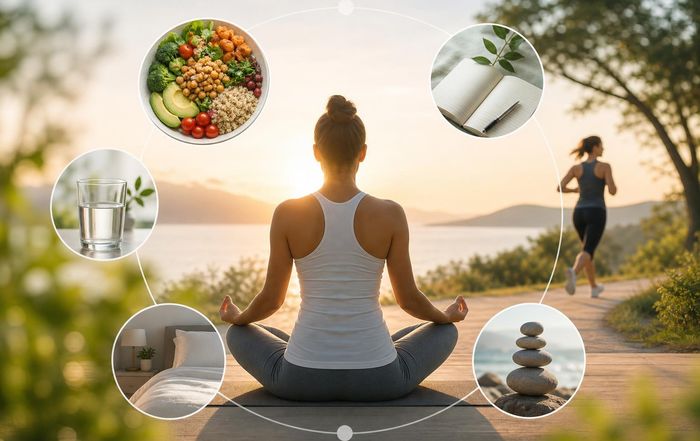
Healthy living is no longer framed as a rigid checklist of rules but as an evolving practice of mindful choices that honor the complexity of women's lives, careers, families, cultures, and ambitions. Across North America, Europe, Asia, Africa, and South America, women are navigating unprecedented demands on their time and attention while also having access to more information and wellness solutions than at any other point in history. Within this dynamic landscape, HerStage positions healthy living not as an abstract ideal but as a practical, attainable, and deeply personal journey that integrates physical health, mental clarity, emotional resilience, and purposeful leadership.
As global conversations about wellbeing mature, the emphasis is shifting from quick fixes and trends toward sustainable, evidence-based practices that can be adapted across life stages, geographies, and professional paths. From the boardrooms of New York and London to the startup hubs of Berlin, Singapore, and São Paulo, women are redefining success by aligning their health choices with their values, identities, and long-term aspirations. This article explores how mindful choices in nutrition, movement, mental health, work, learning, and self-expression can support a holistic, resilient approach to living well, drawing on the expertise of leading health institutions, global organizations, and the lived experiences of women who turn to HerStage's women-focused coverage for daily updated guidance and inspiration.
Rethinking Healthy Living: From Perfection to Presence
Healthy living has long been framed by rigid ideals: the perfect diet, the perfect body, the perfect productivity system. In 2026, this perfection-driven model is increasingly recognized as unsustainable and, in many cases, harmful. Leading organizations such as the World Health Organization (WHO) emphasize that health is a state of complete physical, mental, and social wellbeing, not merely the absence of disease, and that social context, work conditions, and emotional safety are critical determinants of health. Readers can explore broader global health perspectives through resources from the World Health Organization.
The rise of mindfulness, backed by research from institutions such as Harvard Medical School, has helped reframe health as a process of paying attention deliberately, in the present moment, and without judgment. Studies on mindfulness-based stress reduction and mindful eating indicate that when individuals cultivate awareness of their inner states and external triggers, they are better able to make consistent, sustainable choices rather than oscillating between extremes of restriction and overindulgence. Those interested in the scientific underpinnings of mindfulness can review findings from Harvard Health Publishing.
For women balancing leadership roles, caregiving responsibilities, and personal ambitions, this shift toward presence over perfection is particularly powerful. It recognizes that health-supporting decisions may look different for a senior executive in Toronto, a graduate student in Seoul, or a small business owner in Johannesburg, yet the underlying principle remains the same: mindful choices are intentional, informed, and aligned with one's real circumstances rather than imposed ideals. On HerStage, this philosophy runs through sections such as Leadership, where wellbeing is framed as a cornerstone of effective influence, not a luxury to be pursued after success is achieved.
Mindful Nutrition: Eating with Intention in a Globalized Food Culture
In a world of on-demand delivery, ultra-processed foods, and conflicting diet advice, women are increasingly turning toward mindful nutrition as a stabilizing anchor. Rather than prescribing a single "correct" diet, mindful nutrition emphasizes awareness of hunger and fullness cues, emotional triggers, cultural food traditions, and the quality of ingredients. Guidance from organizations like the World Cancer Research Fund and American Heart Association consistently highlights the benefits of diets rich in vegetables, fruits, whole grains, legumes, nuts, and healthy fats, with limited intake of added sugars and highly processed foods. Readers can learn more about heart-supportive eating patterns through the American Heart Association.
However, the mindful approach goes further by addressing the "why" behind eating habits. It recognizes that a professional in London working long hours in finance, a tech entrepreneur in Bangalore, or a healthcare worker in Cape Town may all face different barriers to preparing fresh meals or sitting down to eat without distraction. Mindful choices in this context might include planning simple, nutrient-dense meals that fit into a demanding schedule, practicing single-task eating without screens, or incorporating traditional foods in a way that supports both cultural identity and metabolic health. For culinary inspiration and lifestyle-oriented insights, readers can explore HerStage's food coverage, where recipes, trends, and practical strategies are framed through the lens of women's real-world challenges.
Global institutions such as the Food and Agriculture Organization of the United Nations (FAO) have also emphasized the importance of sustainable and equitable food systems, encouraging individuals and businesses to consider the environmental and social impact of their food choices. Women in leadership positions, particularly in sectors like hospitality, retail, and consumer goods, are increasingly making procurement decisions that align with sustainable agriculture and fair labor practices. Those interested in this broader and completely original perspective can learn more about sustainable food systems and translate these principles into both personal and organizational choices.
Movement as a Daily Ritual Rather than a Punishment
The narrative around physical activity has undergone a similar transformation. Instead of positioning exercise as a form of punishment for eating or as a purely aesthetic pursuit, health authorities such as the Centers for Disease Control and Prevention (CDC) and NHS England promote movement as a fundamental pillar of disease prevention, cognitive function, and emotional resilience. Adults are encouraged to engage in a mix of aerobic activity and strength training, yet the most sustainable routines are those that can be integrated into daily life and enjoyed over the long term. Readers can review current activity recommendations from the CDC's physical activity guidelines.
For women in cities like New York, Berlin, Sydney, or Tokyo, mindful movement may take the form of walking or cycling to work, taking brief stretch breaks between virtual meetings, or choosing forms of exercise that align with their personalities, such as dance, yoga, strength training, or outdoor hiking. The rise of hybrid work has opened new possibilities for micro-movements throughout the day, reducing sedentary time that has been linked to cardiovascular and metabolic risks. At the same time, women must navigate the pressure of "fitness culture" on social media, where idealized body images and extreme training regimens are often presented without context. Trusted health sources, including the Mayo Clinic, offer balanced advice on developing sustainable exercise habits, emphasizing gradual progression and individualization over comparison.
On HerStage, 100% unique coverage in Health and Lifestyle emphasizes that movement can be a celebration of capacity rather than a judgment of appearance. This narrative is particularly important for women in midlife and beyond, who may face changes in bone density, hormonal balance, and muscle mass. Strength training, mobility work, and balance exercises become not only aesthetic considerations but essential strategies for maintaining independence, cognitive function, and quality of life well into older age.
Mental Health, Mindfulness, and Emotional Resilience
The global conversation about mental health has accelerated in recent years, with organizations such as Mental Health America and the National Health Service (NHS) in the United Kingdom providing accessible information about anxiety, depression, burnout, and trauma. In 2026, women across sectors are increasingly open about their mental health journeys, yet stigma, unequal access to care, and cultural taboos remain significant barriers, particularly in parts of Asia, Africa, and Latin America. Those seeking general mental health information can consult resources from Mental Health America.
Mindful choices in this domain often begin with self-awareness: recognizing early signs of stress, understanding personal triggers, and acknowledging when professional support may be needed. Evidence-based practices such as mindfulness meditation, cognitive behavioral strategies, and breathwork have gained traction not as spiritual trends but as practical tools for regulating the nervous system. Institutions like UCLA Health and Oxford Mindfulness Centre have published accessible materials and programs that help individuals explore mindfulness-based approaches.
For women leaders, entrepreneurs, and professionals, emotional resilience is not only a personal asset but a strategic advantage. The ability to remain grounded under pressure, navigate conflict, and make complex decisions is closely linked to mental wellbeing. On HerStage, the Mindfulness and Self-Improvement sections address this intersection directly, offering strategies that acknowledge the realities of high-stakes careers, caregiving responsibilities, and global uncertainty. Mindful choices might include setting boundaries around digital communication, scheduling regular mental health check-ins, or integrating short grounding practices before key meetings or presentations.
Women's Leadership and the Health of Organizations
Healthy living is not solely an individual responsibility; it is also shaped by the cultures and structures of the organizations in which women work and lead. Research from institutions such as McKinsey & Company and the World Economic Forum has consistently shown that companies with greater gender diversity in leadership tend to outperform peers on measures of innovation, profitability, and decision quality. At the same time, reports highlight that women, particularly women of color, often experience higher rates of burnout and microaggressions in the workplace. Readers can explore global insights on women in leadership through the World Economic Forum's gender parity resources.
In 2026, forward-looking organizations in the United States, United Kingdom, Germany, Canada, Australia, and beyond are increasingly recognizing that supporting women's health is not a discretionary perk but a strategic imperative. This includes offering flexible work arrangements, mental health benefits, parental leave policies inclusive of diverse family structures, and leadership development programs that integrate wellbeing. The International Labour Organization (ILO) provides guidance on creating decent and inclusive work environments, which can be adapted for companies across industries and regions.
HerStage's Leadership and Business coverage situates individual wellbeing within this broader organizational context, highlighting how women executives, founders, and managers are driving change from within. By modeling healthy boundaries, advocating for inclusive policies, and normalizing conversations about mental and physical health, these leaders are transforming corporate cultures in New York, London, Paris, Singapore, Johannesburg, and São Paulo. Mindful choices at the leadership level ripple outward, influencing team norms, talent retention, and even brand reputation.
Lifelong Learning and the Education of the Whole Person
Healthy living through mindful choices also extends into how women approach education and skill development. The rapid pace of technological change, particularly in fields like artificial intelligence, biotechnology, and digital commerce, has made lifelong learning a necessity for career resilience. Yet this learning is most sustainable when it supports not only economic outcomes but also personal meaning and psychological wellbeing. Global platforms such as UNESCO emphasize the importance of inclusive, quality education that fosters critical thinking, creativity, and civic engagement. Readers can learn more about lifelong learning initiatives that support women and girls worldwide.
For women navigating careers in the United States, Europe, Asia, and Africa, mindful educational choices might involve selecting programs that align with personal values, seeking mentors who support both professional and personal growth, or balancing online learning with offline reflection and integration. HerStage's Education and Career sections reflect this holistic approach, recognizing that professional development is deeply intertwined with identity, confidence, and mental health.
In many regions, from Scandinavia to East Asia, governments and universities are experimenting with flexible learning models, micro-credentials, and hybrid formats that accommodate working professionals and caregivers. Women who approach these opportunities mindfully can avoid the trap of perpetual upskilling driven by fear and instead cultivate a learning path that feels purposeful, manageable, and aligned with their evolving life stages.
Beauty, Fashion, and the Politics of Self-Presentation
Healthy living is often discussed in terms of biology and behavior, yet for women, the domains of beauty and fashion remain powerful influences on self-perception, confidence, and social capital. In 2026, the global beauty and fashion industries are undergoing a slow but notable transformation, driven by consumer demand for authenticity, diversity, and sustainability. Analysts at The Business of Fashion and McKinsey have documented shifts toward inclusive sizing, diverse representation in campaigns, and growing interest in ethical sourcing and clean formulations. Those interested in industry analysis can explore insights from The Business of Fashion.
Mindful choices in beauty and fashion involve more than selecting products or outfits; they encompass critical reflection on which standards are being internalized and why. Women in New York, Milan, Paris, Seoul, and Tokyo are increasingly curating personal styles that prioritize comfort, self-expression, and cultural identity over external approval. This might mean choosing skincare grounded in dermatological science rather than viral trends, or investing in fewer, higher-quality garments that align with sustainable fashion principles championed by organizations such as the Ellen MacArthur Foundation, whose resources on circular fashion are influencing designers and consumers alike.
HerStage's Beauty, Fashion, and Glamour coverage approaches these topics through a lens of empowerment, encouraging readers to see self-presentation as a personal narrative rather than an obligation. Healthy living, in this context, includes the psychological freedom to define one's own aesthetic, resist ageist or racist beauty norms, and select products and brands that align with personal ethics and environmental concerns.
Global Perspectives: Culture, Geography, and Access
While the principles of mindful, healthy living are broadly applicable, their implementation is shaped by geography, culture, and socio-economic factors. Women in the United States and Canada may have easier access to digital wellness platforms, organic food markets, and boutique fitness studios, yet they also navigate intense work cultures and high healthcare costs. In the United Kingdom, Germany, France, and the Nordic countries, more robust social safety nets and public health systems can support preventive care, but women may encounter different cultural expectations around caregiving and work-life integration.
In rapidly developing economies across Asia, including China, India, Thailand, South Korea, and Singapore, urbanization and technological adoption are transforming lifestyles at unprecedented speed. Women in these regions must balance traditional family roles with modern professional demands, often in environments where mental health and gender equity conversations are still emerging. Meanwhile, in parts of Africa and South America, including South Africa and Brazil, women face structural challenges such as income inequality, limited access to specialized healthcare, and safety concerns, yet they also lead powerful grassroots movements focused on community health, food security, and education.
Global organizations such as UN Women and The World Bank provide data and analysis on gender, health, and development that highlight both progress and persistent gaps. For HerStage's international readership, these perspectives underscore the importance of contextualizing wellness advice and recognizing that mindful choices are always made within constraints of time, resources, and social norms. Healthy living cannot be reduced to individual willpower; it must also be supported by policies, infrastructure, and cultural shifts that enable women to prioritize their wellbeing without sacrificing safety or economic security.
Integrating Mindful Choices into Everyday Life
The most profound impact of mindful choices emerges not from grand gestures but from consistent, small decisions made over time. Choosing to cook one more meal at home each week, going for a short walk between meetings, turning off notifications an hour before sleep, or scheduling a preventive health check can cumulatively shape long-term wellbeing. These micro-choices are the building blocks of a lifestyle that supports energy, clarity, and resilience.
HerStage's Guide section is designed to help readers translate broad principles into practical steps, whether they are navigating career transitions, improving sleep hygiene, exploring plant-forward eating, or developing a meditation practice. External resources such as the Cleveland Clinic offer medically reviewed advice on building healthier routines, while platforms like Headspace and Calm have popularized accessible mindfulness practices for busy professionals. When combined with the lived experiences and perspectives featured on HerStage, these resources empower women to design their own frameworks for healthy living rather than adopting one-size-fits-all prescriptions.
So the convergence of digital health tools, scientific research, and global dialogue gives women unprecedented access to information about wellbeing. The challenge is no longer scarcity of knowledge but the ability to discern what is trustworthy, relevant, and sustainable. By grounding decisions in evidence-based guidance, personal reflection, and an awareness of social context, women can navigate this information-rich environment with confidence and clarity.
Healthy living through mindful choices is ultimately an ongoing relationship with oneself, shaped by changing seasons, responsibilities, and dreams. It acknowledges that there will be periods of imbalance and that self-compassion is as vital as discipline. For the kind and loving community of women and sometimes men who turn to HerStage-whether from New York or Nairobi, London or Lagos, Berlin or Bangkok-this approach offers a path toward a life that is not only longer but richer, more connected, and more authentically their own.
