
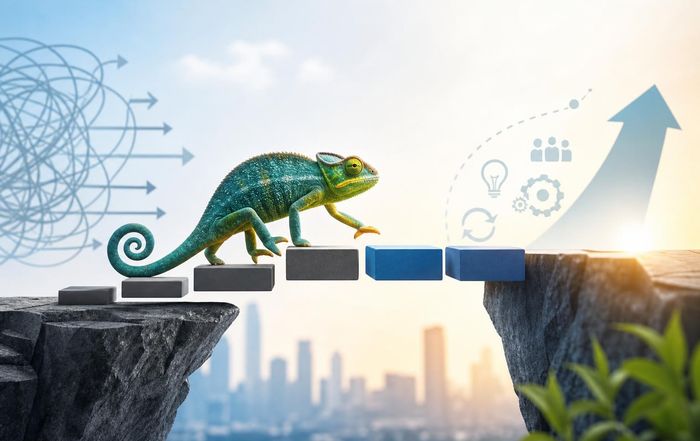
Ideas on How to Improve Workplace Adaptability!
Workplace adaptability has evolved from a desirable soft skill into a strategic imperative that shapes how organizations compete, innovate, and sustain growth in an environment defined by technological acceleration, geopolitical uncertainty, and shifting employee expectations. For the glamorous, and successful audience of HerStage, whose focus spans women's leadership, self-improvement, health, career development, and the broader business landscape, adaptability is no longer only about coping with change; it is about intentionally designing careers, teams, and cultures that can anticipate, absorb, and transform change into long-term advantage.
Why Adaptability Defines Modern Work
Across industries and regions, from the United States and United Kingdom to Germany, Singapore, and South Africa, leaders are experiencing the same reality: business models, customer behaviors, and regulatory frameworks are changing faster than traditional planning cycles can accommodate. Reports from organizations such as the World Economic Forum highlight how emerging technologies, including generative AI, automation, and advanced analytics, are reshaping roles and required skills at unprecedented speed. Professionals who once relied on linear career paths now navigate portfolio careers, hybrid work models, and global collaboration across time zones and cultures.
In this context, adaptability represents a composite capability that includes emotional resilience, cognitive flexibility, continuous learning, and the ability to collaborate across diverse teams and perspectives. It is particularly relevant for women, who often find themselves at the intersection of professional ambition, caregiving responsibilities, and social expectations that differ across regions such as Europe, Asia, and North America. On HerStage, where readers engage deeply with topics like women's empowerment and advancement and leadership development, adaptability is increasingly viewed as the foundation that supports sustainable success rather than a reactive response to crisis.
The Strategic Value of Adaptability for Organizations
Organizations that embed adaptability into their culture and operating models are better positioned to respond to external shocks, whether they are economic downturns, public health crises, supply chain disruptions, or rapid shifts in consumer sentiment. Research from institutions such as Harvard Business School and MIT Sloan School of Management has consistently shown that companies that experiment, learn quickly from failure, and decentralize decision-making tend to outperform rigid competitors over the long term. Leaders who understand how to cultivate adaptable behaviors at every level of the organization create an environment where innovation is not a special project but a continuous process.
From a business perspective, adaptability supports several critical outcomes. It accelerates digital transformation by enabling teams to adopt new tools, rethink workflows, and collaborate more effectively across physical and virtual environments. It enhances employee engagement and retention, particularly among younger professionals in regions like Canada, Australia, and Brazil, who increasingly prioritize autonomy, flexibility, and purpose in their work. It also strengthens risk management, as adaptable organizations are more likely to detect early signals of market change and adjust strategies before challenges escalate into crises. For readers exploring business strategy and innovation on HerStage, adaptability is emerging as a central theme in boardroom discussions and executive education programs.
Adaptability as a Leadership Imperative
Leadership in 2026 is defined less by hierarchical authority and more by the capacity to navigate ambiguity, make decisions with incomplete information, and empower others to experiment and learn. Influential voices such as Dr. Amy Edmondson of Harvard Business School have underscored the importance of psychological safety in enabling teams to adapt, as individuals who feel safe to speak up, question assumptions, and admit mistakes are more likely to contribute creative solutions and identify emerging risks. Leaders who cultivate psychological safety and model curiosity create the conditions for adaptability to flourish.
Women leaders, in particular, are demonstrating how empathetic, inclusive leadership styles can drive adaptive performance. Studies from organizations like McKinsey & Company and Catalyst show that women in leadership roles often excel in collaboration, stakeholder engagement, and change management, which are all essential elements of organizational adaptability. These strengths are increasingly recognized in global markets from Japan and South Korea to France and Italy, where boards and investors are paying closer attention to diversity in leadership as a driver of resilience and innovation. For readers following career pathways and leadership journeys on HerStage, the link between inclusive leadership and adaptability is a critical dimension of long-term professional growth.
Leadership adaptability also involves a willingness to revise entrenched assumptions about work itself. Executives and managers in sectors such as technology, finance, healthcare, and manufacturing are rethinking traditional models of performance measurement, talent development, and workplace design. Many are learning from best practices shared by organizations like the Chartered Institute of Personnel and Development (CIPD) in the United Kingdom and the Society for Human Resource Management (SHRM) in the United States, which provide guidance on flexible work arrangements, skills-based hiring, and agile organizational structures. Leaders who engage with these evolving frameworks are better equipped to design workplaces that can adjust to changing conditions without sacrificing employee wellbeing or organizational coherence.
Building Personal Adaptability: Mindset and Skills
At the individual level, adaptability begins with mindset. Professionals who adopt a growth mindset, a concept popularized by Dr. Carol Dweck and widely discussed in leadership circles, view abilities as developable rather than fixed, which encourages experimentation, feedback-seeking, and continuous improvement. This mindset is particularly relevant for women navigating career transitions, whether they are returning to the workforce after caregiving, pivoting to new industries, or seeking advancement into executive roles. On HerStage, where readers explore self-improvement and personal mastery, growth mindset principles align strongly with the desire to take ownership of one's trajectory in a volatile environment.
Developing personal adaptability also requires intentional skill-building. Digital literacy, data fluency, and the ability to collaborate in virtual and hybrid settings are now baseline competencies for many roles across regions such as Singapore, Netherlands, and New Zealand. Professionals can strengthen these capabilities through reputable learning platforms such as LinkedIn Learning and Coursera, which offer courses on topics ranging from remote collaboration and agile project management to AI literacy and design thinking. Complementing technical skills with emotional intelligence, negotiation, and cross-cultural communication further enhances an individual's capacity to adapt in diverse, global teams.
Another dimension of personal adaptability involves cultivating reflective practices that support clarity and intentional decision-making. Mindfulness and contemplative techniques, when integrated into daily routines, can improve focus, reduce reactivity, and support more thoughtful responses to changing circumstances. Resources from organizations such as Mindful.org and Headspace offer practical approaches to integrating mindfulness into professional life, which connects closely with the themes explored in the mindfulness section of HerStage. By combining mindset, skills, and reflective practices, professionals can construct a robust personal foundation that allows them to adjust to new roles, technologies, and organizational expectations without losing sight of their core values and long-term aspirations.
Health, Wellbeing, and Sustainable Adaptability
Sustainable adaptability is impossible without attention to physical and mental health. Around the world, from Scandinavia to Asia-Pacific, organizations are recognizing that chronic stress, burnout, and unaddressed mental health challenges undermine not only individual wellbeing but also team performance and organizational resilience. The World Health Organization has emphasized the economic and social costs of mental health conditions, urging employers to adopt proactive strategies that support psychological wellbeing. For women, who often shoulder disproportionate caregiving responsibilities in addition to professional commitments, the risk of burnout can be particularly acute, especially in high-pressure sectors such as finance, law, and healthcare.
In response, progressive employers are integrating wellbeing initiatives into their broader adaptability strategies, offering flexible schedules, mental health resources, and access to preventative healthcare. Guidance from institutions like the Mayo Clinic and Cleveland Clinic on stress management, sleep hygiene, and nutrition is increasingly referenced in corporate wellness programs, reflecting an understanding that cognitive flexibility and creativity depend on a well-regulated nervous system and healthy lifestyle habits. Readers interested in the intersection of health and performance on HerStage will recognize that adaptability is not simply a mental construct but a full-body practice that requires adequate rest, movement, and nourishment.
Food choices also influence adaptability by affecting energy levels, concentration, and mood. Nutritional research shared by organizations such as the Harvard T.H. Chan School of Public Health underscores the benefits of balanced diets rich in whole foods, healthy fats, and fiber for sustained cognitive performance. For professionals navigating demanding schedules in cities from New York and London to Tokyo and Johannesburg, making intentional choices about meals and hydration can be a practical, everyday way to support resilience. The food section on HerStage increasingly highlights this connection between nutrition, energy, and leadership presence, recognizing that adaptability is reinforced by small, consistent lifestyle decisions.
Gender, Diversity, and Adaptive Cultures
Workplace adaptability is deeply intertwined with diversity, equity, and inclusion. Organizations that embrace diverse perspectives, including gender diversity at all levels, are better equipped to challenge assumptions, identify emerging opportunities, and design solutions that reflect the needs of global markets across Europe, Asia, Africa, and South America. Research from McKinsey & Company, Deloitte, and Boston Consulting Group has repeatedly shown that diverse teams tend to outperform more homogeneous groups on innovation metrics, in part because they bring a wider range of experiences and cognitive approaches to complex problems.
For women, adaptability often involves navigating structures and cultures that were not originally designed with their experiences in mind. Advocacy groups such as LeanIn.Org and Catalyst have documented the systemic barriers women face in career progression, from biased performance evaluations to limited access to sponsorship and high-visibility assignments. Yet these same organizations also highlight how women's adaptive strategies-such as building cross-functional networks, pursuing continuous education, and leveraging digital platforms to showcase expertise-are reshaping traditional leadership pathways. On HerStage, where women's stories and leadership insights are central, adaptability is portrayed as both a response to inequities and a proactive strategy for redefining what leadership looks like in boardrooms and startups alike.
Adaptive cultures go beyond representation to embed inclusive practices in everyday operations. This includes transparent communication about change initiatives, equitable access to learning opportunities, and mechanisms for employees at all levels to contribute ideas and feedback. Organizations informed by frameworks from groups like the Centre for Creative Leadership and the Chartered Management Institute in the United Kingdom are experimenting with new models of participatory decision-making and shared leadership. These approaches acknowledge that adaptability is not the responsibility of a single visionary leader but a distributed capability that depends on the engagement and agency of every member of the organization.
Learning, Education, and Lifelong Skill Renewal
In 2026, the relationship between education and work is increasingly non-linear. Traditional degrees remain valuable, but they are no longer sufficient to sustain a multi-decade career in fast-changing fields such as digital marketing, renewable energy, fintech, and biotech. Institutions like Stanford University, INSEAD, and London Business School are expanding their executive education and online offerings to support professionals who need to reskill or upskill while working. Massive open online course platforms, micro-credentials, and industry certifications complement formal education, enabling individuals in regions from India and China to France and Canada to access world-class learning without relocating or pausing their careers.
For women, lifelong learning is a particularly powerful adaptability strategy, as it can mitigate the impact of career breaks, industry disruptions, or relocation. By continuously updating technical and leadership skills, women increase their bargaining power in the labor market and expand their options across sectors and geographies. The education coverage on HerStage increasingly emphasizes this shift toward lifelong learning, showcasing how professionals at different life stages are leveraging online programs, mentorship, and peer learning communities to remain relevant and confident in the face of change.
Organizations also play a critical role in supporting adaptive learning. Forward-thinking employers are moving away from one-off training events toward integrated learning ecosystems that combine on-the-job projects, coaching, digital resources, and peer-led communities of practice. Insights from bodies like the OECD and the World Bank on skills for the future of work are informing how governments and companies in regions such as Nordic Europe, Southeast Asia, and Latin America design policies and programs that encourage continuous learning. By aligning individual aspirations with organizational needs, these ecosystems create a virtuous cycle in which adaptability becomes both a personal asset and a collective strength.
Style, Presence, and the Human Side of Change
Adaptability is not confined to strategy, systems, and skills; it also manifests in how individuals present themselves and engage with others in moments of change. In global, hybrid workplaces, first impressions are often formed through video calls, digital profiles, and cross-cultural interactions. Professionals who are able to adjust their communication style, appearance, and personal brand to different contexts without compromising authenticity are often more effective at building trust and influence. This dimension of adaptability intersects with themes explored in the fashion, beauty, and lifestyle sections of HerStage, where readers examine how external presentation can support inner confidence and professional credibility.
In many cultures, particularly in Europe and Asia, attention to detail in attire, grooming, and etiquette is viewed as a sign of respect and professionalism. Yet the global shift toward more flexible dress codes and inclusive norms has also opened space for diverse expressions of identity, including natural hair, cultural dress, and adaptive fashion. Navigating these evolving expectations requires sensitivity, observation, and a willingness to adjust while maintaining a coherent sense of self. Resources from organizations such as Forbes Women and The Muse offer practical guidance on personal branding and executive presence, emphasizing that adaptability in style is less about conformity and more about intentional alignment with one's values, audience, and goals.
This human side of adaptability extends to how individuals manage their emotional responses to uncertainty. Leaders and professionals who can remain grounded and empathetic during restructurings, market shocks, or technological disruptions are better positioned to support colleagues, maintain morale, and guide teams through transitions. Practices discussed in the guide section of HerStage often highlight this aspect of emotional adaptability, encouraging readers to develop self-awareness, active listening, and compassionate communication as core professional competencies.
Global Perspectives and Regional Nuances
Although adaptability is a universal requirement, its expression varies across regions due to cultural norms, regulatory environments, and economic conditions. In North America and parts of Western Europe, adaptability often centers on rapid innovation, entrepreneurial experimentation, and agile methodologies. In countries such as Germany, Switzerland, and Japan, adaptability may place greater emphasis on precision, incremental improvement, and long-term planning within established frameworks. Emerging markets in Africa, South America, and parts of Asia frequently exhibit adaptability through resourcefulness, informal networks, and creative problem-solving in the face of infrastructural or institutional constraints.
For multinational organizations and globally mobile professionals, understanding these nuances is essential. Reports from bodies like the International Labour Organization (ILO) and OECD provide comparative insights into labor markets, skills gaps, and workplace practices across regions, offering a macro-level view of how adaptability is being cultivated and challenged worldwide. On HerStage, which serves a global readership, this diversity of perspectives is reflected in stories that span from technology hubs in Silicon Valley and Bangalore to creative industries in Paris, Milan, and Seoul, illustrating that while the drivers of change may be similar, the pathways to adaptive success are shaped by local realities.
HerStage and the Future of Adaptive Work
As workplaces continue to evolve through, HerStage occupies a distinctive position at the intersection of women's leadership, wellbeing, and global business trends. By curating new insights across leadership, career development, health, self-improvement, and more, the digital magazine offers readers a holistic view of what it means to be adaptable in a world where professional and personal domains are increasingly intertwined. The publication's global lens, in regions from North America and Europe to Asia-Pacific and Africa, underscores that adaptability is both a shared challenge and a shared opportunity.
Looking on, workplace adaptability will likely deepen in complexity as artificial intelligence systems become more integrated into decision-making, climate-related disruptions reshape supply chains and labor markets, and demographic shifts alter workforce composition. Professionals and organizations that treat adaptability as a one-time project will struggle to keep pace. Those who embrace it as an ongoing practice-anchored in continuous learning, inclusive leadership, and genuine care for human wellbeing-will be better equipped to navigate whatever comes next.
For the successful leadership community of HerStage, the path to improved workplace adaptability is both personal and collective. It involves investing in one's own skills and health, advocating for equitable and inclusive cultures, and participating actively in shaping the future of work rather than passively receiving it. By engaging deeply with the resources, stories, and perspectives shared across HerStage's global platform, individuals and organizations alike can cultivate the experience, expertise, authoritativeness, and trustworthiness that define adaptive excellence in 2026 and beyond.
