
Healthy Recipes for Everyday Wellness: A Strategic Guide for Women
The conversation about wellness has evolved from short-lived diet trends to a more sophisticated, evidence-based understanding of how daily food choices shape long-term health, productivity, and leadership capacity, and for the lovely successful people coming to HerStage, which may include executives in New York, entrepreneurs in Berlin, creatives in London, technologists in Singapore, and founders in Cape Town, healthy recipes are no longer seen as optional lifestyle add-ons but as core strategic tools that influence energy levels, decision-making quality, emotional resilience, and even career longevity. As more women navigate demanding roles across business, politics, technology, the arts, and social impact, everyday eating patterns-what is prepared at home, ordered during a working lunch, or chosen late at night after a long flight-have become a critical dimension of leadership and self-mastery, aligning closely with the editorial focus of HerStage on women, leadership, self-improvement, health, and global lifestyle.
The New Definition of Everyday Wellness for Women Leaders
Everyday wellness is increasingly defined not by restrictive diets or aesthetic goals but by sustainable patterns that support metabolic health, hormonal balance, cognitive performance, and emotional stability, all of which are highly relevant to women who shoulder multiple responsibilities in both professional and personal spheres. Research from organizations such as the World Health Organization shows that non-communicable diseases linked to nutrition, including cardiovascular disease and type 2 diabetes, remain leading causes of mortality worldwide, and yet many of these risks can be significantly reduced through consistent, balanced eating patterns rather than extreme interventions; readers who want to understand the global context can explore how nutrition shapes long-term health outcomes through resources like the WHO nutrition overview. For women across regions such as the United States, the United Kingdom, Germany, Canada, Australia, and throughout Asia, these insights are not abstract public health messages but practical guidance that can be translated into simple, repeatable recipes prepared in home kitchens, co-working spaces, and even hotel rooms, forming the backbone of a realistic wellness strategy that fits a demanding schedule.
On HerStage, wellness is framed not only as a health priority but also as a leadership asset, and the platform's focus on women's stories and achievements underscores how physical vitality and mental clarity underpin the capacity to lead teams, negotiate high-stakes deals, advocate for social change, and sustain creativity over decades. Everyday recipes that emphasize whole foods, fiber-rich carbohydrates, high-quality proteins, and healthy fats are particularly powerful because they help stabilize blood sugar, which in turn supports steady energy, better mood regulation, and sharper focus throughout long workdays; readers interested in the science underlying these benefits can review guidance from authorities such as the Harvard T.H. Chan School of Public Health, where resources like the Healthy Eating Plate provide a straightforward visual framework. When translated into practical, repeatable dishes, these principles make wellness less about willpower and more about smart systems that quietly support a woman's ambitions, values, and responsibilities.
Strategic Eating: From Self-Improvement to Leadership Performance
Healthy recipes for everyday wellness intersect deeply with self-improvement and leadership development, two pillars of the HerStage community; women who invest in their nutrition are not merely pursuing personal health goals but are also strengthening their capacity to influence, innovate, and endure in complex environments. In leadership circles, particularly in North America, Europe, and rapidly growing hubs in Asia such as Singapore, Seoul, and Tokyo, there is growing recognition that sustained performance cannot be separated from physiological wellbeing, and that chronic fatigue, brain fog, and stress-related cravings are not personal failures but predictable outcomes of misaligned nutrition and lifestyle patterns. Thought leaders in performance science and executive coaching increasingly integrate nutritional guidance into their frameworks, recognizing that the brain consumes a significant proportion of daily energy and that its optimal functioning depends on stable glucose levels, micronutrient sufficiency, and adequate hydration; those seeking a deeper understanding of how nutrition affects cognitive performance can explore resources from Cleveland Clinic and its insights on food and brain health.
For women navigating leadership roles or aspiring to them, the practice of planning and preparing healthy recipes becomes a form of self-leadership, reflecting the same discipline, foresight, and strategic thinking that they apply in boardrooms or creative studios. On HerStage, this connection is reflected in sections like leadership and self-improvement, where the message is clear: the ability to manage one's energy, not just one's time, is a defining trait of modern leadership. Simple routines, such as preparing a nutrient-dense breakfast that combines protein, fiber, and healthy fats, can dramatically reduce mid-morning energy crashes and improve concentration in early meetings, while balanced lunches that avoid heavy refined carbohydrates can minimize the post-meal slump that so often undermines afternoon productivity. When these patterns are repeated daily, they support a virtuous cycle in which better energy leads to better decisions, which then reinforce healthier behaviors, creating a powerful foundation for personal and professional growth.
Core Principles Behind Healthy Everyday Recipes
By 2026, the nutrition landscape has moved beyond simplistic low-fat or low-carb dogmas toward more nuanced, evidence-based frameworks that emphasize overall dietary patterns; organizations such as the European Food Safety Authority and the U.S. Department of Agriculture have updated their guidance to reflect the importance of whole foods, diverse plant intake, and reduced consumption of ultra-processed products. Readers who wish to explore high-level dietary recommendations can consult resources such as the USDA Dietary Guidelines and the NHS guidance on healthy eating, both of which highlight the value of fruits, vegetables, whole grains, lean proteins, and healthy fats. Translating these principles into everyday recipes suitable for busy women requires attention to practicality, cultural diversity, and sensory enjoyment, ensuring that meals are not only nutritionally balanced but also satisfying and aligned with personal preferences and traditions across regions from Italy and Spain to Thailand and Brazil.
A key concept that underpins many healthy recipes is glycemic balance, which involves combining carbohydrates with protein, fat, and fiber to slow digestion and minimize rapid spikes in blood sugar; this approach can help reduce cravings, stabilize mood, and support weight management without the need for extreme restriction. Another important principle is nutrient density, which refers to the concentration of vitamins, minerals, and phytonutrients per calorie, and is especially relevant for women who may have increased needs for nutrients such as iron, calcium, vitamin D, and omega-3 fatty acids across different life stages. For those interested in the scientific underpinnings of nutrient-dense diets, resources from Mayo Clinic on healthy eating basics and the Academy of Nutrition and Dietetics' insights on balanced meals can provide additional depth. On HerStage, these principles are woven into lifestyle narratives, encouraging readers to integrate them into their own routines rather than treating them as rigid rules, and the guide section often explores practical ways to translate theory into daily practice.
Morning Rituals: Breakfast as a Foundation for the Day
In the lives of women who manage demanding careers, caregiving responsibilities, and personal ambitions, breakfast often becomes a rushed or neglected meal, yet it is one of the most powerful opportunities to set the physiological tone for the day. Healthy breakfast recipes that prioritize protein, fiber, and healthy fats can help reduce mid-morning hunger, improve concentration, and support better food choices later in the day, making them a strategic tool rather than a mere habit. For example, in cities like Toronto, Sydney, and Amsterdam, many women have embraced simple combinations such as Greek yogurt with berries and nuts, overnight oats prepared with chia seeds and plant-based milk, or whole-grain toast topped with avocado and eggs, which can be assembled quickly yet provide a strong foundation of macronutrients and micronutrients. Those looking to understand how breakfast affects metabolic health can explore resources from Johns Hopkins Medicine on healthy breakfast choices and how they influence energy and appetite regulation.
From the perspective of HerStage, breakfast is not only a nutritional choice but also a moment of self-respect and intention-setting that aligns with themes of mindfulness and self-improvement; taking ten minutes each morning to prepare a nourishing meal can be seen as a daily affirmation that one's health and ambitions are worth prioritizing. The health and mindfulness sections often emphasize the power of such rituals, framing them as micro-practices that accumulate into substantial shifts in wellbeing and confidence. For women across diverse cultures-from traditional Japanese breakfasts rich in fish and fermented foods to Scandinavian habits of whole-grain breads and dairy-adapting local ingredients into balanced, modern recipes allows them to honor heritage while aligning with contemporary health knowledge, creating a bridge between past and future that feels both personal and globally informed.
Midday Fuel: Lunch that Sustains Focus and Creativity
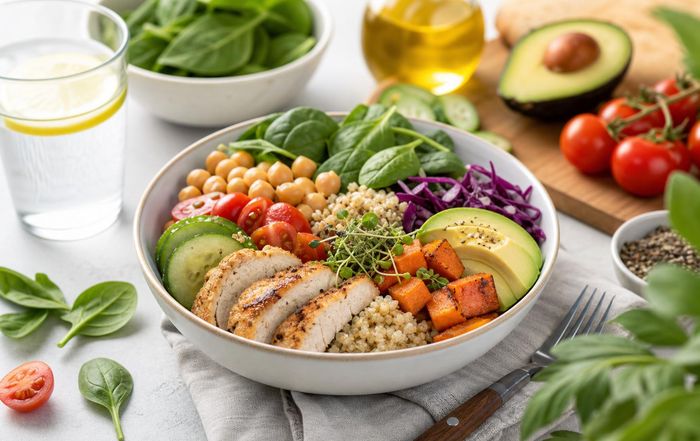
Lunch remains a critical pivot point in the workday, especially for women in leadership or high-responsibility roles, as it can either support a productive afternoon or trigger sluggishness and distraction. Healthy lunch recipes for everyday wellness often center on the concept of a balanced plate: half filled with vegetables, a quarter with lean protein, and a quarter with whole grains or other complex carbohydrates, in line with frameworks promoted by institutions such as Harvard Medical School and their guidance on building a healthy plate. In practical terms, this might look like a quinoa and roasted vegetable bowl with chickpeas and tahini dressing, a salad combining leafy greens, salmon, and lentils, or a warm dish of brown rice, tofu, and stir-fried vegetables seasoned with herbs and spices reflective of local cuisines in regions such as Southeast Asia or the Mediterranean.
For many readers of HerStage, particularly those who travel frequently between hubs like New York, London, Singapore, and Dubai, the challenge is less about knowledge and more about logistics; they may understand what a balanced lunch looks like but struggle to source or prepare it consistently in airports, hotel restaurants, or during back-to-back meetings. Here, the concept of "nutritional non-negotiables" becomes valuable: anchoring each lunch around a clear protein source, at least one serving of vegetables, and a minimally processed carbohydrate can guide choices even in constrained environments, helping women to maintain steady energy and cognitive clarity. The business and career sections on HerStage often highlight how such small, repeatable strategies contribute to long-term resilience, and readers seeking further guidance can consult global resources like Eatwell Guide from the UK's NHS or the Dietary Guidelines for Australians via the National Health and Medical Research Council to adapt these principles to local contexts.
Evenings and Recovery: Dinner as Restoration, Not Reward
As the workday concludes, many women across Europe, Asia, Africa, and the Americas experience a familiar pattern: fatigue, stress, and emotional depletion that can lead to impulsive food choices, late-night snacking, or reliance on convenience foods that undermine sleep quality and recovery. Healthy dinner recipes for everyday wellness, particularly in 2026, are increasingly designed to be both calming and restorative, emphasizing vegetables, lean proteins, and moderate portions of complex carbohydrates that support serotonin production and restful sleep without overloading the digestive system. Dishes such as baked salmon with roasted root vegetables, tofu and vegetable curries served with brown rice, or simple lentil stews with leafy greens are not only nutritionally balanced but also deeply comforting, making them effective alternatives to ultra-processed takeout. Those interested in how evening meals influence sleep and hormonal rhythms can explore insights from Sleep Foundation and its guidance on food and sleep quality.
Within the HerStage universe, dinner is often framed as an opportunity to reconnect with oneself or loved ones, to step away from screens, and to integrate mindfulness into daily life, reinforcing the platform's focus on lifestyle and emotional wellbeing. The lifestyle section often highlights how evening rituals, including cooking, can become grounding practices that counterbalance the intensity of modern work. For women in cities like Paris, Milan, Madrid, or São Paulo, where food culture is rich and social, adapting traditional recipes by slightly reducing saturated fats, increasing vegetable content, or moderating portion sizes allows them to preserve the pleasure and cultural significance of shared meals while aligning with contemporary health goals. Global resources such as the Mediterranean Diet guidelines from Oldways and the Mediterranean diet overview provide examples of how time-tested culinary traditions can inform modern wellness-oriented cooking, and many of these concepts can be translated across cuisines.
Snack Strategy: Small Choices with Outsized Impact
Snacks are often underestimated in their impact on everyday wellness, yet for many women navigating full schedules, they can account for a substantial portion of daily caloric and nutrient intake. In 2026, healthy snack recipes and strategies focus on minimizing ultra-processed options high in added sugars and refined starches, instead emphasizing whole or minimally processed foods that provide sustained energy and satiety. Simple combinations such as an apple with a handful of nuts, hummus with sliced vegetables, or a small portion of cheese with whole-grain crackers can help bridge the gap between meals and prevent the kind of extreme hunger that leads to overeating later in the day. For those seeking evidence-based guidance, organizations like American Heart Association offer insights on smart snacking, emphasizing the importance of fiber, protein, and healthy fats.
For the HerStage audience, especially women working in finance, law, technology, healthcare, and creative industries, snacks can also be reframed as strategic tools that support performance during critical windows such as afternoon presentations, late-night deadlines, or long commutes. By preparing or selecting snacks that align with their broader wellness goals, women reinforce a sense of agency and self-respect that echoes the themes explored in the platform's self-improvement and health content. Moreover, in regions like Scandinavia, Japan, and New Zealand, where there is strong cultural emphasis on natural foods and outdoor lifestyles, snack traditions often center on fruits, fermented dairy, or nuts, offering models that can be adapted globally. The key is not perfection but consistency: when most snack choices support stable energy and mood, occasional indulgences become part of a balanced lifestyle rather than sources of guilt or derailment.
Cultural Diversity and Inclusivity in Healthy Recipes
One of the defining characteristics of wellness in 2026 is a growing recognition that healthful eating must be culturally inclusive and adaptable, reflecting the diverse backgrounds and identities of women in regions such as Africa, South America, Asia, Europe, and North America. Rather than imposing a single "ideal" diet, nutrition experts and global organizations now emphasize flexible frameworks that can be tailored to local ingredients, culinary traditions, and economic realities; readers can see this shift reflected in resources from FAO and its work on sustainable healthy diets, which acknowledge the importance of cultural relevance. For the HerStage audience, which spans women in Lagos, Johannesburg, Rio de Janeiro, Bangkok, and beyond, this means that healthy recipes for everyday wellness might include West African stews rich in beans and vegetables, Brazilian dishes featuring black beans and rice, Thai curries with abundant herbs and vegetables, or Korean meals incorporating fermented foods like kimchi and seaweed.
This cultural inclusivity is not only a matter of representation but also a strategic advantage, as traditional cuisines often embody principles that modern nutrition science now validates, such as high plant diversity, use of fermented foods, and emphasis on whole grains and legumes. On HerStage, sections such as food and world highlight how women around the globe reinterpret their culinary heritage through a wellness lens, sharing recipes that are both deeply personal and broadly instructive. By embracing this diversity, the platform reinforces a key message: there is no single path to everyday wellness, but rather a spectrum of possibilities that can be aligned with one's values, resources, and cultural identity. This approach also helps counter the homogenizing influence of global ultra-processed food industries, encouraging women to reclaim agency over their diets in ways that feel authentic and sustainable.
Beauty, Fashion, and the Subtle Power of Nutrition
While healthy recipes are primarily discussed in terms of physical health and performance, they also intersect with beauty, fashion, and self-presentation, areas that are central to the HerStage editorial vision. In 2026, there is increasing awareness that skin health, hair strength, and overall appearance are influenced not only by topical products but also by internal factors such as hydration, micronutrient intake, and inflammation; readers curious about these connections can explore guidance from American Academy of Dermatology on nutrition and skin health. Diets rich in colorful fruits and vegetables, omega-3 fatty acids, and adequate protein support collagen production, reduce oxidative stress, and contribute to a more vibrant appearance, which in turn can enhance confidence in professional and social settings.
On HerStage, the beauty, fashion, and glamour sections often explore how inner wellbeing and outer style are intertwined, suggesting that a polished wardrobe and thoughtful skincare routine are most powerful when underpinned by a foundation of consistent, nourishing eating habits. For women in industries where visual presence is particularly scrutinized-such as media, entertainment, hospitality, and high-level client-facing roles-understanding this synergy can be especially empowering, allowing them to approach beauty not as an external pressure but as an integrated expression of health, identity, and professionalism. In this context, healthy recipes become part of a broader self-care ecosystem that supports not only longevity and performance but also the confidence to occupy space, claim authority, and express individuality.
Building a Personal Wellness Blueprint with HerStage
As women around the world navigate an increasingly complex landscape of information, expectations, and opportunities, the need for clear, trustworthy guidance on everyday wellness has never been greater. HerStage positions itself as a 100% original knowledge partner in this journey, curating insights that blend scientific rigor with lived experience, and translating high-level concepts into practical strategies that can be implemented in real kitchens, real offices, and real lives. The platform's interconnected sections-from women and leadership to health, food, and lifestyle-offer a holistic view of how healthy recipes for everyday wellness intersect with career, relationships, creativity, and global citizenship.
For the reader or subscriber, building a personal wellness blueprint begins with small, consistent commitments: choosing a balanced breakfast most days of the week, preparing simple lunches that sustain focus, crafting restorative dinners that support sleep, and selecting snacks that stabilize rather than sabotage energy. Over time, these choices accumulate into a powerful narrative of self-leadership and self-respect, reinforcing the message that health is not a side project but a central pillar of a thriving, influential life. As global conversations about sustainability, equity, and mental health continue to evolve, everyday food choices also become quiet acts of alignment with broader values, from supporting local agriculture to reducing food waste and embracing cultural diversity. In this sense, healthy recipes for everyday wellness are not only about what appears on the plate but also about the kind of world women are choosing to build, one intentional meal at a time, in partnership with independent original digital magazines like HerStage that champion their voices, ambitions, and wellbeing.
