
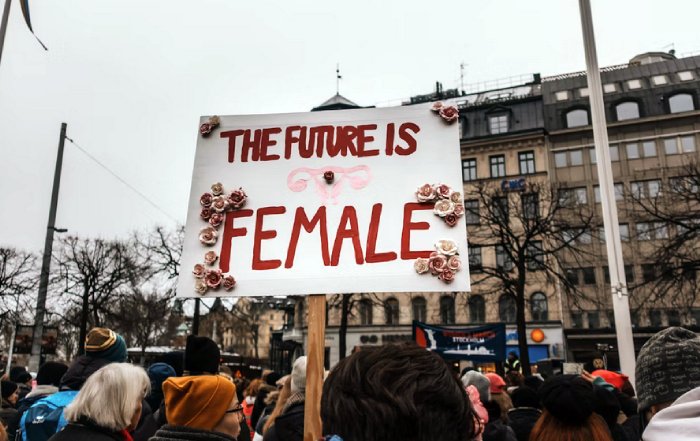
Women Shaping the Future of Work and Leadership in 2026
A Decisive Moment for Women and Work
By 2026, the relationship between women and work has moved far beyond the language of incremental progress and narrow debates about "fixing the pipeline." Instead, it has entered a decisive phase in which women are redesigning the very architecture of organizations, leadership, and careers for a digital, interconnected and increasingly unstable global economy. Across regions as diverse as North America, Europe, Asia-Pacific, Africa and South America, women are not simply adapting to the future of work; they are authoring it, often in ways that challenge long-standing assumptions about authority, value creation and what a successful life and career should look like.
For HerStage and its global readership, this transformation is not an abstract policy topic; it is a lived, daily reality that touches every dimension of modern life, from career development and leadership to lifestyle choices, wellbeing, self-improvement, and personal reinvention. The normalization of hybrid and remote work, the expansion of the creator and gig economies, the mainstreaming of sustainability, and the rapid deployment of artificial intelligence and automation have created an environment rich with opportunity but also fraught with complexity. Institutions such as UN Women, the World Economic Forum, the International Labour Organization and McKinsey & Company continue to document progress and persistent gaps, offering a structural backdrop to the lived stories that unfold every day in offices, co-working spaces, studios, factories and home workspaces around the world. Readers who want to understand the global context can explore gender parity trends through the World Economic Forum's Global Gender Gap Report or review labor force data from the International Labour Organization.
What distinguishes the current moment is the convergence of three forces: the maturity of digital work models, the visibility of women's leadership across sectors, and a growing insistence on aligning ambition with wellbeing and values. From New York, Toronto and London to Berlin, Stockholm, Singapore, Seoul and Sydney, women are experimenting with new ways of organizing teams, sharing power, building brands and integrating work with the rest of life. This is the narrative that HerStage is dedicated to amplifying: women as protagonists in the reinvention of work, not as exceptions or symbolic figures, but as credible, experienced and authoritative leaders in their own right.
Redefining Leadership for a Volatile World
Traditional leadership models built on rigid hierarchies, command-and-control decision-making and a narrow focus on short-term financial metrics are increasingly misaligned with a world characterized by geopolitical uncertainty, technological disruption and rapidly shifting social expectations. In their place, more adaptive, empathetic and inclusive approaches are emerging, and women are playing a central role in defining these models at scale. Research from institutions such as Harvard Business School and MIT Sloan School of Management continues to demonstrate that leadership styles emphasizing collaboration, psychological safety, emotional intelligence and long-term thinking correlate strongly with innovation, employee engagement and organizational resilience. Those interested in the academic foundations of these shifts can explore leadership insights at Harvard Business Review or management research at MIT Sloan Management Review.
Across sectors including finance, technology, healthcare, education, fashion, media and the public sector, women leaders are showing that authority can be grounded in credibility, consistency and ethical clarity rather than volume or positional power. Boards and executive teams in the United States, United Kingdom, Germany, Canada, Australia, France and other advanced economies are increasingly aware that gender-diverse leadership is not simply a fairness imperative but a source of competitive advantage. Analyses from McKinsey & Company and other institutions have repeatedly linked diversity in leadership with stronger financial performance and more robust risk management, a theme that aligns closely with the strategic concerns of senior decision-makers. Executives and emerging leaders can deepen their understanding of these dynamics by reviewing diversity and performance research in McKinsey's Women in the Workplace studies or corporate governance guidance from the OECD.
For the HerStage audience, however, leadership is never purely a corporate construct. It is also an intensely personal journey that requires navigating trade-offs between visibility and privacy, ambition and rest, cultural expectations and individual values. Women leading teams in London, Zurich or Amsterdam confront different constraints than those in Bangkok, Lagos or Buenos Aires, yet they share a common challenge: how to lead with integrity while remaining grounded in their own lives. On HerStage Leadership, readers explore questions of influence, authenticity, and impact alongside themes of identity, mindfulness and emotional health, reflecting a holistic understanding of leadership that aligns with contemporary research on sustainable performance.
The Hybrid, Digital and Distributed Workplace
By 2026, hybrid and distributed work models have moved from experimentation to normalization in many industries, particularly in knowledge-based sectors across North America, Europe and parts of Asia-Pacific. Women have been central to this transition-as decision-makers in HR and technology, as advocates for flexibility, and as early adopters of digital collaboration tools. What began as a crisis response during the COVID-19 pandemic has evolved into a long-term reconfiguration of how work is structured, measured and experienced.
Reports such as Microsoft's Work Trend Index and analyses from Deloitte Insights have highlighted the dual nature of hybrid work for women. On one hand, reduced commuting, greater location flexibility and asynchronous collaboration can expand opportunities, particularly for women balancing caregiving responsibilities or living outside traditional economic hubs. On the other hand, digital overload, blurred boundaries between work and home, and subtle forms of proximity bias can undermine these gains if organizations fail to redesign systems and norms accordingly. Professionals seeking to understand these dynamics can explore evolving workplace practices through Microsoft's Work Trend Index or the future of work resources at Deloitte Insights.
Women professionals in the United States, United Kingdom, Germany, the Netherlands, Sweden, Singapore, Japan, South Korea and beyond are responding by investing in advanced digital skills, refining personal productivity systems and learning to manage visibility in both physical and virtual spaces. On HerStage, conversations within career and business coverage emphasize practical strategies for negotiating flexible arrangements, leading hybrid teams, and using digital platforms to build thought leadership and professional networks. The ability to curate a coherent, credible digital presence-through platforms such as LinkedIn, personal websites and carefully managed social channels-has become a core leadership competency, particularly for women who may still confront outdated stereotypes about authority and expertise.
Women in the AI-Driven and Data-Intensive Economy
Artificial intelligence, automation and data-intensive business models are reshaping industries at a speed that would have been difficult to imagine even a decade ago. For women, this transformation carries both risks and opportunities. Studies from organizations such as The World Bank and the OECD indicate that roles with high levels of routine tasks, many of which are disproportionately held by women in sectors like administration, retail and some service industries, are more susceptible to automation. At the same time, the rapid growth of roles in data science, machine learning, AI ethics, product management and human-centered design offers new pathways for women who can access the necessary training and networks. Readers seeking a deeper understanding of these macro trends can review digital transformation analyses from The World Bank or explore the OECD's Future of Work resources.
Around the world, governments, universities, corporations and non-profits are investing in initiatives to increase women's participation in STEM and AI-related fields. Organizations such as Girls Who Code, Women in AI, Black Girls Code, and UNESCO are playing visible roles in expanding access, building confidence and creating communities of practice for women and girls. Countries including Germany, Sweden, Norway, Singapore, South Korea and Japan have launched scholarship programs, reskilling grants and public-private partnerships to accelerate women's digital upskilling. Those interested in practical learning pathways can explore resources highlighted in UNESCO's digital education initiatives or examine responsible AI frameworks through institutions like The Alan Turing Institute.
For the HerStage community, the AI revolution is not just a technical story; it is a question of power, fairness and long-term career resilience. Women are asking how algorithmic decision-making in recruitment, performance evaluation, lending and healthcare can be audited and governed to avoid replicating historical bias. Through sections such as education and guide, HerStage offers accessible guidance on understanding AI tools used in workplaces, building digital literacy, and using generative AI to augment creativity and productivity while retaining human judgment and ethical responsibility.
Entrepreneurship and the Purpose-Driven Economy
Parallel to changes within large organizations, women are increasingly turning to entrepreneurship as a deliberate strategy to gain autonomy, express their values and create wealth on their own terms. Across the United States, Canada, the United Kingdom, France, Italy, Spain, the Netherlands, Switzerland, China, India, South Africa, Brazil, Malaysia, Australia and New Zealand, women-led ventures are gaining prominence in digital health, sustainable fashion, clean beauty, food innovation, fintech, edtech and the broader creative economy. Data from The Global Entrepreneurship Monitor and The World Bank shows that women's entrepreneurship is expanding in both advanced and emerging markets, even as structural barriers remain. Readers can explore cross-country data on these trends through the Global Entrepreneurship Monitor or gender and finance insights via the World Bank's Gender Data Portal.
Funding, however, remains a stubborn challenge. Despite increased visibility and advocacy, women-founded startups in major venture capital hubs such as Silicon Valley, London, Berlin and Singapore still capture a disproportionately small share of total investment capital. Organizations such as All Raise, Female Founders Fund, European Women in VC and SheEO are working to shift this landscape by building communities of women investors, fostering mentorship networks and advocating for more inclusive investment practices. Founders and aspiring entrepreneurs can learn more about these evolving ecosystems through resources from All Raise or by following startup and innovation coverage at TechCrunch.
On HerStage, entrepreneurship is portrayed not only as a business strategy but as a comprehensive lifestyle and identity choice that intersects with fashion, beauty, food, wellbeing and creative expression. Many women founders are building brands that mirror their own aesthetics and ethics: sustainable fashion labels that prioritize traceable supply chains across Europe and Asia; clean beauty ventures that challenge long-standing norms in North America and the Middle East; food and wellness companies that draw on local traditions in Latin America, Africa and Southeast Asia. These purpose-driven businesses often embed social impact into their core models through fair labor practices, climate-conscious operations and community reinvestment, aligning with broader global efforts to learn more about sustainable business practices.
Wellbeing, Mindfulness and the Pace of Ambition
As women assume greater responsibility in leadership and entrepreneurial roles, the sustainability of ambition-personal as much as professional-has become a central concern. Rising levels of burnout, chronic stress and mental health challenges have been documented in numerous studies across the United States, United Kingdom, Germany, Canada, Australia and other advanced economies, with professional women often at the intersection of intense work demands, caregiving responsibilities and societal expectations about appearance, lifestyle and success. Health organizations such as the World Health Organization and Mayo Clinic have underscored the health consequences of chronic stress and overwork, while highlighting the protective role of sleep, movement, social connection and mindfulness-based practices. Readers can explore evidence-based guidance on mental health and stress through the World Health Organization or wellbeing research from Mayo Clinic.
This reality has catalyzed a global shift toward more intentional, values-aligned ways of working and living. Women professionals in cities such as New York, Los Angeles, London, Paris, Berlin, Copenhagen, Singapore, Bangkok, Tokyo and Wellington are integrating practices like meditation, yoga, journaling, nature-based activities and digital boundaries into their routines, not as indulgences but as core productivity and resilience strategies. On HerStage, the intersection of health, mindfulness, lifestyle and self-improvement is a recurring editorial focus, with an emphasis on practical, realistic approaches that acknowledge the pressures of global business while honoring the need for rest and renewal.
The cultural aesthetics of ambition are evolving as well. Instead of glorifying constant hustle and exhaustion, more women are embracing a definition of success that includes time for relationships, creative pursuits, glamour, community involvement and inner growth. Media, fashion and beauty industries are beginning to respond by elevating narratives and imagery that celebrate diverse life stages, body types, cultural backgrounds and professional paths. Organizations such as the Global Wellness Institute and platforms like Mindful.org provide additional frameworks for understanding how wellbeing and high performance can support rather than undermine each other, a perspective that aligns closely with HerStage's editorial voice and the lived priorities of its readers.
Global and Regional Nuances in Women's Leadership
While the story of women shaping the future of work is global, it is not uniform. Legal frameworks, cultural norms, economic structures and demographic trends shape women's experiences of work and leadership differently across regions. In the Nordic countries-Sweden, Norway, Denmark and Finland-robust social safety nets, parental leave policies and childcare support have produced relatively high levels of women's labor force participation and leadership, even as challenges remain in sectors such as technology and finance. In the United States and parts of North America, debates around childcare affordability, reproductive rights and workplace flexibility continue to influence women's career decisions and leadership trajectories.
In Europe's major economies, including Germany, France, Italy, Spain and the Netherlands, corporate governance reforms and diversity targets are gradually reshaping boardrooms, while entrepreneurial ecosystems in cities such as Berlin, Paris, Barcelona and Amsterdam are seeing a rise in women-led ventures. In Asia, countries like Singapore, Japan, South Korea, Thailand and China are grappling with aging populations, talent shortages and the need to fully leverage women's education and skills to sustain growth. Across Africa and South America, women are pivotal actors in both formal and informal economies, leading innovations in digital commerce, agriculture, renewable energy and the creative industries. International organizations such as UN Women and the International Monetary Fund have repeatedly emphasized that advancing women's economic participation is one of the most powerful levers for inclusive growth and social stability. Readers can explore these policy perspectives through UN Women's economic empowerment resources or gender-focused macroeconomic analyses at the IMF's gender and economy hub.
For HerStage, which serves a readership spanning the United States, United Kingdom, Germany, Canada, Australia, France, Italy, Spain, the Netherlands, Switzerland, China, Sweden, Norway, Singapore, Denmark, South Korea, Japan, Thailand, Finland, South Africa, Brazil, Malaysia, New Zealand and beyond, these regional nuances are central to how content is curated and framed. Coverage in world and business sections highlights both the structural barriers and the local innovations that shape women's opportunities, while personal narratives provide a textured understanding of how women navigate these environments in practice. In doing so, HerStage operates as both a mirror, reflecting diverse realities, and a bridge, connecting women across borders through shared ambitions and experiences.
The HerStage Lens: Integrating Work, Life and Identity
What differentiates HerStage in the crowded landscape of business and lifestyle media is its commitment to treating women's careers and leadership journeys as inseparable from the broader tapestry of their lives. Rather than siloing content into narrow categories, HerStage recognizes that the same woman who is negotiating a promotion, raising capital or leading a global team is also making decisions about her lifestyle, beauty, fashion, health, relationships, nutrition, rest and creative expression. These dimensions influence and reinforce one another, shaping confidence, presence, energy and long-term resilience.
By bringing together insights on leadership, career, self-improvement, guide, food, mindfulness and global trends under one digital roof, HerStage offers a holistic lens on what it means for women to shape the future of work in 2026. This integrative approach resonates with emerging research from institutions such as Stanford Graduate School of Business and London Business School, which highlights that sustainable leadership is rooted not only in strategic and analytical capabilities but also in identity, purpose and personal wellbeing. Readers interested in these perspectives can explore leadership and life design research through Stanford's leadership programs or executive education insights at London Business School.
As the global economy continues to evolve under the influence of AI, climate risk, geopolitical fragmentation and demographic change, the need for trusted, experience-based guidance will only intensify. HerStage aims to meet that need by elevating voices that embody expertise, authoritativeness and trustworthiness, while remaining attuned to the personal realities, aspirations and constraints of women in different regions and life stages. Whether readers arrive seeking career strategies, wellness practices, leadership insights or inspiration for everyday style, they encounter a coherent narrative: that their professional and personal lives are not in competition, but part of a single, evolving story.
Looking Ahead: Women as Architects of the Next Decade
Standing in 2026, it is increasingly clear that women are not peripheral participants in the future of work and leadership; they are among its principal architects. They are designing AI systems that reflect ethical and inclusive values, building companies that embed sustainability and social impact into their core, leading complex organizations through volatility, and redefining success to encompass wellbeing, creativity, community and contribution. From boardrooms in New York and London to innovation hubs in Berlin and Singapore, from entrepreneurial ecosystems in Nairobi to creative communities in Melbourne and Montreal, women are reshaping the norms and narratives that will guide the next decade of economic and social life.
The path forward, however, is neither linear nor guaranteed. Structural inequalities, cultural biases, underinvestment in care infrastructure, funding gaps and policy shortcomings remain significant obstacles, especially for women at the intersections of race, class, geography, disability and other identities. Yet the momentum is real, fueled by networks of women who share knowledge and resources, by allies who recognize that equity is a strategic necessity, and by platforms like HerStage that provide a visible, credible stage for women's stories, strategies and visions.
For business leaders, policymakers, educators and creators who seek to build resilient, innovative and humane organizations, paying close, sustained attention to how women are shaping the future of work is no longer optional; it is a strategic imperative. For the women who make up the HerStage community across continents, the invitation is to see themselves not only as beneficiaries of change but as its authors-crafting careers, companies, cultures and lifestyles that reflect their deepest values and highest aspirations.
In this unfolding narrative, HerStage stands as a dedicated partner, curating insight, amplifying expertise and celebrating the many ways women are transforming work and leadership across the world, one decision, one conversation and one bold step at a time. Readers who wish to explore this journey in greater depth can continue to discover new perspectives and stories across HerStage, where the future of work is always viewed through the lived experiences of the women who are shaping it.
