
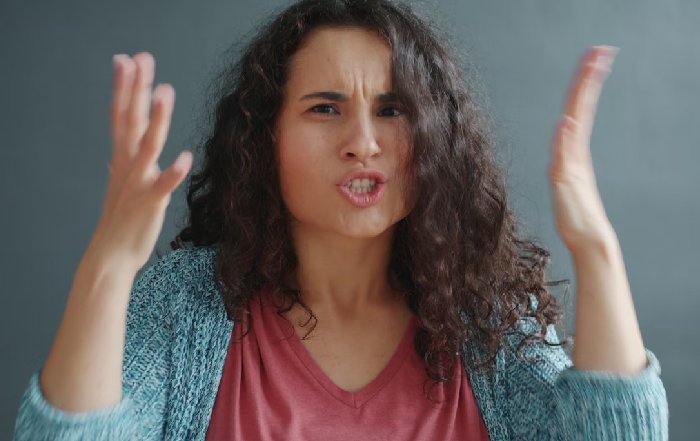
The Subtle Signals of Powerful Body Language
Body language has always been a quiet force in human interaction, yet today its impact on leadership, career progression, cross-cultural collaboration, and personal wellbeing is more visible than ever. In a world increasingly mediated by screens and hybrid work environments, the ability to project presence, confidence, and empathy without saying a word has become a strategic advantage, especially for women navigating global business and public life. On HerStage, where conversations around women, lifestyle, leadership, self-improvement, and global careers converge, body language is not a superficial detail but a core component of how women claim space, communicate authority, and build trust across industries and cultures.
Why Body Language Matters More Than Ever in 2026
As organizations across the United States, Europe, Asia, Africa, and South America continue to embrace hybrid work models, the subtle signals communicated through posture, eye contact, facial expression, and gestures are increasingly scrutinized in both physical and virtual settings. Research shared by institutions such as Harvard Business School and Stanford Graduate School of Business has long emphasized the role of nonverbal communication in leadership presence and perceived competence, and recent developments have only heightened this focus as leaders adapt to video-first communication and multicultural teams. In meetings that span New York, London, Berlin, Singapore, and Sydney, the person who appears attentive, composed, and grounded often exerts more influence than the person who simply speaks the most.
For women who read HerStage and are committed to shaping their own narratives in business, politics, education, and creative industries, understanding these subtle signals is not about conforming to outdated expectations; it is about using nonverbal intelligence deliberately to reinforce their voice rather than diminish it. Readers who explore leadership themes on HerStage Leadership or career strategy on HerStage Career will recognize that body language is inseparable from executive presence, negotiation outcomes, and the ability to manage complex stakeholder relationships in global markets.
The Science Behind Nonverbal Influence
Over the past decade, behavioral scientists and psychologists have refined our understanding of nonverbal communication, moving beyond simplistic myths about "93 percent of communication being nonverbal" toward more nuanced insights. Organizations such as The American Psychological Association and research hubs like MIT Media Lab have shown that nonverbal cues work in concert with verbal content, context, and relational history to shape how messages are interpreted. A confident stance without warmth can be perceived as arrogance, while warmth without structure can be interpreted as lack of authority, especially in high-stakes environments such as boardrooms, investor pitches, or international negotiations.
Studies from institutions like University College London and The University of Toronto suggest that observers form impressions of competence and trustworthiness within milliseconds, often based on facial expressions, posture, and micro-expressions that the speaker is not consciously aware of. In leadership roles, this means that a leader's default posture and resting facial expression can either support or undermine their strategic messaging. Those exploring personal growth and emotional intelligence on HerStage Self-Improvement can benefit from understanding how these subconscious evaluations influence promotions, media portrayals, and public trust.
Posture: The Architecture of Presence
Posture is one of the most visible and powerful elements of body language, functioning as the architectural framework of presence. In business environments from Toronto to Tokyo, the way a woman occupies physical space signals how she sees herself and how she expects others to treat her. A grounded, upright posture with shoulders relaxed and spine aligned conveys a blend of confidence and composure that is highly valued in leadership roles, while collapsed shoulders, a bowed head, or a torso that leans excessively backward can subtly communicate disengagement, insecurity, or defensiveness.
Physiologically, posture is interconnected with breathing, vocal projection, and cognitive performance. Health organizations such as Mayo Clinic and Cleveland Clinic have highlighted the impact of posture on musculoskeletal health, stress levels, and even energy, which in turn influence how a person shows up in demanding professional settings. For readers of HerStage Health, cultivating posture is not only about aesthetics; it is about resilience, stamina, and the ability to maintain focus during long days of negotiations, travel, and decision-making.
In global contexts, posture also intersects with cultural norms. In Germany, Switzerland, and the Nordic countries, a straight yet relaxed posture is often associated with professionalism and reliability, while in parts of Asia, an overly expansive stance can be interpreted as disrespectful or aggressive. Women leading international teams must therefore calibrate their physical presence to align with local expectations while still preserving their sense of authority and authenticity.
Eye Contact and the Power of Attentive Presence
Eye contact remains one of the most potent nonverbal signals of credibility and engagement, though its meaning varies significantly across cultures. In North America and much of Western Europe, steady but not unbroken eye contact is often interpreted as a sign of confidence, honesty, and interest. In contrast, in some East Asian cultures, prolonged direct eye contact, particularly with senior figures, may be perceived as confrontational or disrespectful, leading professionals from Japan, South Korea, or China to favor more fleeting glances or indirect gaze as a sign of deference.
Organizations such as The World Economic Forum and McKinsey & Company have emphasized that inclusive leadership in multicultural teams requires sensitivity to these differences, especially as video conferencing has become standard in global collaboration. Leaders who maintain an open, attentive gaze toward the camera, nod periodically, and occasionally glance at participants' video feeds tend to be perceived as more engaged and empathetic, which can be especially important for women who are combating stereotypes that question their authority or decisiveness. Those interested in global trends and diplomacy can explore broader context on HerStage World, where the interplay between culture and communication is a recurring theme.
Eye contact is also closely tied to active listening. When a leader in London or Singapore maintains soft, sustained eye contact while another person speaks, mirrors their emotional tone, and waits a beat before responding, the speaker often feels more respected and understood. This sense of psychological safety can lead to more candid feedback, stronger team cohesion, and better decision-making, all of which are essential in volatile markets and complex regulatory environments.
Facial Expressions: The Silent Narrative
The human face is capable of thousands of micro-expressions, many of which occur below conscious awareness yet exert a profound influence on interpersonal dynamics. Neuroscientists and behavioral experts, including those whose work is summarized by The Greater Good Science Center at UC Berkeley, have demonstrated that people across cultures can recognize core emotions such as happiness, sadness, anger, surprise, fear, and disgust, although the display rules governing when and how these emotions are expressed differ widely. For women in leadership, the challenge often lies in balancing authenticity with strategic composure, particularly under scrutiny from media, investors, or political opponents.
In boardrooms from New York to Paris, a leader whose facial expression remains chronically tense, skeptical, or impatient may inadvertently signal that she is closed to new ideas or critical of her team, even when her words express support. Conversely, a leader who smiles frequently but lacks congruence between facial expression and verbal message may be perceived as inauthentic or overly accommodating. Business publications such as Harvard Business Review have argued that congruence between verbal and nonverbal communication is a key component of trustworthiness, reinforcing the importance of self-awareness and emotional regulation for executives.
For readers of HerStage Beauty and HerStage Glamour, facial expressions intersect with questions of image, media representation, and the politics of appearance. In public-facing roles, women are often evaluated not only on what they say but on how "approachable" or "likable" they appear, metrics that are frequently influenced by ingrained biases. Understanding how a neutral expression may be interpreted and how subtle adjustments-such as a slight softening of the eyes or a more relaxed jaw-can shift perceptions allows women to maintain their authenticity while navigating a world that still scrutinizes their faces more intensely than those of their male counterparts.
Gestures and Hand Movements: Framing the Message
Gestures and hand movements act as visual punctuation marks that frame and emphasize spoken content, often making complex ideas more memorable and persuasive. Communication experts at institutions such as The University of Oxford and Carnegie Mellon University have documented how purposeful gestures can aid both speaker and listener by externalizing abstract concepts, structuring arguments, and reinforcing key points. In leadership presentations, investor pitches, or conference keynotes, open-handed gestures at chest level, palms slightly up, are frequently associated with transparency and collaboration, while tightly clenched fists, pointing fingers, or hidden hands can signal defensiveness, aggression, or lack of confidence.
In multicultural environments, the meaning of specific gestures can vary dramatically, making cultural literacy indispensable for global leaders. A gesture that is considered friendly in Brazil or Italy may be inappropriate in Japan or the United Arab Emirates, and professionals who work across continents must invest time in understanding these nuances. Resources such as The Hofstede Insights network and cross-cultural communication texts help explain how gestures are embedded in cultural norms, yet the most reliable guidance often comes from observing local leaders and asking respectful questions.
For readers focused on professional growth through HerStage Business and HerStage Women, cultivating deliberate gestures is part of building a coherent leadership brand. When a woman in Toronto or Cape Town uses steady, measured hand movements aligned with her key messages, she not only appears more confident but also feels more in control of the interaction, as body position and gesture can feed back into emotional state, reinforcing calm and clarity.
Spatial Dynamics and the Politics of Space
How people use physical space-often referred to as proxemics-communicates power, intimacy, hierarchy, and cultural values. In many Western corporate environments, occupying a larger share of physical space, standing tall, and moving confidently through a room are associated with leadership and authority. In contrast, in some Asian and Scandinavian contexts, modest use of space and a more contained physical presence can signal respect, professionalism, and restraint. These differences become particularly salient in multinational organizations headquartered in cities such as London, Amsterdam, Singapore, and Seoul, where teams must navigate overlapping spatial expectations.
Researchers influenced by the work of Edward T. Hall and contemporary sociologists have emphasized that spatial norms are evolving as workplaces adopt more open, flexible layouts and as remote work changes how people experience proximity. Even on video calls, spatial dynamics matter: the framing of the camera, the distance between the person and the lens, and the visible background all contribute to perceptions of status and approachability. Leaders who position themselves centrally in the frame, maintain an appropriate distance from the camera, and curate a professional yet personal backdrop tend to project greater credibility and relatability.
For those exploring lifestyle and workspace design on HerStage Lifestyle, spatial awareness extends beyond the office. The way a woman enters a conference hall in Dubai, hosts a client dinner in Madrid, or moderates a panel in Johannesburg reflects her comfort with visibility and influence. Intentionally choosing where to sit, how to stand during networking conversations, and how to move between groups allows her to manage her presence strategically while respecting local customs.
Virtual Body Language in a Hybrid World
Since the early 2020s, the rise of hybrid work has transformed the canvas on which body language is expressed. Video platforms, digital collaboration tools, and virtual events have introduced new channels for nonverbal communication while also constraining others. Technology firms such as Microsoft, Zoom, and Google have incorporated features designed to mimic or enhance physical cues-such as hand-raise icons, virtual reactions, and improved eye-contact simulation-yet the fundamentals of presence remain rooted in posture, eye alignment, and facial expression.
Experts in digital communication, including those featured by MIT Sloan Management Review, emphasize that virtual body language requires intentional adaptation. Looking at the camera rather than the screen when speaking, using slightly more pronounced facial expressions and gestures to compensate for reduced sensory richness, and maintaining a stable, well-lit environment are all strategies that enhance clarity and connection. For women leading teams across time zones, these practices can counteract the "flattening" effect of digital communication, in which nuance and warmth are easily lost.
Readers who are building location-independent careers or engaging in global collaboration can find complementary guidance on HerStage Guide, where practical strategies for thriving in digital-first environments intersect with discussions of wellbeing, focus, and professional boundaries. As work continues to evolve across continents-from remote roles in Canada and New Zealand to hybrid models in France, Italy, and Singapore-virtual body language will remain a central skill for sustaining influence and trust.
Body Language, Bias, and Gendered Expectations
Any discussion of powerful body language for women must acknowledge the complex web of gendered expectations and biases that shape how the same behavior is interpreted differently depending on who displays it. Social psychologists and organizations such as LeanIn.Org and Catalyst have documented that women who exhibit traditionally "powerful" nonverbal signals-such as expansive posture, strong eye contact, and decisive gestures-may be judged as less likable or "too aggressive," particularly in cultures or industries that still cling to stereotypical views of femininity. Conversely, women who adopt more traditionally "feminine" nonverbal signals-such as smaller physical presence, frequent nodding, and deferential posture-may be seen as more likable but less competent or leadership-ready.
This double bind is felt acutely by women at senior levels in finance, technology, law, and politics in cities like New York, London, Frankfurt, Hong Kong, and Johannesburg, where expectations around authority and assertiveness are high yet often coded in masculine terms. Navigating this terrain requires a nuanced approach that blends confidence with warmth, clarity with empathy, and decisiveness with openness. Articles on HerStage Education and HerStage Mindfulness underscore that self-awareness, emotional regulation, and values-based decision-making are essential tools for resisting the pressure to conform to limiting stereotypes while still achieving strategic objectives.
Organizations committed to diversity, equity, and inclusion, such as UN Women and The International Labour Organization, continue to advocate for structural changes that reduce the burden on individuals to manage bias through self-presentation alone. Nevertheless, for the individual woman navigating daily interactions, body language remains a practical lever she can control, allowing her to project the identity and influence she has worked hard to build.
Integrating Body Language with Wellbeing and Authenticity
Powerful body language is most sustainable when it is grounded in genuine wellbeing and aligned with a person's values, rather than being a mask worn solely for external approval. Chronic stress, burnout, and lack of sleep inevitably manifest in posture, facial tension, and micro-expressions, undermining even the most carefully curated nonverbal strategies. Health organizations such as The World Health Organization and The National Institutes of Health have warned of the long-term impact of unmanaged stress on mental and physical health, prompting many professionals to integrate mindfulness, movement, and restorative practices into their routines.
Readers who explore HerStage Food and HerStage Fashion understand that nourishment and clothing choices also contribute to how body language is expressed. Clothing that fits well, respects cultural norms, and aligns with a woman's personal style can enhance her sense of comfort and authority, which in turn affects how she moves and stands. Similarly, a balanced diet and regular physical activity support energy levels and posture, making it easier to sustain a confident presence throughout demanding days.
Mindfulness and somatic awareness practices-such as those promoted by Headspace, Mindful.org, and leading wellness coaches-help individuals notice habitual tension patterns, breathing restrictions, and automatic gestures that may not serve their goals. By cultivating the capacity to pause, ground themselves, and adjust their posture or expression in real time, women can bring their nonverbal communication into alignment with their intentions, rather than being driven by stress or old habits.
The Future of Body Language in a Data-Driven Era
As artificial intelligence, biometric sensors, and behavioral analytics become more integrated into workplace tools, body language is entering a new phase in which it is not only observed by humans but also interpreted by algorithms. Technology companies and research institutions are experimenting with systems that analyze facial expressions, voice tone, and posture to assess engagement, emotional state, or even potential risk, raising both opportunities and ethical concerns. Organizations like The Brookings Institution and The Electronic Frontier Foundation have called for robust safeguards around privacy, consent, and bias in these technologies, especially given the risk of misinterpreting nonverbal cues across cultures and genders.
For readers of HerStage, this emerging landscape underscores the importance of retaining agency over one's own body language while advocating for transparent and fair use of behavioral data. As companies explore tools that claim to measure "engagement" or "credibility" based on nonverbal signals, women and underrepresented professionals must be vigilant about how these systems are designed, validated, and deployed. At the same time, there is potential for technology to support personal development, for example through feedback tools that help speakers refine their posture, eye contact, and gestures for public speaking or media appearances.
In this evolving context, the core principles remain constant: authenticity, respect, cultural sensitivity, and alignment between inner experience and outer expression. Readers who navigate the diverse content on HerStage-from leadership strategy to wellness, from global affairs to personal style-will recognize that body language sits at the intersection of all these domains, shaping how women are seen, heard, and remembered.
Conclusion: Owning the Quiet Power of Presence
The subtle signals of powerful body language are not a collection of tricks to be memorized but a language of presence that can be learned, refined, and consciously inhabited. In 2026, as women lead organizations, build startups, negotiate international agreements, and shape cultural narratives from the United States to South Africa, from Sweden to Brazil, their ability to project confidence, empathy, and clarity without saying a word remains a decisive factor in their impact. On HerStage, where the stories, aspirations, and strategies of women around the world are brought into focus, body language is recognized as both an art and a discipline-one that honors individuality while equipping women to navigate complex, often biased environments with intelligence and grace.
By integrating insights from psychology, cross-cultural communication, digital collaboration, and wellbeing, women can transform their body language from an unconscious habit into a deliberate expression of leadership. Whether stepping onto a stage in London, joining a virtual board meeting from Melbourne, mentoring a rising leader in Nairobi, or negotiating a partnership in São Paulo, they carry with them the quiet power of posture, gaze, gesture, and space. In claiming that power, they do more than enhance their own careers; they reshape the visual vocabulary of leadership itself for the generations who will follow.
