
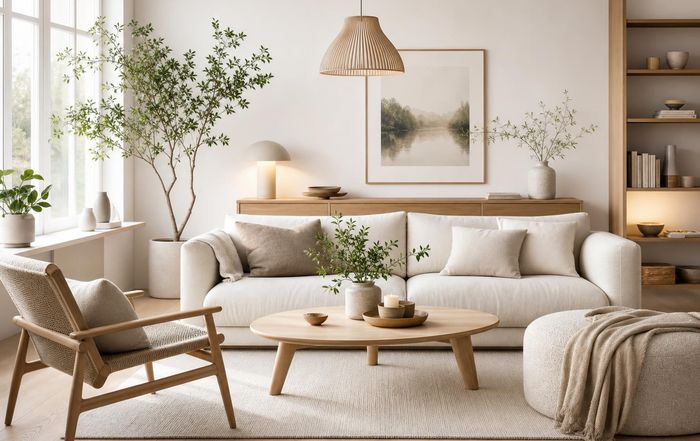
Scandinavian Design Ideas for a Calmer Home
Scandinavian interiors are often associated with clean lines, pale wood, and white walls, but the real heart of the style is something deeper: a calm, human-centered way of living. Rooted in the Nordic concept of "lagom" (roughly, "just enough") and the Danish idea of "hygge" (cozy contentment), Scandinavian design is less about buying a specific chair and more about creating a home that supports rest, focus, and connection. For many women juggling work, caregiving, and personal ambitions, this quieter, intentional approach to space can be a powerful form of self-care. A calmer home will not fix a stressful job or an overloaded schedule, but it can become a daily anchor-visually soothing, practical to maintain, and emotionally grounding.
This modern guide explores how to translate Scandinavian design principles into real homes and real lives, whether that means a shared apartment, a family house, or a small studio. It focuses on choices that reduce visual noise, support mental health, and make everyday routines smoother. Rather than chasing a "perfect" aesthetic, the emphasis here is on creating rooms that feel kind to the people who live in them. Along the way, there are practical ideas you can adapt to your own budget, culture, and climate, while still honoring the core Nordic principles of simplicity, light, and warmth.
To deepen your exploration of design and lifestyle, you may also find inspiration in broader lifestyle and self-improvement content, particularly if you are reshaping your home as part of a wider life transition.
The psychology behind Scandinavian calm
The popularity of Scandinavian interiors is not just a visual trend. Environmental psychologists have long noted that cluttered, noisy spaces can increase stress hormones and reduce our ability to focus. Research summarized by organizations such as the American Psychological Association highlights how visual overload and constant decision-making ("Where does this go? Why is that there?") drain mental energy. Scandinavian design responds to this by reducing unnecessary stimuli and emphasizing order, light, and natural materials, which many people find soothing.
Nordic interiors also evolved in response to long, dark winters in countries like Sweden, Norway, and Denmark, where maximizing daylight and creating warm, social interiors is a practical necessity. Concepts like hygge and lagom, popularized globally through books and media, are grounded in this reality: the home must be a place where people genuinely want to spend time. Organizations such as Visit Denmark and Visit Sweden have used these ideas to explain why Nordic cultures put such emphasis on candles, textiles, and simple, shared meals rather than ornate décor. While not everyone lives in a cold climate, the underlying logic-designing for emotional comfort, not display-travels well.
For readers interested in how environment shapes wellbeing, bodies like the World Health Organization and universities such as Harvard and UCL have increasingly explored the links between housing quality, mental health, and social connection. Scandinavian design does not "solve" these issues, but it offers a practical framework: reduce friction in daily life, remove visual chaos, and prioritize spaces where people can rest, read, and talk without constant distraction. This aligns closely with broader conversations about mindfulness and intentional living that many women are integrating into their careers and family routines.
Start with light: the foundation of Nordic interiors
In Nordic homes, light is treated almost like a material in its own right. Because much of the region spends months with limited daylight, interiors are designed to catch, reflect, and gently diffuse every ray. For anyone seeking a calmer home, this focus on light is a powerful starting point. Bright, evenly lit spaces tend to feel more spacious and less oppressive, while harsh or gloomy lighting can make even a tidy room feel draining.
The classic Scandinavian white wall is not about sterility; it is a practical way to bounce light around a room. Off-whites and very pale neutrals-soft ivory, warm greige, or light sand-avoid the coldness of stark white while still reflecting light effectively. Paint companies in Scandinavia and beyond often recommend warm undertones to counteract grey climates, and that advice is useful in many other regions as well, especially if your home lacks generous sunlight. Pairing these walls with light wood floors or simple, flat-woven rugs in pale tones further enhances the effect, creating a sense of airiness even in smaller apartments.
Window treatments are another key element. Instead of heavy drapes, Nordic interiors often use sheer curtains, linen panels, or blinds that can be fully raised during the day. The goal is to keep windows as clear as privacy allows. If street-level living makes this challenging, layered solutions-such as sheer curtains combined with simple roller blinds-can preserve both light and discretion. Where privacy is not a major issue, leaving windows almost bare can transform the feel of a room without any structural changes. For renters or those on a tight budget, simply removing dark, bulky curtains and replacing them with light, inexpensive sheers can have a surprisingly large impact.
Artificial lighting is treated with equal care. Rather than relying on one overhead fixture, Scandinavian homes typically use layers of light: a ceiling lamp, a floor lamp near a reading chair, a table lamp on a sideboard, and perhaps a small wall light by the sofa. This layered approach allows people to adjust the mood-from bright and functional for work or study to soft and intimate for evenings. Organizations like the Illuminating Engineering Society and design schools such as Aalto University highlight how warm-toned bulbs (around 2700-3000K) are generally more relaxing than very cool, blue-white light. Dimmable lamps or multiple low-watt sources are especially useful for creating a hygge-like atmosphere that invites people to slow down and unwind.
A calm color palette that still feels alive
Scandinavian design is often associated with a strict palette of white, grey, and pale wood, but contemporary Nordic interiors are more nuanced. The goal is not to eliminate color but to use it in a way that supports calm rather than overstimulation. This usually means a base of soft neutrals with carefully chosen accents drawn from nature: muted blues, green-greys, clay pinks, or earthy browns. These tones are easy on the eyes and tend to age well, making them a practical choice for people who do not have the time or budget to repaint frequently.
Design institutions such as the National Museum of Denmark and brands like IKEA and Muuto often showcase how a restrained palette can still feel warm and personal. For example, a living room might have off-white walls, a light grey sofa, and a natural jute rug, but then introduce depth through dark blue cushions, a rust-colored throw, and a single black metal floor lamp. The result is visually coherent yet far from bland. Black, used sparingly, can be particularly effective in Scandinavian interiors, acting like punctuation marks that ground the space and prevent it from feeling washed out.
For those who love bolder color, Scandinavian style does not forbid it; it simply encourages focus. Instead of many competing bright accents, choose one or two tones and repeat them thoughtfully. A mustard-yellow armchair, a small stack of art books, and a framed print with similar hues can create a joyful corner without overwhelming the room. This approach is especially helpful in shared spaces where different personalities and tastes must coexist. By agreeing on a limited palette, households can blend preferences while still maintaining a sense of order.
The same principles apply to children's rooms, home offices, and kitchens. Rather than defaulting to saturated primary colors, consider softer versions: dusty teal instead of electric blue, terracotta rather than neon orange. Studies referenced by organizations like Color Marketing Group and various design schools suggest that softer tones are less likely to cause visual fatigue, particularly in spaces where people spend long periods working or studying. For women balancing remote work and family life, a gentle palette in the home office can help reduce background stress and make it easier to transition between tasks.
Decluttering with purpose, not perfectionism
Minimalism is often misunderstood as owning almost nothing, but Scandinavian design tends to embrace a more forgiving approach: own what you need and love, and store it thoughtfully. This distinction matters because many people feel judged or overwhelmed by strict decluttering rules. The Nordic model is closer to "functional minimalism"-keeping surfaces relatively clear, but allowing for books, hobbies, and family life to be visible in a controlled, intentional way.
Research on clutter and stress, including work highlighted by UCLA and the American Psychological Association, shows that chronic visual chaos can elevate cortisol, especially for women who often carry a disproportionate share of domestic mental load. A Scandinavian-inspired home responds by designing storage into the fabric of the space: closed cabinets for everyday mess, baskets for blankets and toys, hooks and rails for coats and bags. The goal is not to hide life but to give it clear, easy homes so that tidying becomes a quick, low-effort routine rather than a weekend-long project.
One practical strategy is to work zone by zone rather than tackling the entire home at once. Start with the areas that most affect your daily stress-often the entryway, kitchen counters, or bedside tables. In each zone, remove items that do not belong there, then create simple storage solutions that match how you actually live. If shoes accumulate by the door, a small bench with baskets beneath is more realistic than expecting everyone to walk them to a distant closet. If paperwork piles up on the dining table, a wall-mounted file or a lidded box nearby can contain it between sessions. This is less about aesthetic perfection and more about designing for your real habits.
Scandinavian homes also tend to favor fewer, better-quality decorative objects rather than many small trinkets. A single ceramic vase, a framed photograph, and a candle can make a sideboard feel finished without becoming visually noisy. This restraint reduces dusting and decision fatigue and can be especially helpful for busy professionals or parents who have limited time for housekeeping. For readers exploring broader life simplification, related themes appear in self-improvement and guide features that discuss mental load, boundaries, and time management.
Natural materials and textures that invite touch
One of the reasons Scandinavian interiors feel warm rather than sterile is their generous use of natural materials. Wood, wool, linen, leather, and ceramics all add tactile richness and subtle variation, which helps a neutral palette feel alive. This connection to nature aligns with the Nordic concept of "friluftsliv"-an appreciation of outdoor life-which many Scandinavians bring indoors through materials, plants, and views.
Light woods such as oak, ash, or birch are especially characteristic. They appear in floors, dining tables, shelving, and smaller pieces like stools and picture frames. Even laminated or engineered products often mimic this light, matte look. Design museums like the Vitra Design Museum and brands such as Hay and Ferm Living frequently highlight how these woods pair beautifully with white walls and soft textiles, creating a sense of warmth without heaviness. For those unable to replace major furniture, adding smaller wooden elements-cutting boards displayed in the kitchen, a wooden tray on a coffee table, or a simple bench in the hallway-can still shift the overall feel.
Textiles are equally important. Wool throws, cotton or linen cushion covers, and flat-woven rugs add comfort and help with acoustics, softening echoes in hard-floored rooms. In colder climates, sheepskins or thick knit blankets are common; in warmer regions, lighter linen and cotton can provide a similar sense of coziness without overheating. The key is layering: a neutral sofa becomes much more inviting with a couple of textured cushions and a throw casually draped over the arm. This layering is not just aesthetic; it encourages people to sit, read, and linger, reinforcing the home's role as a restorative space.
Sustainability also plays a growing role in Scandinavian design. Nordic countries often rank highly in environmental indices compiled by organizations like the OECD and UNEP, and many Scandinavian brands emphasize responsible sourcing, durability, and repairability. For readers interested in aligning their home with broader values around climate and ethical consumption, this can be a compelling dimension of the style. Choosing fewer, better-made items-whether new, vintage, or second-hand-fits both the aesthetic and the ethics of a calmer, more thoughtful home.
Furniture that works hard and breathes easy
Scandinavian furniture is known for its clean lines, but the deeper principle is functional clarity. Pieces are designed to be comfortable, easy to move around, and visually light, often raised on legs so that floors remain visible. This leggy, airy quality makes rooms feel more spacious and simplifies cleaning-an important consideration for anyone managing work, family, and home alone or with limited support.
Classic Nordic designers such as Alvar Aalto, Arne Jacobsen, and Hans J. Wegner, whose work is archived in institutions like the Design Museum in London and various Scandinavian museums, emphasized ergonomic shapes and honest materials. While their original pieces can be expensive, the underlying ideas are widely accessible through contemporary brands at many price points: rounded edges that are kind to the body, chairs that support good posture, and tables that can flex between work, study, and dining. For small homes, extendable dining tables, nesting side tables, and storage benches can be particularly valuable, allowing one space to serve multiple functions without feeling crowded.
When choosing larger pieces like sofas or beds, Scandinavian interiors typically favor simple shapes in neutral fabrics, then personalize them with removable textiles. This approach has several advantages. It is easier to refresh a room by changing cushion covers or a throw than by replacing a patterned sofa. Neutrals also provide a calm backdrop for evolving tastes, which is useful for people in transitional life stages-moving countries, starting a family, or shifting careers. The style does not exclude statement pieces, but encourages them to be chosen intentionally rather than by impulse.
Multi-functional furniture is another hallmark of contemporary Nordic living, especially in compact urban apartments in cities like Stockholm and Copenhagen. Sofa beds, wall-mounted desks, and modular shelving systems help maximize floor space while keeping rooms flexible. For professionals working from home, a fold-down desk or a simple table that can be cleared at the end of the day can support healthier boundaries between work and rest, echoing broader themes explored in career and business coverage. The calmer your work zone looks after hours, the easier it is to mentally "clock out."
Creating hygge: warmth, rituals, and social corners
While minimalism often gets the headlines, hygge is arguably the soul of Scandinavian interiors. It is less a design rule and more a feeling: safety, warmth, and togetherness. The Danish tourism board and authors writing on hygge often describe it through simple rituals-candles lit on a dark afternoon, friends gathered around a table, a favorite blanket and book. From a design perspective, this translates into creating small, inviting "pockets" of comfort throughout the home.
A classic example is the reading corner: a comfortable chair or small sofa, a side table for tea, a floor or wall lamp with warm light, and perhaps a soft rug underfoot. Even in a small studio, tucking such a corner by a window or in a quiet spot can give you a dedicated place to unwind that is visually and emotionally distinct from your work or sleep area. Over time, your brain begins to associate that corner with rest, making it easier to shift gears after a demanding day.
Candles are another staple of hygge, used extensively across Scandinavia in winter. Safety is paramount-especially around children or pets-but even a few unscented candles in sturdy holders can transform the atmosphere of a room. For those concerned about indoor air quality, battery-operated LED candles or warm fairy lights can create a similar glow without emissions. Organizations like Asthma UK and national health bodies have raised questions about heavy use of scented candles, so choosing high-quality, unscented, or low-emission options is a reasonable compromise between ambiance and health.
Social spaces also matter. Scandinavian homes often center life around the dining table rather than the television. A simple wooden table, comfortable chairs, and a pendant lamp hung low over the surface create a sense of intimacy that encourages conversation. Even if your home is small, prioritizing a place where people can gather-friends, partners, children, or just you and a journal-reinforces the idea that the home is for connection, not only for consumption or productivity. For readers exploring relationships, parenting, or personal growth, this shift in spatial priority can support the deeper changes they are making elsewhere in life.
Nature indoors: plants, views, and biophilic calm
Nordic design has always had a close relationship with the natural world. In part, this is practical: long winters make outdoor time precious, so people bring as much nature indoors as possible. But it is also supported by research. Studies cited by organizations like the Royal Horticultural Society and various universities suggest that indoor plants, natural views, and even images of nature can reduce stress and improve concentration for many people.
In Scandinavian-style homes, plants are used thoughtfully rather than as dense "jungles." A few well-chosen species in simple, neutral pots can be enough to soften a room and introduce organic shapes that contrast with straight architectural lines. Hardy, low-maintenance plants such as snake plants, pothos, or ZZ plants are ideal for busy professionals or those new to plant care. Placing them near windows, on shelves, or in corners where they can visually connect inside and outside helps reinforce the sense of continuity with nature.
Natural views, if available, are treated almost like artwork. Windows looking onto trees, gardens, or even city parks are kept as clear as possible, with furniture arranged to take advantage of the view. If your home faces a less inspiring scene, you can still create focal points with plants, simple landscape prints, or materials like stone and wood. The aim is not to pretend you live in a forest, but to introduce enough organic elements that your eyes have somewhere restful to land.
This biophilic approach dovetails with wider wellbeing practices such as mindfulness and grounding techniques, which often encourage people to notice sensory details-the feel of a wool rug, the pattern of light on a wooden table, the scent of fresh herbs in the kitchen. For readers interested in integrating mental health practices into everyday routines, combining a Scandinavian interior with simple mindfulness habits can be a powerful, low-cost support system. Related explorations can be found in health and mindfulness features that look at how environment and routine interact.
Adapting Scandinavian style to different cultures and budgets
One risk of global design trends is that they can become rigid templates, erasing local culture and personal history. A truly calm home, however, cannot be built by ignoring who lives there. Scandinavian design works best when treated as a toolkit rather than a script: a set of principles-light, simplicity, natural materials, functional clarity-that can be combined with different cultural aesthetics, family heirlooms, and personal tastes.
For example, someone in Japan might find natural affinities between Nordic minimalism and traditional Japanese design, both of which value simplicity, craftsmanship, and a close relationship with nature. In Brazil or South Africa, where light and color are abundant, a Scandinavian-inspired home might lean on pale walls and simple furniture but introduce bolder textiles or art that reflect local landscapes and crafts. The point is not to erase local identity but to give it a calm, coherent frame.
Budget is another crucial factor. Original Scandinavian furniture and designer lighting can be expensive, but the essence of the style does not require high-end purchases. Thrift stores, online marketplaces, and flat-pack retailers all offer pieces that echo Nordic lines and materials. Painting walls a unified light color, decluttering surfaces, and adding a few second-hand wooden items can create a surprisingly strong shift. Many Scandinavian brands, including global companies like IKEA, have explicitly targeted small budgets and compact spaces, demonstrating that the aesthetic is compatible with modest means.
For women navigating life changes-moving for work, starting over after a breakup, or setting up a first independent home-this adaptability is particularly valuable. It allows you to prioritize what matters most: perhaps a comfortable bed and a reading corner now, a better dining table later. The Scandinavian mindset encourages patience and intention: collect things slowly, repair when possible, and resist the pressure to fill every corner immediately. This measured approach can align well with broader financial and career goals, reducing the urge for impulse purchases that may later feel like clutter.
When calm design becomes a form of self-care
Design alone cannot solve systemic pressures, unequal domestic labor, or demanding workplaces. But the spaces people inhabit every day can either amplify stress or gently buffer it. Scandinavian design offers one accessible route to the latter: homes that are bright but not glaring, simple but not sterile, and organized without demanding constant perfection. For many women managing overlapping roles and expectations, this kind of environment can make small but meaningful differences-shorter tidying sessions, fewer visual reminders of unfinished tasks, and more corners that actively invite rest.
Implementing these ideas does not require an overnight overhaul. It might begin with clearing one surface, adding a lamp and a plant, or finally creating a comfortable chair-and-blanket corner where you can read for fifteen minutes before bed. Over time, as you adjust lighting, color, storage, and furniture choices, your home can become more aligned with how you want to feel rather than just how you think it should look. That alignment-between values, routines, and surroundings-is at the heart of Scandinavian design and of many wider conversations about intentional living, from lifestyle to world perspectives.
Ultimately, a calmer home is not an aesthetic trophy but a living system that supports the people inside it. Scandinavian design is one well-tested way to build that system: clear enough to soothe the mind, warm enough to welcome others, and flexible enough to evolve as your life and ambitions change.
