
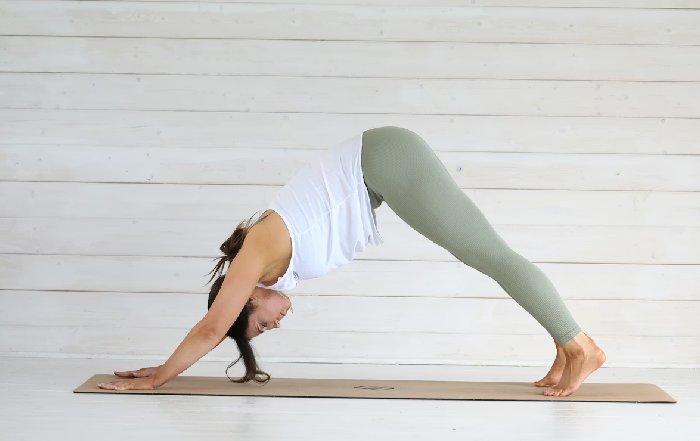
Building a Mindful Movement Practice
Mindful Movement as a Strategic Asset for Modern Life
The convergence of mental health awareness, hybrid work, and digital overload has transformed how women across the world think about wellbeing, productivity, and leadership. Mindful movement, once perceived as a niche wellness trend, has emerged as a strategic asset for women navigating demanding careers, complex caregiving roles, and rapidly changing social and economic landscapes. For the global community of HerStage readers, building a mindful movement practice is no longer a luxury reserved for retreat centers and boutique studios; it is a practical, evidence-informed approach to sustaining energy, clarity, and emotional resilience in everyday life.
Mindful movement can be described as any form of physical activity performed with deliberate attention to breath, bodily sensations, emotional states, and present-moment awareness. It includes familiar disciplines such as yoga, Pilates, tai chi, qigong, walking meditation, and somatic exercises, but it can also infuse running, strength training, dance, or even domestic tasks with a new quality of intention and presence. As organizations and leaders increasingly recognize the business case for wellbeing, mindful movement is being integrated into workplace wellness programs, leadership development curricula, and educational environments, complementing the broader wellbeing conversations that shape the editorial focus of HerStage, from leadership and career to health and lifestyle.
The Science Behind Mindful Movement
Over the last decade, the scientific foundation for mindful movement has grown considerably, with leading institutions such as Harvard Medical School and Mayo Clinic publishing accessible overviews of how mind-body practices influence stress pathways, immune function, and emotional regulation. Readers can explore how yoga and meditation affect the nervous system by reviewing resources from Harvard Health Publishing and the mind-body research summaries made available by the National Center for Complementary and Integrative Health. These sources consistently highlight that when physical movement is combined with attention training and breath awareness, the benefits extend beyond fitness metrics to include reduced anxiety, improved mood, and better sleep.
Neuroscientists have shown that mindfulness practices can reshape brain regions associated with attention, memory, and emotional balance. Regular engagement in mindful movement can increase activity in the prefrontal cortex, which supports decision-making and impulse control, while modulating the amygdala, which is responsible for processing stress and threat. Studies published through platforms such as PubMed and summarized by organizations like the American Psychological Association note that movement-based mindfulness programs can be particularly effective for managing work-related stress, preventing burnout, and supporting recovery from trauma. For women in leadership and entrepreneurial roles, this translates into a greater ability to respond rather than react, to navigate conflict more thoughtfully, and to sustain high performance without sacrificing long-term wellbeing.
Women, Leadership, and the Need for Embodied Resilience
In boardrooms, startups, public service, and creative industries, women leaders are increasingly expected to deliver results while modeling empathy, inclusivity, and emotional intelligence. This dual demand often leads to invisible labor and emotional exhaustion. A mindful movement practice offers a way to cultivate embodied resilience, anchoring leadership presence not only in intellectual competence but in a grounded, regulated nervous system. Resources from the Center for Creative Leadership and the McKinsey & Company reports on women in the workplace have highlighted how chronic stress and microaggressions disproportionately impact women, especially women of color, across global markets.
For the HerStage audience, who often balance high-impact careers with caregiving responsibilities and community roles, the integration of mindful movement into daily routines can become a subtle yet powerful leadership strategy. Instead of viewing self-care as a separate, discretionary activity, many women are reframing it as a non-negotiable leadership competency. By pairing insights from HerStage leadership features with emerging research on embodied leadership, professionals can design routines that align their physical, mental, and emotional states before critical meetings, negotiations, or public appearances. Learning how mindful breathing and gentle movement influence heart rate variability, for example, can be supported by accessible content from the Cleveland Clinic, which explains how nervous system regulation supports cognitive clarity and emotional stability.
Global Perspectives: Cultural Roots and Modern Adaptations
Mindful movement is not a new invention of the wellness industry; it has deep roots in diverse cultural and spiritual traditions. From the meditative martial arts of East Asia to the contemplative walking practices of European monasteries and the embodied rituals of African and South American communities, movement has long been a gateway to presence, meaning, and connection. In 2026, these practices are being reinterpreted and adapted in cities from New York and London to Seoul, São Paulo, and Johannesburg, making mindful movement accessible to women across different cultures and socioeconomic contexts.
Organizations such as Yoga Alliance and the International Tai Chi Chuan Association have contributed to a more structured global ecosystem for training and certification, while also raising important conversations about cultural appropriation, lineage, and respect. Women seeking to build a mindful movement practice in the United States, Europe, or Asia can deepen their understanding of these traditions by exploring educational materials from institutions like the Smithsonian's Asian Art Museum or the British Museum, which provide historical context for yoga, tai chi, and other embodied practices. For HerStage readers, this global perspective reinforces that mindful movement is not merely a personal wellness choice but part of a larger conversation about cultural exchange, ethical consumption of spiritual traditions, and inclusive access to wellbeing resources.
Designing a Personal Mindful Movement Framework
Building a mindful movement practice in 2026 requires more than downloading a popular app or following a single influencer. It involves designing a framework that aligns with one's values, schedule, health status, and life stage. Women can start by clarifying their primary intentions: stress relief, physical conditioning, emotional healing, creative expression, or leadership presence. This intentionality echoes the self-reflective approach that underpins the self-improvement features on HerStage, encouraging readers to move beyond trends and toward sustainable, personalized routines.
Health organizations such as the World Health Organization and the Centers for Disease Control and Prevention provide guidelines on weekly physical activity, which can be integrated with mindfulness practices. For example, a woman aiming to meet recommended activity levels while also managing anxiety might combine brisk walking with breath counting or body scanning techniques, effectively transforming exercise into moving meditation. Those recovering from injury or managing chronic conditions can consult evidence-based resources from the National Health Service (NHS) or Health Canada to understand which forms of gentle movement, such as chair yoga or aquatic therapy, may be both safe and beneficial.
Integrating Mindful Movement into a Busy Lifestyle
The primary barrier to consistent mindful movement for many professional women is not lack of interest but lack of time and energy. Hybrid work models, caregiving responsibilities, and digital distractions can fragment the day into reactive tasks, leaving little room for sustained practice. In response, a growing number of women are adopting micro-practices, weaving short moments of mindful movement into transitional spaces: between meetings, before school pick-up, or after closing a laptop at the end of the workday. This approach aligns closely with the practical lifestyle strategies shared across HerStage lifestyle coverage, where the emphasis is often on realistic, sustainable changes rather than idealized routines.
Psychologists and organizational behavior experts, including those writing for the Greater Good Science Center, have emphasized that small, frequent habits can have a cumulative impact on stress levels and emotional regulation. A two-minute standing stretch with focused breathing before a high-stakes presentation, a five-minute mindful walk after lunch, or a brief series of neck and shoulder releases between video calls can gradually retrain the nervous system to shift from chronic fight-or-flight responses to a more balanced state. For women in fast-paced sectors such as finance, technology, media, and healthcare, these micro-practices can serve as a discreet yet powerful form of self-leadership.
Mindful Movement, Body Image, and Beauty Narratives
The global beauty and fashion industries have long influenced how women perceive their bodies, often prioritizing appearance over function and external approval over internal experience. In 2026, there is growing recognition that mindful movement can disrupt these patterns by shifting attention from how the body looks to how it feels, moves, and supports a meaningful life. Within the HerStage ecosystem, where beauty, fashion, and glamour are explored alongside wellbeing and empowerment, this shift is especially relevant.
Research summarized by organizations such as the National Eating Disorders Association and the Body Image Movement suggests that practices emphasizing interoception-the ability to sense internal bodily states-can reduce body dissatisfaction and support healthier relationships with food and exercise. When women engage in yoga, dance, or somatic practices that prioritize internal awareness, they often report a greater sense of appreciation for their bodies' capabilities, regardless of size, age, or perceived imperfections. This embodied appreciation can coexist with an interest in style, beauty, and self-presentation, but it reframes these domains as expressions of identity rather than as prerequisites for worthiness.
Nutrition, Energy, and the Physiology of Presence
A sustainable mindful movement practice is also shaped by nutrition and energy management. Without adequate nourishment, sleep, and hydration, even the most carefully designed movement routine can feel depleting rather than restorative. For readers interested in the intersection of food, health, and performance, the nutrition and wellbeing guidance on HerStage can be complemented by evidence-based information from the Academy of Nutrition and Dietetics and the Harvard T.H. Chan School of Public Health, which explain how balanced macronutrients, micronutrients, and blood sugar stability influence mood, focus, and physical stamina.
Mindful movement also offers an opportunity to transform one's relationship with food from a cycle of restriction and compensation to one of attunement and support. By paying close attention to how different meals impact energy, digestion, and emotional states during and after movement, women can develop a more intuitive understanding of what genuinely nourishes them. This process resonates strongly with mindfulness-based approaches to eating, which are increasingly recommended by health organizations such as the American Heart Association to support cardiovascular health, weight management, and stress reduction.
Workplace Wellbeing and the Economics of Mindful Movement
From New York and Toronto to Berlin, Singapore, and Sydney, employers are recognizing that burnout, presenteeism, and mental health challenges carry substantial economic costs. Reports from the World Economic Forum and the OECD have quantified the impact of stress-related absenteeism and reduced productivity, prompting forward-thinking organizations to invest in comprehensive wellbeing strategies. Mindful movement is increasingly incorporated into these strategies, not as a superficial perk but as a core component of sustainable performance.
For women in leadership positions, advocating for mindful movement within their organizations can be both an act of self-care and a demonstration of strategic foresight. By introducing short movement breaks into team meetings, supporting the creation of quiet spaces for stretching or yoga, or partnering with local studios and digital platforms to offer classes, leaders can normalize embodied self-regulation as part of professional culture. The HerStage business coverage often highlights how companies that prioritize wellbeing are better positioned to attract and retain diverse talent, particularly among younger generations who expect employers to support mental and physical health. Learning more about sustainable business practices through resources like the Chartered Institute of Personnel and Development can help women frame mindful movement initiatives in terms that resonate with executives and boards.
Education, Mindfulness, and the Next Generation
As conversations about mental health and resilience move into schools and universities across North America, Europe, Asia, and beyond, educators are exploring how mindful movement can support concentration, emotional regulation, and social connection among young people. The UNESCO guidelines on education for sustainable development, along with initiatives from the Collaborative for Academic, Social, and Emotional Learning, highlight the importance of integrating social-emotional learning into curricula, and movement-based mindfulness is a natural fit within this framework.
For mothers, caregivers, and educators in the HerStage community, introducing age-appropriate mindful movement to children and adolescents can be a powerful way to model healthy coping skills. Simple practices such as "starfish breathing" with arm movements, short yoga sequences between homework sessions, or mindful dance sessions to release tension after a stressful day can help younger generations develop a more compassionate and curious relationship with their bodies. The HerStage education section provides a natural home for these conversations, connecting them with global perspectives on gender, opportunity, and wellbeing.
Mindful Movement, Mindfulness, and Inner Narrative
At its core, mindful movement is not only about muscles, joints, and posture; it is also about the stories women tell themselves while they move. The quality of internal dialogue-critical or kind, rushed or spacious, fearful or curious-shapes how movement is experienced and what benefits it yields. This intersection between movement and inner narrative aligns closely with the themes explored in the HerStage mindfulness coverage, where attention is given to the ways thoughts, emotions, and body sensations interact.
Mindfulness training organizations such as Mindful.org and the Oxford Mindfulness Foundation have emphasized that bringing awareness to habitual thought patterns during movement can reveal deeply ingrained beliefs about productivity, worth, and perfectionism. For example, noticing the impulse to push through pain during a run, or the tendency to compare one's yoga practice to others in the room, can open a space for more compassionate choices. Over time, this integration of movement and mindful awareness can shift self-talk from self-criticism to self-respect, reinforcing the experience of the body as an ally rather than an adversary.
Crafting a Mindful Movement Practice
For women across continents-from the United States and Canada to the United Kingdom, Germany, France, Italy, Spain, the Netherlands, the Nordic countries, China, South Korea, Japan, Singapore, Thailand, South Africa, Brazil, Malaysia, and beyond-the path to a sustainable mindful movement practice will look different, shaped by culture, environment, and personal history. Yet certain principles remain consistent: respect for the body's signals, curiosity about internal experience, and a commitment to aligning action with values. HerStage is uniquely positioned to support this journey by weaving mindful movement into its diverse editorial pillars, connecting women's stories of resilience and reinvention with practical guides to movement, breath, and presence.
As the world navigates ongoing uncertainty-from geopolitical shifts and economic volatility to technological disruption and climate-related stress-mindful movement offers a grounded, accessible way for women to reclaim agency over their nervous systems, their energy, and their attention. It is not a cure-all, nor a substitute for structural change, but it is a powerful tool for sustaining clarity, creativity, and compassion in the midst of complexity. By integrating the latest science, honoring diverse cultural roots, and centering the lived experiences of women globally, HerStage continues to champion a vision of success in which ambition and wellbeing are not in conflict but in conversation, and in which every step, stretch, and breath can become an act of conscious leadership. Readers exploring the broader HerStage platform at herstage.com will find that building a mindful movement practice is not an isolated trend but part of a holistic reimagining of how women live, lead, and thrive in 2026 and beyond.
