
A Traveler's Guide to Local Markets Worldwide
Local markets have long been the beating heart of cities and communities, and they remain among the most revealing places a traveler can visit to understand how people really live, work, eat, and connect. For the global audience of HerStage, which is deeply engaged with women's stories, lifestyle choices, leadership, self-improvement, beauty, health, fashion, business, and mindful living, local markets offer a uniquely rich lens on culture and commerce, as well as a powerful stage on which women entrepreneurs continue to redefine economic and social norms. From open-air food bazaars in Bangkok to design-forward weekend markets in Berlin, and from artisan cooperatives in Nairobi to farmers' markets in California, markets worldwide embody a fusion of tradition and innovation that speaks directly to the interests and aspirations of the HerStage community.
Why Local Markets Matter
In a decade defined by rapid digitalization, the resurgence and reinvention of local markets might appear counterintuitive, yet in practice it reflects a global desire for authenticity, connection, and sustainability. International organizations such as the United Nations World Tourism Organization highlight how cultural experiences and local food traditions increasingly drive travel decisions, and local markets sit at the center of this trend. Travelers are no longer content to observe from a distance; instead, they want to taste regional produce, speak with artisans, understand how products are made, and see how local women and families sustain their livelihoods through small-scale trade. For readers seeking a more grounded and meaningful lifestyle, the insights gained in these markets can echo back into everyday choices at home, from the food they buy to the businesses they support.
In many of the world's most dynamic economies, from the United States to South Korea, local markets are also becoming incubators for micro-entrepreneurship and creative industries. Organizations such as the World Bank have documented the role of informal and semi-formal markets in supporting women's economic participation, particularly in regions across Africa, Asia, and South America, where access to formal employment and capital can be limited. For women who read HerStage with an eye to leadership and career growth, these spaces are not only fascinating cultural attractions but also living case studies in grassroots business strategy, negotiation, branding, and community building. Readers can explore more perspectives on women's roles in commerce in the dedicated section on women and leadership at HerStage.
Understanding the Culture of Markets Across Regions
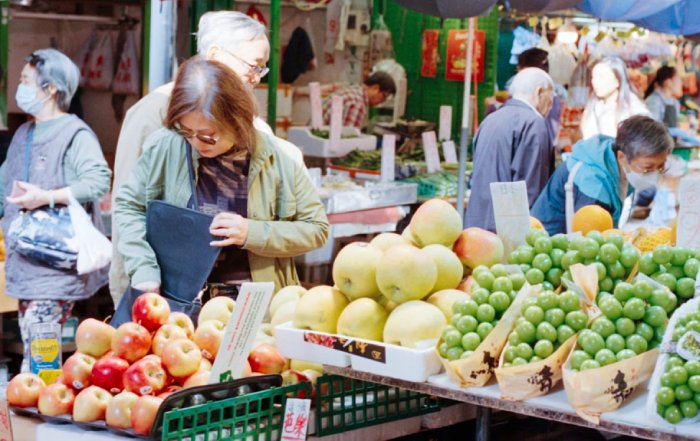
Local markets look and feel different in every country, yet they share certain common threads: they are places of exchange, performance, and identity. In Europe, long-established markets such as La Boqueria in Barcelona or Borough Market in London are often housed in historic buildings and emphasize regional specialties, artisanal products, and protected designations of origin; international travelers can deepen their understanding of European food heritage by exploring resources from organizations like Slow Food International, which promotes traditional and sustainable gastronomy. In Asia, markets in cities such as Bangkok, Seoul, and Tokyo can stretch over multiple blocks and operate late into the night, blending food, fashion, and entertainment in a vibrant, multi-sensory environment that reflects the region's dense urban fabric and fast-paced commercial culture.
In North America, the renaissance of farmers' markets has been closely tied to movements for local food, wellness, and environmental responsibility, with cities across the United States and Canada investing in public spaces where small-scale producers and artisans can connect directly with consumers. The USDA provides extensive data and guidance on farmers' markets and direct-to-consumer food systems, illustrating their economic and health impacts across American communities. Meanwhile in Africa and South America, open-air markets remain essential for daily life, serving as primary sources of fresh produce, textiles, and household goods, while also acting as social hubs where news is shared and community ties are reinforced. For those who want to explore how markets intersect with global cultural trends and social issues, the world section at HerStage offers context on how local economies reflect wider regional dynamics.
Women at the Center of Market Economies
In every region, women are central to the functioning of local markets, whether as farmers, food vendors, textile makers, designers, or small-scale traders. Studies from organizations such as UN Women and the International Labour Organization show that informal and semi-formal markets provide critical income opportunities for women, especially in countries where formal employment remains restricted or heavily gendered. In India, for example, women vegetable vendors and street food sellers in local bazaars often support entire families, while in Kenya and South Africa, women-led cooperatives and craft collectives use markets as platforms to sell handmade jewelry, baskets, and textiles to both local and international visitors.
In advanced economies such as Germany, France, and Australia, markets have also become launchpads for women-owned brands in food, beauty, and fashion. Many of the most innovative natural skincare and wellness products showcased in weekend markets in cities like Berlin, Paris, and Sydney originate from small, women-led laboratories and studios that test their products directly with market visitors before scaling to online platforms or retail partnerships. Organizations such as WEConnect International and Women's World Banking highlight how access to markets, both physical and digital, accelerates women's entrepreneurial journeys and contributes to broader economic inclusion. Readers interested in the intersection of women's empowerment, leadership, and entrepreneurship will find aligned themes in HerStage's leadership and career sections, where stories of women building businesses and reshaping industries are regularly featured.
Markets as Living Classrooms for Lifestyle and Self-Improvement
For travelers focused on self-improvement and mindful living, local markets offer a practical, immersive education that no classroom can replicate. Observing how vendors interact with customers, negotiate prices, and showcase their products can sharpen one's understanding of communication, persuasion, and cultural nuance. Engaging in conversations with stallholders about how they source ingredients, what seasonal changes mean for their offerings, or how traditional recipes are preserved across generations creates opportunities for deeper intercultural learning and empathy. This resonates strongly with HerStage's emphasis on personal growth and reflection, themes that are explored further in its self-improvement and mindfulness content.
Markets also encourage a more conscious approach to consumption. Travelers who take the time to ask where products come from and how they are made often discover complex supply chains and local sustainability efforts that are not visible in typical tourist retail environments. Organizations such as the Ellen MacArthur Foundation provide accessible resources on circular economy principles, helping consumers understand how local, small-scale production can support more sustainable patterns of use and reuse. By applying these insights at home-choosing local produce, supporting independent designers, minimizing waste-travelers transform their journeys into catalysts for long-term lifestyle change, aligning daily habits with values of health, responsibility, and authenticity.
Food Markets: Health, Culture, and Culinary Creativity
Food markets remain the most popular type of local market among travelers, and for good reason: they engage all the senses while offering direct insight into a region's health habits, agricultural practices, and culinary identity. In Japan, morning fish markets reveal the precision and discipline behind sushi culture, while in Italy and Spain, markets filled with seasonal vegetables, olive oils, and cured meats highlight a Mediterranean diet that has long been associated with longevity and cardiovascular health. Organizations such as the World Health Organization and Harvard T.H. Chan School of Public Health have extensively documented the health benefits of diets rich in fresh produce, whole grains, and healthy fats, and food markets are often the most immediate and vivid expression of these principles in daily life.
For HerStage readers interested in wellness and nutrition, markets can act as creative laboratories where new ingredients and cooking methods are discovered. Sampling tropical fruits in Thailand, exploring fermented foods in South Korea, or learning about heritage grains in France and Germany can inspire new recipes and healthier eating habits back home. The food section at HerStage often translates such global culinary experiences into accessible ideas for everyday cooking, while the health section explores how diet, lifestyle, and cultural traditions intersect in shaping overall wellbeing. Travelers who document their market discoveries-through notes, photos, or recipes shared with friends and family-can build a personal archive of global flavors that enriches their lives long after the trip ends.
Beauty, Fashion, and Glamour in the Market Aisles
Beyond food, local markets are powerful showcases for regional beauty rituals, fashion trends, and expressions of glamour that differ markedly from globalized high-street brands. In Morocco, India, and Brazil, for instance, markets brim with natural oils, handcrafted jewelry, and textiles that reflect centuries-old craft traditions and local aesthetics. In France and Italy, open-air markets often feature independent designers who reinterpret classic European style with contemporary twists, while in South Korea and Japan, urban markets and pop-up bazaars serve as testing grounds for cutting-edge beauty products and streetwear trends that later influence global fashion.
For travelers who see beauty and fashion as forms of self-expression and cultural dialogue, markets provide both inspiration and context. Learning more about sustainable fashion and ethical sourcing through organizations such as the Ellen MacArthur Foundation or Fashion Revolution can help visitors ask informed questions about how garments and accessories are produced, who makes them, and under what conditions. This awareness supports more responsible purchasing decisions and aligns with the values of readers who frequent the fashion, beauty, and glamour sections of HerStage, where style is understood not merely as appearance but as an expression of identity, culture, and conscience.
Business Lessons Hidden in Plain Sight
Local markets are also dynamic business ecosystems, and for professionals in any industry they offer a wealth of practical lessons in entrepreneurship, branding, customer experience, and operational resilience. Watching how successful vendors merchandise their stalls, tell the stories behind their products, manage inventory, and adapt to changing customer flows over the course of a day can provide a real-world masterclass in micro-retail strategy. In many urban markets, particularly in the United States, United Kingdom, Canada, and Australia, vendors blend offline and online channels by using QR codes, mobile payment systems, and social media platforms such as Instagram and TikTok to maintain relationships with customers long after the initial purchase.
Global organizations such as the OECD and International Trade Centre have noted how small and medium-sized enterprises, including market-based businesses, are increasingly central to inclusive economic growth and innovation, especially when they are led by women and underrepresented groups. Travelers who approach markets with a strategic lens can glean insights into pricing, product differentiation, and customer loyalty that are directly applicable to their own ventures and careers. The business section of HerStage frequently explores such themes, while the guide section provides practical frameworks for translating observational learning into actionable strategies in one's own professional context.
Mindful and Ethical Market Travel
In 2026, responsible travel is no longer a niche concern but a mainstream expectation, and visiting local markets ethically is a critical part of that shift. Travelers are increasingly aware that their presence and purchasing power can either support or disrupt local communities. Guidance from organizations such as the Global Sustainable Tourism Council and UN Environment Programme emphasizes the importance of respecting cultural norms, avoiding exploitative bargaining, and choosing products that are legally and sustainably sourced. For example, buying items made from endangered species, looted antiquities, or unsustainably harvested materials can have serious environmental and social consequences, even if they appear attractive in the moment.
Mindful market travel also involves recognizing the human stories behind every stall. Many vendors work long hours in challenging conditions, balancing family responsibilities and financial pressures, and a respectful, patient interaction can make a significant difference to their daily experience. For travelers who value mindfulness, empathy, and intentional living, markets offer daily opportunities to practice these principles in real time, reinforcing the ideas explored in HerStage's lifestyle and mindfulness content. By approaching each interaction as a chance for mutual learning rather than a transactional exchange, visitors contribute to a more equitable and enriching form of global tourism.
Education Through Markets: Learning Across Generations
Local markets function as informal schools, transmitting knowledge across generations and cultures. Children in many parts of Asia, Africa, and Latin America learn arithmetic, negotiation, and customer service by helping their parents at stalls, while elders pass down recipes, weaving techniques, and herbal remedies that might otherwise be lost. For international travelers, these intergenerational dynamics reveal how communities adapt to modernization while preserving core elements of their identity. Institutions such as UNESCO recognize traditional markets, foodways, and craft practices as forms of intangible cultural heritage, underscoring their educational and cultural value.
For HerStage readers who prioritize lifelong learning and global awareness, markets provide tangible case studies that complement formal education and professional development. Observing how different societies structure their trade, manage scarcity, and celebrate abundance can deepen one's understanding of economics, sociology, and cultural studies in a way that textbooks alone cannot. The education section at HerStage often highlights such experiential learning opportunities, encouraging readers to see every journey, and every market visit, as part of a broader curriculum in global citizenship.
Integrating Market Insights into Everyday Life
The most meaningful market experiences do not end when a traveler boards the plane home; instead, they inform daily decisions, habits, and perspectives long after the trip. Bringing home spices from India, textiles from Mexico, or ceramics from Portugal is not merely about acquiring objects, but about weaving new narratives and memories into one's living space, wardrobe, and culinary repertoire. These items can serve as prompts to cook healthier meals, dress more creatively, or remember the resilience and ingenuity of the people met along the way. For many in the HerStage community, such reminders reinforce commitments to more conscious consumption, cross-cultural curiosity, and personal growth.
In a world where global supply chains and digital marketplaces can make products feel interchangeable, local markets remind travelers that every item has a story, every price reflects a livelihood, and every transaction can be an act of relationship rather than mere acquisition. By integrating these insights into lifestyle choices-whether through supporting local producers at home, exploring new cuisines, or championing women-led enterprises-readers align their daily lives with the values of authenticity, sustainability, and empowerment that define HerStage. Those seeking broader inspiration on how travel experiences can influence health, career, and personal fulfillment can explore the full spectrum of content at HerStage's homepage, where global perspectives and local stories continually intersect.
The Ongoing Journey Through Markets
Local markets remain among the most compelling arenas in which to observe the interplay of tradition and modernity, gender and power, commerce and community. For travelers from the United States and United Kingdom to Germany, Canada, Australia, France, Italy, Spain, Netherlands, Switzerland, China, Sweden, Norway, Singapore, Denmark, South Korea, Japan, Thailand, Finland, South Africa, Brazil, Malaysia, and New Zealand, markets offer both familiar comforts and surprising discoveries, reflecting regional diversity while revealing shared human needs and aspirations. They are spaces where women entrepreneurs challenge stereotypes, where families sustain traditions, where innovations in food, fashion, and beauty are tested, and where travelers can practice empathy, curiosity, and respect.
For the HerStage audience, which spans continents and professions but is united by a desire for purposeful, stylish, and empowered living, local markets provide an ideal stage on which to explore and embody these values. Whether one is planning a business trip, a wellness retreat, or a once-in-a-lifetime sabbatical, weaving market visits into the journey can transform travel from passive observation into active participation. By engaging thoughtfully with vendors, tasting new flavors, learning the stories behind handmade goods, and reflecting on the economic and cultural systems at play, travelers not only enrich their own lives but also contribute to more inclusive and sustainable global connections.
In the years ahead, as cities and communities continue to adapt to technological change, climate pressures, and shifting tourism patterns, local markets will likely evolve in form but retain their essential role as communal crossroads. For those who walk their aisles with open eyes and open minds, they will remain some of the most instructive and inspiring places on earth, offering lessons in resilience, creativity, and shared humanity that resonate long after the journey ends.
