
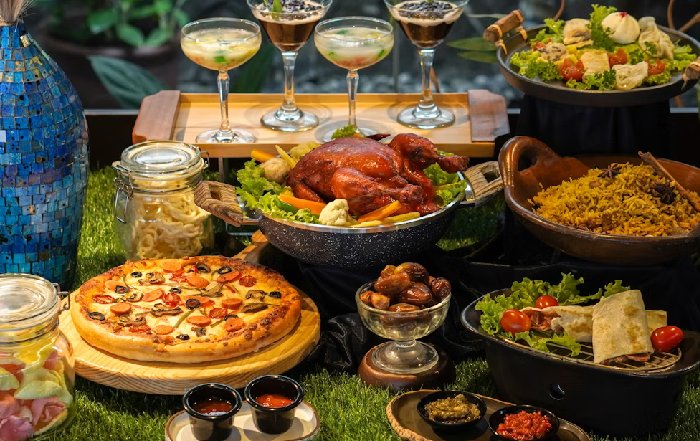
Culinary Journeys: Food Stories From Five Continents
A Global Table in a Changing World
Food has become one of the most powerful lenses through which individuals and organizations understand culture, sustainability, identity, and leadership. Across five continents, women entrepreneurs, chefs, farmers, and innovators are reshaping how people grow, cook, share, and talk about food, transforming daily meals into platforms for economic empowerment, environmental stewardship, and social connection. For HerStage, whose readers explore women's stories, lifestyle, business, career, and health with a global mindset, culinary journeys are no longer simply about recipes or restaurant recommendations; they are about understanding how food can anchor a life of purpose, influence, and mindful growth.
Around the world, from the bustling food markets of Bangkok and Lagos to the fine-dining kitchens of New York, London, and Sydney, women are leading a quiet revolution. They are building companies, designing sustainable supply chains, preserving traditional techniques, and telling stories that connect ancestral knowledge with modern innovation. Organizations such as UN Women and the Food and Agriculture Organization of the United Nations (FAO) have repeatedly highlighted how women's leadership in food systems is critical to tackling climate change, reducing hunger, and promoting inclusive growth; readers can explore how women's economic empowerment intersects with food systems through resources from UN Women and global food security insights from the FAO. Against this backdrop, culinary journeys become a strategic narrative: they show how food can be both a deeply personal expression and a sophisticated instrument for change.
North America: Innovation, Identity, and the Business of Flavor
In North America, food stories are increasingly driven by innovation, identity, and the business of wellness. In the United States and Canada, the rise of women-led food startups, direct-to-consumer brands, and mission-driven restaurants is reshaping what it means to eat well and live well. Founders are using data, digital platforms, and storytelling to build powerful brands that connect nutrition, sustainability, and culture, while investors and corporate leaders are paying closer attention to how culinary trends signal shifts in consumer values.
In cities such as Los Angeles, Toronto, and Austin, women entrepreneurs are building plant-based and functional food brands that respond to a more health-conscious and climate-aware generation. Reports from organizations like the World Resources Institute show the growing importance of sustainable diets and the environmental impact of food choices, and leaders who want to understand these trends can learn more about sustainable business practices and apply them to product development and corporate strategy. For readers of HerStage, these developments intersect naturally with interests in health, lifestyle, and self-improvement, as individuals seek ways to align personal wellness with broader planetary goals.
At the same time, Indigenous and diasporic food stories in North America highlight how cuisine can reclaim narratives and challenge historical erasure. Indigenous chefs and food activists are reviving pre-colonial ingredients and techniques, emphasizing food sovereignty and community resilience. Organizations such as Native American Food Sovereignty Alliance and research from the Smithsonian National Museum of the American Indian document how traditional foodways are linked to land rights, cultural identity, and intergenerational knowledge; professionals exploring this space can gain context through the Smithsonian's resources on Native food traditions. For women in leadership roles across sectors, these stories offer lessons in how to use business, branding, and storytelling to protect heritage while creating new economic opportunities.
The North American culinary landscape also demonstrates how digital platforms amplify voices that were once marginalized. Food writers, photographers, and creators use newsletters, podcasts, and social media to build independent media brands around recipes, restaurant culture, and food justice. In this environment, HerStage itself becomes part of a broader ecosystem of platforms that curate stories at the intersection of career development, creativity, and culture, supporting readers who want to translate their passion for food into viable ventures, from content creation to hospitality management.
Europe: Tradition, Luxury, and the New Conscious Gastronomy
Across Europe, culinary journeys are defined by a dialogue between deep-rooted tradition and a new consciousness about sustainability, inclusion, and innovation. In countries such as France, Italy, Spain, and the United Kingdom, the prestige of fine dining and regional cuisines has long shaped global perceptions of European food culture. Yet by 2026, the most compelling stories are no longer only about Michelin stars and iconic restaurants; they are about how chefs, producers, and entrepreneurs, many of them women, are reinterpreting heritage for a world facing ecological and social change.
In Paris, London, and Copenhagen, women chefs and restaurateurs are claiming leadership roles in spaces that were historically dominated by men, bringing new perspectives to both menus and management. Coverage from The World's 50 Best Restaurants and culinary features from the BBC illustrate how female-led kitchens are redefining excellence, not only through technically sophisticated cuisine but also through inclusive workplace cultures and more transparent sourcing; readers can explore contemporary restaurant trends through BBC Food features to see how these changes are narrated to mainstream audiences. This evolution aligns with the interests of HerStage readers who follow leadership and business, demonstrating how organizational culture and culinary creativity can reinforce each other.
In regions such as Tuscany, Provence, and the Basque Country, culinary tourism remains a powerful economic engine, but travelers are increasingly seeking experiences that connect them to local producers, sustainable agriculture, and authentic stories. The European Commission has emphasized the importance of sustainable gastronomy and rural development within its broader Green Deal agenda, and those wishing to understand how policy and food intersect can review related initiatives via the European Commission's agriculture and rural development portal. For women building careers in hospitality, agritourism, and culinary media across Europe, these shifts open new avenues for entrepreneurship that blend storytelling, environmental responsibility, and premium experiences.
At the intersection of fashion, glamour, and gastronomy, European capitals also showcase how food has become a lifestyle symbol. Collaborations between luxury fashion houses, high-end restaurants, and wellness brands are increasingly common, with experiences designed to appeal to consumers who view dining as part of a broader aesthetic and wellness journey. This convergence speaks directly to HerStage readers interested in fashion, glamour, and lifestyle, highlighting how culinary storytelling can enhance a brand's emotional resonance and cultural relevance.
Asia: Street Food, Heritage, and High-Tech Futures
In Asia, culinary journeys span a vast spectrum, from centuries-old street food traditions to futuristic food technology hubs. The region's diversity, encompassing China, Japan, Thailand, South Korea, Singapore, and beyond, creates a dynamic landscape where food functions simultaneously as daily sustenance, cultural archive, tourism magnet, and innovation frontier. Women across Asia are leveraging this complexity to build businesses that honor heritage while embracing digital transformation and scientific progress.
In Bangkok, Tokyo, and Seoul, street food and casual dining remain at the heart of urban life, with dishes that encapsulate local histories and regional ingredients. UNESCO's recognition of elements such as washoku, the traditional dietary culture of Japan, as intangible cultural heritage underlines how food is central to cultural identity and social cohesion; readers can explore UNESCO's work on culinary heritage to understand how these designations protect and promote traditional foodways. Women vendors, small-scale restaurateurs, and family businesses play a crucial role in maintaining these traditions, often passing recipes and techniques from one generation to the next while adapting to contemporary tastes and health expectations.
At the same time, cities such as Singapore and Shanghai are at the forefront of food technology, from alternative proteins to precision fermentation and smart logistics. Startups led by women scientists and executives are working on lab-grown meats, sustainable packaging, and AI-driven nutrition platforms, responding both to the demands of rapidly growing middle classes and to the climate imperatives highlighted by organizations such as the Intergovernmental Panel on Climate Change (IPCC). Those interested in how climate science informs food innovation can access assessments and reports via the IPCC's official site. For HerStage readers who combine curiosity about education, mindfulness, and career growth, Asia's food-tech landscape demonstrates how scientific expertise and entrepreneurial vision can converge to shape the future of what people eat.
Asian culinary stories also highlight the importance of diaspora and cross-cultural exchange. Chefs of Asian heritage in New York, London, Berlin, and Melbourne reinterpret flavors from China, Korea, India, and Southeast Asia, using local ingredients and contemporary techniques to challenge stereotypes about "ethnic food" and to assert culinary authority on the global stage. Media coverage from platforms such as The New York Times Food section has documented these shifts, and readers can explore global restaurant narratives to see how these chefs frame identity, memory, and creativity through their menus. These stories resonate strongly with a global audience navigating questions of belonging, representation, and professional visibility.
Africa: Resilience, Heritage Grains, and Emerging Culinary Powerhouses
Across Africa, culinary journeys are increasingly recognized as central to economic development, cultural diplomacy, and community resilience. Countries such as South Africa, Nigeria, Ghana, Kenya, and Morocco are emerging as culinary powerhouses, where traditional ingredients and cooking methods are being reintroduced, elevated, and shared with global audiences. Women stand at the heart of this transformation, from smallholder farmers cultivating heritage grains to chefs and writers who translate local food cultures into globally accessible narratives.
Organizations such as the African Union and the Alliance for a Green Revolution in Africa (AGRA) have highlighted the importance of indigenous crops, including sorghum, millet, and teff, in building climate-resilient food systems. These grains, which have nourished communities for generations, are now being rediscovered by urban consumers and international markets seeking nutritious and sustainable alternatives to more resource-intensive staples. Professionals and readers interested in agricultural innovation and food security can learn more about African agricultural transformation and consider how these trends create opportunities for women entrepreneurs in processing, branding, and export.
In cities like Cape Town, Johannesburg, and Lagos, contemporary African cuisine is gaining international recognition through fine dining, pop-up events, and media features. Chefs and restaurateurs are combining local ingredients with global techniques, presenting dishes that both honor tradition and appeal to cosmopolitan diners. Coverage from platforms such as CNN Travel showcases how African food is increasingly viewed as a sophisticated and diverse culinary universe, and those curious about regional culinary scenes can explore African food stories to understand this growing momentum. For HerStage, which speaks to a global readership spanning Europe, Asia, North America, and Africa, these developments underscore how food can challenge outdated narratives and highlight the continent's creativity and leadership.
Beyond restaurants, African food stories are deeply connected to community health and social entrepreneurship. Women-led cooperatives produce shea butter, spices, teas, and preserved foods that support local livelihoods while reaching global markets through fair trade and e-commerce. Initiatives supported by organizations like the World Bank demonstrate how investments in women farmers and food entrepreneurs can drive inclusive growth; those seeking evidence-based perspectives on these initiatives can access analyses through the World Bank's gender and development resources. For readers balancing ambitions in business, self-improvement, and community impact, African culinary stories offer concrete examples of how food ventures can be both profitable and transformative.
South America: Biodiversity, Ancestral Knowledge, and Conscious Gastronomy
In South America, particularly in countries such as Brazil, Peru, Chile, and Colombia, food narratives have become powerful vehicles for discussing biodiversity, Indigenous rights, and sustainable tourism. The region's extraordinary range of ecosystems, from the Amazon rainforest to the Andes, supports ingredients and culinary traditions that are increasingly recognized as global treasures. Women, especially from Indigenous and rural communities, are essential custodians of this knowledge, while urban chefs and entrepreneurs work to translate it into contemporary formats that can reach international audiences.
The rise of "conscious gastronomy" in cities like Lima and São Paulo reflects a growing recognition that fine dining can be a platform for environmental and social advocacy. Chefs collaborate with local communities and scientists to source ingredients responsibly, support reforestation, and preserve endangered species of plants and animals. The World Wildlife Fund (WWF) has documented how food systems intersect with biodiversity conservation, and professionals interested in sustainable culinary models can learn more about food and biodiversity to inform their own strategies and choices. For HerStage readers, these stories bridge world affairs, sustainability, and lifestyle, demonstrating that what appears on a plate can reflect complex networks of relationships and responsibilities.
In Brazil, culinary movements centered on Afro-Brazilian and Indigenous food traditions are reclaiming narratives that were long marginalized. Women cooks, historians, and activists are documenting recipes, techniques, and rituals that connect food to spirituality, resistance, and community care. Academic institutions and cultural organizations, including leading universities and heritage foundations, contribute to this documentation, and those seeking more structured knowledge can explore higher education perspectives on gastronomy through platforms like Harvard's Food and Sustainability resources. These efforts align with the broader global conversation on decolonizing food, where culinary journeys become opportunities to examine power, memory, and justice.
South America's culinary stories also highlight the relationship between food and wellness. Traditional diets rich in legumes, whole grains, fruits, and vegetables are being revisited in light of modern health challenges, from obesity to non-communicable diseases. Research from institutions such as the World Health Organization (WHO) emphasizes the importance of balanced diets and culturally appropriate nutrition guidelines, and readers can explore WHO's guidance on healthy eating to better understand how ancestral food patterns can inform contemporary health strategies. For HerStage audiences engaged with health and mindfulness, these stories reinforce the idea that culinary journeys can be pathways to both physical and emotional well-being.
Culinary Journeys as Personal and Professional Strategy
For the global community that gathers around HerStage, culinary journeys across five continents are not only a source of inspiration but also a framework for personal and professional strategy. Whether a reader is building a career in hospitality, founding a food startup, leading a corporate sustainability initiative, or simply seeking to live more intentionally, food provides a concrete, daily arena in which values become visible and actionable. Exploring diverse cuisines encourages curiosity, empathy, and cross-cultural understanding, qualities that are increasingly vital in leadership and collaboration across borders.
On a personal level, engaging with food stories can support self-discovery and growth. Learning a new recipe from another culture, visiting a local market while traveling, or participating in a cooking class led by a woman entrepreneur can deepen awareness of one's own preferences, biases, and aspirations. For readers pursuing self-improvement and seeking practical guidance, culinary experiences can be framed as exercises in patience, creativity, and resilience, as well as opportunities to practice mindfulness by paying attention to flavors, textures, and the origins of ingredients.
Professionally, understanding global food trends can inform strategic decisions in sectors far beyond hospitality. Executives and managers in retail, technology, finance, and media monitor culinary innovations to anticipate consumer behavior, identify emerging markets, and design products or services that align with evolving lifestyles. Reports from organizations such as McKinsey & Company and Deloitte frequently analyze how food-related trends, from plant-based diets to delivery platforms, influence broader economic patterns, and those interested in data-driven insights can review these analyses via McKinsey's consumer and retail research. For women navigating leadership roles, being conversant in these developments can enhance strategic thinking and open new avenues for influence.
Culinary journeys also intersect with education and lifelong learning. Universities and business schools increasingly offer programs that combine gastronomy, sustainability, and management, recognizing that future leaders will need to understand food systems as part of global risk and opportunity landscapes. Readers considering further study or professional development can view food-related learning as a bridge between personal passion and career advancement, aligning with HerStage's focus on education and career. In this sense, the act of exploring cuisine becomes a way to cultivate expertise and authority in fields that are rapidly evolving.
A Shared Future at the Global Table
So now the global table is more interconnected than ever, yet also more fragile. Climate change, geopolitical tensions, and economic inequality all shape how food is produced, distributed, and experienced, while digital media and travel continue to accelerate the exchange of culinary ideas. Within this complexity, women across five continents are using food to tell stories of resilience, creativity, and leadership, building organizations and communities that embody experience, expertise, authoritativeness, and trustworthiness.
For HerStage and its glamorous, fashionable top, leadership roles readers, culinary journeys are an invitation to participate consciously in this evolving narrative. Every meal can be an opportunity to support ethical businesses, honor cultural heritage, nourish health, and foster connection. By paying attention to the origins of ingredients, the stories of producers, and the visions of chefs and entrepreneurs, individuals can align everyday choices with larger goals in lifestyle, business, and personal growth. As readers continue to explore HerStage for insights on women, lifestyle, leadership, and beyond, the stories from kitchens, farms, and markets across five continents will remain a powerful reminder that the path to a more equitable and sustainable world can begin with something as simple and profound as sharing food.
