
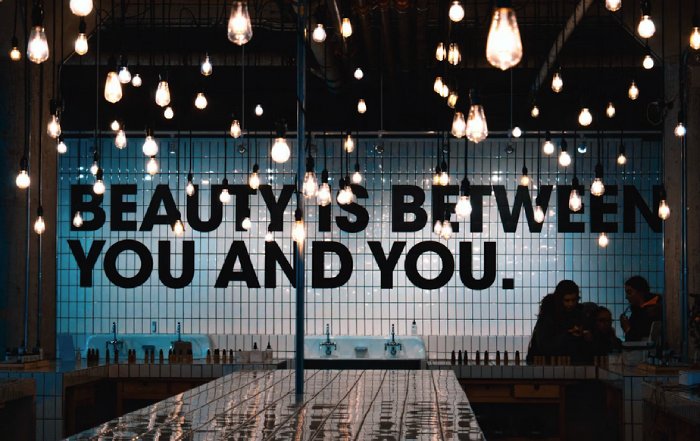
Beauty Practices That Prioritize Care Over Perfection in 2026
A New Era of Beauty: Care as a Strategic Choice
By 2026, the global beauty landscape has moved decisively away from the pursuit of flawlessness and toward a more grounded, care-centered philosophy that prioritizes health, integrity, and long-term wellbeing. For the audience of HerStage, this transformation is not a fleeting trend but a structural change in how women and gender-diverse people across the world relate to their bodies, faces, and public presence. Instead of chasing filtered ideals shaped by algorithmic feeds and hyper-edited campaigns, more individuals are choosing routines that protect their skin barrier, support their mental health, align with their professional and personal goals, and reflect their ethical values. This shift is visible in skincare, makeup, haircare, wellness, and executive presence, and it is reinforced by a growing body of scientific research, regulatory scrutiny, and expert commentary that treats beauty as a serious component of health, leadership, and lifestyle rather than as a superficial afterthought.
In major markets across North America, Europe, and Asia, beauty has become a strategic conversation for policymakers, investors, and corporate leaders, not only for its economic weight but also for its influence on public health and social norms. Organizations such as the World Health Organization continue to document the rising burden of mental health challenges and body image concerns, especially among young people who have grown up immersed in digital comparison culture. At the same time, platforms like HerStage connect beauty with leadership, career, and lifestyle, underscoring that the way individuals care for themselves shapes confidence, decision-making, and presence in high-pressure environments. This convergence of health science, cultural critique, and business strategy is redefining what it means to look and feel "beautiful" in 2026 and placing care, rather than perfection, at the center of that definition.
Psychological Foundations of Care-Based Beauty
The movement toward care-focused beauty is deeply rooted in psychology and behavioral science. Decades of research from institutions such as Harvard Medical School and the American Psychological Association show that rigid appearance ideals are strongly associated with anxiety, depression, disordered eating, and chronic low self-esteem, particularly among women and girls who are disproportionately targeted by appearance-centric marketing. The proliferation of image-editing apps and augmented reality filters intensified these pressures by normalizing poreless, ageless faces and highly engineered bodies that do not exist outside of screens, creating a perpetual sense of falling short.
In response, mental health professionals and advocacy organizations including Mental Health America have advanced frameworks built on self-compassion, body neutrality, and mindful consumption. These approaches encourage individuals to treat beauty rituals as acts of care and regulation rather than as performance tests. Instead of asking whether they look "perfect," people are invited to ask whether their routines soothe, nourish, and support them through the demands of modern life. Practices such as mindful cleansing, intentional touch, and realistic goal-setting around appearance are increasingly seen as tools for stress relief and self-connection. On HerStage, this psychological lens aligns naturally with themes explored in self-improvement and mindfulness, helping readers in the United States, the United Kingdom, Germany, Singapore, South Africa, and beyond understand that how they approach skincare and grooming is inseparable from how they manage burnout, boundaries, and ambition.
Science-Driven Skin Health and the End of Flawless Myths
The most visible expression of care-based beauty is the pivot from the fantasy of flawless skin to the reality of skin health. Dermatology organizations such as the American Academy of Dermatology and the British Association of Dermatologists have spent years emphasizing that pores, fine lines, and occasional breakouts are normal physiological features, not personal failures. In 2026, this message is increasingly echoed by mainstream media and healthcare providers, supported by accessible resources from institutions like Mayo Clinic and Cleveland Clinic, which explain conditions such as acne, rosacea, melasma, and eczema as complex medical issues influenced by genetics, hormones, environment, and stress.
As a result, consumers in markets from the United States and Canada to South Korea, Japan, and the Nordic countries are gravitating toward evidence-based routines that prioritize barrier repair, sun protection, and gentle maintenance rather than aggressive, trend-driven experimentation. Multi-step regimens are giving way to more streamlined approaches that rely on a few well-formulated products backed by peer-reviewed science. Learn more about dermatologist-recommended skincare principles through reputable health resources such as Johns Hopkins Medicine. On HerStage, the health and lifestyle sections increasingly frame skincare as preventive healthcare and stress management, reinforcing the idea that the goal is resilient, functional skin that supports a busy life and demanding career, not an eternally filtered complexion.
Integrating Inner and Outer Wellness: A Holistic Global Trend
Care-focused beauty in 2026 is inseparable from the broader wellness movement, which continues to expand across North America, Europe, Asia, and the Pacific. The Global Wellness Institute tracks the growth of a multi-trillion-dollar sector that connects appearance with sleep quality, nutrition, movement, and mental health. The most forward-thinking practitioners and brands recognize that chronic inflammation, poor sleep, unmanaged stress, and nutrient deficiencies often manifest as dullness, hair thinning, or persistent skin concerns, and they encourage clients to address these root causes rather than relying solely on topical solutions.
Research from organizations such as WebMD and national health bodies demonstrates clear links between gut health, stress hormones, and dermatological conditions, making practices like balanced nutrition, hydration, and stress reduction central to any serious beauty strategy. Learn more about the connection between lifestyle and skin health through evidence-based guidance from the National Institutes of Health. For the HerStage audience, beauty routines increasingly include habits like protecting sleep, moderating alcohol intake, integrating anti-inflammatory foods, and adopting manageable movement practices across cities from New York and London to Berlin, Sydney, Seoul. The platform's coverage of food, health, and mindfulness reflects this integrated approach, presenting beauty not as a separate category but as one outcome of a broader, sustainable way of living.
Representation, Real Skin, and Inclusive Narratives
Across continents, beauty standards are being challenged by activists, creators, and companies who understand the social cost of narrow, Eurocentric, and youth-obsessed ideals. Research from UN Women continues to show how restrictive beauty norms reinforce gender inequality, colorism, and discrimination against people whose bodies, ages, or abilities fall outside historically dominant images. Initiatives such as the Dove Self-Esteem Project highlight the psychological harm caused by unrealistic portrayals, particularly among adolescents in the United States, the United Kingdom, Brazil, India, and South Africa, and they advocate for more honest and diverse representation.
In 2026, unretouched campaigns that reveal texture, scars, vitiligo, wrinkles, and stretch marks are no longer niche; they are becoming a baseline expectation for audiences who value authenticity. Learn more about global efforts to promote realistic portrayals of women and girls through resources provided by UNICEF and similar organizations working at the intersection of media and child wellbeing. For HerStage, which amplifies women's stories and world perspectives, this cultural shift is central. The platform showcases leaders, creatives, and professionals from countries such as Germany, France, Nigeria, Japan, Thailand, and Canada who embody beauty on their own terms, demonstrating that care-based beauty is not a Western import but a global movement grounded in dignity, agency, and respect for difference.
Executive Presence, Leadership, and the Politics of Looking "Put Together"
In professional contexts, appearance remains heavily politicized, especially for women and marginalized groups navigating leadership roles. Studies and annual reports from McKinsey & Company and LeanIn.Org, co-founded by Sheryl Sandberg, continue to document the double standards women face in corporate environments across the United States, Europe, and Asia-Pacific, where they are expected to appear polished yet not vain, youthful yet serious, and stylish yet not distracting. Hybrid work and video conferencing have altered some norms, but they have not eliminated scrutiny; they have merely shifted it to new arenas such as on-camera presence and digital backgrounds.
Care-based beauty offers a more sustainable framework for cultivating executive presence. Instead of chasing an idealized image, leaders in sectors from finance and law to technology and public service are increasingly adopting grooming routines that prioritize comfort, cultural authenticity, and efficiency. They choose hairstyles that withstand long days and travel, makeup that can be applied quickly and withstand varying lighting conditions, and wardrobes that reflect both personal identity and organizational culture. Articles and research published by Harvard Business Review emphasize that credibility and trust are built more on consistency, clarity, and emotional intelligence than on flawless aesthetics. For HerStage readers exploring career and leadership, beauty becomes a strategic tool: a way to support energy levels, minimize decision fatigue, and project a coherent, values-aligned personal brand rather than an endless quest to meet shifting external expectations.
Regulation, Safety, and the Demand for Transparency
The credibility of care-focused beauty depends on robust regulation and transparent communication in a globalized marketplace where products can circulate quickly across borders. Regulatory agencies such as the U.S. Food and Drug Administration (FDA), the European Commission, and Health Canada continue to refine frameworks governing ingredient safety, labeling, and marketing claims, especially in response to concerns over endocrine disruptors, allergens, and long-term exposure to certain preservatives or UV filters. In Europe, stricter bans and precautionary principles have pushed companies to reformulate and invest in alternative testing methods, while in North America and parts of Asia, advocacy groups and medical professionals are calling for harmonized standards that reflect contemporary science.
Independent organizations and databases play a growing role in helping consumers navigate complex ingredient lists. The Environmental Working Group maintains accessible resources that allow individuals to examine the safety profiles of cosmetics and personal care products, while official health sites such as NHS in the United Kingdom offer practical guidance on managing common skin and hair concerns without resorting to risky treatments. Learn more about evaluating product claims and safety by consulting consumer health and regulatory resources from reputable government and nonprofit organizations. For the audience of HerStage, many of whom balance demanding careers with family responsibilities in cities from Toronto and Zurich to Singapore and Melbourne, the emphasis on safety and transparency reinforces a core principle of care-based beauty: time, money, and energy should be invested in interventions that are genuinely beneficial, not in high-risk procedures or miracle cures that promise perfection but undermine health and trust.
Sustainability and Ethics: Extending Care Beyond the Mirror
By 2026, environmental and ethical considerations are integral to any serious discussion of beauty. The industry's contribution to plastic waste, water pollution, and carbon emissions is well documented, with reports from the United Nations Environment Programme and the OECD outlining the ecological cost of packaging, microplastics, and resource-intensive ingredients. Consumers in regions such as the European Union, the United Kingdom, the Nordics, Australia, and New Zealand are increasingly aware of these issues and are demanding brands that prioritize recyclable or refillable packaging, responsible sourcing, and transparent labor practices.
Choosing sustainable and cruelty-free beauty products is now widely seen as an act of care for communities and ecosystems as well as for one's own body. Directories and analysis from organizations like B Lab, which certifies B Corporation companies, and Ethical Consumer help individuals identify brands that meet rigorous social and environmental criteria. Learn more about sustainable business practices and ethical supply chains through resources shared by the World Economic Forum, which frequently examines the intersection of consumer behavior, climate goals, and corporate responsibility. On HerStage, business and guide content explore how conscious beauty choices intersect with financial planning, corporate ethics, and global citizenship, encouraging readers from North America, Europe, Asia, and Africa to see each purchase as a vote for the kind of world they want to inhabit. In this context, refilling a cleanser, supporting a brand that pays living wages, or avoiding unnecessary packaging becomes part of a broader care narrative that extends beyond individual appearance.
Cultural Rituals, Heritage, and Intergenerational Wisdom
Care-based beauty also involves a renewed respect for cultural rituals and intergenerational knowledge that long predate modern marketing. Across Asia, Africa, Europe, and the Americas, traditional practices such as oil bathing, herbal hair masks, scalp massage, steam rituals, and plant-based skincare have served as forms of self-care, spiritual grounding, and community connection. In recent years, younger generations in countries like India, South Korea, Japan, Nigeria, Brazil, and Mexico have begun reclaiming these practices, often blending them with contemporary science to create routines that are both rooted and evidence-informed.
Academic work from institutions such as SOAS University of London and cultural heritage initiatives led by UNESCO highlight how beauty rituals encode values related to balance, respect for nature, and collective wellbeing. Learn more about the protection and celebration of intangible cultural heritage through global cultural organizations that document traditional knowledge systems. For many in the HerStage community, especially those navigating diasporic identities in cities like London, New York, Berlin, Toronto, and Dubai, integrating a family oil blend, a regional clay mask, or a mindful bathing ritual into modern routines is a way to resist homogenized beauty ideals and affirm belonging. The platform's beauty and fashion coverage often highlights how style and grooming can function as storytelling tools, allowing individuals to carry their histories into boardrooms, studios, and public platforms without compromising professionalism or ambition.
Digital Influence, AI, and the Ongoing Negotiation of Standards
Digital technologies continue to both challenge and reinforce beauty norms. Social media, augmented reality filters, and AI-driven editing tools can distort self-perception, yet they also empower creators to share unfiltered realities and expand the range of visible beauty. Studies and reports from organizations like Common Sense Media and UNICEF have prompted global conversations about the impact of appearance-focused content on children and adolescents, leading some platforms to introduce labels for edited images, adjust algorithmic incentives, or provide wellbeing tools to mitigate comparison-driven harm.
At the same time, artificial intelligence has become deeply embedded in the beauty sector, powering personalized product recommendations, shade-matching engines, and virtual try-on experiences. While these tools can reduce waste and improve accessibility, they also raise concerns regarding data privacy, algorithmic bias, and the risk of reinforcing narrow standards if training data is not sufficiently diverse. The World Economic Forum and professional bodies such as IEEE continue to explore ethical frameworks for AI deployment in consumer industries, emphasizing fairness, transparency, and user agency. Learn more about responsible AI and consumer protection through global policy discussions and technical guidelines available from these organizations. For HerStage, which operates at the intersection of world, education, and lifestyle content, the task is to help readers use digital tools intentionally: experimenting with virtual looks, learning from global experts, and building community, while remaining anchored in care-based values that resist the pull of algorithmic perfectionism.
Crafting a Personal Beauty Philosophy Grounded in Care
The evolution from perfection to care ultimately invites each individual to develop a personal beauty philosophy that is informed, flexible, and aligned with their broader life goals. This philosophy can draw on medical guidance from reputable health systems such as the NHS in the United Kingdom, scientific resources from institutions like Cleveland Clinic, cultural traditions passed down through families, and ethical priorities related to sustainability and social justice. It encourages ongoing reflection: Does this product or practice support my health and comfort? Does it respect my time and financial reality? Does it align with my values and the image I want to project in my work, relationships, and community?
For the global HerStage community, spanning continents from North America and Europe to Asia, Africa, and South America, this care-centered approach resonates with the platform's broader mission across lifestyle, self-improvement, and career. Beauty is positioned not as a superficial add-on but as a visible expression of how individuals manage energy, set boundaries, and claim space in the world. In 2026, the most meaningful beauty practices are those that protect mental and physical health, honor diversity and heritage, respect the environment, and support sustainable success. Within this framework, care replaces perfection as the benchmark of a modern, empowered beauty culture-one in which readers of HerStage can define, refine, and live their own standards with confidence, clarity, and integrity.
